The Art of Interior Design: How to Create a Living Environment You Love
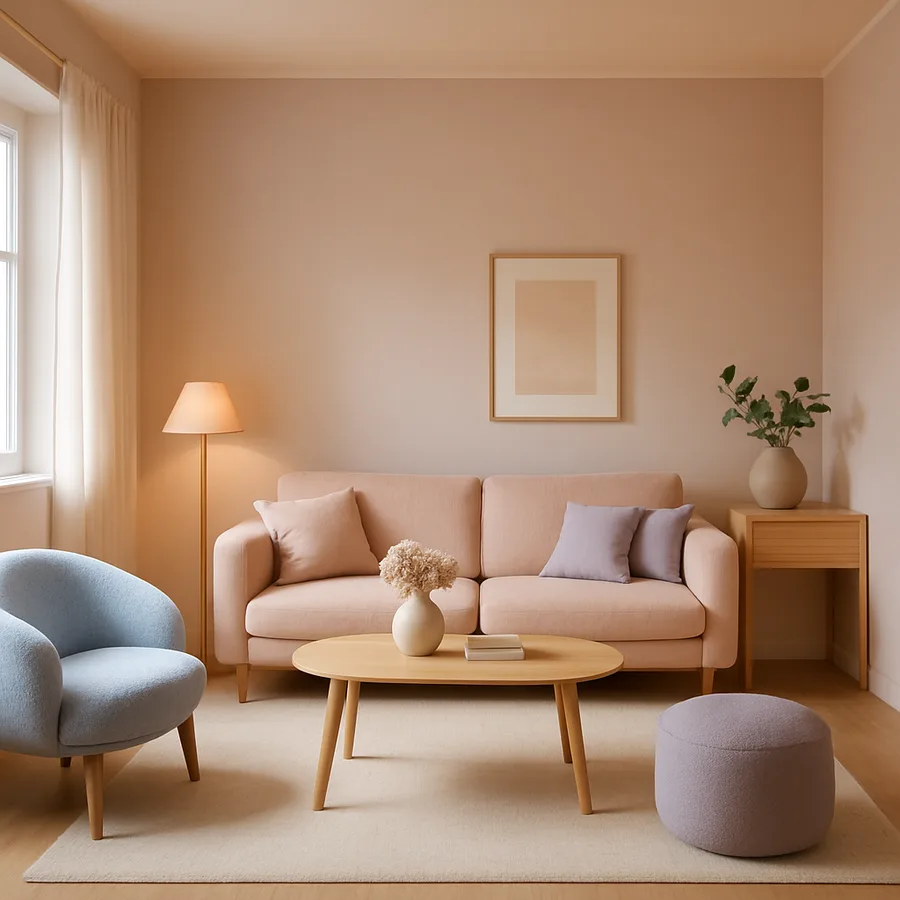
Your home is far more than a collection of walls, floors, and ceilings. It is a deeply personal expression of who you are, how you live, and what brings you comfort at the end of a long day. The art of interior design is not reserved for professionals with formal training or unlimited budgets. It is a practice that anyone can learn, refine, and apply to craft spaces that resonate with their unique personality and daily needs. Understanding a few foundational principles can transform even the most ordinary room into a place that feels intentionally designed and genuinely inviting.
According to the American Society of Interior Designers (ASID), well-designed interior spaces can improve occupant satisfaction by up to 33 percent, underscoring the tangible impact that thoughtful design has on everyday life. This is not simply about aesthetics, though beauty certainly matters. It is about creating environments that support your physical health, mental well-being, and the practical rhythms of how you move through your home each day. When design works, you feel it instinctively, even if you cannot immediately articulate why.
The journey toward a living environment you love begins with honest self-reflection. What activities do you actually perform in each room? How do you want to feel when you walk through the front door? These are not trivial questions. They form the foundation upon which every subsequent design decision rests. Without clarity about your goals, even the most expensive furniture and the trendiest color palettes will fall flat. With clarity, even modest investments can yield remarkable results.
This article explores the core principles of interior design as a creative practice, offering practical guidance on spatial planning, color selection, material choices, and personal style development. Whether you are starting from scratch in a new home or refreshing a space that no longer feels like yours, these strategies will help you approach the process with confidence and purpose.
Understanding Space and Proportion
Every well-designed room begins with an understanding of its spatial characteristics. The dimensions of a room, the placement of windows and doors, the ceiling height, and the flow of natural light all establish constraints and opportunities that a thoughtful designer must acknowledge. Ignoring these physical realities is one of the most common mistakes homeowners make when attempting to redesign a space. A massive sectional sofa may look stunning in a showroom, but it can overwhelm a modest living room and make the entire space feel cramped and uninviting. Proportion is not merely an abstract design concept. It is the practical relationship between objects and the rooms that contain them.
The International Interior Design Association (IIDA) emphasizes that spatial planning should always begin with a thorough assessment of how a room will be used. Before selecting a single piece of furniture, map out traffic patterns, identify focal points, and determine which zones within the room will serve specific functions. A living room, for example, might need a conversation area, a reading nook, and a pathway to an adjacent kitchen. Each of these zones requires adequate space to function comfortably without encroaching on the others.
Scale is the companion principle to proportion, and it operates on two levels. First, there is the scale of furniture relative to the room itself. Second, there is the scale of objects relative to one another. A delicate side table next to an oversized armchair creates visual tension that registers as discomfort, even to an untrained eye. Aim for a balanced relationship where pieces feel like they belong together and belong in the room. This does not mean everything must match or be the same size. It means that variations in scale should feel intentional and harmonious rather than accidental.
Have you ever walked into a room and immediately felt at ease without knowing why? Chances are, the proportions were carefully considered. The furniture left enough open floor space for comfortable movement. The artwork was hung at the right height relative to the sofa beneath it. The rug was large enough to anchor the seating area without being swallowed by the surrounding floor. These details may seem minor in isolation, but together they create the invisible architecture of a room that simply works.
Building a Color Foundation That Reflects Your Identity
Color is arguably the most emotionally powerful tool in the interior designer's repertoire. It can make a small room feel spacious, a cold room feel warm, and a chaotic room feel calm. Yet color selection is where many homeowners feel the most paralyzed. The sheer number of options, combined with the fear of making a costly mistake, leads many people to default to safe, neutral palettes that feel impersonal and uninspired. While neutrals certainly have their place, they should be a deliberate choice rather than a retreat from decision-making.
Begin your color journey by examining what you already own and love. Look at your wardrobe, your favorite artwork, the covers of books that line your shelves. Patterns will emerge. You may discover that you are consistently drawn to deep blues and warm golds, or perhaps to soft greens and creamy whites. These instinctive preferences are valuable data points that reveal your authentic color sensibility. The goal is not to follow the latest trending palette but to identify the hues that genuinely resonate with your emotional and aesthetic preferences.
The 60-30-10 rule provides a reliable framework for distributing color throughout a room. Approximately 60 percent of the room should feature your dominant color, typically applied to walls and large furniture pieces. Thirty percent should consist of a secondary color found in upholstery, curtains, and accent furniture. The remaining 10 percent is reserved for bold accent colors delivered through accessories, artwork, and decorative objects. This ratio creates a layered visual experience that feels cohesive without being monotonous. Research from the Pantone Color Institute consistently demonstrates that environments with intentional color relationships promote greater psychological comfort than those with random or disconnected color choices.
Do not underestimate the impact of undertones. A white wall can read as warm, cool, or somewhere in between depending on its underlying pigments. A gray sofa might lean blue, green, or purple under different lighting conditions. Testing paint samples and fabric swatches in your actual space, under both natural and artificial light, is an essential step that many people skip in their eagerness to finalize decisions. Taking the time to observe how colors behave in your specific environment will prevent the disappointment of a color that looked perfect in the store but feels wrong on your walls.
Selecting Materials and Textures for Depth and Comfort
If color provides the emotional tone of a room, texture provides its physical character. A room composed entirely of smooth, glossy surfaces feels sterile and unwelcoming, no matter how beautiful the color palette may be. Conversely, a room with too many rough or heavy textures can feel oppressive. The key is to layer a variety of textures that create visual interest and tactile pleasure in equal measure. Think about the contrast between a smooth marble countertop and a rough jute rug, or between a sleek leather sofa and a chunky knit throw.
Material selection also carries significant practical implications. The American Society of Interior Designers recommends choosing materials based on the intersection of aesthetics, durability, and lifestyle compatibility. A household with young children and pets has different material needs than a retired couple living alone. Performance fabrics, stain-resistant finishes, and scratch-proof surfaces are not compromises on style. They are intelligent choices that ensure your design remains beautiful under real-world conditions. The best designers understand that a gorgeous space that cannot withstand daily life is not well-designed at all.
Natural materials, including wood, stone, leather, linen, and wool, bring an organic warmth that synthetic alternatives often struggle to replicate. This is not a blanket rejection of manufactured materials, many of which offer excellent performance characteristics. Rather, it is a recognition that the human eye and hand respond to natural variation, grain patterns, and the subtle imperfections that characterize organic materials. Incorporating even a few natural elements into a predominantly contemporary space can soften the overall feel and create a sense of groundedness that synthetic materials alone rarely achieve.
Consider how materials age as well. A solid wood dining table develops a patina over years of family meals that tells a story no factory-fresh surface can match. Leather softens and develops character marks. Brass hardware develops a warm tarnish. These signs of use are not flaws to be avoided but qualities to be embraced. Selecting materials that age gracefully means your space becomes richer and more personal over time rather than simply worn. This approach to materiality reflects a deeper philosophy of design as an ongoing relationship with your environment rather than a one-time transaction.
Lighting as the Hidden Architecture of Atmosphere
Lighting is often the most underestimated element in residential design, yet it has an outsized influence on how a space looks and feels. A room with perfect furniture, ideal colors, and beautiful textures will still feel flat and lifeless if the lighting is poorly conceived. Conversely, thoughtful lighting can compensate for many other design shortcomings, adding warmth, dimension, and drama to even a modestly furnished room. Professional designers frequently describe lighting as the element that brings everything else together.
Effective residential lighting operates on three layers. Ambient lighting provides the overall illumination of a room and typically comes from ceiling fixtures, recessed lights, or large floor lamps. Task lighting serves specific functional needs, such as reading lamps beside a sofa, under-cabinet lights in a kitchen, or a desk lamp in a home office. Accent lighting highlights architectural features, artwork, or decorative objects and adds the dramatic depth that distinguishes a designed space from a merely functional one. Most rooms require all three layers working in concert to feel fully realized.
A survey conducted by the American Lighting Association found that 68 percent of homeowners express dissatisfaction with the lighting in at least one room of their home, yet fewer than half take action to address the issue. This gap between awareness and action often stems from uncertainty about where to begin. Start by evaluating each room's natural light conditions throughout the day. Identify areas that feel too dark, too harsh, or too flat. Then layer in fixtures that address those specific shortcomings rather than relying on a single overhead light to do everything.
Dimmer switches are one of the most cost-effective upgrades you can make. They allow a single fixture to serve multiple purposes across different times of day and different activities. Bright, energizing light for morning routines gives way to soft, ambient light for evening relaxation, all from the same source. Similarly, the color temperature of your bulbs matters enormously. Warm white bulbs (2700-3000K) create a cozy, inviting atmosphere in living spaces and bedrooms, while cooler temperatures (3500-4000K) support focus and clarity in kitchens and workspaces.
Developing and Trusting Your Personal Style
One of the greatest barriers to creating a home you love is the persistent belief that there is a single correct way to design a space. Design magazines, social media feeds, and home renovation shows present polished, professionally staged environments that can inspire but also intimidate. The risk is that you end up replicating someone else's vision rather than developing your own. While drawing inspiration from external sources is a natural and healthy part of the design process, the final result should feel distinctly yours.
Personal style in interior design is not a fixed category you must identify and commit to forever. It is an evolving expression that shifts as your life changes. The space you needed at twenty-five is different from the space you need at forty-five. A home that once centered around entertaining might gradually shift toward quiet comfort as priorities change. Allowing your space to evolve alongside you is not a sign of indecision. It is a sign that your home remains a living reflection of who you are rather than a static monument to who you once were.
How do you begin to identify your personal design sensibility? Start by collecting images that appeal to you without analyzing why. Use a physical folder, a digital board, or simply save images on your phone. After you have gathered fifty to one hundred images, step back and look for patterns. You may notice recurring themes in color, furniture style, spatial organization, or mood. These patterns are the raw material of your personal aesthetic. The Houzz platform, for instance, allows users to save and organize inspiration images in a way that reveals these patterns over time.
Once you have a clearer sense of your preferences, give yourself permission to break rules. If you love the combination of mid-century modern furniture and traditional Persian rugs, pursue that combination with confidence. If you are drawn to maximalist layering in one room and spare minimalism in another, honor both impulses. The most compelling interiors are those that reflect genuine personality rather than rigid adherence to a single design school. Trust what appeals to you, refine it through the principles discussed in this article, and the result will be a home that no one else could have created.
Bringing Intention to Every Room in Your Home
A common approach to interior design is to focus all energy and budget on the public-facing spaces, the living room, the dining room, the kitchen, while neglecting bedrooms, bathrooms, hallways, and entryways. This approach is understandable but ultimately self-defeating. You spend significant portions of your life in every room of your home, and each one contributes to your overall experience of living there. A beautifully designed living room loses much of its impact if you must walk through a cluttered, poorly lit hallway to reach it.
Apply the same principles of proportion, color, texture, and lighting to every space, scaled appropriately to the room's size and function. An entryway benefits from a small console table, a mirror to check your appearance before leaving, a tray for keys, and a hook for coats. A bathroom is transformed by consistent hardware finishes, fluffy towels in a coordinated color, and a single piece of artwork that signals this is a space worth caring about. These are not expensive interventions. They are intentional ones.
Transitional spaces deserve particular attention because they connect rooms and create the narrative flow of your home. Hallways, staircases, and landings are opportunities to display artwork, introduce color, or create moments of visual surprise. When these spaces are treated as afterthoughts, the home feels disjointed, like a series of disconnected boxes rather than a unified environment. When they are designed with care, even modest care, the entire home feels more coherent and more generous.
What would your morning feel like if every room you passed through, from bedroom to bathroom to kitchen, was designed with the same thoughtfulness and care? This is the promise of holistic interior design. It does not require perfection or enormous expense. It requires attention, intention, and the willingness to treat every corner of your home as worthy of consideration. The cumulative effect of small, deliberate choices across every room is a living environment that genuinely supports and delights you.
Conclusion: Your Home as an Ongoing Creative Project
Creating a living environment you love is not a single event but an ongoing creative project. It unfolds over months and years as you learn more about your preferences, discover new materials and objects that speak to you, and adapt your spaces to the changing rhythms of your life. The principles discussed here, spatial awareness, color harmony, textural layering, thoughtful lighting, and personal style development, provide a framework for making design decisions with confidence, but they are guidelines, not commandments.
The most important quality you can bring to the design of your home is honest attention. Pay attention to what makes you feel comfortable and what creates friction. Notice which rooms you gravitate toward and which you avoid. Observe how light changes throughout the day and how your needs shift from morning to evening. This kind of attentive presence is the true foundation of great design, and it costs nothing except your willingness to notice.
Remember that the goal is not to create a space that impresses visitors or photographs well for social media. The goal is to create a space that serves and delights the people who actually live there, including and especially you. When you prioritize your own authentic experience over external validation, the design decisions become clearer and the results become more satisfying. Your home is your most personal creative canvas.
If you are ready to begin transforming your living environment, start with a single room and apply the principles of proportion, color, and lighting discussed in this article. Take one room this week and spend thirty minutes simply observing how you use the space, what works, and what feels wrong. That observation is the first step toward a home that is not just decorated but truly designed for the life you want to live.
More Articles You May Like



Comments
Post a Comment