Dining Room Bench Mixing With Chairs On Other Side
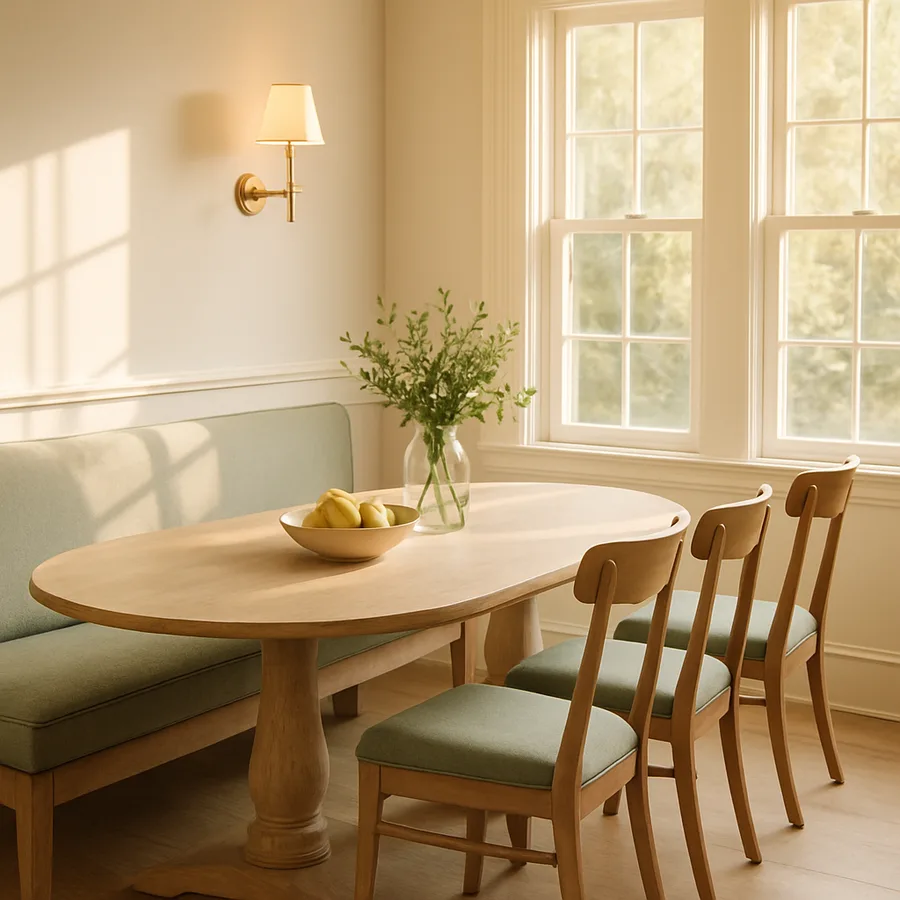
Setting a long dining table with matched chairs on every side has been the default for so many decades that the alternative often feels like a daring departure. Yet placing a bench along one side of the table and chairs on the other has quietly become one of the most popular dining configurations in contemporary American homes, particularly in the kitchen-adjacent dining areas that now serve as the everyday eating space for most families. The combination delivers a softer, more inviting visual presence than matched chairs alone, accommodates more diners when needed, and creates a sense of informality that suits the way most households actually eat. According to interior trends documented by the American Society of Interior Designers, the bench-and-chair mix appears in a rising share of residential dining rooms across both urban and suburban markets.
The configuration works because it solves several problems that pure chair arrangements struggle with. It seats children and casual guests easily without negotiating who gets which chair. It opens up the visual mass of one side of the table, reducing the heavy symmetry that can make a dining area feel formal even when it is not meant to. And it allows for material and color contrast between the bench and the chairs in ways that simply cannot be achieved with a matched set. This guide explores how to make the mix work in your specific dining space, with attention to proportion, comfort, material pairing, and the practical realities of daily use.
Why the Bench-and-Chair Mix Has Become So Popular
The rise of the bench-and-chair mix tracks with broader shifts in how Americans use their dining spaces. Formal dining rooms have largely been absorbed into kitchen-and-great-room layouts, and the dining table has become a multipurpose surface used for everything from homework to crafts to laptop work to actual meals. A bench along one side of the table fits this multipurpose use better than chairs do because it allows easy lateral movement, accommodates kids of varying sizes without adjustment, and pulls cleanly under the table when not in use, freeing floor space for other activities.
The aesthetic appeal is equally important. A row of matched chairs creates a strong visual rhythm that can feel formal or even slightly oppressive in a casual space. Replacing one row with a continuous bench breaks that rhythm and introduces a softer, more horizontal element that grounds the table visually. The contrast between the heavy, continuous bench and the lighter, articulated chairs gives the eye somewhere to rest and prevents the dining area from reading as a furniture showroom. Architectural Digest has frequently highlighted this configuration in their residential coverage, noting how the format reads as both intentional and relaxed.
There is also a practical capacity argument. A bench that fits four children or three adults occupies the same table edge length that would otherwise hold three chairs. The slight gain in seating capacity matters in households that frequently host more diners than the chairs alone would accommodate. Have you ever scrambled to find a fourth chair for an unexpected guest at a holiday dinner? A bench eliminates that scramble entirely.
Choosing the Right Bench Length and Height
The single most important dimension is bench length relative to the table. Most designers recommend that the bench length match the visible table edge minus four to six inches on each end. A 72-inch table works well with a bench between 60 and 64 inches long. A 96-inch table needs a bench between 84 and 88 inches. Going shorter creates an awkward gap; going longer makes the bench overhang the table and look ungainly. The proportion is more forgiving than precise, but staying within roughly 6 inches of the ideal length is worth the measuring effort.
Bench height should align with the seat height of the chairs on the opposite side, typically 17 to 19 inches from the floor. Mismatched heights look uncomfortable even before anyone sits down, and they create awkward sight lines across the table when meals are underway. The standard dining chair seat height of 18 inches has become the de facto baseline, and most quality benches are manufactured to match. If you are pairing a bench with chairs from different sources, measure carefully before purchase. The American Home Furnishings Alliance publishes residential furniture sizing standards that can help you verify dimensions before committing.
Backless benches are the most common choice for the kitchen-side or window-side of a dining table because they preserve sight lines and can be tucked entirely under the table. Benches with backs offer more comfort for long meals but commit more visual weight and floor space. The choice depends on how often you host long dinners and how strongly you want the bench to assert its presence. For most households, a backless bench is the right answer for the everyday space, with a backed bench reserved for formal dining rooms where the seating duration is longer.
Material Pairing Strategies for Visual Cohesion
The material relationship between the bench and the chairs is what makes the mix succeed or fail. The most reliable strategy is to share at least one material element between the two: the bench frame and chair frames in the same wood species, or the bench upholstery and chair upholstery in the same fabric, or the bench legs and chair legs in the same metal finish. This shared element creates a visual through-line that ties the mismatched pieces together and prevents them from looking like leftover furniture from a previous home.
The most common pairing is a wooden bench with upholstered chairs, or an upholstered bench with wooden chairs. The contrast between the hard and soft surfaces gives each piece its own character while preserving an obvious functional unity. A walnut bench with cream linen-upholstered chairs reads as deliberate and refined. A linen-upholstered bench with simple oak chairs reads as warm and casual. Both work because the material contrast is paired with a clear color and tonal harmony.
Avoid the trap of mixing too many materials. A wooden bench, upholstered chairs in one fabric, and accent chairs at the table ends in a different fabric and different wood species reads as cluttered rather than collected. Limit the dining area to two primary materials and one accent, with each material appearing on at least two pieces of furniture. This rule of repetition is one of the most reliable visual principles in interior design and applies to dining configurations as much as to any other space.
Color and Upholstery Choices for Daily Wear
The bench's location along the wall side of the table puts it in the path of children, pets, food spills, and the gradual accumulation of crumbs and stains that defines real daily life. Upholstery choices should reflect this reality. Performance fabrics with stain-resistant treatments are now widely available in materials that look and feel like natural fibers, and they tolerate spills, washing, and abrasion vastly better than untreated linens or cottons. The American Home Furnishings Alliance maintains testing standards for upholstery durability that are worth reviewing before purchase.
Color choice should consider both the dining setting and the broader room. Light neutrals like cream, oatmeal, and pale gray show stains faster but read as elegant and brightening. Mid-tone earth colors like terracotta, olive, and rust hide everyday wear better and bring warmth to a neutral kitchen. Dark colors like charcoal, navy, and deep brown show pet hair and crumbs but resist food stains effectively and project a more formal character. The right choice depends on how the space is used and how visible spills will be in the chosen tone.
Removable cushion covers are a quiet game-changer for bench upholstery. A cushion that zips open for machine washing turns inevitable spills into minor inconveniences rather than permanent damage. Custom upholsterers will add zippers to almost any cushion for a small additional fee, and the long-term value far exceeds the upfront cost. Have you calculated how many spills you have already accepted as permanent on your current dining seating? A washable cover would have saved every one of them.
Comfort Trade-Offs Compared to Matched Chairs
Honest discussion of the bench format requires acknowledging the comfort trade-offs. A bench without a back encourages slouching during long meals, and the lack of individual seating definition means that diners can crowd or spread across the bench in ways that occasionally feel awkward. For households that linger at the table for hours of conversation, these trade-offs matter. For households that eat in 30 to 45 minutes and then move to other activities, they rarely register.
The fix for most comfort issues is generous cushioning. A 3 to 4 inch foam cushion with a high-resilience core supports the spine far better than a thin pad over plywood, and the difference is felt within the first 15 minutes of dining. Spending more on cushioning quality is one of the highest-return investments in any bench installation, and it converts a marginally comfortable seating choice into one that genuinely competes with quality chairs.
For households where comfort is paramount, choosing a bench with a back is worth the additional visual weight and cost. A 16 to 18 inch back at a 105 to 110 degree angle provides genuine lumbar support and converts the bench from a casual perch to a place where adults can comfortably linger. The back can also incorporate decorative elements like channel tufting or tight upholstery that contribute to the room's overall design character. Architectural Digest features many examples of upholstered banquette-style benches that approach the comfort of full-back chairs while preserving the bench format's visual softness.
Where the Mix Works and Where It Does Not
The bench-and-chair mix is most successful in dining areas adjacent to kitchens or great rooms, where the casual character of the bench reinforces the informal use of the space. It works particularly well in narrow dining rooms where chairs on both sides would consume too much floor area for comfortable circulation. The bench, tucked against the wall side, frees that side completely and allows the table to sit closer to the wall than would be possible with chairs.
The mix works less well in formal dining rooms where the dining function is reserved for special occasions and the room is otherwise unused. In those spaces, the matched chair set reinforces the formality and ceremony that the dining room represents, and a bench can read as too casual or out of character. Have you considered the actual use of your dining area before deciding on the configuration? The format should follow the function, not the other way around.
The mix also works less well with very large tables that seat eight or more. At those scales, the bench becomes excessively long and starts to feel more like restaurant seating than residential dining. For tables of that size, traditional chairs on both sides usually deliver better comfort and visual proportion. The sweet spot for the bench-and-chair mix is the four to six person table, the size that suits most contemporary American households.
Conclusion
Mixing a dining room bench with chairs on the other side of the table is one of the most successful furniture configurations available to contemporary homes. It accommodates more diners than matched chairs alone, projects a softer and more inviting visual character, and works particularly well in the kitchen-adjacent dining areas that now serve as the everyday eating space for most families. The configuration delivers practical capacity gains and aesthetic warmth simultaneously, and it does so at a cost that compares favorably to traditional matched chair sets.
The success of the configuration depends on careful attention to proportion, material pairing, and comfort detailing. The bench length should align with the table length within a few inches. The bench height should match the chair seat height precisely. At least one material element should connect the bench to the chairs to prevent the pairing from looking accidental. Cushion quality and upholstery choices should reflect the realities of daily wear and washing. These details, more than any specific style choice, determine whether the configuration reads as deliberate and lived-in or as improvised and uncomfortable.
For most contemporary American households eating most of their meals in casual kitchen-adjacent dining areas, the bench-and-chair mix offers the best combination of capacity, comfort, and character available in residential dining furniture. The format suits the way most families actually eat, accommodates the kids and guests who frequently appear at the table, and reads as warm and welcoming in a way that pure matched chair sets often do not.
If your dining area has been feeling overly formal, awkwardly proportioned, or simply unable to accommodate the people you actually want to seat, this is the moment to consider the mix. Measure your table, photograph your space, and start sourcing benches and chairs that share at least one material element. A weekend of careful selection can transform the daily experience of every meal you serve at home for years to come.
More Articles You May Like


Comments
Post a Comment