The Rise of Neil Interior Design: Trends Shaping Modern Home Aesthetics
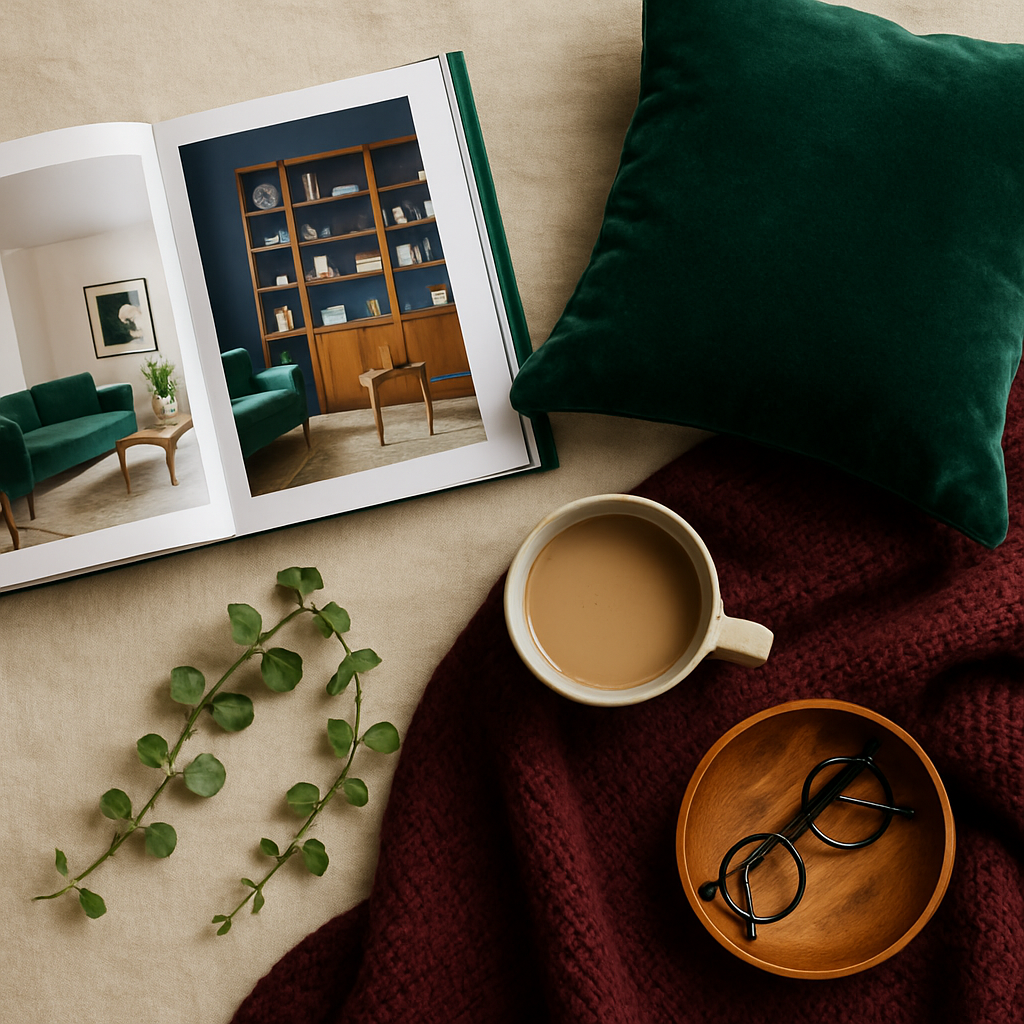
Have you ever walked into a room and felt immediately at ease, yet unable to pinpoint exactly why? This is the magic of Neil interior design - a burgeoning movement that emphasizes subtle sophistication and thoughtful integration of aesthetics and functionality. According to Houzz's annual survey, homeowners increasingly seek designs that not only enhance visual appeal but also improve daily living. In this article, we will explore the core trends driving Neil interior design, offering a comprehensive guide to understanding its principles and applying them to modern home aesthetics.
Foundational Concepts of Neil Interior Design
At the heart of Neil interior design lies the principle of quiet luxury, where understated elegance takes center stage. This approach diverges from ostentatious displays, focusing instead on quality materials and timeless design. Experienced professionals often note that this trend is about creating a calming environment that offers a respite from the outside world. The use of natural materials such as wood, stone, and linen is prevalent, reflecting a biophilic design ethos that brings the outside in.
Another key element is the integration of sustainable practices. As environmental awareness grows, Neil interior design emphasizes the use of reclaimed materials and eco-friendly products. For instance, bamboo flooring, recycled glass countertops, and organic cotton textiles are popular choices. This not only reduces environmental impact but also adds a unique character to each space. The American Society of Interior Designers (ASID) has highlighted that sustainability is now a top priority in interior design, aligning well with the Neil approach.
Additionally, functionality is paramount. Neil interior design focuses on how spaces are used daily, ensuring that every design choice serves a purpose. This involves considering traffic flow, storage needs, and the multifunctional use of spaces. For homeowners, this means having a home that looks beautiful while optimizing their lifestyle. As we delve deeper, you'll see how these foundational elements are woven into the fabric of modern home aesthetics.
Deeper Analysis: Trends Shaping Modern Home Aesthetics
One of the most significant trends within Neil interior design is the incorporation of smart home technology. This includes automated lighting, climate control, and advanced security systems that blend seamlessly with the design. According to a survey by the American Institute of Architects (AIA), nearly 60% of new home projects now integrate some form of smart technology, highlighting its growing importance.
The concept of Japandi-a fusion of Japanese minimalism and Scandinavian warmth-also plays a vital role in Neil design. This style emphasizes simplicity and functionality while incorporating natural elements. Light wood tones, neutral color palettes, and uncluttered spaces are hallmark features. By combining these two influences, designers create serene environments that offer both comfort and style. This trend aligns perfectly with the principles of Neil design, offering a harmonious balance between form and function.
Furthermore, personalization has become a defining trend. Homeowners are increasingly looking to reflect their personalities and lifestyles in their interiors. This might involve custom furniture, unique art pieces, or tailored color schemes. The International Interior Design Association (IIDA) emphasizes that personal touches make a space truly feel like home. As we move forward, consider how these trends can be adapted to your own space.
Actionable Strategies for Your Home
Now that you have a grasp of the trends, how can you start incorporating Neil interior design into your home? Begin by evaluating your current space and identifying areas for improvement. Map out how you actually use each room - where you drop your keys, where the kids do homework, and where you unwind at the end of the day. This practical assessment guides you in making informed design decisions that enhance both aesthetics and functionality.
Next, consider integrating smart home features. From automated blinds to voice-controlled lighting, these technologies can enhance convenience and efficiency. If you're unsure where to start, platforms like Houzz offer comprehensive guides and reviews of the latest smart home products. Remember, the goal is to select technologies that complement your lifestyle while seamlessly integrating into your home's design.
Additionally, explore sustainable materials. Reclaimed wood, recycled metal, and eco-friendly paints are not only better for the environment but also add unique character and warmth to your interiors. Check out local resources or consult with a certified interior designer who holds NCIDQ (National Council for Interior Design Qualification) credentials for professional advice and recommendations. As you implement these strategies, you'll find your home transforming into a space that truly reflects Neil design principles.
Expert-Level Insights on Neil Interior Design
Experienced professionals often note that one of the challenges in Neil interior design is achieving the right balance between minimalism and warmth. Too much minimalism can lead to sterile environments, while excessive warmth may clutter the space. Achieving this balance requires a keen eye and a strategic approach to design. Consider engaging with a designer from the Architectural Digest's AD PRO network, which connects homeowners with top professionals in the industry.
Another expert insight is the importance of layered lighting. Proper lighting can transform the mood and functionality of a space. Incorporate a mix of ambient, task, and accent lighting to highlight architectural features and create a dynamic atmosphere. According to industry surveys, well-planned lighting can enhance the perceived size of a room and improve usability.
Finally, professionals recommend focusing on texture. Incorporating varied textures through textiles, wall finishes, and furniture adds depth and interest to any room. Whether it's a plush rug, a textured wallpaper, or a velvet sofa, textures can bring a room to life without overwhelming the senses. As you explore these expert-level insights, consider how they can be applied to elevate your home.
Additional Depth: The Role of Color in Neil Design
Color plays a pivotal role in Neil interior design, acting as both a backdrop and a focal point. The current trend favors neutral tones, with shades of beige, gray, and soft white dominating the palette. These colors offer a calming effect and provide a versatile base for adding personalized touches with accessories and art. However, incorporating pops of color through accents like cushions, throws, or artwork can inject personality and vibrancy into the space.
Interestingly, the psychology of color is also a critical consideration. Colors can influence mood and perception, making it essential to choose hues that align with the intended atmosphere of each room. For instance, blue is often associated with calmness and productivity, making it suitable for workspaces, while green is linked to relaxation and renewal, ideal for bedrooms.
Incorporating color strategically can transform the overall feel of your home. Whether you opt for a monochromatic scheme or a more eclectic mix, color should enhance the design without overshadowing the architectural elements. As you consider your options, think about how color can support the Neil aesthetic in your space.
Final Perspectives on Neil Interior Design
As we wrap up our exploration of Neil interior design, it's clear that this approach offers a refreshing take on modern home aesthetics. By prioritizing quality, sustainability, and functionality, Neil design creates spaces that are not only beautiful but also practical and enduring. This trend is a testament to the evolving nature of interior design, where personal expression and environmental consciousness are increasingly at the forefront.
Reflecting on your own home, what elements of Neil design resonate most with you? Is it the seamless integration of technology, the focus on natural materials, or perhaps the understated elegance that appeals to you? Whatever your preference, the principles of Neil interior design offer a flexible framework to create a home that truly reflects your style and values.
As you consider these insights, remember that the journey of transforming your space is as important as the destination. Embrace the process, and don't hesitate to seek professional guidance to bring your vision to life. In doing so, you'll find that your home becomes a sanctuary that nurtures and inspires.
Conclusion
The rise of Neil interior design marks a significant shift in how we approach home aesthetics, blending sophistication with practicality. As you've learned, the key trends driving this movement-quiet luxury, sustainable practices, and smart integration-offer a roadmap for creating spaces that are both beautiful and functional. By incorporating these elements into your own home, you can achieve a design that not only looks stunning but also enhances your everyday living experience.
Are you ready to start your Neil design journey? Begin by exploring designer portfolios on platforms like Houzz or consulting a certified interior designer to refine your vision. Even dedicating just 20 minutes a day to research can sharpen your eye for what you want. Remember, the transformation begins with a single step, and the sooner you start, the closer you'll be to achieving the home of your dreams.



Comments
Post a Comment