Discover the Top Modern Interior Design Trends Transforming Spaces Today
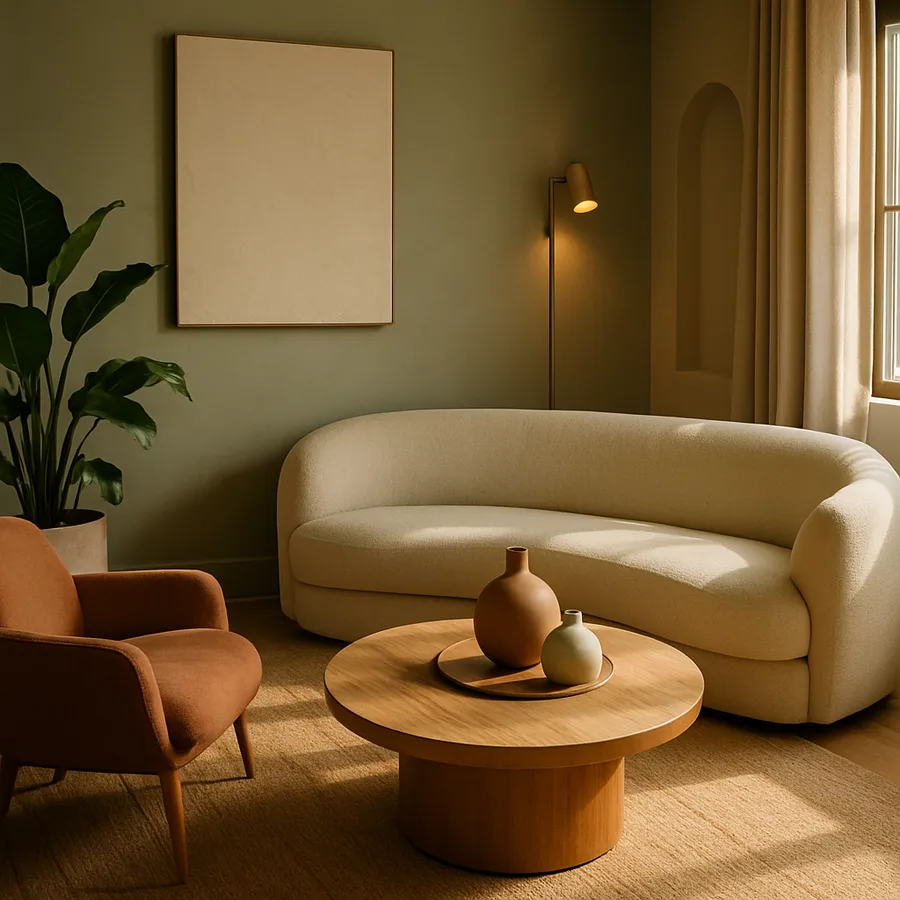
The world of residential interior design is experiencing a period of remarkable creative energy. After years of dominance by cool-toned minimalism and industrial aesthetics, designers and homeowners alike are embracing warmer, more personal, and more nature-connected approaches to living spaces. These shifts are not arbitrary fashion cycles. They reflect deeper changes in how people relate to their homes, particularly as remote work, environmental awareness, and a renewed emphasis on well-being reshape daily domestic life.
Understanding current design trends is valuable not because you should follow every one of them, but because they offer a curated window into the materials, forms, and philosophies that resonate with contemporary living. The best approach is to identify the trends that align with your personal style and practical needs, then adapt them in ways that feel authentic rather than borrowed. A trend adopted with intention enhances a space. A trend adopted for its own sake often feels hollow within months.
The trends examined in this article share a common thread: they prioritize the human experience of space over purely visual impact. They favor comfort over austerity, organic forms over rigid geometry, and genuine materials over synthetic imitations. This human-centered orientation marks a significant departure from the design culture of the previous decade, and it has produced some of the most inviting and livable interiors in recent memory.
Biophilic Design and the Return to Nature
Biophilic design, the practice of incorporating natural elements and patterns into built environments, has moved from a niche concept to a mainstream priority. The term, rooted in biologist E.O. Wilson's biophilia hypothesis, describes the innate human need to connect with nature. In residential interiors, this translates to the generous use of indoor plants, natural materials like wood and stone, water features, and design strategies that maximize exposure to natural light and outdoor views. The appeal is both aesthetic and psychological.
Research published by the International WELL Building Institute has shown that environments incorporating biophilic design principles can reduce stress levels by up to 15 percent and improve cognitive function by 6 percent. These are not marginal gains. For people who spend the majority of their waking hours indoors, the cumulative health benefits of a nature-connected home are substantial. Even modest interventions, such as placing a few potted plants near a workspace or choosing a dining table made from reclaimed wood, contribute to this effect.
The trend extends beyond simply adding plants to a room. Designers are increasingly using natural patterns and forms, such as leaf motifs in textiles, organic curves in furniture silhouettes, and fractal patterns in tile work, to evoke the sensory experience of being outdoors. Color palettes drawn from natural landscapes, including earthy greens, warm terracottas, sandy neutrals, and oceanic blues, reinforce this connection. The International Interior Design Association has highlighted biophilic design as one of the most consequential movements in contemporary residential practice.
What aspects of the natural world resonate most deeply with you? Perhaps you are drawn to the dense, layered greenery of a forest, or the spare, sun-bleached beauty of a coastal landscape. Identifying your particular nature affinity can guide your approach to biophilic design in a way that feels personal rather than generic. A home inspired by Mediterranean hillsides will look and feel entirely different from one inspired by Scandinavian forests, even though both qualify as biophilic.
Warm Minimalism and the Softening of Modern Spaces
The minimalist aesthetic that dominated residential design for much of the past decade is not disappearing, but it is undergoing a significant transformation. The stark white walls, hard-edged furniture, and monochromatic palettes that characterized earlier minimalism are giving way to a warmer, softer interpretation that retains the simplicity and intentionality of minimalist philosophy while adding genuine physical comfort and emotional warmth. Designers have taken to calling this evolution warm minimalism, and it addresses many of the criticisms leveled at its cooler predecessor.
Where traditional minimalism favored black, white, and gray, warm minimalism embraces a palette of creamy whites, soft taupes, warm grays, and muted earth tones. Materials shift from glass, steel, and polished concrete to natural wood, boucle fabric, travertine stone, and handmade ceramics. The silhouettes remain clean and uncluttered, but they curve gently rather than cutting sharp angles. The overall effect is a space that feels edited and intentional without feeling cold, sterile, or inhospitable.
This trend reflects a broader cultural shift toward prioritizing comfort and livability in home design. According to a study by Houzz, 78 percent of homeowners undertaking renovations cite increased comfort as their primary motivation, surpassing aesthetics, resale value, and trend alignment. Warm minimalism responds directly to this priority. It offers the visual calm and spatial clarity that people appreciate about minimalism while wrapping those qualities in materials and forms that invite you to sit down, relax, and stay a while.
The practical advantage of warm minimalism is its longevity. Because it relies on natural materials, neutral tones, and timeless silhouettes rather than bold trend-specific statements, a warm minimalist space is unlikely to feel dated within a few years. It provides a stable foundation that can be refreshed with accessories, artwork, and textiles as your tastes evolve. This makes it an especially smart approach for homeowners who want to invest in quality pieces that will remain relevant for a decade or more.
Curved Furniture and Organic Silhouettes
Walk through any major furniture showroom and you will notice a dramatic shift away from angular, rectilinear forms toward soft curves, rounded edges, and organic silhouettes. This is not merely an aesthetic preference. It represents a fundamental rethinking of how furniture relates to the human body and the spaces it inhabits. Straight lines and sharp corners create visual tension and physical hazards, particularly in homes with children. Curves, by contrast, feel welcoming, approachable, and inherently comfortable.
The resurgence of curved furniture draws inspiration from mid-century modern masters like Eero Saarinen, whose Tulip table and Womb chair demonstrated that organic forms could be both structurally sound and visually stunning. Contemporary designers are extending this legacy with rounded sofas, arched bookcases, circular dining tables, and kidney-shaped coffee tables that bring sculptural interest to everyday functional pieces. The American Society of Interior Designers has noted that curved furniture submissions to their annual design awards have increased substantially in recent years.
From a spatial perspective, curved furniture has a remarkable ability to soften a room's overall character. A rectangular room with exclusively rectangular furniture can feel boxy and rigid. Introducing a single curved element, a round ottoman, an arched floor mirror, a sofa with gently rolled arms, breaks the geometric monotony and creates a more dynamic visual experience. The eye moves differently around curved forms than around straight ones, following flowing lines rather than stopping at hard corners.
Integrating curved pieces into an existing space does not require replacing everything you own. Start with one or two statement pieces that introduce organic shapes into your current arrangement. A round accent table beside a square sofa, an arched doorway mirror in a hallway with straight walls, or a curved bench at the foot of a rectangular bed all create the contrast that makes curved furniture so effective. The juxtaposition of curves and straight lines is often more interesting than an exclusively curved environment.
Artisan Craftsmanship and Handmade Elements
In a cultural moment increasingly defined by mass production and algorithmic recommendation, there is a growing hunger for objects that bear the visible mark of human hands. Artisan craftsmanship has become one of the most compelling trends in interior design, driven by consumers who value uniqueness, quality, and the stories embedded in handmade objects. A hand-thrown ceramic vase, a hand-woven textile, or a hand-carved wooden bowl brings a warmth and authenticity to a room that factory-produced alternatives cannot replicate.
This trend is closely linked to a broader movement toward conscious consumption. Rather than filling a home with inexpensive, interchangeable objects, many homeowners are choosing to invest in fewer, higher-quality pieces that support independent makers and traditional craft practices. Organizations like the American Craft Council have documented a steady increase in consumer interest in handmade home goods, with particular growth in ceramics, hand-blown glass, and artisanal textiles.
The design impact of handmade elements extends beyond their individual beauty. They introduce subtle imperfections, variations in color, texture, and form, that create visual richness impossible to achieve with machine-made uniformity. A set of handmade dinner plates, each slightly different in shape and glaze, transforms a simple table setting into something memorable. A hand-knotted rug with minor irregularities in its pattern tells a story of human skill and attention that a machine-loomed counterpart simply cannot match.
Incorporating artisan pieces into your home does not require an unlimited budget. Local pottery studios, craft fairs, and online marketplaces connect consumers directly with makers at a range of price points. Even a single handmade object in an otherwise commercially furnished room shifts the character of the entire space. Have you considered which surfaces or vignettes in your home might benefit from the addition of something made by hand? The answer often reveals opportunities you had not previously considered.
Multifunctional Spaces and Adaptive Design
The way people use their homes has changed dramatically, and interior design is adapting accordingly. Rooms once designated for a single purpose are now expected to serve multiple functions across the course of a day. A dining room becomes a home office by morning and a homework station by afternoon. A guest bedroom doubles as a yoga studio. A living room transforms from a workspace to a cinema to a gathering space for friends. Multifunctional design addresses these shifting demands through flexible furniture, clever storage, and adaptable layouts.
The rise of remote and hybrid work has been a primary driver of this trend. According to research from Stanford University's Institute for Economic Policy Research, approximately 27 percent of paid full-time workdays in the United States are now performed from home. This represents millions of workers who need dedicated or semi-dedicated workspace within homes that were not originally designed to accommodate professional activities. The challenge is to create effective work environments without sacrificing the domestic comfort and personal character that make a home feel like a home.
Furniture manufacturers have responded with an expanding range of pieces designed for versatility. Desks that fold into wall-mounted cabinets, sofas with built-in storage, coffee tables that convert to dining height, and modular shelving systems that can be reconfigured as needs change are all expressions of this adaptive approach. The most successful multifunctional spaces use these tools in combination with clear visual boundaries, such as distinct rugs, lighting zones, or moveable screens, that signal transitions between different uses without requiring physical walls.
The key to effective multifunctional design is ruthless prioritization. Not every function can be equally well served in a single space. Identify the primary and secondary uses for each room and design accordingly, ensuring the primary function is fully supported even when the space is configured for its secondary role. A dining room that also serves as an office, for example, should always function beautifully as a dining room, with office equipment that can be stored or concealed when not in use.
Bold Color Confidence and Pattern Play
After years of predominantly neutral interiors, bold color is making a confident return to residential design. Deep greens, saturated blues, rich terracottas, and warm plums are appearing on walls, furniture, and cabinetry in homes that previously would have defaulted to white or gray. This shift reflects a growing comfort with personal expression and a recognition that color is one of the most powerful tools available for creating spaces with genuine character and emotional impact.
Pattern is returning alongside bold color, with designers layering geometric prints, botanical motifs, and abstract designs in combinations that would have seemed risky just a few years ago. The secret to successful pattern mixing lies in maintaining a consistent color story. When patterns share a common palette, even dramatically different scales and motifs can coexist harmoniously. A large-scale floral wallpaper, a medium-scale geometric rug, and small-scale striped throw pillows feel cohesive when they draw from the same family of colors.
This trend requires a degree of courage that many homeowners find challenging. The fear of making a bold choice that you will later regret is real and understandable. One effective strategy is to introduce bold color and pattern in reversible ways first. Painted accent walls can be repainted. Patterned cushions and throws can be swapped. Colorful artwork can be rotated. These lower-commitment interventions allow you to test your appetite for boldness before investing in more permanent applications like colored cabinetry or patterned tile. The Houzz community forums are filled with before-and-after stories from homeowners who started tentatively and gradually grew bolder as their confidence increased.
The interplay between bold elements and quieter backgrounds is essential. A room where every surface competes for attention becomes exhausting rather than exciting. The most successful bold interiors pair one or two dramatic statements, a richly colored wall, a statement-patterned rug, with calmer surroundings that allow those statements to breathe. This balance between excitement and rest is what distinguishes a vibrant, energizing room from one that simply feels busy.
Conclusion: Making Trends Work for Your Life
The trends reshaping modern interior design share a common orientation toward human comfort, natural connection, and authentic personal expression. Whether you are drawn to the organic warmth of biophilic design, the serene intentionality of warm minimalism, the sculptural appeal of curved furniture, the character of handmade objects, the practicality of multifunctional spaces, or the energy of bold color, the best approach is to filter every trend through the lens of your own life and preferences.
No trend is worth adopting if it does not serve the way you actually live. A gorgeous curved sofa is a poor investment if your living room cannot physically accommodate its footprint. A bold wall color is counterproductive if it creates an atmosphere that makes you anxious rather than energized. The most successful interiors are those where trends are adapted, combined, and modified to fit the specific needs and tastes of the people who inhabit the space.
The pace of trend evolution can feel overwhelming, but it is worth remembering that the most enduring design choices are those rooted in quality materials, good proportions, and genuine personal preference. Trends come and go, but a well-proportioned room with honest materials and a color palette you love will always feel right. Use trends as inspiration and starting points, not as prescriptions.
Choose one trend from this article that resonates most strongly with you and commit to exploring it in a single room this month. Start small, observe how it makes you feel, and expand from there. The goal is not to create a trend-perfect showroom but a home that reflects the best of contemporary design thinking while remaining unmistakably yours.
More Articles You May Like



Comments
Post a Comment