Cane Webbing DIY for Refreshing Mid-Century Cabinet Doors
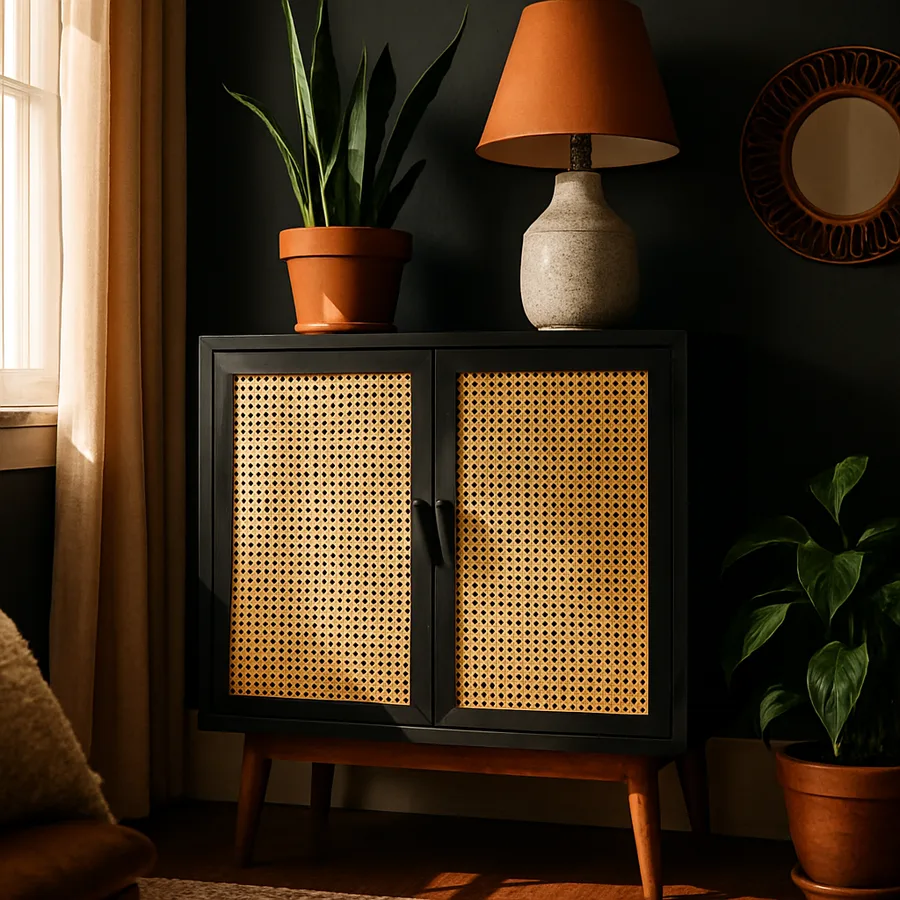
The first time you peel a tired flat plywood panel out of a vintage walnut cabinet door and slide a fresh sheet of pressed cane into the void, something extraordinary happens. The whole piece exhales. What was a heavy box becomes a translucent, breathable lantern. Mid-century cabinetry was originally designed to hold this exact tension between solid frame and woven veil, and when you reintroduce that detail, you recover the era's signature lightness in a way no paint color can replicate.
This tutorial walks through a complete cane webbing refresh from initial inspection through final finish, in a format suitable for a single weekend of focused work. We will pull guidance from millwork specialists associated with the American Home Furnishings Alliance and detail the exact sequence used by professional restorers to handle warped frames, brittle splines, and stubborn old adhesive. Whether you are reviving a Henredon credenza, a Lane bar cabinet, or a generic flea-market score, the method is the same.
Choosing the Right Cane Webbing for Your Project
Pressed cane webbing arrives as a roll of pre-woven sheet sold by the linear foot. The most common pattern for cabinetry is radio cane, a tight square weave with roughly seven holes per inch that originated in the 1920s as an interior detail on radio cabinets. For mid-century pieces from the late 1940s through the 1960s, radio cane is almost always the historically correct choice, though some Danish modern pieces used a slightly larger open-weave variant.
Buy webbing two inches wider on each side than your panel opening to allow trimming and tucking. A standard cabinet door panel of roughly 12 by 24 inches needs a webbing piece of about 16 by 28 inches. Order from a basket-weaving specialist or a dedicated cane supplier rather than a generic craft store, since quality varies enormously and cheap webbing often arrives with broken strands or inconsistent weave density. Expect to pay between four and nine dollars per square foot for premium product.
Have you considered the difference between natural cane and synthetic alternatives? Synthetic cane made from polypropylene resists humidity swings and ultraviolet exposure better than natural cane, but it lacks the warm honey color and subtle irregularities that make a mid-century piece feel authentic. For pieces that will live in direct sun or high humidity, synthetic is a smart compromise. For a credenza in a north-facing dining room, choose natural every time.
Tools and Materials Worth Buying Right
The tool list for cane webbing is short, but every piece matters. You will need a sharp utility knife with fresh blades, a wood chisel between a quarter and three-eighths inch wide, a small rubber mallet, a spline tool or a smooth wood scrap cut to fit your spline groove, painter tape, a sponge, a shallow bin large enough to soak the webbing, and a quality wood glue such as Titebond III or hide glue for traditionalists. A small block plane is helpful but not essential.
For materials beyond the cane itself, you need spline of the correct diameter for your groove, typically 5/32 inch or 3/16 inch for mid-century cabinetry. Bring a sample of your old spline to the supplier so they can match diameter precisely, since a spline that is too small will pop out and one too large will crack the surrounding wood. Buy at least one extra foot of spline beyond what you need, because you will inevitably miscut a piece during installation.
The single most underrated tool in this category is a spline-setting wheel, which looks like a tiny pizza cutter and presses the spline evenly into the groove without crushing the surrounding cane. Professional restorers swear by it, and at roughly fifteen dollars it is the best investment you can make in your first project. The National Basketry Organization maintains supplier listings if you cannot find one locally.
Removing the Old Panel Without Destroying the Frame
Begin by laying the cabinet door flat on a padded work surface, panel-side up. If the door has a flat plywood insert, look for the small brad nails or staples around the perimeter and gently pry them out with a small flat bar wrapped in cloth. If the door already has cane held by a spline groove, run your utility knife around the perimeter to break any adhesive bond, then lift the spline out with the tip of a chisel. Work slowly, since the surrounding wood is often softer than you expect.
Once the old material is out, inspect the spline groove for debris, broken strands, or hardened glue. Use a chisel held nearly flat to scrape the groove clean, then run a small dental pick or bent wire along the corners. Any leftover material in the groove will prevent your new spline from seating fully and will telegraph through as a wavy edge in the finished panel. Plan on spending fifteen to twenty minutes per door on this prep step.
If your cabinet has flat panels with no existing spline groove, you have two options. The cleaner approach is to route a new groove using a small router bit set to the correct diameter and depth, typically about a quarter inch from the panel edge. The faster approach is to install the cane on the back of the frame using small molding strips and brads to secure it. Both methods are legitimate, but the routed groove looks more authentic and will outlast molded installations by decades.
Soaking, Tucking, and Wedging the New Cane
Cane webbing must be soaked before installation. Submerge your cut piece in lukewarm water for thirty to sixty minutes until the strands feel pliable but not slimy. Remove and let it drip for a minute, then drape it over the panel opening shiny-side up, since the smooth side faces outward when finished. Center the weave so the strand pattern aligns parallel to the frame edges, because a crooked weave will haunt you every time you walk past the cabinet.
Starting at the top edge, use your spline tool or wood scrap to press the cane down into the groove all the way around the perimeter. Work in roughly four-inch sections, moving from the center of each side toward the corners, and check frequently that the weave remains square. If the cane lifts at any point, stop and re-tuck before proceeding, because once you set the spline, corrections become impossible.
With the cane fully tucked into the groove, run a thin bead of wood glue around the perimeter. Cut your spline to length, miter the corners at 45 degrees, and tap the spline into place using your spline-setting wheel or a small block of wood and a rubber mallet. Work in the same center-to-corners pattern you used for tucking. Wipe excess glue immediately with a damp sponge, since dried glue will resist the final finish and leave dark spots.
Trimming, Drying, and Finishing the Panel
Once the spline is fully seated, use your utility knife to trim the excess cane flush with the outer edge of the spline. Hold the blade nearly flat against the wood and pull in a single confident motion, because hesitant cuts produce ragged edges. The trimmed cane should sit slightly recessed below the wood surface, which is the correct historical detail and helps the panel breathe with humidity changes.
Allow the panel to dry undisturbed for forty-eight hours. As the cane dries, it will tighten dramatically, pulling itself taut like a drumhead. This is exactly what you want, and it is the reason for the soak step. If you skip soaking, the cane will sag within a few months as ambient humidity equalizes. According to data shared in Architectural Digest furniture care features, properly tensioned cane will hold its shape for fifteen to twenty years before needing replacement.
For finishing, most mid-century cabinets benefit from a single thin coat of shellac or a wipe-on tung oil applied to the cane only. This seals the surface against dust without darkening the natural color, and it makes future cleaning trivial. Avoid polyurethane, which builds a plastic film that yellows over time and traps the cane in a glossy coating that contradicts the period aesthetic. The American Society of Interior Designers recommendation for mid-century restoration is always the lightest possible finish that still offers protection.
Common Mistakes and How Pros Avoid Them
The single most common DIY error is using cane that is still wet when you trim. Wet cane stretches under the blade and produces a wavy edge that becomes painfully obvious as the panel dries. Wait until the cane has dried for at least two hours after spline installation before trimming, even though the instinct is to finish in one continuous session. Pros set the spline in the morning, eat lunch, then come back to trim with a fresh blade.
The second most common error is using too much glue. A thin bead in the groove is plenty. Excess glue squeezes up between the cane strands and creates white blooms that no finish will hide. If you see a squeeze-out, wipe it immediately with a damp sponge and follow with a dry cloth. Roughly one in three first-time projects gets ruined by glue contamination according to figures cited by House Beautiful in their DIY refresh archive.
Have you ever wondered why some restored cabinets look factory-fresh while others look obviously homemade? The answer almost always comes down to spline corner mitering. A clean 45-degree miter at every corner reads as professional. A butt joint or a sloppy gap reads as amateur. Practice on scrap pieces until your miters meet without visible gaps, then commit to your real piece. The thirty extra minutes of practice is the difference between a refresh you are proud of and one you have to redo.
Working With Difficult Frames and Salvage Pieces
Not every mid-century cabinet that lands on your workbench arrives in cooperative condition. Salvage pieces frequently show frame warp, broken miter joints, missing veneer, or hardware ghosts where original pulls have been replaced multiple times. Address every structural issue before you even think about cane installation, because a wavy door frame will telegraph through the cane and undermine the entire project. Tap loose joints back into square with hide glue and clamps, and let everything cure for forty-eight hours before progressing.
If a frame has lost its routed spline groove entirely, perhaps because a previous owner sanded too aggressively or replaced cane with plywood and filled the groove, you have to commit to a routing operation. Use a small trim router with a slot-cutting bit set to the correct depth, and run a careful pass around the inside perimeter of the panel opening. Practice on scrap stock first, since one slipped pass ruins a door. The investment in a quality bit and a few hours of practice produces results indistinguishable from factory work.
For pieces with shellac or lacquer finishes that you want to preserve, mask the visible wood faces with painter tape before doing any wet work, since cane water will swell unprotected finish into hazy patches. The American Society of Interior Designers restoration guidance reminds DIYers that original finishes carry significant value on collectible mid-century pieces, and damage during a cane refresh can erase hundreds of dollars of resale value in seconds. When in doubt, mask aggressively and apologize to no one for the extra prep time.
Have you considered keeping a project log for each cabinet you refresh? A small notebook with the cabinet identifier, the date, the cane source and lot number, the spline diameter, and any unusual challenges encountered becomes invaluable when you tackle your second piece from the same era. Roughly four months in, most DIYers stop guessing and start working from their own accumulated notes, and the speed and quality of the work improve dramatically as a result.
Conclusion
A cane webbing refresh is one of the highest-impact, lowest-cost upgrades you can make to a vintage cabinet. For roughly seventy-five dollars in materials and a weekend of patient work, you can transform a tired piece into something that genuinely looks museum-grade. The skills you build on the first door carry forward to every subsequent project, and within three or four cabinets you will be working with the speed and confidence of a professional.
The most important thing to remember is that cane is a living material that wants to be tensioned. Soak it, tuck it, glue it, set the spline, and then trust the drying process to do half the work for you. Resist the urge to over-finish, over-glue, or rush the trim, and the panel will reward you with decades of dimensional stability and quiet, beautiful breathability.
Ready to refresh your first cabinet? Order your cane webbing and spline this week, set aside a Saturday and Sunday, and follow the steps above in order. Then share your results in our community gallery and inspire someone else to rescue a mid-century piece from the curb. Every restored cabinet is one less piece in a landfill and one more piece of design history preserved.
More Articles You May Like



Comments
Post a Comment