Built-In Dog Wash Stations in Mudrooms With Hose and Drain
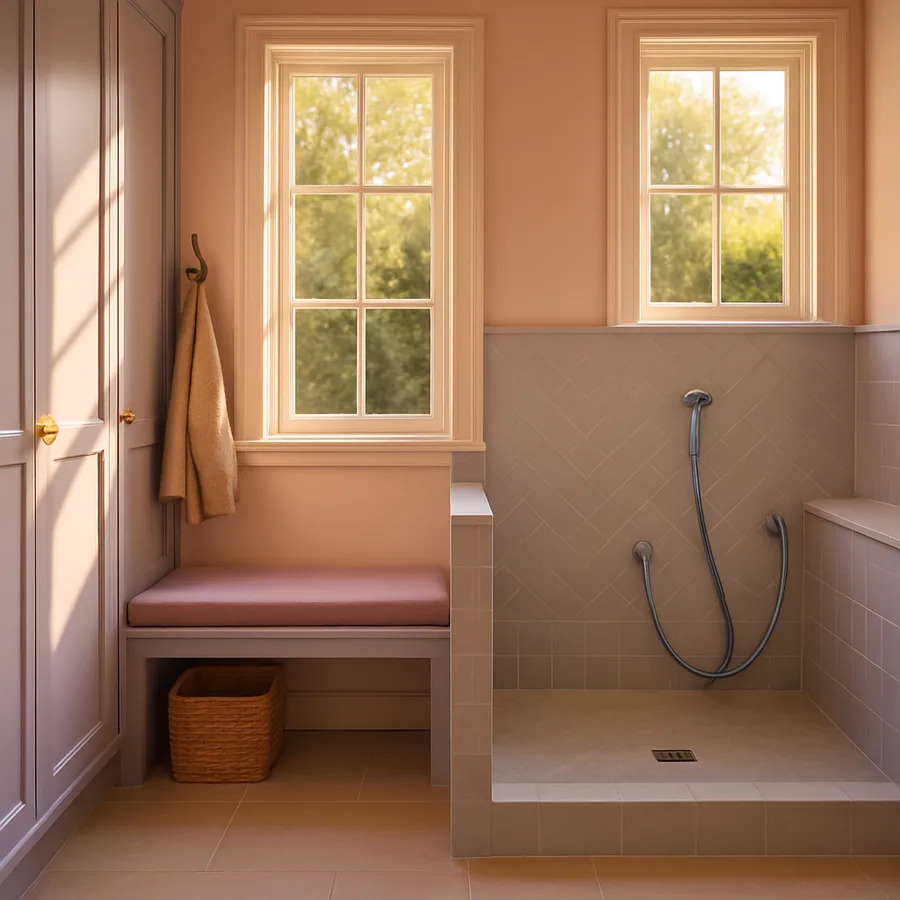
Bathing a muddy dog in the family bathtub is the kind of household event that nobody enjoys, least of all the dog. Water pools on the floor, hair clogs the drain, and the back-bending posture punishes anyone over forty. A dedicated dog wash station tucked into a mudroom solves all of these problems in one move, turning what was a quarterly ordeal into a five-minute routine that happens whenever the rain or the trail dictates.
What used to be a custom luxury feature in homes built around equestrian or sporting lifestyles has become a mainstream renovation request. Builders, designers, and homeowners are recognizing that a properly designed wash station pays dividends in cleanliness, convenience, and even resale value. This guide walks through every meaningful decision in planning and installing a built-in dog wash, from rough plumbing dimensions to material selection to the small ergonomic touches that separate a great installation from a merely functional one.
Why a Dedicated Station Beats the Tub Every Time
The case for a dedicated dog wash starts with ergonomics. A walk-in shower base or built-up tile pan raises the dog to a height where the bather can stand upright, eliminating the lower-back strain that comes from leaning over a standard bathtub. The American Animal Hospital Association notes that regular bathing supports skin health and helps detect lumps, hot spots, and parasites early, which means a comfortable setup encourages more consistent care.
The second case is logistical. A mudroom location intercepts the dog before mud, pollen, or saltwater enters the rest of the house. The space is typically already designed around easy-clean surfaces, drains, and proximity to the back door, all of which the wash station inherits for free. A well-placed station turns the post-walk routine into a single uninterrupted sequence: leash off, into the wash, rinse, towel, release. The dog learns the pattern within a few weeks and often begins to expect it.
Resale appeal is a quieter but real benefit. Real estate agents in pet-heavy markets, particularly the Pacific Northwest, Colorado, and the Carolinas, routinely highlight built-in dog washes in listings. While the National Association of Home Builders does not publish specific cost-recovery data for the feature, anecdotal feedback from agents suggests that a well-executed wash station resonates strongly with the roughly seventy percent of American households that own pets, broadening the buyer pool without alienating those who do not.
Choosing the Right Location and Footprint
Mudroom placement works best when three conditions align: proximity to an existing plumbing wall, access to a floor drain or a feasible drain run, and enough surrounding clearance for towels, shampoo storage, and the dog itself. The plumbing wall is the most important constraint because relocating a soil stack is expensive and disruptive. If the mudroom shares a wall with a laundry room or a half-bath, the rough-in becomes straightforward and affordable.
Footprint depends on the largest dog the household will ever own. For small breeds under thirty pounds, a wash basin of thirty inches by twenty-four inches is sufficient. For medium dogs in the thirty-to-sixty-pound range, plan on thirty-six by thirty inches. Large and giant breeds need at least forty-eight by thirty inches, with sixty by thirty being more comfortable for a dog that needs to turn around. Always size for the dog at full adult weight, not the puppy currently in the house, because the station will outlast several generations of pets.
Curb height is a frequently overlooked decision. A flush-with-the-floor curbless design works beautifully for older or arthritic dogs and large breeds that resist stepping over a barrier, but it requires a sloped subfloor and is best installed during new construction or a deep remodel. A six-inch curb contains splash effectively while still being easy for most dogs to step over. A raised platform style at twelve to eighteen inches eliminates bending entirely for the bather and works for small to medium breeds, but excludes giants and seniors who cannot step that high.
Plumbing Rough-In and Drain Specifications
The plumbing for a dog wash is similar to a small shower, with a few important adjustments. Hot and cold supply lines should terminate at a single mixing valve, ideally a pressure-balancing or thermostatic valve to prevent temperature swings when other fixtures are used elsewhere in the house. Set the thermostatic valve maximum to one hundred and one degrees Fahrenheit, which veterinary dermatologists recommend as the upper bound for canine bathing, slightly cooler than human comfort.
The drain is where most installations succeed or fail. A standard two-inch drain handles the volume but clogs quickly because dog hair forms tight mats that resist hair-catcher screens. The professional solution is a linear trench drain with a removable strainer, which captures hair across a larger surface area and is easier to clean than a point drain. Pair this with a dedicated hair interceptor, often a simple in-line trap with a clean-out, to prevent hair from reaching the main drain line where it can cause expensive blockages.
Vent the drain according to local plumbing code, which typically requires a vent within six feet of the trap and a stack vent through the roof. The American Society of Plumbing Engineers publishes detailed venting standards that licensed plumbers follow, and most jurisdictions inspect this work before allowing tile installation to proceed. Skipping the inspection is tempting on a small project but rarely worth the risk, because failed drainage shows up months later as standing water and slow drainage.
Surface Materials That Hold Up to Wet Dogs
The wash station environment is harsher than a typical shower because of repeated impact from claws, the weight of large dogs, and the constant cycling of soap, dirt, and water. Surface selection must account for slip resistance when wet, ease of cleaning, and resistance to staining from organic matter. Porcelain tile is the dominant choice and for good reason: it is essentially impervious to water, resistant to scratches, and available in textures that grip wet paws.
For the floor of the wash basin, specify tile with a Dynamic Coefficient of Friction rating of at least 0.42, which is the threshold the Tile Council of North America identifies for slip resistance in wet barefoot zones. Mosaic tiles in two-inch or smaller sizes work particularly well because the increased grout-line density adds traction. Avoid polished or honed tiles in the wash zone itself, regardless of how attractive they appear, because the slip risk for both dog and bather is significant.
For the walls, larger tiles reduce grout lines and clean more easily. Subway tile in three-by-six or four-by-twelve formats remains a popular and durable choice. Run the tile to a height of at least sixty inches above the basin floor, ideally seventy-two inches, to contain the spray pattern from a handheld sprayer. Use epoxy grout for the floor and water-resistant cement-based grout for the walls, sealed annually to maintain stain resistance against shampoos and dirt.
Fixtures, Sprayers, and Storage Integration
The single most-used fixture is the handheld sprayer, and quality varies dramatically. A dedicated pet sprayer with a long flexible hose, ideally six to eight feet, allows reach to every part of even a large dog without the bather having to reposition. Look for models with multiple spray patterns, including a gentle rain setting for the head and face and a stronger jet for muddy paws. Hardware brands that specialize in pet products tend to engineer hose lengths and spray angles more thoughtfully than generic shower fixtures, though a quality kitchen-style pull-down can also work well.
Storage integration prevents the wash station from becoming a cluttered corner. Build niches into the wall for shampoo, conditioner, and ear-cleaning supplies at a height that is convenient for the bather but inaccessible to the dog. A small tile shelf at chest height holds a brush and a treat container, the latter being essential for reinforcing calm behavior during baths. Hooks for towels and a leash should sit just outside the wash area so they remain dry.
Lighting matters more than most homeowners anticipate. Overhead recessed lights rated for wet locations provide general illumination, but adding a focused light at the end of the basin helps the bather inspect the dog's coat for parasites, hot spots, or matted areas. The American Veterinary Medical Association recommends visual inspection during regular grooming as a low-cost way to catch skin issues early, and good lighting is the simple foundation for that practice.
Cost, Timeline, and Permitting Realities
What does a built-in dog wash actually cost? The honest range is wide because the project touches plumbing, tile, electrical, and sometimes structural work. A modest installation in a new build or an existing mudroom with accessible plumbing typically runs between three thousand and seven thousand dollars. A more ambitious project with custom tile, premium fixtures, glass partitions, or significant plumbing relocation can climb into the twelve-thousand to twenty-thousand range. According to industry surveys collected by the National Association of Home Builders, kitchen and bath remodels in the same scale routinely fall in similar bands.
Timeline depends on scope. The plumbing rough-in usually takes one to two days, including inspection. Tile installation runs three to five days for the basin and surrounding wall, including dry time for thin-set and grout. Final fixture installation and finishing details add another day or two. Plan for two to three weeks of partial mudroom downtime, longer if the work coincides with other renovation activity in the same zone.
Permits are required almost universally because of the plumbing work. The exact requirements vary by jurisdiction, but at minimum a plumbing permit covers supply and drain modifications, and an electrical permit covers any added lighting or outlets. A licensed plumber and licensed electrician typically pull these permits as part of their contract. Skipping permits creates problems at resale because home inspectors flag unpermitted work, which can derail or discount a future sale. The investment in proper permitting is a small fraction of the project total and worth every dollar.
Conclusion
A built-in dog wash transforms one of the most disliked household chores into a routine that fits into daily life with minimal friction. The benefits compound over years: cleaner floors throughout the house, healthier coats and skin for the dogs, and a feature that signals real thought to anyone touring the home. The investment is real, but so is the return in convenience, hygiene, and quality of life for both pets and people.
The key to a successful project is sequencing the decisions correctly. Start with location and dog size, which together determine footprint and curb style. Move to plumbing capacity and drainage strategy, which dictate cost and complexity. Choose surface materials that prioritize slip resistance and cleaning ease over pure aesthetics. Specify quality fixtures, particularly the handheld sprayer and thermostatic valve, because these touchpoints define the daily experience of using the station for years to come.
How well does the wash station hold up over a decade of use? With quality materials and proper installation, very well indeed. The tile remains intact, the drain continues to flow with periodic cleaning, and the fixtures wear at roughly the same rate as those in any well-maintained shower. The dogs themselves come to recognize the space as a calm, predictable part of their routine, which makes bath time noticeably less stressful for everyone involved.
Ready to start planning? Begin by measuring the candidate mudroom space, photographing the existing plumbing wall, and listing the size and grooming needs of every dog the household has had or will have. Bring this information to a kitchen-and-bath designer or a contractor with documented dog-wash experience, and request a written scope with a clear cost breakdown before committing.
For additional design and health considerations, consult resources published by the American Animal Hospital Association, design guidance from the National Kitchen and Bath Association, and project planning templates available through the National Association of Home Builders, all of which address pet-specific renovation considerations.
More Articles You May Like



Comments
Post a Comment