Linen Slipcovered Sofas for Easy Wash and Replace Living
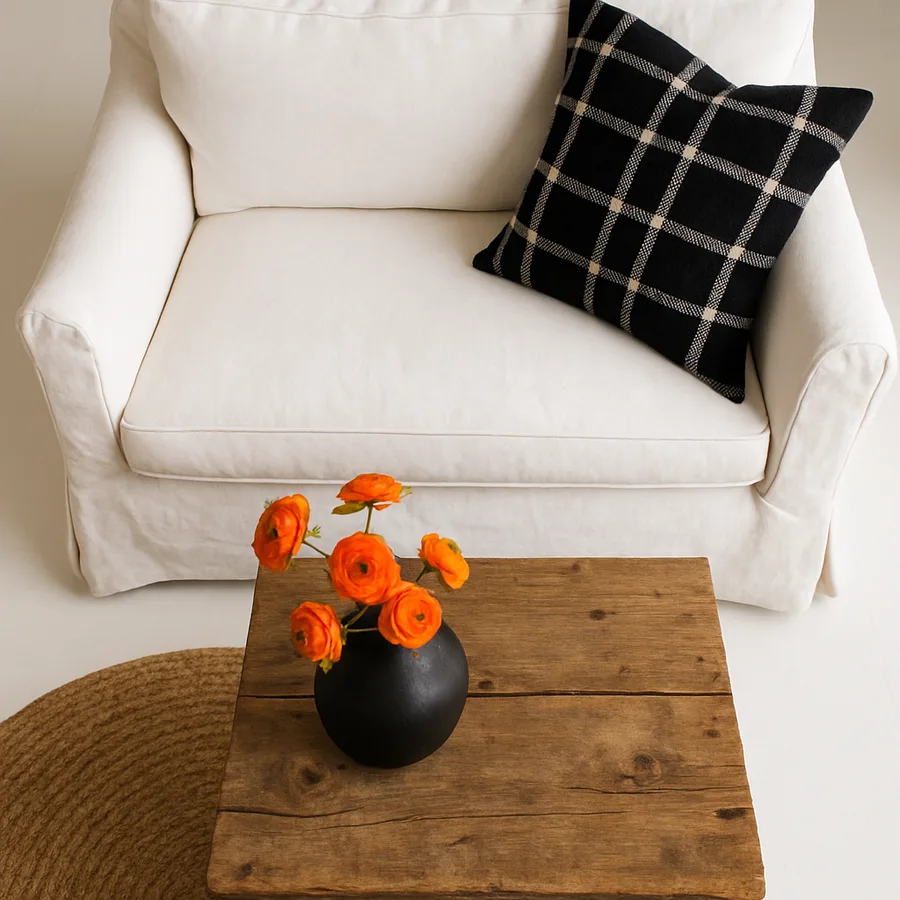
Slipcovered linen sofas occupy a quietly radical position in contemporary furniture: they assume from the start that the upholstery will get dirty, that the dirt is not a tragedy, and that the solution is not professional cleaning but a washing machine and a Sunday afternoon. That assumption rewires almost everything about how you live with the piece. You stop policing the cushions, you stop layering protective throws, you stop white-knuckling every glass of red wine. You also gain the option to refresh the entire sofa visually by buying a new slipcover in five years, which is the single most underrated economic feature in the upholstery category.
This guide is for anyone considering a slipcovered linen sofa for a real, lived-in household: families with children and pets, couples who actually entertain, people whose furniture sees daily use rather than ceremonial appearance. The right slipcovered sofa, chosen carefully and washed thoughtfully, can serve a household for fifteen or twenty years through multiple aesthetic reinventions. The wrong one becomes a baggy, off-fitting disappointment within two seasons. The differences are concrete and learnable, and almost all of them come down to fabric quality, fit engineering, and the specific care routine you commit to from day one.
Why Linen Works Particularly Well as a Slipcover
Linen is one of the oldest upholstery fibers in continuous use, and its properties make it almost ideal for the slipcover format. The fiber comes from the stalk of the flax plant, processed into yarns that are stronger than cotton, more breathable than synthetics, naturally moisture-wicking, and tolerant of repeated washing in a way few natural fibers can match. A well-woven linen slipcover can survive fifty or more washing cycles before the fabric itself begins to thin, which translates to roughly a decade of weekly washes if you live with it that aggressively. Most owners will never push the cover that hard, which means the practical lifespan extends well beyond the lifespan of the frame underneath.
Linen also looks better with use, which is a property few upholstery fabrics can claim. The fabric softens with each wash, develops a relaxed drape that flatters the silhouette underneath, and gains the rumpled, casual character that defines the European country aesthetic that originated the slipcover style. The wrinkles that show up after every wash are not a bug, they are a defining visual feature, and trying to iron them out completely undermines the entire look. Architectural Digest coverage of casual coastal and farmhouse interiors leans heavily on linen slipcovers precisely because the fabric reads relaxed in a way crisp upholstery never can.
The fiber's natural color range adds another layer of practicality. Undyed linen ranges from pale ivory through warm oatmeal to soft greige, all of which hide minor surface soiling between washes far better than crisp whites or saturated colors. Many slipcover specialists offer pre-washed and pigment-dyed linens that have been color-set and shrink-stabilized at the mill, removing two of the three traditional risks of washing linen at home (color bleeding and unexpected shrinkage). Confirming whether your slipcover comes pre-washed is one of the first questions to ask any vendor.
Fit Engineering That Survives Washing
The biggest differentiator between great slipcovered sofas and mediocre ones is the engineering of the cover itself. A well-engineered slipcover fits the frame snugly, has reinforced seams in stress areas, places ties and cinches strategically to prevent sag, and uses gussets at corners to maintain shape after repeated washing. A poorly engineered slipcover hangs loosely from purchase, develops permanent baggy zones within months, and looks more disheveled with every wash rather than better.
Look for these specific construction details when shopping. French seams or double-stitched seams resist unraveling far better than single-stitched seams in a washing machine. Reinforced stress points at corners, arm fronts, and back deck pleats prevent the fabric from giving way at the spots where the cover gets pulled hardest during fitting. Hidden ties behind cushions and at the back edge let you cinch the fit after washing without compromising the visual cleanness of the cover. Generous seam allowances (at least one centimeter, ideally one and a half) accommodate the small but real shrinkage that occurs across many wash cycles, which would otherwise pull the cover too tight on the frame.
Two-piece versus three-piece versus single-piece slipcover construction matters too. A single-piece slipcover (one large cover with separate cushion covers) is easier to remove and wash but tends to look bulkier on the frame. A multi-piece slipcover (separate sections for the body, arms, back, and cushions) fits more precisely but requires longer reassembly after washing. For most real-life households, a moderate construction with three or four pieces (body, two arms, separable cushions) hits the sweet spot of clean appearance and manageable washing logistics. Have you actually examined the construction of any slipcover you are considering, beyond the showroom photos? Request a video walkthrough or visit a showroom in person before committing.
The Washing Routine That Preserves the Cover
The washing protocol you adopt in the first six months will determine how the slipcover ages over a decade. Linen rewards gentle, consistent care and punishes aggressive shortcuts. The right routine is straightforward but specific: cool water, mild detergent, low-spin cycle, and either line drying or low-heat tumbling with immediate replacement on the sofa while still slightly damp. That last step is the secret most owners miss.
Cool water (not cold, not hot) extracts soil effectively without setting protein-based stains and without accelerating dye fade in colored linens. Mild detergent free of bleach, brighteners, and fabric softeners protects the fiber and prevents residue buildup that can yellow undyed linens over time. A delicate-cycle wash with low spin reduces mechanical stress on the seams and prevents the kind of aggressive crumpling that creates permanent wrinkle creases. House Beautiful has covered linen-care best practices repeatedly, and the consistent advice from textile conservators and upholstery makers alike is to err on the side of gentleness in every parameter.
The replacement-while-damp step is what produces the right wrinkle pattern. If you let the slipcover dry completely off the frame, the wrinkles set in random patterns that fight the silhouette of the sofa and create odd lumps where the cover sits unnaturally. If you put the cover back on the frame while it still holds twenty to thirty percent moisture, the cover dries in the shape of the frame, with wrinkles that follow the natural fold lines of the construction. The result reads as elegant relaxation rather than careless rumple, and the cover holds that drape until the next wash.
Industry data from the American Home Furnishings Alliance suggests that proper washable upholstery routines can extend the visual freshness of a slipcovered sofa by three to four times compared with covers that are washed inconsistently or with the wrong settings. Combined with the lower cost of a slipcover replacement (typically twenty to thirty percent of the cost of reupholstering a fixed-cover sofa), the lifetime economics of the slipcovered category are difficult to beat.
Living With the Cover Day to Day
The biggest behavioral shift for new slipcover owners is mental rather than practical: learning to relax around the sofa rather than protecting it. The whole point of a washable cover is that mishaps are recoverable, but it takes most households a few months to actually internalize that. Children with juice boxes, dogs with muddy paws, friends with red wine, and the occasional pen-leak-in-the-cushion are all events the slipcover is engineered to absorb. Pulling the cover off, washing it, and replacing it the next day is the entire response, and over time it becomes routine.
Develop a rhythm that fits your household. Many owners settle on a quarterly full wash of all components, supplemented by spot washing of individual pieces as accidents occur. Others wash one cushion cover monthly on a rotation, keeping the overall freshness consistent without ever facing the larger task of washing the whole cover at once. Either approach works; the wrong approach is no rhythm at all, which leads to letting accumulated soil set into the fabric and become harder to remove.
Spot care between washes is simple but should be immediate. Keep a clean white cloth and a small bottle of mild detergent solution within reach of the sofa, and treat any spill within the first two minutes by blotting (not rubbing) with the cloth. For most water-based spills, a brief blot followed by a rinse with cool water is sufficient. For oil-based spills, sprinkle the area with cornstarch first to absorb the oil, leave for an hour, then vacuum and proceed with detergent. The faster the response, the less likely the spill will require a full cover wash.
Choosing Color and Texture for Long-Term Living
Color choice on a slipcover follows different logic than color choice on a fixed-cover sofa, because the entire cover is replaceable. You can make a more adventurous color choice on a slipcover knowing that a second cover in a different color is a future option, but you can also make an extremely safe color choice and trust that the visual energy of linen's texture will keep the piece feeling alive without color drama. Both strategies have merit; the wrong move is to pick a high-saturation color in the slipcover format and assume you will never want a different one.
For the foundational cover (the one that will live on the sofa most of the time), the long-aging palette is exactly what you would expect: undyed natural, oatmeal, warm white, mushroom, smoky gray, and the increasingly popular range of stone-washed earth tones. These colors hide soil between washes, photograph beautifully in natural light, and pair effortlessly with any wood, paint, and rug palette you might commit to over the years. The American Society of Interior Designers has noted that neutral linen slipcovers consistently rank among the most flexible long-term upholstery investments in their member surveys.
For seasonal or accent slipcovers (the ones you swap in for visual variety), color discipline relaxes considerably. A warm rust slipcover for autumn months, a soft sage for spring, or a deep navy for winter entertaining can transform the visual register of an entire room without any other furniture changes. Vendors like Bemz, Comfort Works, and Maison de Vacances offer custom slipcovers in dozens of colorways for popular sofa frames, and the cost per cover often falls between two hundred and eight hundred dollars depending on size and fabric. Compared with the cost of replacing an entire upholstered sofa, the math favors slipcover swaps for any household interested in seasonal change.
Frame and Cushion Considerations Underneath
A slipcover is only as good as the frame it covers. Because slipcovers visually drape over the underlying construction rather than being permanently attached to it, the frame's silhouette and proportions show through every choice. A graceful frame supports a graceful slipcover; a clunky frame makes even a perfect slipcover look like a fitted sheet on the wrong mattress. Look for frames with clean, classic silhouettes that have aged well in furniture history: roll-arm English frames, square-arm modular frames, low-profile mid-century frames. Avoid heavily ornamented frames where the cover will fight the underlying form.
Cushion construction matters even more for slipcovered sofas than for fixed-cover ones, because cushion failure shows immediately through a relaxed cover. Insist on high-density foam (at least 2.0 lb/ft³ for daily-use seats) wrapped in a layer of down or down-alternative for surface softness. Loose, reversible cushions extend the life of the entire piece dramatically by allowing rotation and individual replacement. Tight cushion attachments compromise the slipcover's washability because individual sections cannot be removed and washed separately.
Examine the frame underneath any slipcovered sofa you are considering with the same scrutiny you would apply to a fixed-cover piece. Kiln-dried hardwood, corner blocks glued and screwed, eight-way hand-tied or quality sinuous springs, and a reasonable warranty on the frame (at least five years) are the foundation of a piece that will outlast multiple slipcover replacements. Are you prioritizing the cover question over the frame question, or have you given the bones the attention they deserve? The cover is the visible decision, but the frame is the structural one.
Conclusion
Slipcovered linen sofas reward households that are willing to embrace the casual aesthetic and the washing routine that comes with it. They are not the right choice for every home, particularly homes that prize crisp formality or that have no patience for occasional rumpled appearances between washes. But for the majority of real, lived-in households, a well-chosen slipcovered sofa is one of the most practical and economically sustainable upholstery decisions available, with a flexibility of refresh that no fixed-cover piece can match.
The path to a sofa you love for fifteen years is straightforward: choose a frame with proven long-aging silhouette and quality construction, choose a slipcover with engineering details that survive repeated washing, commit to a gentle washing routine from the first cycle, embrace the casual visual register that defines the category, and consider seasonal slipcover swaps as a low-cost way to refresh the room over time. None of these decisions is difficult, but together they distinguish the households that genuinely live with their sofas from the ones that fight against them.
If you are ready to commit, take one concrete next step this week: identify two or three frames you find structurally appealing, request memo samples of the slipcover linens you are considering, and run one of those samples through a wash cycle in your own machine before you order. The way the fabric behaves in your specific water hardness, your specific detergent, and your specific dryer is information no showroom can give you, and a five-dollar swatch test now can save a four-thousand-dollar regret later. The right slipcovered sofa is waiting; choose it with the same patience you intend to live with it, and it will return that patience for many years to come.
More Articles You May Like



Comments
Post a Comment