Why Sage Green is the Must-Have Color for Modern Home Interiors
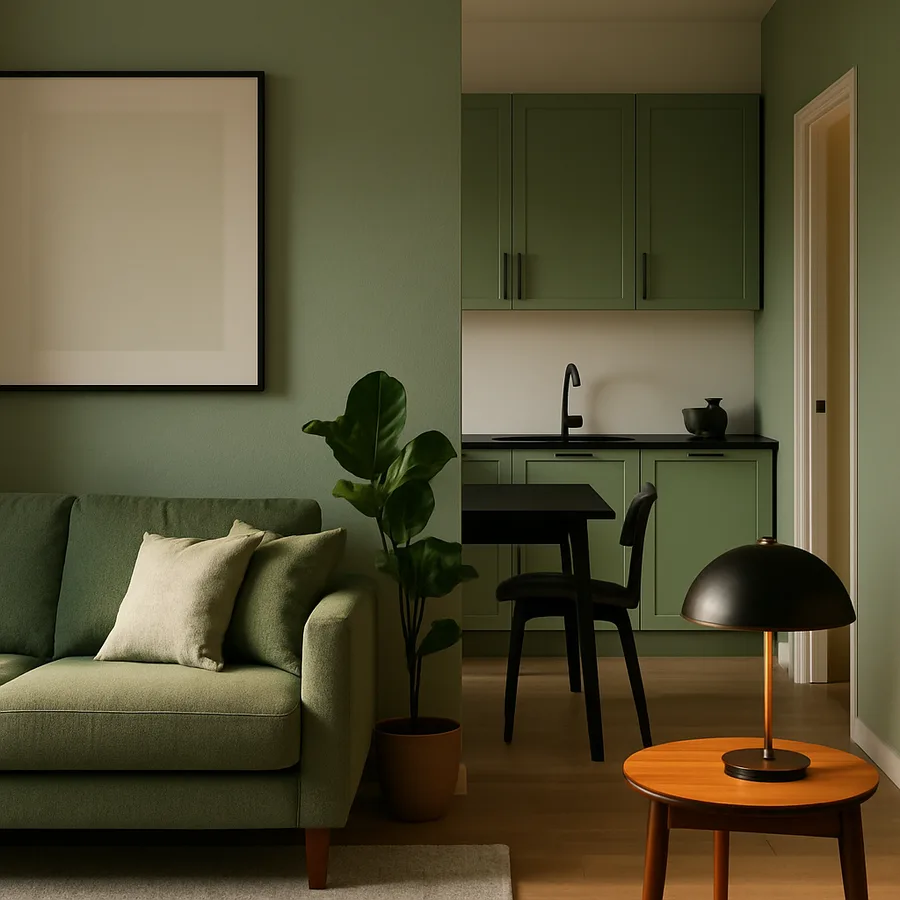
In the ever-evolving landscape of interior design, certain colors transcend seasonal trends and establish themselves as enduring staples of the design vocabulary. Sage green has firmly achieved this status, becoming the defining color of modern residential interiors with a reach and influence that few other hues can match. The American Society of Interior Designers (ASID) has documented a sustained and accelerating demand for sage green specifications across residential projects nationwide, noting that this color now appears in client mood boards more frequently than any other non-neutral shade. The reasons for sage green's dominance are multifaceted, encompassing its psychological impact, its extraordinary versatility, and its deep alignment with the contemporary emphasis on wellness, sustainability, and connection to the natural world. This article examines why sage green has earned its must-have status and how it can elevate your own home interiors to new heights of sophistication and comfort.
Understanding sage green's appeal requires first appreciating its unique position within the color spectrum. Unlike vivid emerald or electric lime, sage green is a desaturated, grey-infused green with warm undertones that position it closer to a neutral than a true color statement. This liminal quality is precisely what makes sage green so powerful in interior applications. It can function as a primary wall color without overwhelming a room, as an accent that adds depth without disrupting an existing palette, or as a unifying thread that ties disparate design elements into a cohesive whole. The National Council for Interior Design Qualification (NCIDQ) highlights color theory as a foundational competency for interior designers, and professionals who have mastered this discipline consistently identify sage green as one of the most adaptable and forgiving colors available to the modern practitioner.
The cultural context surrounding sage green's rise is equally significant. As homeowners increasingly prioritize mental health, environmental consciousness, and authentic living, the colors they choose for their homes have become a reflection of these values. Sage green communicates calm intentionality, ecological awareness, and a sophisticated rejection of disposable trend-chasing. It tells visitors that the inhabitants of a space value quality, thoughtfulness, and connection to something larger than the latest design magazine cover. According to Houzz's annual Home Design Predictions report, 67% of surveyed homeowners described their design goals as centered on creating a "sanctuary" or "retreat," and sage green's association with natural landscapes, herbal gardens, and peaceful meadows makes it the chromatic embodiment of this aspiration. Have you considered what your home's color palette communicates about your values and priorities?
The Psychology Behind Sage Green's Universal Appeal
The psychological effects of color on human emotion and behavior have been studied extensively, and green consistently emerges as the most universally positive color in the spectrum. Research conducted at major universities and cited by the International Interior Design Association (IIDA) demonstrates that exposure to green environments reduces cortisol levels, lowers blood pressure, and promotes a state of relaxed alertness that is ideal for both rest and focused activity. Sage green, with its muted, mature quality, amplifies these benefits by avoiding the stimulating brightness of Kelly green or the heavy somberness of forest green. It occupies a psychological sweet spot that is calming without being soporific, refreshing without being energizing, and sophisticated without being cold. This balance is extraordinarily difficult to achieve with other colors and represents one of sage green's most compelling advantages for interior application.
The warmth inherent in sage green's grey-green composition contributes significantly to its psychological effectiveness in residential spaces. Pure greens can sometimes feel clinical or institutional, evoking associations with hospitals, schools, or government buildings. Sage green's warm undertone eliminates this risk entirely, instead creating associations with organic, hand-crafted, and artisanal environments. ASID research on color preferences in residential settings has found that homeowners consistently rate warm-toned greens as significantly more inviting, comfortable, and "homey" than cool-toned greens of equivalent saturation and value. This finding has practical implications for designers and homeowners alike: when selecting a sage green for your home, gravitate toward formulations with yellow or golden undertones rather than blue undertones, as these warmer versions will create a more welcoming atmosphere across a wider range of lighting conditions.
Perhaps most remarkably, sage green's psychological appeal crosses demographic boundaries in ways that few other colors can claim. Men and women rate sage green equally positively in preference studies, making it an excellent choice for shared spaces where both partners' tastes must be accommodated. It reads as neither masculine nor feminine, neither youthful nor aged, neither casual nor formal. The NCIDQ curriculum includes extensive discussion of color perception across different populations, and sage green's broad appeal makes it a reliable recommendation for designers working with diverse client groups. This universality extends to cultural contexts as well, as green carries positive associations in virtually every world culture, symbolizing growth, renewal, prosperity, and harmony. For a globalized world in which homes increasingly reflect multicultural sensibilities, sage green offers a color choice that transcends borders and resonates with shared human values.
Sage Green as the Foundation for Modern Minimalism
Modern minimalist design, characterized by clean lines, uncluttered spaces, and intentional material choices, has found an ideal chromatic partner in sage green. The traditional minimalist palette of white, black, and grey, while undeniably elegant, can sometimes feel sterile or unwelcoming, particularly in residential settings where warmth and comfort are essential. Sage green introduces color to the minimalist vocabulary without disrupting its fundamental principles of restraint and simplicity. A single sage green wall in an otherwise white room adds depth, character, and visual warmth while maintaining the clean, uncluttered aesthetic that defines the style. The IIDA has observed that many contemporary minimalist projects now incorporate a single "living" color alongside the standard neutral palette, with sage green being the most frequently selected option for this role.
The material palette of modern minimalism aligns remarkably well with sage green's aesthetic character. Concrete, steel, glass, and light-toned wood, the foundational materials of minimalist interiors, each interact with sage green in distinctive and flattering ways. Against raw concrete, sage green introduces organic softness that tempers the industrial quality of the surface. Alongside brushed steel or matte black metal, sage green provides a natural complement that prevents metallic elements from feeling cold or impersonal. With light oak or ash wood, sage green creates a Scandinavian-inspired freshness that has become one of the most popular and enduring interior design combinations globally. Houzz reports that the combination of sage green paint with light wood furniture and black metal accents is among the top five most-saved design combinations on its platform, demonstrating the powerful appeal of this particular material and color relationship.
For those pursuing a minimalist aesthetic in their homes, sage green offers the additional advantage of requiring very few complementary colors to create a complete and satisfying palette. A minimalist sage green scheme might consist of sage green walls, white trim and ceiling, natural wood flooring, and black or brass hardware, with no additional accent colors needed. This simplicity of palette is inherently minimalist and reduces the decision fatigue that often accompanies interior design projects. The ASID recommends limiting residential color palettes to three to five colors for maximum cohesion, and a sage green-anchored minimalist scheme easily achieves this goal while delivering visual richness that far exceeds what its limited color count might suggest. Does the idea of a simpler, more focused color palette appeal to you? Sage green might be the single color addition that transforms your minimalist space from austere to inviting.
Versatility Across Every Room in the Home
One of sage green's most remarkable qualities is its ability to function beautifully in every room of the house, adapting its character to suit the specific purpose and atmosphere of each space. In the kitchen, sage green cabinetry creates a warm, inviting culinary environment that encourages lingering conversation and leisurely meal preparation. In the bedroom, sage green walls and textiles promote restful sleep and peaceful morning transitions. In the bathroom, sage green tiles and accessories evoke the serenity of a professional spa. In the home office, sage green provides the calm focus that supports productive work without the monotony of standard neutral tones. Few colors can make this claim convincingly, and sage green's room-by-room versatility is a significant factor in its must-have status among contemporary designers and homeowners.
The NCIDQ examination tests designers on their ability to select appropriate colors for specific room functions, reflecting the professional understanding that color choice should be informed by how a space will be used. Sage green excels in this functional analysis because its psychological effects, namely stress reduction, enhanced focus, and emotional balance, are universally beneficial regardless of room purpose. A Houzz poll of interior designers found that 73% had recommended sage green for at least three different room types within the same project, confirming its cross-functional versatility in professional practice. This means that homeowners who adopt sage green can create a cohesive color narrative throughout their home without the monotony that would result from repeating a more assertive color in every room. Sage green in the kitchen reads differently from sage green in the bedroom, which reads differently from sage green in the bathroom, because the color interacts uniquely with the materials, lighting, and furnishings specific to each space.
This room-to-room versatility also has practical financial implications for homeowners undertaking whole-house renovations or new constructions. By selecting sage green as a foundational color, homeowners can purchase paint, textiles, and accessories in coordinated tones, often qualifying for volume discounts and reducing the complexity of sourcing multiple distinct color palettes for different rooms. ASID project management guidelines emphasize the importance of establishing a whole-house color strategy early in the design process, and sage green's adaptability makes it an ideal anchor for such a strategy. The result is a home that feels intentionally designed, with a sense of flow and continuity that extends from the entry hall to the master suite, united by a color that enhances every space it touches while respecting the unique character and purpose of each room.
Pairing Sage Green with Materials and Textures
The magic of sage green in interior design is amplified enormously by its interactions with different materials and textures. Understanding these pairings is essential for anyone seeking to maximize the color's impact in their home. Natural wood, in virtually any species and finish, forms perhaps the most intuitive and successful partnership with sage green. The warm browns and golds of oak, walnut, maple, and teak echo the organic origins that sage green evokes, creating a combined effect that feels deeply connected to the natural world. The IIDA's material library, a comprehensive resource used by design professionals worldwide, catalogs hundreds of wood-and-color combinations, and sage green with natural wood consistently ranks among the highest-rated pairings for residential applications based on professional evaluations of aesthetic quality, client satisfaction, and longevity.
Metal finishes represent another critical material partnership for sage green interiors. Brass, both polished and brushed, creates a warm, luxurious contrast that elevates sage green from earthy to elegant. This combination has historical roots in Georgian and Victorian-era interiors, where green-painted rooms frequently featured brass fittings, candlesticks, and decorative hardware. The contemporary revival of this pairing reflects a broader trend toward historically informed design choices that connect modern spaces to enduring aesthetic traditions. Matte black metal offers a more contemporary alternative, providing sharp, graphic contrast against sage green's softness that is particularly effective in modern and industrial-style interiors. Copper and rose gold introduce warmer, more romantic tones that complement sage green's undertones beautifully, while chrome and polished nickel create a cooler, more contemporary effect. ASID color consultants recommend experimenting with multiple metal finishes in a single room to create layered visual interest, and sage green's neutrality makes it an accommodating backdrop for mixed-metal schemes.
Textile textures add the final dimension to sage green interior schemes, transforming flat color into rich, sensory environments. Velvet sage green absorbs and reflects light in ways that create a constantly shifting, dynamic surface, adding depth and luxury to furniture and window treatments. Linen sage green offers a casual, relaxed quality that is perfect for curtains, slipcovers, and bedding in coastal, farmhouse, or Scandinavian-inspired spaces. Wool and boucle in sage green tones provide tactile warmth and visual weight that ground a room and create an inviting sense of coziness. Houzz's texture trend analysis indicates that multi-texture rooms, spaces that combine three or more distinct textile textures in a coordinated color family, receive 40% more saves and likes than single-texture rooms, suggesting that homeowners are increasingly drawn to the sensory richness that thoughtful texture mixing provides. What textures are currently present in your home, and how might introducing sage green in a contrasting texture elevate your existing design?
Sustainability and the Sage Green Movement
The rise of sage green in interior design is inextricably linked to the broader cultural movement toward environmental sustainability and conscious consumption. As homeowners become more aware of the ecological impact of their design choices, colors that communicate environmental values have gained significant market share. Sage green, with its unmistakable connection to plant life, herbal gardens, and natural landscapes, serves as a visible signal of ecological consciousness that extends beyond mere aesthetics. The IIDA's Design for Sustainability initiative has documented a strong correlation between the adoption of nature-inspired color palettes and the selection of environmentally responsible materials, suggesting that sage green often functions as a gateway color that leads homeowners toward more holistic sustainable design practices.
The practical intersection of sage green and sustainability manifests in the growing availability of eco-friendly paint formulations in this popular shade. Major paint manufacturers now offer zero-VOC and low-VOC sage green options that eliminate harmful chemical emissions during and after application, protecting both indoor air quality and the broader environment. Several manufacturers have gone further, developing paint lines made from recycled materials, natural pigments, or plant-based binders, with sage green prominently featured in their collections. ASID's sustainable design resources guide homeowners toward these environmentally responsible options, emphasizing that choosing an eco-friendly paint does not require sacrificing color quality, coverage, or durability. In fact, many professionals report that natural-pigment sage green paints produce a richer, more nuanced color than their synthetic counterparts, as the organic pigments create subtle variations in tone that synthetic colorants cannot replicate.
Beyond paint, the sustainability narrative extends to sage green furnishings, textiles, and accessories. The market for sustainably produced home textiles has expanded dramatically, and sage green is among the most commonly available colors in organic cotton, recycled polyester, and ethically sourced wool product lines. Vintage and antique furniture, inherently sustainable choices that divert items from landfills and reduce demand for new manufacturing, pairs exceptionally well with sage green walls and accessories, as the color's timeless quality complements the patina and character of aged pieces. The NCIDQ sustainability module teaches designers to evaluate the lifecycle environmental impact of every specification, and sage green's enduring appeal, its resistance to trend obsolescence, represents a form of sustainability in itself. A sage green room that remains beautiful and relevant for a decade or more generates far less waste and consumption than a trendy color that demands replacement every few seasons. Is sustainability a priority in your design decision-making? Sage green offers a rare opportunity to align your aesthetic preferences with your environmental values seamlessly.
Conclusion: Embracing the Sage Green Revolution
The evidence is compelling and multifaceted: sage green has earned its position as the must-have color for modern home interiors through a combination of psychological potency, design versatility, material compatibility, and cultural resonance that few other colors can match. From its ability to reduce stress and promote sleep, to its seamless integration with minimalist and maximalist design philosophies alike, to its alignment with sustainability values and biophilic design principles, sage green addresses the full spectrum of contemporary homeowner priorities. The endorsement of this color by ASID, IIDA, NCIDQ, and Houzz professionals provides additional confidence that sage green is not a fleeting trend but an enduring element of the design lexicon that will continue to deliver beauty, comfort, and value for years to come.
As you consider your own home's design trajectory, the question is not whether sage green deserves a place in your interiors but how to implement it in a way that best serves your specific needs, preferences, and lifestyle. Begin by identifying the room that would benefit most from sage green's calming, sophisticated presence, and experiment with paint samples, fabric swatches, or small accessories before committing to larger investments. Consult with ASID-certified or NCIDQ-qualified designers if you desire professional guidance, and explore the vast library of sage green inspiration available on Houzz and similar platforms. Remember that the most beautiful interiors are those that evolve organically over time, reflecting the growth and changing tastes of their inhabitants.
The sage green revolution is not about following a trend; it is about discovering a color that aligns with how you want to live, feel, and experience your home. Take the first step today by bringing a sage green paint sample home and holding it against your walls in morning, afternoon, and evening light. Notice how the color shifts and breathes with the changing conditions, and imagine the transformation it could bring to your daily experience of home. Share your sage green aspirations and achievements with fellow design enthusiasts, and join a growing community of homeowners who have discovered that the most powerful changes sometimes come in the quietest, most understated shades.
More Articles You May Like



Comments
Post a Comment