Sustainable Interior Design Ideas: Create a Green and Stylish Space
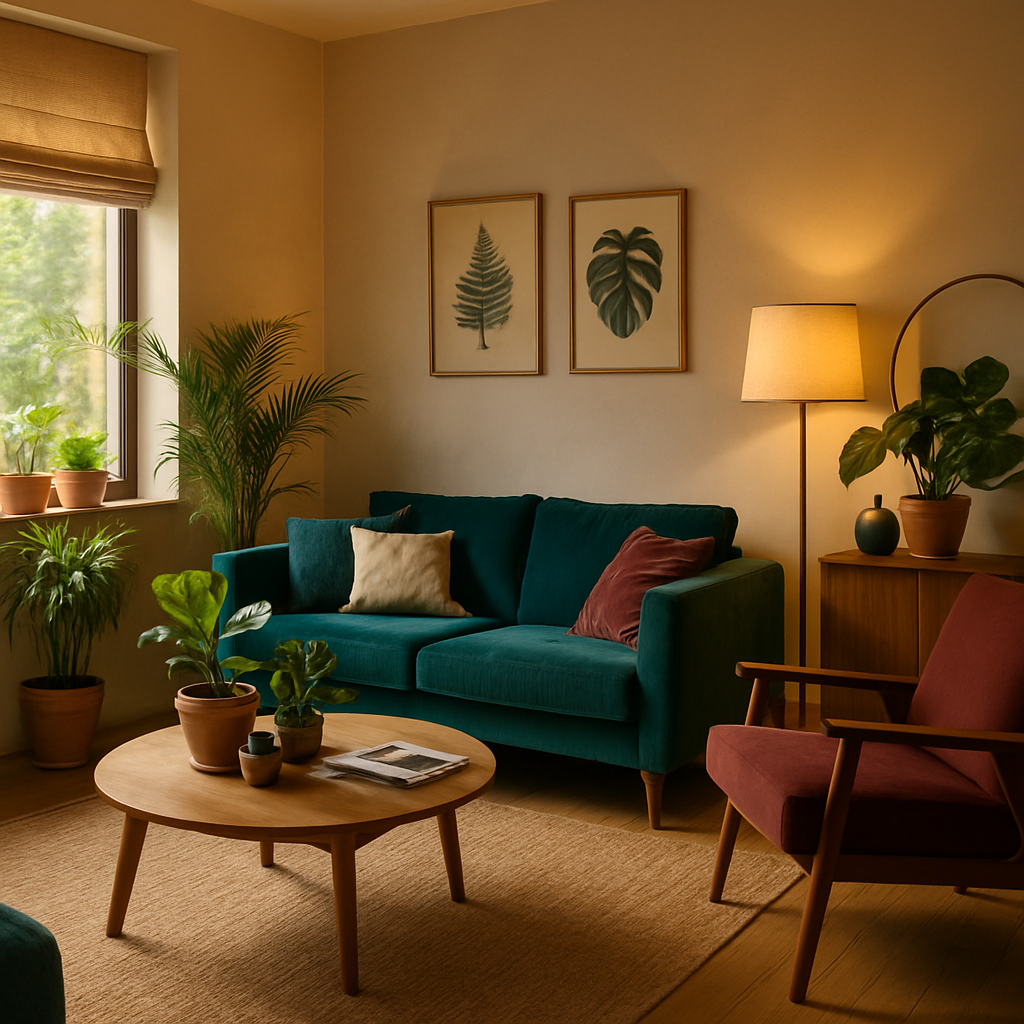
Sustainable interior design has evolved far beyond the crunchy, granola aesthetic that many people still associate with eco-friendly living. The most sophisticated design professionals working today demonstrate that environmental responsibility and visual elegance are not competing priorities but natural allies. When you select materials for their durability, authenticity, and minimal environmental impact, you inevitably gravitate toward the same natural substances, artisan craftsmanship, and timeless aesthetics that define the most admired interiors in the world. The American Society of Interior Designers (ASID) reports that client demand for sustainable design solutions has increased dramatically in recent seasons, with a majority of design firms now considering sustainability a core competency rather than a niche offering. According to the World Green Building Council, buildings account for nearly 40 percent of global carbon emissions, making interior material choices a genuinely consequential environmental decision. This guide provides actionable ideas for creating spaces that are as kind to the planet as they are beautiful to inhabit. Are you ready to align your home with your values without compromising on style?
Choose Reclaimed and Recycled Materials With Character
Reclaimed materials offer a sustainability advantage that no newly manufactured product can match: they require zero virgin resource extraction and divert waste from landfills while delivering aesthetic character that takes decades to develop naturally. Reclaimed wood, salvaged from old barns, warehouses, factories, and decommissioned ships, brings a patina of age and history that enriches any interior with warmth and narrative. Each board carries unique marks of its previous life, including nail holes, saw marks, weathering patterns, and color variations that are impossible to replicate artificially. Professional designers increasingly specify reclaimed wood for flooring, accent walls, ceiling beams, shelving, and custom furniture, recognizing that its environmental credentials and visual distinction serve both sustainability goals and client expectations for distinctive, high-quality interiors.
Beyond wood, the market for reclaimed and recycled interior materials has expanded dramatically. Recycled glass countertops and tiles offer vibrant color options and unique visual textures while diverting post-consumer glass from waste streams. Reclaimed brick, whether used as an exposed wall surface or as flooring, provides thermal mass that moderates interior temperatures naturally while connecting a space to architectural traditions that span centuries. Recycled metal fixtures, hardware, and decorative elements reduce the mining and smelting impacts associated with virgin metal production. Even textiles have entered the reclaimed economy, with innovative manufacturers creating upholstery fabrics and rugs from recycled plastic bottles, reclaimed fishing nets, and post-industrial textile waste. The NCIDQ examination now includes sustainability knowledge as a core competency, reflecting the profession's recognition that material stewardship is an essential design skill.
Sourcing reclaimed materials requires more effort than ordering from a standard catalog, but the rewards justify the investment. Architectural salvage yards, demolition contractors, and specialized reclaimed material dealers are the primary sources, and developing relationships with reliable suppliers is a valuable long-term asset. Online platforms have simplified access to reclaimed materials for homeowners who prefer to source directly. When evaluating reclaimed materials, assess structural integrity, verify that treatments and finishes are free of harmful chemicals such as lead paint, and ensure dimensional consistency is adequate for your application. The slight imperfections and variations inherent in reclaimed materials are features rather than flaws, contributing to the authentic, lived-in quality that makes sustainable interiors so compelling. Working with a designer experienced in reclaimed material specification can save significant time and prevent costly mistakes during installation.
Prioritize Low-VOC and Non-Toxic Finishes
Indoor air quality is one of the most important and least visible dimensions of sustainable interior design. Conventional paints, adhesives, sealants, and finishes release volatile organic compounds into interior air for months or even years after application, contributing to a phenomenon known as sick building syndrome. These emissions can cause headaches, respiratory irritation, fatigue, and long-term health effects that most occupants never trace to their interior finishes. The solution is straightforward: specify low-VOC or zero-VOC alternatives for every painted surface, adhesive joint, and sealed finish in your home. Major paint manufacturers now offer extensive low-VOC product lines with color ranges and performance characteristics that match or exceed their conventional counterparts, eliminating any meaningful trade-off between air quality and aesthetic options.
The commitment to non-toxic finishes extends beyond paint to encompass every applied surface in your interior. Wood finishes, including stains, lacquers, and sealants, are available in water-based, low-emission formulations that provide durable protection without off-gassing harmful chemicals. Natural oil finishes derived from linseed, tung, and other plant sources offer a beautiful, food-safe alternative for wood surfaces, particularly in kitchens and on furniture that children touch frequently. Adhesives used for flooring installation, wallpaper application, and millwork assembly are available in low-VOC formulations from all major manufacturers. Even carpet and pad systems have evolved, with many manufacturers offering products certified under the Carpet and Rug Institute Green Label Plus program, which sets rigorous emission limits. The International Interior Design Association (IIDA) includes indoor air quality in its sustainability guidelines, underscoring the profession's commitment to occupant health as a design priority.
Implementing a non-toxic finish strategy does not require specialized knowledge or premium budgets, but it does require intentionality. When hiring painters or contractors, specify low-VOC products in your written agreements and verify that the products delivered to your project match the specification. Read labels carefully, as marketing terms like "natural" and "eco-friendly" are not regulated and may not indicate low emissions. Look instead for third-party certifications such as Greenguard Gold, which independently verifies that products meet stringent chemical emission limits. For maximum air quality benefit, ensure adequate ventilation during and after any painting or finishing work, and consider portable air purifiers with activated carbon filters during the initial off-gassing period. These precautions are simple, inexpensive, and profoundly effective at protecting the health of everyone who lives in your home. Have you checked the VOC ratings of the paints and finishes currently on your walls?
Invest in Energy-Efficient Lighting and Daylighting
Lighting accounts for a significant portion of residential energy consumption, making it one of the most impactful areas for sustainable improvement. The transition from incandescent and halogen sources to LED technology has made energy-efficient lighting mainstream, but simply swapping bulbs is only the beginning of a comprehensive sustainable lighting strategy. Professional designers approach lighting through the lens of daylighting first: maximizing the use of natural light to reduce the need for artificial illumination during waking hours. This involves evaluating window placement, selecting window treatments that modulate rather than block daylight, choosing interior surface colors with appropriate reflectance values to distribute natural light deeper into rooms, and arranging furniture to take advantage of daylight for reading, working, and cooking tasks.
When artificial lighting is necessary, LED technology offers extraordinary efficiency and design flexibility. Contemporary LED fixtures are available in every form factor from recessed cans and track heads to decorative pendants and architectural coves, and they consume roughly 75 percent less energy than incandescent equivalents while lasting many times longer. Tunable white LED systems allow you to adjust color temperature throughout the day, supporting circadian health by providing cooler, energizing light in the morning and warmer, relaxing tones in the evening. Smart lighting controls, including occupancy sensors, daylight-responsive dimmers, and programmable scene settings, further reduce energy waste by ensuring that lights operate only when and where they are needed. According to the Department of Energy, widespread LED adoption has already saved billions in energy costs nationally, and the technology continues to improve in efficiency, color quality, and affordability.
Beyond technology selection, the physical design of your lighting system affects its sustainability. Concentrated task lighting at work surfaces, reading areas, and kitchen counters provides high-quality illumination exactly where needed while allowing ambient light levels to remain lower, reducing overall energy consumption. Reflective surfaces, including light-colored walls, polished stone countertops, and mirrors, amplify both natural and artificial light, reducing the wattage required to achieve comfortable brightness levels. Light-colored ceilings with matte or eggshell finishes are particularly effective at bouncing light downward into living spaces. These design strategies are cost-neutral compared to darker alternatives but deliver measurable energy savings over time. The most sustainable lighting scheme is one that integrates daylighting, efficient technology, smart controls, and thoughtful spatial design into a cohesive system that serves both aesthetic and environmental goals simultaneously.
Select Sustainable Textiles and Upholstery
Textiles occupy an enormous surface area within any interior, covering furniture, floors, windows, and beds, which makes fabric selection one of the most impactful sustainability decisions in residential design. Conventional textile production is resource-intensive, involving substantial water consumption, pesticide application in cotton cultivation, chemical processing in dyeing and finishing, and petroleum extraction for synthetic fibers. Sustainable alternatives exist across every textile category, and many offer superior aesthetic and tactile qualities compared to their conventional counterparts. Organic cotton, cultivated without synthetic pesticides or fertilizers, produces fabrics that are softer and more durable than conventionally grown cotton. Organic linen, made from flax plants that require minimal water and no chemical inputs, drapes beautifully and develops a luxurious softness with washing that polyester blends cannot replicate.
Wool is perhaps the most inherently sustainable upholstery and rug material available. It is renewable, biodegradable, naturally fire-resistant, stain-resistant, and remarkably durable under the wear patterns typical of residential furnishings. Wool upholstery can last decades with proper care, amortizing its environmental footprint over a long useful life and reducing the replacement cycles that generate textile waste. Hemp fabric, once associated exclusively with rough utilitarian applications, has been refined into sophisticated upholstery and drapery textiles that combine exceptional durability with natural beauty. Recycled polyester, manufactured from post-consumer plastic bottles, provides a viable option for applications requiring synthetic performance characteristics such as outdoor cushion covers and high-traffic upholstery, transforming waste into functional beauty. Houzz sustainability guides recommend that homeowners inquire about textile sourcing and certifications when making purchasing decisions, and OEKO-TEX and Global Organic Textile Standard certifications provide reliable third-party verification of environmental and health claims.
When selecting sustainable textiles, longevity is the ultimate environmental metric. A beautifully made linen curtain that serves your home for fifteen or twenty seasons is more sustainable than a trendy polyester panel that fades, pills, and reaches the landfill within three seasons, regardless of the raw material origin. Invest in quality construction, including reinforced seams, double-turned hems, and properly installed linings, that ensures your textiles endure. Choose timeless colors and patterns that will not feel dated as trends shift, extending the functional lifespan of each piece. When textiles do reach the end of their useful life in your home, explore donation, consignment, and textile recycling programs that divert them from landfills. The most sustainable textile is the one you love enough to keep, maintain, and cherish for years rather than replacing seasonally. This philosophy aligns perfectly with the quiet luxury movement, where material quality and emotional durability are valued above novelty and disposability.
Embrace Circular Design and Vintage Sourcing
Circular design represents a fundamental shift in how we think about interior furnishings: instead of a linear model where products are manufactured, used, and discarded, circular design envisions products that are made to last, designed for repair and refurbishment, and ultimately returned to productive use through resale, donation, or material recovery. This philosophy aligns perfectly with sustainable interior design because it addresses the waste problem at its root. Every vintage chair, antique table, and secondhand light fixture that finds new life in your home is a product that did not need to be manufactured, shipped, and eventually discarded. The environmental savings compound: no raw materials extracted, no factory emissions generated, no packaging consumed, no transportation fuel burned. Vintage and antique furnishings also bring irreplaceable character, patina, and craftsmanship to interiors, qualities that mass-produced contemporary alternatives rarely match.
Building a sustainably sourced interior through vintage and secondhand channels requires patience and a discerning eye, but the rewards are substantial. Estate sales, consignment shops, architectural salvage yards, and online resale platforms such as Chairish, 1stDibs, and Facebook Marketplace offer vast inventories of quality furnishings at prices often below comparable new products. Look for solid wood construction, dovetail joinery, quality upholstery frames, and durable hardware, indicators of the kind of manufacturing quality that ensures longevity through another generation of use. Reupholstering a vintage sofa with a sustainable fabric gives you a one-of-a-kind piece with better bones than most new furniture at a fraction of the environmental cost. Refinishing a solid wood dining table or dresser restores its beauty while keeping hundreds of pounds of material out of the waste stream. AD PRO regularly features designers who incorporate vintage and antique pieces as a core strategy, demonstrating that sustainability and design sophistication are entirely compatible.
The circular design mindset also influences how you purchase new furnishings when vintage alternatives are not available. Prioritize manufacturers who offer repair services, replacement parts, and take-back programs at the end of product life. Select furniture with modular construction that allows individual components to be replaced without discarding the entire piece. Avoid glued, stapled, or welded assemblies that prevent disassembly and material recovery. Choose upholstery systems with removable, replaceable covers rather than fixed applications that require complete reupholstering when fabric wears or taste changes. These decisions may seem incremental, but they collectively transform your home from a destination for linear consumption into a participant in a circular material economy. Every piece in your home becomes part of a longer story, one that extends both backward to its origins and forward to its next chapter of useful life.
Design With Longevity as the Ultimate Sustainability Strategy
The most overlooked sustainable design strategy is also the most powerful: designing spaces and selecting furnishings that you will love and use for decades rather than replacing every few seasons as trends shift. The environmental impact of interior design is dominated by the manufacturing, transportation, and disposal of physical products, and the single most effective way to reduce that impact is to slow the replacement cycle dramatically. This requires resisting the constant pressure of trend culture and instead investing in foundational design decisions that possess enduring appeal. Timeless color palettes based on natural materials, classic furniture proportions refined over centuries of design evolution, and quality construction that improves with age rather than deteriorating all contribute to interiors that remain satisfying and relevant indefinitely.
The financial case for longevity-focused design is equally compelling. A well-made solid wood dining table purchased once and used for thirty or forty seasons costs less per use than a series of inexpensive particleboard tables replaced every five seasons, even before accounting for the time and disruption of repeated shopping, delivery, and disposal cycles. A set of quality linen curtains that soften beautifully with each washing and serve a decade of daily use represents a fraction of the per-season cost of disposable fashion-driven alternatives. Professional designers who charge $150 to $500 per hour for consultation frequently counsel clients to concentrate their budgets on fewer, better pieces rather than spreading resources across a volume of cheaper items, because this strategy serves both aesthetic and sustainability goals. The adage of buying quality and buying once applies nowhere more directly than in interior design, where daily use subjects every surface and object to constant physical interaction.
Designing for longevity also means anticipating how your needs will evolve over time and building flexibility into your spaces. Modular seating systems that can be reconfigured as family size and lifestyle change, storage solutions that adapt to different contents and organizations, and neutral foundational finishes that accommodate evolving accessory palettes all extend the useful life of your design investment. When change is desired, refreshing accessories, art, and textiles, the most easily replaced and recycled elements, can transform the feeling of a room without discarding its structural components. This layered approach to design, where the permanent elements are timeless and the changeable elements are lightweight and recyclable, represents the most sophisticated and sustainable strategy available. It demands more thought upfront but delivers lasting satisfaction that impulsive, trend-driven approaches cannot match. What investments in quality and longevity could you make in your home this season?
Conclusion
Creating a sustainable interior is not about sacrifice, compromise, or aesthetic limitation. It is about making more intentional, more informed, and ultimately more satisfying design decisions that honor both your personal style and your environmental values. The ideas presented here, from reclaimed materials and non-toxic finishes to sustainable textiles, circular sourcing, and longevity-focused design, provide a comprehensive framework for transforming your home into a space that is genuinely green and genuinely stylish. Organizations such as ASID, IIDA, and the World Green Building Council offer resources and professional networks that support homeowners in pursuing sustainable design goals. The most important insight is that sustainability and beauty are not opposing forces; they are natural partners, because the materials, craftsmanship, and design philosophies that endure across generations are precisely those that tread most lightly on the earth. Begin with one room, one material choice, one shift in sourcing strategy, and let the momentum of thoughtful decision-making carry you toward a home that reflects the best of who you are and what you believe. The planet and your daily experience will both be richer for the effort.
More Articles You May Like



Comments
Post a Comment