The Ultimate Guide to Mixing Modern and Vintage Styles in Home Interiors
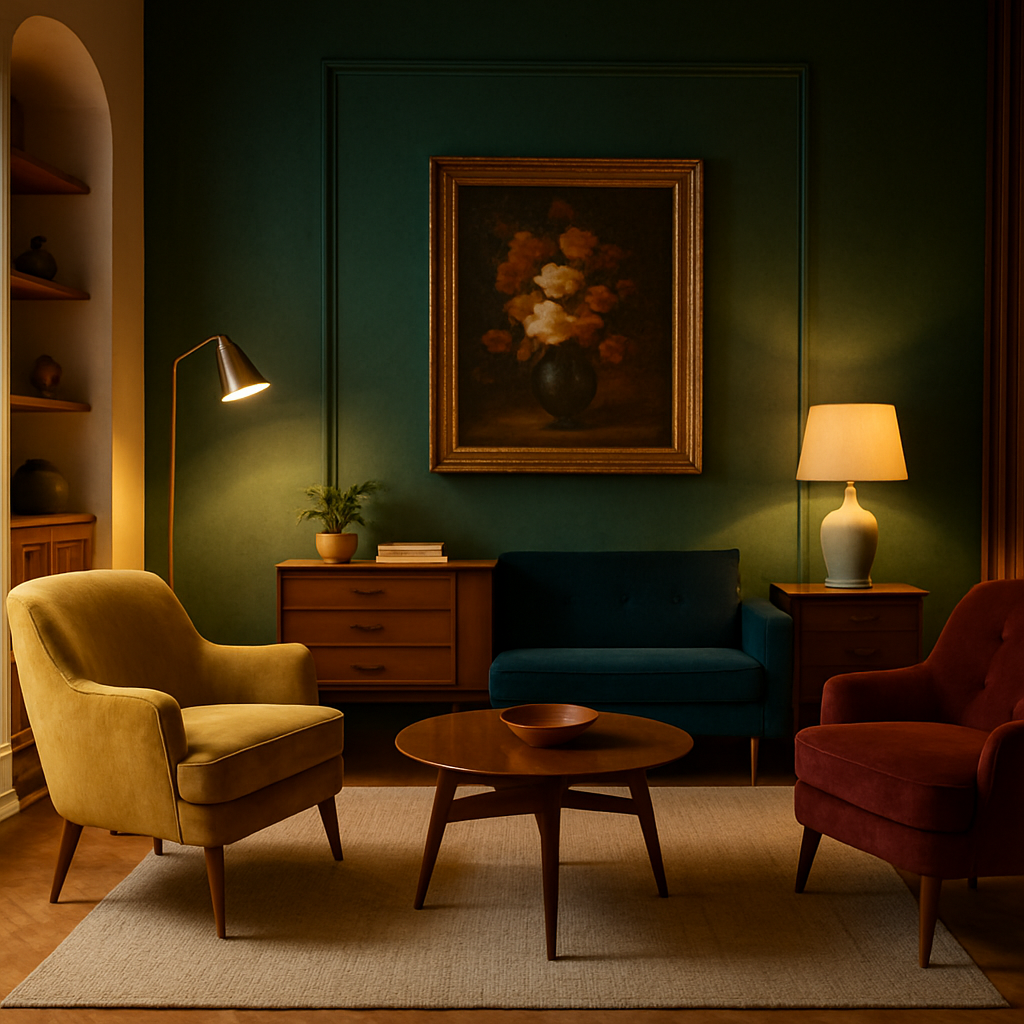
Imagine stepping into a room where the sleek lines of a modern sofa juxtapose harmoniously with a charming vintage sideboard reclaimed from a bygone era. This fusion of modern and vintage styles can transform your home into a visually stunning and unique space. But how does one achieve such a perfect blend without ending up with a disjointed mess? In this guide, we will delve into the art of mixing modern and vintage styles in home interiors, offering insights into foundational concepts, deeper analysis with data, actionable strategies, expert-level details, and much more. By the end, you'll be equipped to create a balanced and personalized interior that reflects both contemporary and timeless appeal.
Understanding the Foundational Concepts of Modern and Vintage Styles
The first step in successfully blending modern and vintage styles is understanding what defines each. Modern design, characterized by minimalism, clean lines, and a neutral color palette, emerged in the early to mid-20th century, reflecting a sense of simplicity and functionality. It often incorporates materials like steel, glass, and polished woods, making the spaces feel open and airy. On the other hand, vintage style, which draws from periods like the Victorian era or mid-century modern, is rich with textures, patterns, and ornate details. Vintage pieces often tell a story, adding warmth and character to a room.
To effectively mix these styles, it's essential to identify the elements of each that resonate with you. Perhaps you're drawn to the sleek elegance of modern furniture but appreciate the character that vintage decor adds. One practical approach is to start with a modern base - like white walls or a neutral sofa - and layer in vintage accents such as a retro lamp or an antique rug. This approach ensures that the vintage elements stand out as focal points against the modern backdrop.
Experienced professionals often note that balance is key. Too much modern can make a space feel cold, while an excess of vintage items may feel cluttered. Striking the right balance involves thoughtful curation of pieces and maintaining a consistent color palette. This foundational understanding sets the stage for exploring deeper strategies and practical applications in the next sections.
Analyzing the Data Behind Modern-Vintage Fusion
According to a recent Houzz survey, 56% of homeowners reported incorporating vintage elements into their modern homes, highlighting a growing trend towards this eclectic mix. The survey also found that homes with a blend of modern and vintage styles experienced a 12% increase in perceived value, underscoring the aesthetic and financial benefits of this design approach. These statistics demonstrate a clear preference and success rate for the modern-vintage fusion among home renovators.
It's important to understand why this blend is so appealing. Combining modern and vintage styles allows homeowners to express their individuality while benefiting from the best of both worlds. Modern elements provide functionality and ease of maintenance, whereas vintage pieces add history and depth. This fusion caters to a wide range of tastes, making it a popular choice for those looking to create a personalized space.
Architectural Digest's AD PRO network suggests that the key to successful integration lies in contrast. By pairing modern simplicity with vintage complexity, designers can create visually interesting spaces that capture attention and tell a story. This contrast not only enhances aesthetic appeal but also encourages conversations about design history and personal taste. As we transition to practical strategies, consider how you might leverage these data-driven insights in your own home.
Actionable Strategies for Blending Modern and Vintage
Are you ready to start blending modern and vintage styles in your own home? Begin by selecting a dominant style that aligns with your personal taste. If you prefer a contemporary look, focus on modern furniture and lighting, then accentuate with vintage decor. Conversely, if vintage captivates you, start with statement pieces like an antique armchair and incorporate modern touches through artwork or accessories.
Another effective strategy is to use vintage items as conversation starters. For instance, a mid-century sideboard can serve as a focal point in a modern dining room. Pair it with sleek dining chairs and a minimalist table setting to create a cohesive look. Remember, the goal is to create harmony, not uniformity. Mixing styles should feel intentional, with each piece complementing the others in a cohesive narrative.
Consider the scale and proportion of the items you choose. A large, ornate vintage mirror can add depth and drama to a sleek modern entryway. Similarly, a vintage rug with intricate patterns can soften the rigid lines of modern furniture. The balance of scale ensures that neither style overwhelms the other, allowing the space to feel curated rather than chaotic. As you refine these strategies, the next section offers expert insights for further refinement.
Expert Insights on Mastering Style Fusion
Professional interior designers often emphasize the importance of context when mixing modern and vintage styles. According to the American Society of Interior Designers (ASID), understanding the historical and cultural significance of vintage pieces can enhance the storytelling aspect of your design. This knowledge allows you to select items that resonate with your personal narrative and the architectural context of your home.
Designers also recommend considering the materiality of your pieces. Vintage items made from natural materials like wood and brass can add warmth to a modern space dominated by glass and steel. This interplay of materials not only enriches the visual texture but also enhances the tactile experience of the space. As sustainability becomes increasingly important, blending styles with reclaimed vintage materials can also appeal to environmentally-conscious homeowners.
Furthermore, the use of technology in design has evolved, with AR/VR room visualization tools enabling designers to experiment with different styles before making a commitment. These tools allow you to virtually place vintage and modern pieces together, helping you visualize the final outcome. Such innovations are invaluable for ensuring the desired aesthetic is achieved without costly mistakes. Next, we'll delve into additional depth on how to execute these expert strategies.
Additional Depth: Crafting a Cohesive Narrative
Creating a cohesive narrative in your home requires a thoughtful approach to color and pattern. A consistent color palette can unify disparate styles, while patterns can be used to echo design elements across the room. For example, a geometric modern rug can complement the curves of a vintage armchair, linking the two styles visually.
Lighting also plays a crucial role in blending styles. A vintage chandelier can add a touch of elegance to a modern living room, casting warm light that highlights both the crisp lines of modern furniture and the intricate details of vintage decor. Layered lighting, using a combination of ambient, task, and accent lighting, can enhance this interplay, creating a dynamic and inviting atmosphere.
Lastly, consider the role of personal artifacts in your design. Incorporating heirlooms or personal collections can add sentimental value to your space, making it uniquely yours. These personal touches not only add depth to the narrative but also ensure that your home reflects your journey and personal history. As you ponder these elements, the following section offers final perspectives to guide your design journey.
Final Perspectives on Style Mixing
Mixing modern and vintage styles is not just a design choice; it's a creative journey that reflects your personal taste and storytelling through space. The fusion of these styles offers endless possibilities for self-expression and can transform any home into a captivating reflection of its inhabitants. It's a process that invites experimentation and rewards boldness.
As you embark on this journey, remember that flexibility is key. Your home is a living space that evolves with you, so allow your design to change and adapt over time. Be open to new inspirations and be willing to let go of elements that no longer serve your vision, ensuring that your interior remains fresh and aligned with your evolving taste.
Ultimately, the goal is to create a space that feels both cohesive and personal. By blending modern and vintage styles thoughtfully, you can achieve an interior that is not only stylish but also meaningful. In the conclusion, we'll summarize the key takeaways and offer a specific call to action to help you get started.
Conclusion: Your Next Steps in Style Fusion
By now, you should have a solid understanding of how to effectively mix modern and vintage styles in your home interiors. From identifying foundational concepts and leveraging data-driven insights to applying actionable strategies and expert advice, you're well-equipped to create a space that marries the best of both worlds. Remember, the key is balance, intention, and personal expression.
As you plan your next interior design project, start by browsing designer portfolios on platforms like Houzz or Instagram. Even a short 20-minute research session can sharpen your eye for what you truly want. Consider engaging with professional designers who hold NCIDQ qualifications to ensure that your vision is executed with precision and creativity. What are you waiting for? Begin your style journey today and transform your home into a timeless masterpiece.
More Articles You May Like



Comments
Post a Comment