The Ultimate Guide to Choosing Color Palettes for Modern Interiors
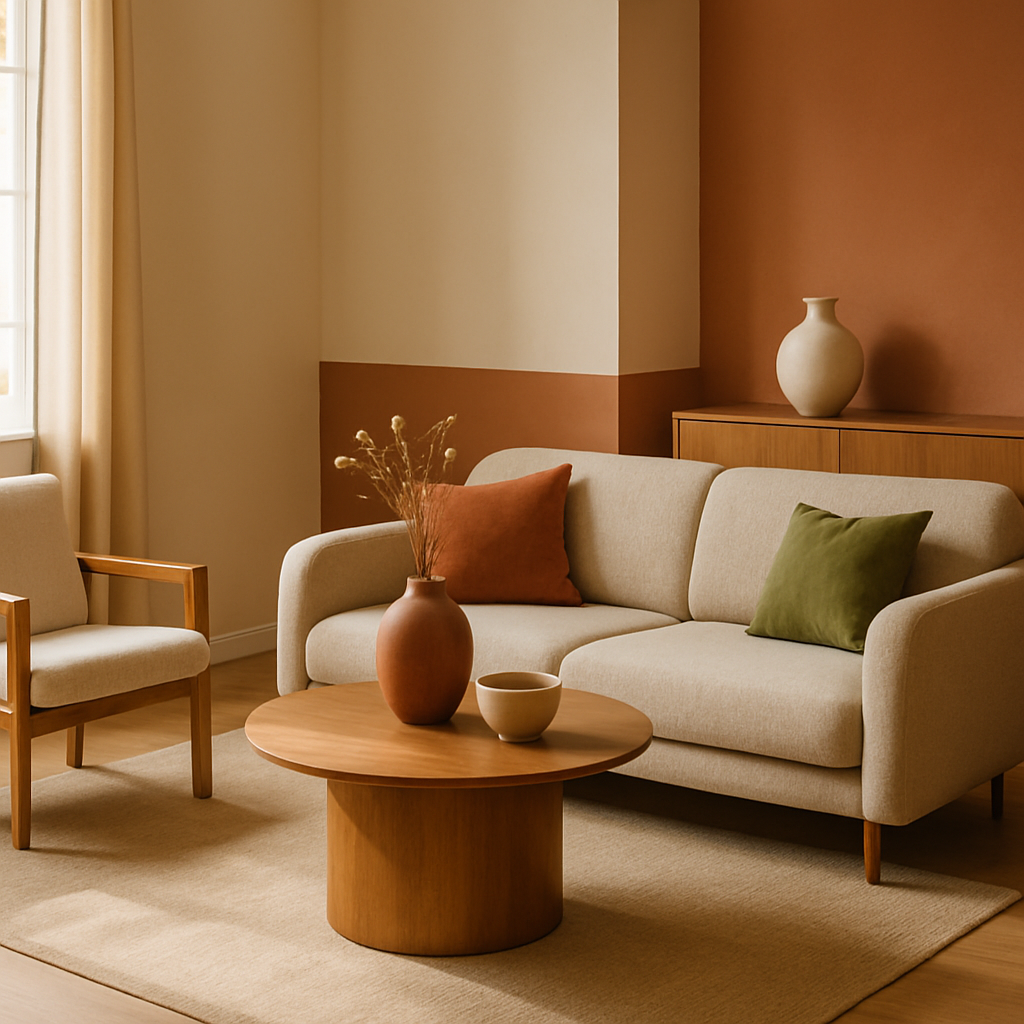
Did you know that 60% of your response to a place is determined by color? This statistic, often cited by design experts, underscores the power of color in shaping our experiences within a space. If you're considering a redesign, choosing the right color palette isn't just about aesthetics-it's a critical decision that affects mood, functionality, and even property value. In this ultimate guide, we'll explore foundational concepts of color theory, delve into data-backed insights, and offer actionable strategies. Whether you're drawn to the tranquility of Japandi or the vibrant hues of biophilic design, you'll find expert-level details to help you craft the perfect modern interior.
Understanding the Basics of Color Theory
Color theory is the foundation upon which all great interior designs are built. At its core, it involves the use of the color wheel, a visual representation of colors arranged logically in a circle. The wheel helps you understand relationships between colors, such as complementary (colors opposite each other) and analogous (colors next to each other) schemes. These relationships are crucial in creating visually appealing and harmonious designs.
The color wheel is divided into primary colors (red, yellow, blue), secondary colors (green, orange, purple), and tertiary colors (mixes like red-orange and blue-green). Understanding these categories allows you to create combinations that evoke specific emotions and atmospheres. For instance, warm colors like red and orange can energize a room, while cool colors such as blue and green tend to have a calming effect.
Practically applying color theory involves more than just picking hues you like. You must consider factors like room size, natural light, and the psychological impact of colors. For example, lighter colors can make a small room feel larger, while darker shades add coziness to expansive spaces. As you begin your design journey, ask yourself: What mood do you want to evoke in each room? This question is essential for aligning your color choices with your design goals.
Analyzing Trends and Data in Modern Interiors
Trends in interior design are ever-changing, and staying updated can significantly impact your design decisions. According to Houzz's annual survey, 75% of homeowners prioritize updating their interior color palettes to stay current. This data highlights a growing awareness of how color trends can transform spaces, increase functionality, and even boost property value. For 2026, trends like biophilic design and quiet luxury are at the forefront, influencing color choices significantly.
Biophilic design emphasizes natural elements, which is reflected in the use of greens, browns, and other earth tones. This trend not only brings a sense of calm and connection to nature but also aligns with sustainable living values. On the other hand, the quiet luxury trend focuses on understated elegance, favoring neutral palettes that offer a serene backdrop to modern interiors. These palettes often include soft whites, muted grays, and beige tones, providing a timeless appeal.
Experienced professionals often note that while trends are important, they should not overshadow personal preferences and functionality. A survey conducted by the American Society of Interior Designers (ASID) revealed that 60% of successful designs balance trend awareness with individual style. Thus, while it's beneficial to be aware of current trends, ensure that your choices reflect your personality and meet your practical needs. How do you balance trendiness with timelessness in your own decor?
Implementing Actionable Strategies for Color Selection
Choosing the right color palette for your modern interior can seem daunting, but breaking it down into actionable steps can simplify the process. Start by identifying the purpose of each room. For example, a bedroom should promote relaxation, while a home office needs to boost productivity. This consideration will guide your color choices significantly.
Once you've identified the purpose, gather inspiration from platforms like Pinterest and Instagram. These sites offer a plethora of examples, showcasing how different colors and combinations work in real-world settings. Create a mood board to visualize your ideas, including swatches, photos, and textures. This tangible representation helps in making more informed decisions and communicating your vision to professionals.
Finally, test your selected colors with samples. Paint a small section of your wall or use large color swatches to see how the hues interact with your space's lighting and furnishings. This step is crucial, as lighting can dramatically alter a color's appearance. Remember to observe these samples at different times of the day to ensure they meet your expectations. As you test, ask yourself: Does this color set the right tone for this space?
Expert Insights into Advanced Color Application
For those seeking deeper expertise, understanding advanced color application techniques offers a competitive edge. One such technique is the 60-30-10 rule, a classic design strategy that many experts advocate. It involves dividing your room's color scheme into 60% dominant color, 30% secondary color, and 10% accent color. This formula ensures a balanced and harmonious interior.
Additionally, consider the impact of light reflectance value (LRV) when selecting colors. LRV measures the amount of light a color reflects, ranging from 0 (absolute black) to 100 (absolute white). High LRV colors can make a room feel brighter and more open, while low LRV colors can add depth and intimacy. Understanding LRV helps you choose colors that complement your room's lighting conditions.
Incorporating technology, such as AR/VR room visualization tools, can also enhance your color planning. These tools allow you to preview different color schemes in a virtual setting, providing a more accurate representation of how your choices will look in reality. This technology, increasingly used by professionals, bridges the gap between imagination and execution, ensuring that your final design aligns with your initial vision. Have you considered using these tools to refine your design process?
Exploring Additional Depth with Professional Guidance
Working with certified interior designers can significantly enhance your color selection process. Professionals with NCIDQ (National Council for Interior Design Qualification) credentials bring a wealth of knowledge and experience, offering insights that go beyond basic color theory. They can provide personalized advice tailored to your space and preferences, ensuring a cohesive and functional design.
Engaging a professional also allows you to explore a wider range of materials and finishes. Designers have access to exclusive resources and can introduce you to unique textures and patterns that elevate your color palette. Whether it's selecting a statement wallpaper or choosing the perfect fabric for upholstery, their expertise can transform your ideas into reality.
Moreover, collaborating with a designer can streamline the entire project, from concept development to procurement and installation. Their industry connections can expedite the process and potentially save on costs. According to the International Interior Design Association (IIDA), well-executed designs can yield a 5-15% higher resale value, highlighting the long-term benefits of professional involvement.
Final Perspectives on Color Choices in Modern Interiors
As you embark on your color selection journey, remember that the ultimate goal is to create a space that reflects your personality and meets your needs. While trends and expert advice provide valuable guidance, your preferences and lifestyle should be at the forefront of your decisions. The balance between personal expression and functional design is where truly remarkable interiors are born.
Consider how each color interacts with your space's architecture, furnishings, and lighting. The right palette not only enhances aesthetics but also improves the overall experience of your home. As you refine your selections, keep in mind the transformative power of color and its ability to enrich your daily life.
In conclusion, your journey through choosing color palettes for modern interiors is as much about exploration as it is about precision. By integrating foundational knowledge, current trends, and professional insights, you can achieve a harmonious and impactful design that stands the test of time.
Conclusion
In crafting the ultimate modern interior, color selection plays a pivotal role. From understanding the basics of color theory to exploring advanced techniques and professional guidance, each step is vital in creating a space that is not only beautiful but also functional. By considering current trends, leveraging technology, and seeking expert assistance, you can navigate the complexities of color with confidence.
Now it's time to take action. Start by browsing designer portfolios on Houzz this week-spending even 20 minutes can sharpen your eye for what you want. As you refine your ideas, remember that a well-chosen color palette can transform your interiors into a sanctuary that reflects your style and enhances your life. What step will you take today to bring your vision into reality?



Comments
Post a Comment