Washable Entryway Runner Rugs for Muddy Boot Season
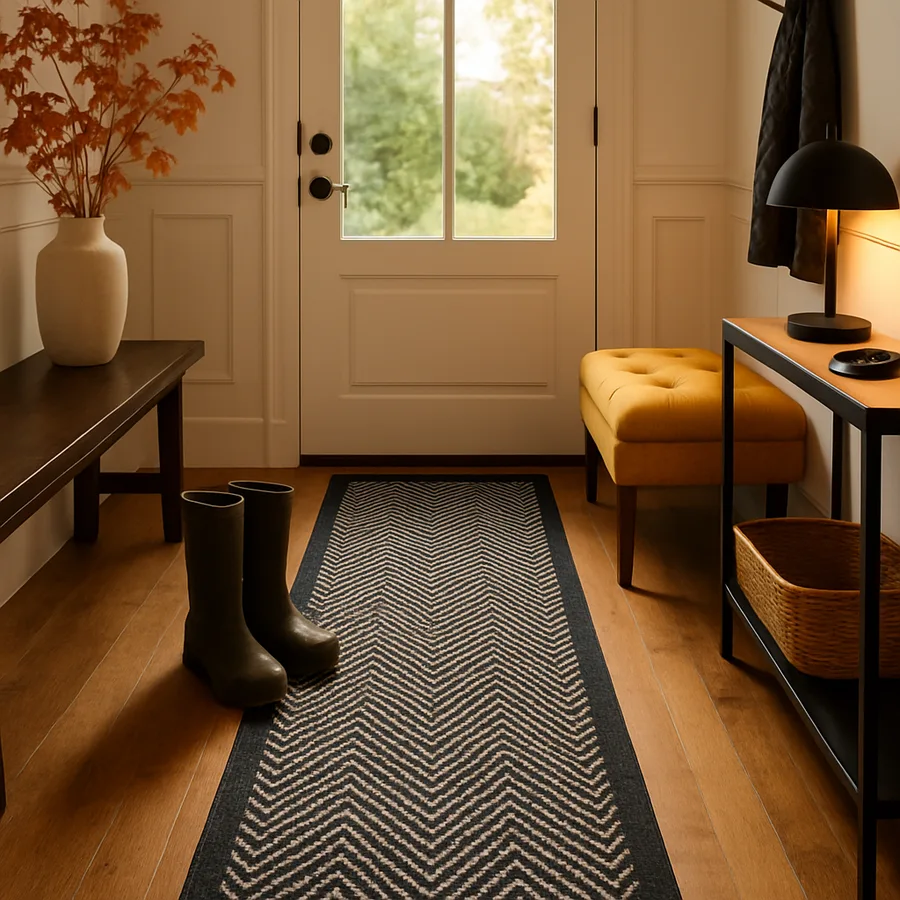
There are a few weeks each year when every step through the front door feels like an act of sabotage against your clean floors. Rain-soaked soil, half-melted snow, and the general muck of transitional seasons conspire to turn even the most carefully maintained entryway into a muddy mess. Traditional rugs absorb this punishment and hold onto it, developing stains and odors that no amount of spot cleaning can fully resolve. Washable entryway runner rugs eliminate this frustration entirely by going straight into the washing machine when they reach their limit, emerging clean and ready for another round of abuse. The American Cleaning Institute estimates that the average household tracks in roughly 85 percent of interior floor contamination from shoes, and that percentage spikes dramatically during wet seasons. A washable runner positioned strategically at your front door is not a luxury during muddy boot season; it is the single most effective tool you have for keeping the rest of your home clean. This guide covers every angle of selecting, using, and maintaining washable runners that stand up to the worst conditions nature delivers to your doorstep.
How Machine-Washable Rugs Are Engineered Differently
The ability to survive repeated trips through a washing machine is not something you can add to a conventional rug after the fact. Machine-washable rugs are engineered from the ground up with fiber types, backing materials, and construction methods specifically chosen to withstand the mechanical agitation, water immersion, and spin cycles of a standard residential washer. The fibers are typically synthetic, most often polyester or a polyester-chenille blend, chosen for their ability to release soil particles in water without absorbing dyes or odors permanently. Unlike natural fibers such as wool or cotton, these synthetics maintain their structural integrity when saturated, resisting the stretching and shrinking that would distort a traditional rug after washing.
The backing construction is where washable rugs diverge most dramatically from their conventional counterparts. A standard rug often features a rigid latex or jute backing that would crack, delaminate, or disintegrate in a washing machine. Washable rugs instead use a flexible, thermoplastic rubber backing or a thin polyester mesh that bends with the drum's rotation without breaking. This backing also serves as the rug's non-slip surface, gripping hard floors securely during use and maintaining that grip wash after wash. According to testing reported by the Good Housekeeping Institute, premium washable rugs retain more than 90 percent of their non-slip performance after fifty wash cycles, which translates to years of regular laundering before any noticeable decline in grip.
The weave density and pile height of washable runners are calibrated to balance comfort, dirt capture, and washing performance. Most washable runners feature a low to medium pile height, typically between a quarter inch and half an inch, which provides enough softness for bare feet while allowing the washing machine's agitation to reach and flush out embedded dirt effectively. A very dense, high-pile construction would trap water during the wash cycle, extending drying time dramatically and potentially promoting mildew growth if the rug is not dried completely. The sweet spot that most manufacturers target delivers a rug that feels plush enough for an interior space yet dries within a single dryer cycle or a few hours of air drying.
What distinguishes a genuinely washable rug from one that merely survives a single cautious wash? The answer lies in the adhesive systems, or more precisely, the absence of them. Traditional rugs rely on adhesive to bond the face fibers to the backing, and these adhesives break down when exposed to water and detergent. Washable rugs use either heat-bonded construction, where fibers are fused to the backing through thermal processes, or mechanical interlocking, where the weave structure itself holds everything together without any chemical adhesive. This fundamental construction difference is why a quality washable rug emerges from the machine looking virtually identical to when it went in, while a conventional rug comes out distorted, shedding, and falling apart.
Runner Dimensions That Cover Your Muddy Boot Traffic Zones
The runner format is ideally suited to entryways because most front door approaches are longer than they are wide, creating a natural corridor that a runner's proportions match perfectly. For maximum mud capture, your runner should extend at least five feet from the door's threshold into your home, giving each person entering at least three full steps on the rug surface before their shoes contact bare flooring. The Carpet and Rug Institute recommends a minimum of six walking steps on a clean surface to remove the majority of loose soil from shoe soles, so a longer runner of seven to eight feet provides even better protection during peak mud season.
Width is the dimension most homeowners underestimate when shopping for entryway runners. A runner that is too narrow forces visitors to walk along its center, concentrating wear in a single strip and allowing mud to bypass the rug entirely when someone steps slightly off-center. For a standard 36-inch doorway, a runner width of at least 27 inches ensures full coverage of the natural walking path, while a 30-inch or wider runner provides a more generous margin for error. If your entryway opens into a wider hallway, consider stepping up to a 36-inch runner that covers the full span of the corridor, eliminating any exposed floor area where tracked mud could settle.
Measuring your specific entryway before purchasing requires attention to details that are easy to overlook. Note the door's swing arc and ensure the runner begins far enough from the door to avoid interference when the door opens or closes. Check for any obstacles along the runner's planned path, including radiator covers, shoe storage benches, or console tables, that might require a shorter or narrower rug than you initially planned. Also measure the dimensions of your washing machine's drum: most standard residential washers accommodate runners up to approximately 30 inches wide and 8 feet long, while larger capacity machines can handle wider formats. Confirming this fit before buying prevents the frustrating discovery that your new washable runner does not actually fit in your washer.
Layering multiple shorter runners is a practical solution for extra-long entryways or L-shaped hallways where a single runner cannot cover the full path. Place two runners end to end with a slight overlap, securing each with its own non-slip backing. This approach offers the additional advantage of allowing you to wash one runner while the other remains in place, maintaining floor protection during the laundering cycle. For entryways with multiple entry points, such as a front door and a side mudroom door, placing a washable runner at each threshold creates a comprehensive dirt-capture system that protects the entire ground floor during the messiest months.
Materials Built to Handle Mud, Snow, and Repeated Washing
Not all washable rug materials perform equally under the specific stresses of muddy boot season. Polyester microfiber ranks among the top performers because its extremely fine fibers create a dense surface that traps mud particles on contact while releasing them readily in wash water. The microfiber's hydrophilic properties pull moisture away from the surface, helping muddy boots shed their load onto the rug rather than onto the floor beyond. Brands like Ruggable and Rugs USA have built their washable rug lines primarily around polyester construction, and their products consistently demonstrate strong performance in independent wash-durability testing.
Chenille-woven runners offer a different approach to mud season performance, using twisted pile yarns that create a textured, highly absorbent surface. The twisted construction of chenille fibers increases the surface area available for moisture absorption by roughly 40 percent compared to a flat-woven polyester of the same weight, according to textile engineering data published by the Textile Research Journal. This makes chenille runners particularly effective at soaking up the wet, slushy mud that late-winter and early-spring conditions produce. The trade-off is a slightly longer drying time after washing, so plan to run a chenille runner through an extra spin cycle or allow additional air-drying time.
Recycled cotton runners represent the natural-fiber option in the washable rug category, and they bring genuine sustainability credentials to the conversation. These runners are typically woven from pre-consumer cotton scraps recovered from garment manufacturing, giving them a characterful texture with visible fiber variations that add visual warmth to an entryway. Cotton handles washing well, softening with each cycle rather than degrading, and it accepts natural dyes readily for rich, lasting color. However, cotton absorbs moisture more slowly than synthetics and takes longer to dry, making it a better choice for entryways where mud is the primary concern rather than standing water or heavy slush.
Have you considered how your choice of material affects the frequency with which you will need to wash the runner? A tightly woven synthetic runner with a low pile may need washing only every two to three weeks during mud season because surface dirt shakes out easily between washes. A thicker chenille or cotton runner that absorbs more moisture and traps more fine particles may demand weekly washing to maintain freshness. Factor your personal tolerance for cleaning frequency into your material selection, and be honest about whether you will realistically commit to the maintenance schedule each material requires. The best rug for your muddy boot season is the one you will actually wash often enough to keep performing.
Washing and Drying Without Damaging Your Rug or Machine
The promise of a washable rug is only as good as your technique for actually washing it. Start by taking the runner outside and giving it a vigorous shake to remove as much loose dirt as possible before it enters your washing machine. Mud that has dried into solid clumps can often be knocked free with a stiff brush or by bending the rug sharply at the clump's location. Removing this bulk debris before loading the washer prevents your machine from becoming a mud-processing plant and reduces the likelihood of dirt redepositing on the rug during the wash cycle. A minute of pre-treatment outdoors saves you from running a second wash cycle indoors.
Load the runner into the machine loosely, folding it in a zigzag accordion pattern rather than rolling it into a tight cylinder. The accordion fold allows water and detergent to penetrate all layers evenly, while a tightly rolled rug can trap air pockets that prevent the center from getting clean. Use cold or lukewarm water on a gentle or delicate cycle with a standard amount of mild liquid detergent. Avoid powder detergents, which can leave granular residue trapped in the rug's weave, and skip fabric softener entirely, as it coats fibers with a waxy film that reduces both absorbency and non-slip performance. Bleach should never be used on colored washable rugs, but oxygen-based brighteners are generally safe for removing stubborn organic stains from light-colored runners.
Drying technique directly affects the rug's longevity and its readiness for return to service. Most washable runners can handle a low-heat tumble dry cycle, but always verify the manufacturer's care instructions before using a dryer. If in doubt, air drying is the safest approach: drape the runner over a sturdy clothesline, shower curtain rod, or porch railing, ensuring air circulates freely on both sides. Avoid drying any washable rug in direct intense sunlight for extended periods, as even UV-resistant synthetic dyes can fade with prolonged direct exposure. The rug should feel completely dry to the touch on both face and backing before being returned to the entryway floor; residual dampness trapped against a hard floor surface creates exactly the mildew conditions you are trying to avoid.
How often should you wash your entryway runner during peak mud season? A practical schedule for most households is every one to two weeks during the muddiest months, with a visual and smell check as your guide. If the rug looks visibly dirty, feels gritty underfoot, or carries any musty odor, it is past due for a wash regardless of how recently it was last laundered. Between washes, a daily shake outdoors and a quick pass with a handheld vacuum keep the rug performing at its best. This combination of frequent light maintenance and periodic deep washing keeps your runner fresh, your entryway clean, and your washing machine from ever having to process a truly overwhelming load of ground-in mud.
Design Options That Prove Practical Does Not Mean Plain
The early generations of washable rugs earned a reputation for uninspired design, limited to solid colors and basic patterns that telegraphed their utilitarian purpose. That era is decisively over. Contemporary washable runner manufacturers now offer pattern libraries that rival or exceed those of traditional rug brands, encompassing everything from vintage Persian-inspired motifs to abstract watercolor effects to bold contemporary geometrics. Companies like Ruggable collaborate with major designers and license patterns from heritage rug houses, bringing intricate traditional designs into a fully washable format that would have been technically impossible a decade ago.
For muddy boot season specifically, certain design choices perform double duty by combining aesthetic appeal with practical soil concealment. Runners featuring distressed or vintage-look patterns in mid-tone color palettes are exceptionally forgiving because the intentional variation in the pattern masks the appearance of dirt between washings. A runner designed to look slightly aged and imperfect will show tracked-in soil far less than a crisp, high-contrast geometric or a pristine solid-color runner. Earth tones such as ochre, terracotta, olive, and warm gray naturally harmonize with the colors of common outdoor dirt, further reducing the visual impact of inevitable mud spots.
Seasonal rotation is a strategy that many homeowners find both practical and creatively satisfying. Keep two or three washable runners in rotation: a darker, more forgiving pattern for the muddiest weeks of late winter and early spring; a lighter, brighter design for summer when tracked-in dirt is minimal; and a warm, richly colored option for autumn when leaves and dry soil are the primary contaminants. Rotating runners extends the lifespan of each individual rug by reducing its cumulative wear, and it gives your entryway a seasonal refresh that keeps the space feeling current and considered without any permanent commitment.
The relationship between runner design and the broader entryway decor should feel natural rather than forced. A washable runner with a complex pattern can serve as the visual centerpiece of a minimally decorated hallway, while a simpler, solid or subtly textured runner works best when surrounded by more visually active elements like gallery wall art, decorative hooks, or a statement light fixture. The goal is balance: your entryway should communicate personality and warmth, not overwhelm visitors with competing visual signals the moment they step inside. Let the runner anchor the floor plane and allow the walls and furnishings to tell the rest of the story.
Protecting the Floor Beneath Your Washable Runner
While a washable runner protects your floors from tracked-in dirt, the interaction between the rug itself and the floor surface deserves attention to prevent a different category of damage. Moisture migration is the primary concern: when a wet or muddy boot deposits moisture on the runner, some of that liquid can seep through the rug's backing and contact the floor below. On sealed hardwood, this trapped moisture can cause cupping, warping, or finish discoloration over time. On laminate flooring, it can penetrate seams and cause the core material to swell. Even tile and stone floors can develop grout staining beneath a perpetually damp rug during heavy mud season.
A waterproof rug pad placed beneath your washable runner creates an impermeable barrier between the rug's backing and your flooring. Look for pads made from closed-cell foam or solid rubber with a smooth, non-porous surface that cannot absorb or transmit moisture. These pads also add a thin layer of cushion that enhances the runner's comfort underfoot and reduces the noise of footsteps in a hard-floored hallway. Size the pad approximately one inch smaller than the runner on all sides so it remains invisible beneath the rug's edges while providing full coverage of the primary traffic zone. Remove and wipe down the pad each time you wash the runner, allowing both surfaces to dry completely before reassembling.
For entryways that experience extreme moisture during mud season, consider implementing a two-layer defense system. Place a thin, rubberized boot tray or a waterproof mat directly at the threshold where shoes are removed, then position the washable runner beyond this initial barrier to cover the walking path into the home. The boot tray captures the heaviest mud and standing water, while the runner handles the residual dampness on sock feet or lightly soiled indoor shoes. This approach dramatically reduces the moisture load that the runner must manage, extending the interval between washes and minimizing any risk to the underlying floor surface.
Ready to equip your entryway for the messiest season of the year? Measure your hallway, check your washing machine capacity, and choose a runner that combines genuine washability with a pattern you will enjoy seeing every time you walk through the door. Pair it with a waterproof pad, commit to the simple shake-and-wash routine, and stop dreading the inevitable mud that comes with the changing seasons. A quality washable runner transforms muddy boot season from a source of housekeeping stress into a non-event, catching every speck of tracked-in soil and surrendering it to the washing machine whenever you decide enough is enough.
Conclusion
Washable entryway runners represent a genuinely practical evolution in home textiles, solving the specific problem of seasonal mud and moisture in a way that no traditional rug can match. The engineering behind these rugs, from heat-bonded fiber attachment to flexible thermoplastic backings, ensures that repeated washing cycles restore freshness without degrading the rug's structure, appearance, or non-slip performance. Whether you choose microfiber polyester for maximum dirt release, chenille for superior absorbency, or recycled cotton for environmental consciousness, each material brings distinct strengths to the muddy boot challenge.
The practical details of sizing, washing technique, and floor protection elevate a washable runner from a simple purchase into a complete entryway management system. Proper runner dimensions ensure full coverage of your traffic path, correct loading and drying methods protect both the rug and your washing machine, and a waterproof pad safeguards the floor surface beneath. These considerations work together to create a maintenance routine that is genuinely simple rather than merely marketed as such.
Perhaps most importantly, the current generation of washable runners proves that choosing a rug for its practicality no longer requires sacrificing design ambition. The pattern variety, color depth, and textural quality available in washable formats now equal or surpass what many traditional rug lines offer, giving you the freedom to select a runner that genuinely excites you rather than one you merely tolerate for its functionality. Muddy boot season will always arrive, but with the right washable runner in place, it no longer has to leave its mark on your home.
More Articles You May Like



Comments
Post a Comment