Low-Pile Entryway Rugs That Are Easy to Vacuum and Shake Out
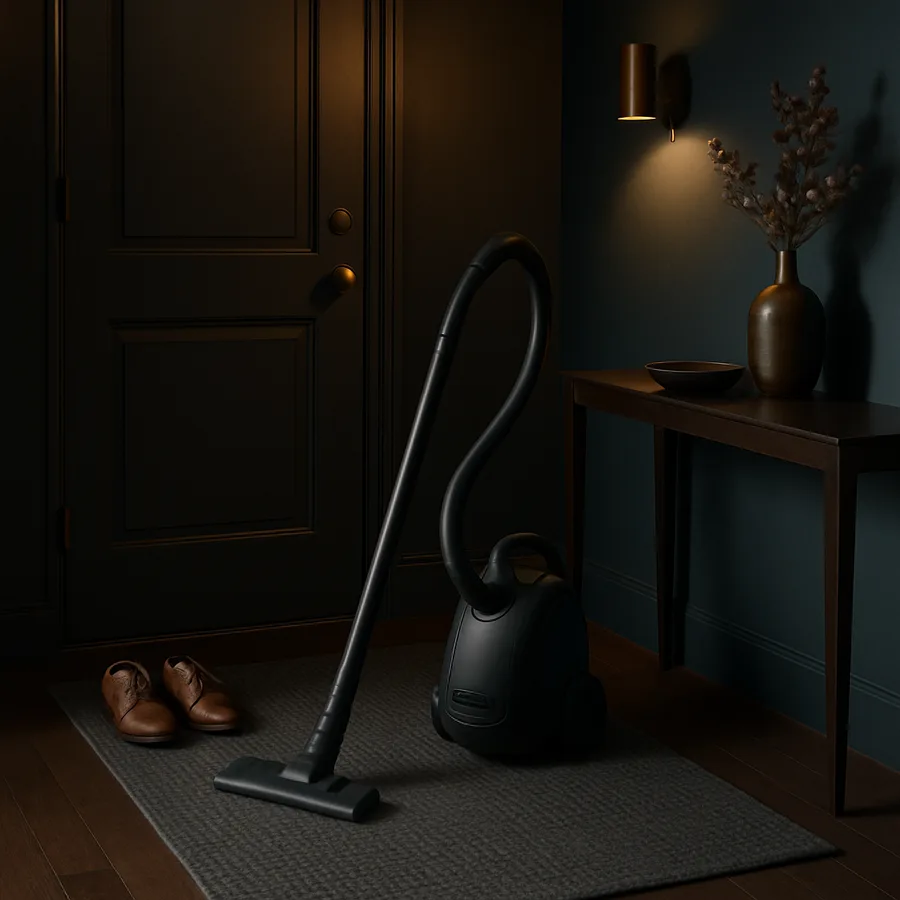
The entryway is the first interior space that greets you and your guests, yet it endures more punishment than almost any other area in your home. Dirt, moisture, pollen, and debris arrive on the soles of every shoe that crosses the threshold, and without the right rug underfoot, all of that grime migrates deeper into your living spaces. A low-pile entryway rug offers the ideal combination of style and practicality, trapping particles effectively while remaining simple to maintain. According to the Carpet and Rug Institute (CRI), homes with proper entryway rugs capture up to 80 percent of incoming soil before it reaches interior flooring. That statistic alone makes the case for investing in a quality entryway rug that you can vacuum quickly or carry outside for a vigorous shake. This guide explores every angle of choosing, maintaining, and styling low-pile rugs that keep your foyer looking fresh without demanding hours of upkeep.
Why Low-Pile Construction Outperforms Plush Options at the Door
The fundamental difference between a low-pile rug and its plush or shag counterpart comes down to fiber height and density. Low-pile rugs feature fibers that stand no taller than a quarter of an inch, creating a tight, flat surface that resists trapping debris deep within the weave. Plush and high-pile rugs, by contrast, allow dirt, sand, and pet hair to burrow beneath the surface where a standard vacuum struggles to reach. For an entryway that sees dozens of foot crossings every day, this distinction is not merely academic. It determines whether your cleaning routine takes two minutes or twenty.
Beyond ease of cleaning, low-pile rugs present practical advantages that designers and homeowners consistently appreciate. Their flat profile sits flush against hard flooring surfaces, reducing the tripping hazard that thicker rugs can create near doorways. According to the National Safety Council, falls are the third leading cause of unintentional injury deaths in homes, and loose or bunched-up rugs are a frequently cited contributing factor. A low-pile rug paired with a quality non-slip pad lies flat and stable, providing traction without becoming an obstacle. This matters especially in households with elderly residents, young children, or anyone carrying bags and packages through the front door.
Durability is another area where low-pile construction excels in high-traffic zones. The shorter fibers experience less mechanical stress from foot traffic because there is simply less material to crush, mat, or fray. A well-made flatweave kilim or a tightly looped Berber-style rug can maintain its appearance for years in an entryway, whereas a plush rug in the same location often looks worn and flattened within months. The tighter the weave, the better the rug resists the lateral forces of shoes scraping across its surface, which is exactly the type of wear an entryway rug must withstand daily.
One often overlooked benefit of low-pile construction is how it interacts with doors. A rug that is too thick will catch on the bottom edge of a swinging door, preventing it from opening fully or causing the door to drag and damage both the rug and the door's finish. Most interior and exterior doors have a clearance of roughly half an inch from the floor, and low-pile rugs fit comfortably beneath that gap. This practical consideration eliminates the frustration of trimming doors or choosing between a functional entryway and an attractive rug, a compromise that no homeowner should have to make.
Materials That Balance Softness with Easy Maintenance
The fiber composition of your entryway rug determines everything from how it feels underfoot to how readily it releases trapped dirt when shaken or vacuumed. Polypropylene, also marketed under the brand name Olefin, ranks among the most practical choices for entryway use. It resists moisture absorption, dries quickly if wet shoes track across it, and releases dirt particles with minimal effort during vacuuming. The Carpet and Rug Institute notes that polypropylene fibers are inherently stain-resistant because they do not absorb liquid the way natural fibers do, which means spills bead on the surface rather than soaking in.
Natural fibers bring their own set of advantages and trade-offs to the entryway. Jute and sisal produce beautifully textured low-pile rugs with an organic aesthetic that complements farmhouse, coastal, and bohemian interiors. These plant-based fibers are sturdy and naturally resist static electricity, which reduces the amount of dust and lint they attract. However, they are more susceptible to moisture damage than synthetics, meaning they perform best in covered entryways where rain and snow are unlikely to reach. Cotton flatweaves offer another natural option with the significant advantage of being machine washable in many cases, though they tend to show wear faster than jute or polypropylene in heavy-traffic settings.
Wool occupies a premium position in the entryway rug market, and for good reason. A tightly woven wool flatweave naturally repels liquid, resists crushing, and ages gracefully with a patina that many homeowners find attractive. The fiber's natural lanolin content provides built-in stain resistance, and wool's inherent elasticity means it bounces back from foot traffic rather than matting permanently. The trade-off is cost: a quality wool entryway rug typically commands two to three times the price of a comparable polypropylene option. For homeowners who view the entryway rug as an investment piece that sets the tone for the entire home, however, wool delivers performance that justifies the higher price point over its longer lifespan.
Blended-fiber rugs increasingly offer the best of multiple worlds for budget-conscious homeowners. A common blend pairs a wool face with a cotton or synthetic backing, delivering the look and feel of wool at a reduced cost while adding structural stability. Another popular blend combines polypropylene with polyester, which adds a softer hand feel to the already durable polypropylene base. When evaluating blends, check the percentage composition on the label: a rug listed as 80 percent polypropylene and 20 percent polyester will perform very differently from one with the reverse ratio, particularly in terms of stain resistance and ease of shaking out accumulated dirt.
The Two-Minute Clean: Vacuuming and Shaking Techniques That Work
Owning a low-pile entryway rug means little if you do not adopt the right cleaning habits to keep it performing at its best. The simplest and most effective daily maintenance step is a quick shake outdoors. Carry the rug to a porch railing, clothesline, or simply hold it at arm's length and give it several firm snaps to dislodge loose dirt and dust. This physical agitation releases particles that settle into the weave during the day, and it takes less than thirty seconds. The American Cleaning Institute recommends shaking entryway rugs at least every other day during seasons when tracked-in dirt is heaviest, such as late fall and early spring.
When vacuuming a low-pile rug, the technique matters more than the machine's power rating. Set your vacuum to the bare-floor or low-pile setting, which lowers the beater bar or disengages it entirely. Running a high-pile setting over a flatweave rug forces the beater bar to dig aggressively into the fibers, which can pull loops, fray edges, and reduce the rug's lifespan. A suction-only pass with the beater bar turned off is often sufficient for daily maintenance, while a gentle beater-bar pass once a week provides deeper cleaning without excessive wear. Run the vacuum slowly in overlapping strokes rather than rushing back and forth, giving the suction time to lift embedded particles from the tight weave.
Spot cleaning inevitable spills and stains on a low-pile rug is straightforward when you act quickly. Blot the spill with a clean white cloth, pressing firmly rather than rubbing, which pushes the liquid deeper into the fibers and can spread the stain outward. Mix a solution of one teaspoon of mild dish soap in a cup of lukewarm water, apply it to the stain with a cloth, and blot again. For stubborn marks on synthetic rugs, a mixture of equal parts white vinegar and water often lifts discoloration without damaging the fibers or affecting dye. Always test any cleaning solution on a hidden corner of the rug first, wait ten minutes, and check for color change before treating the visible stain.
Have you ever considered the seasonal deep-clean approach for extending your entryway rug's life? Twice a year, on a dry, breezy day, take the rug outside, lay it face-down on a clean surface, and beat the back with a broom handle or rug beater. This dislodges compacted dirt that vacuuming and shaking cannot reach. Follow this by flipping the rug face-up and scrubbing it with a soft-bristle brush dipped in a mild cleaning solution, then rinsing with a garden hose. Allow the rug to dry completely in the sun before bringing it back indoors, which also helps eliminate any odors trapped in the fibers. This biannual ritual can add years to the functional life of a well-made low-pile rug.
Sizing and Placement for Maximum Dirt Capture
A beautifully made low-pile rug accomplishes nothing if it is too small to catch the dirt that incoming shoes deposit. The general rule endorsed by the American Society of Interior Designers is that an entryway rug should be wide enough to accommodate at least two full steps from the door. This translates to a minimum width of 24 inches, though 30 to 36 inches provides better coverage for standard doorways. The length should span the full width of the door plus six to eight inches on each side, ensuring that anyone entering at an angle still steps onto the rug rather than the bare floor.
Placement relative to the door swing is a detail that many homeowners overlook until after they have purchased a rug that does not fit the space correctly. For doors that swing inward, the rug must sit far enough from the door's arc that it does not bunch or flip when the door opens. Measure the full arc of the door at its widest sweep and position the leading edge of the rug at least two inches beyond that point. For outward-swinging doors, the rug can sit closer to the threshold, but it still should not extend beneath the door frame where it could interfere with the weather seal or create a gap that lets drafts in.
Layering strategies offer creative solutions for entryways with unusual dimensions or heavy traffic volumes. A smaller accent rug can sit atop a larger, neutral sisal or jute base rug, creating visual depth while doubling the dirt-trapping surface area. The base rug catches the coarsest debris, while the top rug adds pattern and personality and can be swapped seasonally for a fresh look. This approach works particularly well in open foyer layouts where a single small rug might look lost against a large expanse of flooring. Ensure both layers are secured with non-slip pads to prevent shifting and bunching.
Consider the traffic pattern in your specific entryway when deciding on shape and placement. A narrow hallway entrance benefits from a runner rug oriented lengthwise, guiding foot traffic along the corridor while protecting the full path from door to interior rooms. A wide, open foyer can accommodate a larger rectangular or even round rug centered in the space, anchoring the area visually while capturing dirt from multiple approach angles. The goal is to ensure that no one can walk from outside to inside without stepping on at least a portion of the rug, regardless of the path they take through the entryway.
Style Choices That Hide Dirt While Elevating Your Decor
Selecting a low-pile entryway rug is not purely a utilitarian decision; it is also your first opportunity to express your home's design personality. The entryway sets the aesthetic tone for everything that follows, and a thoughtfully chosen rug communicates warmth, style, and attention to detail before a guest takes a single step further inside. Geometric patterns in medium tones perform exceptionally well in entryways because their visual complexity breaks up the appearance of dirt and wear between cleanings. A solid light-colored rug may look stunning on the showroom floor, but it will reveal every speck of tracked-in soil within hours of placement.
Color strategy plays a crucial role in the long-term satisfaction you will get from an entryway rug. Medium-toned neutrals such as charcoal, taupe, olive, and navy naturally camouflage everyday dirt while remaining versatile enough to coordinate with nearly any interior palette. If your design aesthetic calls for bolder colors, look for multi-tonal patterns that incorporate darker shades to mask grime. A rug with a terracotta base and cream geometric accents, for example, will show far less wear than a solid cream rug while still making a vibrant style statement. The key principle is contrast: patterns with moderate contrast between colors hide soil better than monochromatic or extreme high-contrast designs.
Texture and weave style contribute to the rug's visual impact just as much as color and pattern. A hand-loomed flatweave offers a refined, artisan quality that suits modern and transitional interiors, while a tightly tufted low-pile rug with a uniform surface reads as more contemporary and streamlined. Braided rugs bring a casual, cottage-inspired charm that works beautifully in farmhouse and coastal entryways. Each texture interacts differently with light, casting subtle shadows and highlights that add visual dimension to the space. In entryways with limited square footage, this textural interest can make the area feel more layered and intentional without requiring additional furniture or decor.
What mood do you want visitors to feel the moment they step through your front door? A warm-toned kilim rug with earthy reds and golds creates an inviting, globally inspired welcome, while a cool gray geometric flatweave signals sleek modernity. Striped runners in classic navy and white evoke a timeless, nautical sensibility that suits traditional homes, while abstract watercolor-inspired prints in low pile bring an artistic edge to contemporary spaces. The entryway rug is a relatively affordable and easily replaceable design element, so consider it an opportunity to experiment with patterns and palettes you might hesitate to commit to in larger, more permanent applications like furniture or wall color.
Non-Slip Solutions and Rug Pads for Hard Flooring
A low-pile rug placed directly on a hard floor surface such as tile, hardwood, or polished concrete is a sliding hazard waiting to happen. The thin, lightweight construction that makes these rugs easy to shake out also means they lack the mass and friction to stay in place under foot traffic. A quality non-slip rug pad is not an optional accessory but an essential safety investment. The Consumer Product Safety Commission reports that rugs and runners are involved in tens of thousands of fall-related injuries annually, the majority of which could be prevented with proper anchoring. A rug pad sized one inch smaller than the rug on all sides keeps the rug firmly planted while remaining invisible beneath the edges.
Not all rug pads are created equal, and the wrong choice can damage your flooring or fail to provide adequate grip. Natural rubber pads offer the best combination of grip and floor protection for most hard surfaces, including sealed hardwood, tile, and laminate. Avoid pads made from synthetic PVC or adhesive-backed materials, which can react chemically with certain floor finishes and leave permanent discoloration or sticky residue. For entryways with radiant floor heating, choose a pad rated for heat transmission to avoid blocking the warmth from reaching the room. Felt-and-rubber combination pads add a thin layer of cushion that enhances comfort underfoot while still keeping the overall profile low enough for door clearance.
Anchoring alternatives exist for situations where a traditional rug pad is not practical. Rug gripper tape, applied in strips along the underside edges and center of the rug, provides adhesion to the floor without the bulk of a full pad. This solution works well for very thin flatweave rugs and small accent rugs that tend to curl at the corners. Another option is a rug with an integrated non-slip backing, typically a latex or rubber coating applied at the factory. While convenient, these built-in backings tend to degrade faster than a separate pad and may not be compatible with all flooring types, so check the manufacturer's recommendations before relying solely on this feature.
Ready to upgrade your entryway with a low-pile rug that balances effortless maintenance with genuine style? Start by measuring your doorway, assessing your traffic patterns, and identifying the color palette that best complements your home's interior. Invest in a quality rug pad before the rug itself, and commit to a simple shake-and-vacuum routine that takes less time than brewing your morning coffee. With the right rug in place, your entryway will capture dirt, protect your floors, and deliver a polished first impression that makes every arrival feel like a homecoming.
Conclusion
Choosing a low-pile entryway rug is one of the simplest upgrades you can make to improve both the cleanliness and the visual appeal of your home's most-trafficked threshold. The combination of short, dense fibers and practical construction means these rugs trap incoming dirt effectively while releasing it just as easily during a quick shake or vacuum pass. From polypropylene and jute to premium wool flatweaves, the material options available ensure that every homeowner can find a rug that fits both their maintenance preferences and their design vision.
The practical benefits extend far beyond aesthetics. Proper sizing ensures that every incoming step lands on the rug rather than the bare floor, maximizing dirt capture and minimizing the cleaning burden on your interior spaces. A quality non-slip pad transforms a lightweight flatweave from a potential hazard into a stable, secure surface that stays put through years of daily use. Combined with smart color and pattern choices that naturally camouflage soil between cleanings, these rugs deliver a consistently polished look that requires remarkably little effort to maintain.
Think of your entryway rug as the hardest-working piece of decor in your home, a functional first impression that sets the stage for everything beyond the front door. By selecting the right pile height, material, size, and style, you invest in a small detail that pays dividends in cleanliness, safety, and curb appeal every single day. The two-minute maintenance routine of shaking and vacuuming is a small price to pay for a foyer that looks intentional, welcoming, and effortlessly clean from the moment anyone walks through the door.
More Articles You May Like



Comments
Post a Comment