Indoor-Outdoor Rugs for Covered Entryways and Front Porches
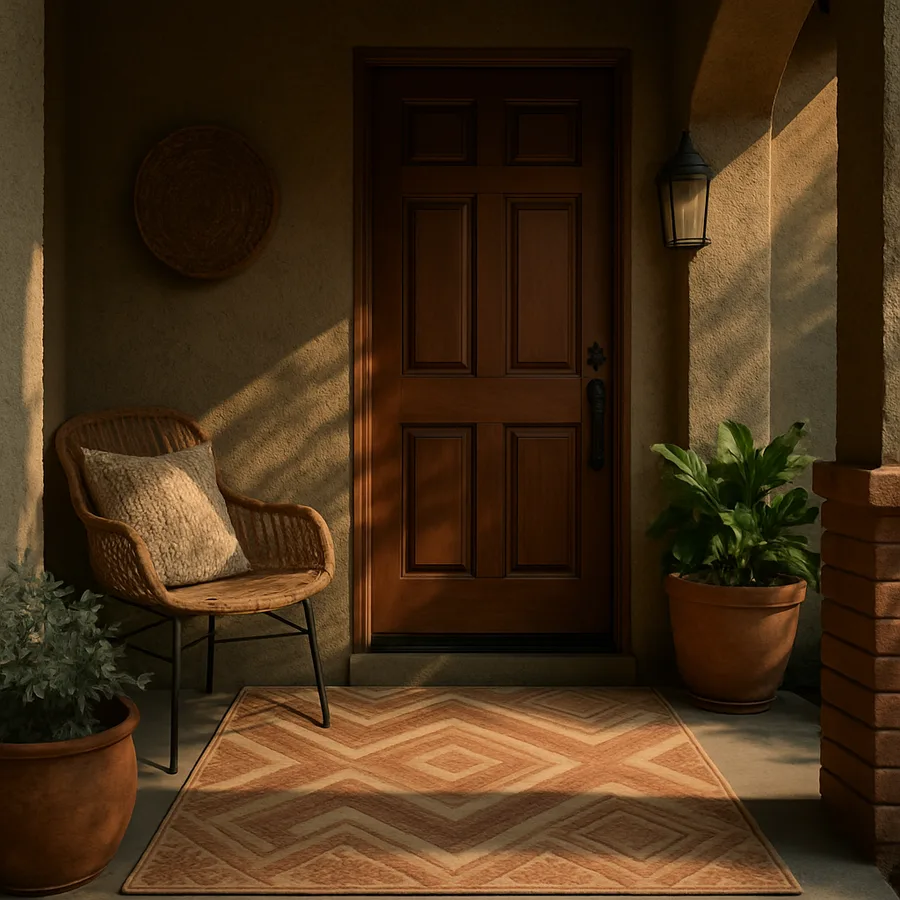
The space between your front door and the outside world occupies a fascinating design limbo. A covered entryway or front porch is neither fully interior nor fully exterior, and it demands furnishings that can handle the unique challenges of this transitional zone. Indoor-outdoor rugs were engineered precisely for these in-between spaces, offering weather resistance, fade protection, and easy cleaning without sacrificing the design appeal you would expect from an interior floor covering. The American Home Furnishings Alliance reports that porch and entryway upgrades consistently rank among the top five home improvement projects for return on investment, with well-styled front entries contributing up to 7 percent to perceived home value. Whether your covered entryway is a grand wraparound porch or a modest stoop with an overhang, the right indoor-outdoor rug transforms it from a utilitarian passageway into an inviting extension of your living space. This guide covers every consideration from material science to styling strategy to help you select a rug that thrives in the demanding conditions of a covered outdoor entry.
What Makes a Rug Truly Indoor-Outdoor
The distinction between an indoor rug and a genuine indoor-outdoor rug goes far deeper than a marketing label on the packaging. True indoor-outdoor rugs are constructed from solution-dyed synthetic fibers, most commonly polypropylene, polyester, or newer recycled PET materials derived from post-consumer plastic bottles. Solution dyeing means the color is added to the fiber at the molten polymer stage before extrusion, rather than applied to a finished yarn through surface dyeing. This manufacturing difference is critical because it locks color throughout the entire cross-section of each fiber, making it virtually impossible for sunlight, rain, or cleaning chemicals to strip the hue away.
The backing construction of an indoor-outdoor rug is equally important and often overlooked by shoppers focused solely on the face pattern. Interior rugs typically use cotton, jute, or latex backings that absorb moisture and promote mold growth when exposed to outdoor humidity. A proper indoor-outdoor rug features a synthetic backing, often polypropylene or polyethylene, that allows water to pass through rather than pooling beneath the rug. This drainage capability prevents the trapped-moisture conditions that breed mildew, musty odors, and the black mold stains that can permanently discolor both the rug and the porch surface beneath it. According to the Environmental Protection Agency, mold can begin colonizing a damp surface within 24 to 48 hours, making drainage a non-negotiable feature for any rug placed in a semi-exposed setting.
Weave construction also separates indoor-outdoor rugs from their interior-only counterparts. Most high-quality indoor-outdoor rugs use a flatweave or low-loop construction that dries rapidly after exposure to rain, dew, or spills. The absence of thick pile means water cannot wick deep into the rug and remain trapped for extended periods. Some premium indoor-outdoor rugs use a woven construction on both sides, making them reversible and effectively doubling their usable lifespan. This dual-sided design also means you can flip the rug when one side shows more wear, distributing traffic patterns more evenly over time.
How can you tell whether a rug marketed as indoor-outdoor will actually perform in your specific environment? Look for explicit manufacturer ratings for UV resistance, measured in hours of direct exposure before fading begins, and water resistance, often described as the rug's ability to be hosed off and air-dried. Reputable brands such as Dash and Albert, Safavieh, and Couristan provide these specifications, while generic or unbranded rugs often lack performance data entirely. A rug that cannot be hosed clean and left to dry in the sun is not a true indoor-outdoor product, regardless of what the tag claims.
Selecting the Right Material for Your Climate
Your local climate plays a decisive role in determining which indoor-outdoor rug material will deliver the best long-term performance on your covered porch or entryway. In hot, sun-drenched regions where UV exposure is intense even under a porch roof, polypropylene remains the gold standard. Its solution-dyed fibers resist fading under prolonged sun exposure more effectively than any other common rug material, and it handles temperature extremes without becoming brittle or sticky. Polypropylene also dries faster than polyester, which matters in humid subtropical climates where morning dew and afternoon rain showers are daily occurrences.
Coastal environments introduce salt air, high humidity, and wind-driven sand into the equation, all of which accelerate wear on lesser materials. For beachside porches and entryways, look for rugs specifically labeled as marine-grade or rated for coastal use. These rugs often feature tighter weave densities that resist sand infiltration and antimicrobial treatments that inhibit the mold and mildew growth encouraged by persistent salt moisture. The Carpet and Rug Institute recommends choosing rugs with built-in antimicrobial protection rather than applying aftermarket sprays, which tend to wash away with the first heavy rain and require constant reapplication.
Cold-climate homeowners face a different set of challenges, including freeze-thaw cycles, road salt tracked onto porches by boots, and the weight of snow shoveled against rug edges. A densely woven polypropylene rug handles these conditions well because the fibers do not absorb water that could freeze and expand within the weave structure. Avoid rubber-backed rugs in freezing climates, as the rubber can crack and delaminate after repeated freeze-thaw cycles. Instead, opt for rugs with woven-through construction and no adhesive layers. During heavy snowfall, simply roll the rug and store it temporarily rather than allowing packed snow and ice to sit on the surface for extended periods.
Temperate climates with moderate rainfall and mild temperature swings offer the widest range of material options. In these forgiving conditions, recycled PET rugs made from post-consumer plastic bottles deliver an environmentally conscious choice with solid performance characteristics. These rugs feel surprisingly soft compared to traditional polypropylene, resist staining and fading admirably, and carry the added appeal of diverting plastic waste from landfills. The trade-off is slightly less UV resistance compared to premium polypropylene, but under the protection of a porch roof, this disadvantage rarely becomes noticeable within the rug's practical lifespan.
Patterns and Colors That Complement Porch Architecture
The visual relationship between your indoor-outdoor rug and the architectural elements of your covered porch creates either a cohesive design statement or a jarring disconnect. Begin by assessing the permanent features of your porch: the color and material of the flooring, the style of railings and columns, the paint color of the front door, and the overall architectural vocabulary of the home's facade. A Craftsman bungalow with tapered columns and exposed rafter tails calls for a different rug aesthetic than a Mediterranean villa with arched openings and terracotta tile. The rug should feel like it belongs in the space, not like an afterthought dropped onto the porch to cover damaged flooring.
Striped patterns are perennial favorites for porch rugs because they echo the linear geometry found in most porch architecture, from railing balusters to clapboard siding to porch ceiling beadboard. Horizontal stripes running parallel to the front of the house visually widen a narrow porch, while stripes running perpendicular to the house create a sense of depth that draws the eye toward the front door. Bold nautical stripes in navy and white suit coastal and traditional homes, while thin, irregular stripes in muted earth tones complement modern farmhouse and desert-inspired aesthetics. The simplicity of a striped design also ensures the rug does not compete visually with patterned throw pillows, decorative planters, or other porch accessories.
Geometric and medallion patterns offer a more decorative approach that works particularly well on larger porches where the rug serves as a visual anchor for a seating area. A large-scale trellis or lattice pattern references classic garden architecture and creates an elegant transition between the landscaped yard and the interior of the home. Medallion designs borrowed from traditional Persian and Moroccan rug traditions add global sophistication to a porch setting, especially when rendered in the sun-faded, vintage-inspired palettes that many indoor-outdoor manufacturers now offer. These complex patterns carry the added practical benefit of camouflaging dirt, pollen, and leaf debris between cleanings.
Color selection for a porch rug must account for the unique lighting conditions of a covered outdoor space. Porches receive reflected light from the surrounding landscape, filtered light through overhead structures, and direct light at certain angles depending on orientation. Colors that appear rich and saturated in a showroom may look washed out or overly dark on a north-facing porch that receives predominantly cool, indirect light. Bring fabric samples or rug swatches to your actual porch and evaluate them at different times of day before committing to a purchase. As a general rule, warm-toned rugs in terracotta, gold, and olive green energize north-facing porches, while cooler blues, grays, and sage greens prevent south-facing porches from feeling visually overheated.
Cleaning Protocols That Prevent Mold and Extend Lifespan
The semi-exposed environment of a covered porch means your indoor-outdoor rug will encounter more moisture, organic debris, and airborne contaminants than a rug placed inside your home. Establishing a regular cleaning rhythm prevents these elements from degrading the rug's appearance and structural integrity. Weekly sweeping or vacuuming removes the layer of pollen, dust, and leaf fragments that accumulates on any outdoor surface. Use a vacuum with a beater bar disengaged or a stiff-bristle outdoor broom to sweep debris from the rug's surface without pulling at the fibers. This simple weekly habit prevents organic matter from decomposing on the rug surface, which is the primary catalyst for mold and mildew formation.
Monthly hosing is the signature maintenance advantage that indoor-outdoor rugs hold over their interior-only counterparts. Drape the rug over a porch railing or lay it flat on a clean section of driveway, then spray it thoroughly with a garden hose using moderate pressure. For deeper cleaning, apply a solution of mild dish soap and warm water with a soft-bristle brush, working in the direction of the weave to avoid distorting the fibers. Rinse completely until no soap residue remains, as leftover detergent attracts dirt and creates a sticky surface film that accelerates soiling. Allow the rug to dry completely in the sun before returning it to the porch, flipping it once during the drying process to ensure both sides are fully aired.
Mold prevention requires vigilance beyond routine cleaning, particularly during humid seasons or in regions with limited air circulation under porch roofs. Lift the rug periodically to inspect both the underside and the porch surface beneath it for signs of moisture accumulation, discoloration, or musty odor. If mold spots appear, treat them immediately with a solution of one cup white vinegar to one gallon of water, applying it with a scrub brush and allowing it to sit for fifteen minutes before rinsing. The Institute of Inspection, Cleaning and Restoration Certification (IICRC) advises against using bleach on colored rugs, as it can strip dye and weaken synthetic fibers even when diluted.
Seasonal storage practices protect your investment during months when the porch is not in active use. Before storing the rug for winter, clean it thoroughly using the hosing method described above and allow it to dry completely for at least twenty-four hours. Roll the rug loosely rather than folding it, as fold creases can become permanent in synthetic materials. Store the rolled rug in a breathable fabric bag or wrap it in a clean cotton sheet, never in a sealed plastic bag that traps moisture and creates ideal conditions for mold growth. Position the stored rug in a dry location off the floor, such as a shelf in a garage or utility room, where air can circulate around it until the next season.
Sizing and Anchoring for Wind-Prone Covered Porches
A covered porch is partially sheltered from the elements, but wind is the one force that a roof overhead does little to deflect. Strong gusts can lift lightweight rugs, flip corners, and even send an unsecured rug tumbling into the yard. Proper sizing is your first line of defense against wind displacement. A larger, heavier rug with more surface area in contact with the porch floor resists uplift far more effectively than a small accent rug. As a practical guideline, choose a rug that extends to within six to twelve inches of the porch railings on all open sides, maximizing both visual coverage and physical stability. The weight of porch furniture placed on the rug's edges provides additional anchoring that no amount of tape or adhesive can match.
For porches where furniture placement alone is not sufficient to keep the rug in place, several anchoring products designed specifically for outdoor rugs are available. Outdoor rug weights, typically heavy rubber or metal discs with adhesive pads, attach to the rug's underside corners and add enough mass to resist moderate wind without creating visible bulk. Rug gripper strips designed for outdoor use feature a weather-resistant adhesive that bonds to both the rug backing and concrete or wood porch surfaces without leaving residue when removed. These strips are particularly effective along the rug's windward edge, where uplift forces are strongest.
The relationship between rug size and porch furniture arrangement deserves careful planning before you make a purchase. In a conversational seating area, the rug should be large enough for the front legs of all chairs and the entire footprint of any coffee or side tables to rest on the rug surface. This creates a unified furniture grouping that feels intentional and grounded. For a simple entryway porch without seating, center the rug on the approach path to the front door, ensuring it is wide enough to catch foot traffic from both the steps and any side approach. A runner format, typically two and a half to three feet wide and six to eight feet long, works well for narrow porches that connect the front steps to the door.
Are you working with a porch that has an irregular shape, such as a curved front edge or an angled corner where two walls meet? Custom-cut indoor-outdoor rugs are available from several online retailers and local rug shops, allowing you to specify exact dimensions and even curved edges that follow the contour of your porch. While custom sizing costs more than standard dimensions, the result is a tailored fit that eliminates awkward gaps and overhang. For a more budget-friendly approach, purchase a standard rectangular rug slightly larger than needed and trim it with sharp scissors or a utility knife, then seal the cut edges with a thin bead of clear fabric glue to prevent fraying.
Pairing Your Porch Rug with Complementary Outdoor Decor
An indoor-outdoor rug establishes the foundation layer of your porch design, but its full impact emerges only when it works in concert with the other elements occupying the space. Start with the rug as your color palette anchor, pulling two or three accent colors from its pattern to inform your choices for throw pillows, planters, and door hardware finishes. This approach ensures visual cohesion without matching everything too precisely, which can make a porch feel like a showroom display rather than a lived-in space. The American Society of Interior Designers recommends a 60-30-10 color distribution: 60 percent dominant color, 30 percent secondary color, and 10 percent accent, which translates naturally to a porch where the rug provides the dominant color, furniture and larger planters carry the secondary, and smaller accessories deliver the accent.
Lighting is the element that most dramatically transforms a porch from a daytime space into an evening destination, and the rug plays a role in how light interacts with the porch floor. A lighter-colored rug reflects ambient light from string lights, lanterns, or wall sconces, brightening the porch floor and making the space feel larger after dark. A darker rug absorbs light and creates a more intimate, cocooned atmosphere that suits evening conversation. If your porch serves both purposes, a medium-toned rug with metallic or lighter accent threads offers a compromise, reflecting just enough light to maintain visibility while preserving a warm, relaxed mood.
Plant life and greenery deserve specific mention because they interact physically with porch rugs in ways that other decor does not. Potted plants placed on an indoor-outdoor rug will trap moisture beneath their saucers, creating localized conditions for mold growth and permanent staining. Always use waterproof plant trays with raised feet or elevate planters on stands that allow air circulation beneath them. Trailing plants positioned on porch railings above the rug will drip water and shed leaves onto the rug surface, so plan your planting layout to minimize direct drip zones over the rug. These small adjustments prevent the frustrating scenario of a beautiful new rug developing discolored patches beneath every planter within its first season of use.
Ready to transform your covered entryway or front porch into a space that welcomes visitors and reflects your personal style? Begin by measuring your porch carefully, noting the location of steps, columns, and the door swing arc. Choose a rug material rated for your specific climate conditions, select a pattern and color scheme that harmonizes with your home's architecture, and invest in proper anchoring to keep the rug stable through every season. With the right indoor-outdoor rug as your design foundation, even the most modest covered porch becomes a destination in its own right, extending your living space beyond four walls and into the open air.
Conclusion
Indoor-outdoor rugs occupy a unique and valuable niche in home design, bridging the gap between the durability demanded by exterior conditions and the aesthetic refinement expected of interior furnishings. For covered entryways and front porches, these rugs deliver a combination of weather resistance, mold prevention, and UV stability that no traditional interior rug can match. The solution-dyed synthetic fibers, drainage-capable backings, and flatweave constructions that define quality indoor-outdoor rugs are engineered responses to the specific challenges of semi-exposed spaces.
Material selection based on your local climate ensures that the rug performs year after year without premature fading, mold growth, or structural breakdown. Polypropylene dominates in sun-drenched and coastal environments, recycled PET offers an eco-conscious alternative in temperate zones, and proper storage practices protect any material through harsh winter months. The cleaning protocols are refreshingly simple compared to interior rug care: sweep weekly, hose monthly, and address mold spots immediately before they spread.
The design potential of a well-chosen porch rug extends far beyond mere floor covering. It anchors furniture groupings, establishes color palettes, and creates the inviting atmosphere that turns a covered porch from a passthrough into a genuine living space. By coordinating the rug with complementary lighting, greenery, and accessories, you build a layered outdoor vignette that enhances your home's curb appeal and provides a gracious welcome to everyone who approaches your front door.
More Articles You May Like



Comments
Post a Comment