Transform Your Space: Top Home Interior Design Trends
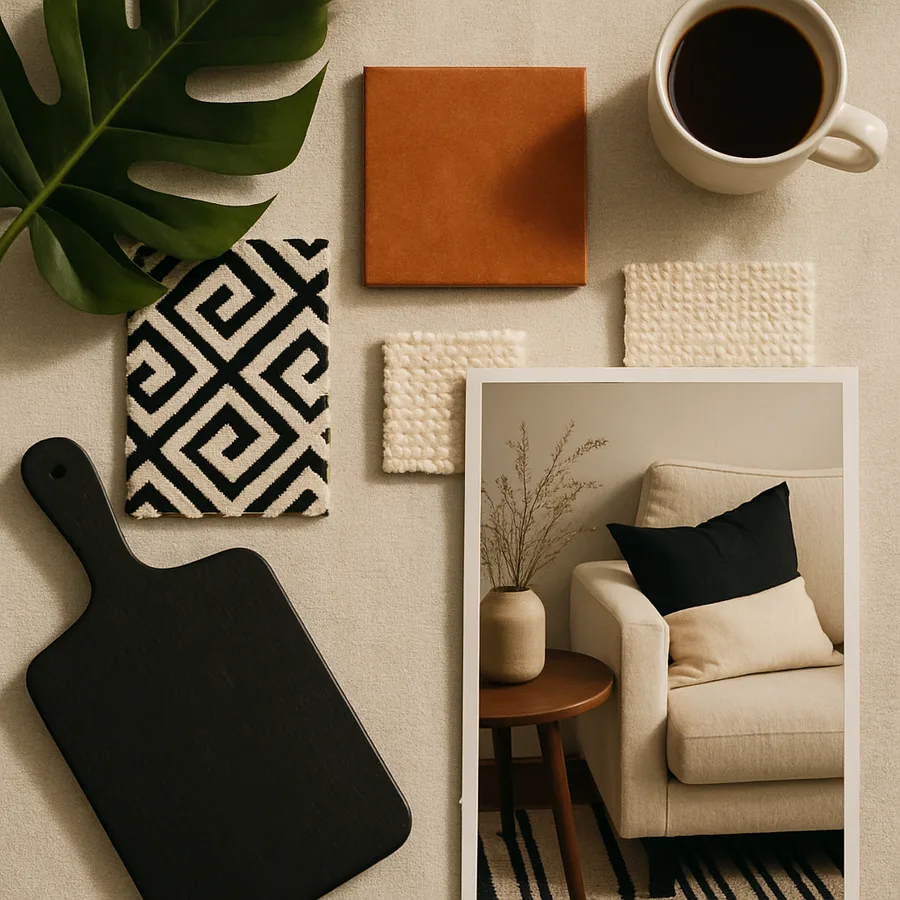
The way we design our homes speaks volumes about who we are, how we live, and what we value most deeply. Interior design is no longer simply about aesthetics or following the latest magazine spreads; it has evolved into a thoughtful discipline that balances beauty, functionality, and personal expression. According to the American Society of Interior Designers (ASID), nearly 78% of homeowners reported that a well-designed interior significantly improved their overall quality of life. Whether you are embarking on a full renovation or simply refreshing a single room, understanding the most impactful design trends can help you make informed decisions that stand the test of time. The goal is not to chase fleeting fads but to embrace approaches that genuinely enhance your daily experience at home. In this comprehensive guide, we explore the trends that are reshaping residential interiors and offer practical advice for incorporating them into your own space.
Interior design professionals, including those certified through the National Council for Interior Design Qualification (NCIDQ), emphasize that the best trends are rooted in real human needs rather than purely decorative impulses. From the resurgence of natural materials to the rise of technology-integrated living spaces, today's trends reflect a broader cultural shift toward intentional, mindful living. The International Interior Design Association (IIDA) has noted a marked increase in demand for spaces that promote wellness, sustainability, and adaptability. These are not passing whims but rather enduring movements that will continue to shape how we think about our homes for decades to come.
Have you ever walked into a room and immediately felt a sense of calm, energy, or inspiration? That visceral response is the power of good design at work. Throughout this article, we will break down the most significant trends transforming homes right now, providing you with actionable insights and expert-backed recommendations. Whether your style leans traditional, contemporary, or somewhere in between, there is something here for every homeowner ready to elevate their living environment.
Biophilic Design and the Return to Nature
Biophilic design, the practice of incorporating natural elements into interior spaces, has moved from niche concept to mainstream movement. This approach recognizes the innate human need to connect with nature, even within the confines of our built environments. Research published in partnership with the International Interior Design Association (IIDA) found that biophilic design elements can reduce stress levels by up to 37% and improve cognitive function by 15%. Designers are integrating living walls, indoor gardens, natural stone surfaces, and abundant plant life to create spaces that breathe and feel alive. The result is an environment that nourishes both body and mind, transforming ordinary rooms into restorative sanctuaries. Beyond plants, biophilic design encompasses natural light optimization, water features, and the use of organic shapes and patterns that echo the natural world.
The practical application of biophilic principles extends well beyond simply placing a potted fern on a windowsill. Thoughtful designers consider how natural materials like reclaimed wood, bamboo, cork, and stone can replace synthetic alternatives throughout a space. Flooring, wall treatments, countertops, and even furniture selections can all reflect this commitment to nature-inspired design. Large windows, skylights, and glass doors that blur the boundary between indoors and outdoors are becoming standard features in renovated homes. The textures, colors, and patterns found in the natural world serve as an inexhaustible palette for creating warm, inviting interiors that feel grounded and authentic.
What steps can you take to bring biophilic design into your own home without a complete overhaul? Start by assessing your relationship with natural light and identifying opportunities to maximize it through window treatments, mirror placement, or even strategic furniture arrangement. Introduce natural materials gradually, perhaps beginning with a reclaimed wood accent wall, stone coasters, or linen upholstery. Even small gestures, such as a collection of potted herbs in the kitchen or a moss art piece in the hallway, can shift the atmosphere of a room dramatically. The key is authenticity: choose materials and elements that genuinely connect you to the natural world rather than synthetic imitations.
Bold Color Palettes and Expressive Surfaces
After years of minimalist neutrals dominating interior design, bold color palettes are making a confident return. Homeowners and designers alike are embracing rich, saturated hues such as deep terracotta, forest green, sapphire blue, and warm ochre to inject personality and depth into living spaces. According to a Houzz survey, 42% of homeowners planning renovations expressed interest in incorporating at least one bold accent color into their primary living areas. This shift reflects a broader cultural desire for self-expression and individuality in home design. Color has the power to define a room's mood, influence emotions, and create focal points that draw the eye and spark conversation. The movement away from all-white interiors signals a collective readiness to embrace warmth, vibrancy, and visual richness.
Expressive surfaces extend the color conversation beyond paint to encompass textured wallpapers, patterned tiles, decorative plaster finishes, and hand-painted murals. These treatments add dimension and character that flat painted walls simply cannot achieve. Venetian plaster, lime wash, and mineral-based finishes create subtle variations in tone and texture that respond beautifully to changing light throughout the day. Patterned cement tiles in kitchens and bathrooms introduce geometric interest and cultural references that make spaces feel curated and intentional. Designers certified by NCIDQ often recommend using bold surfaces strategically, applying them to a single accent wall, a fireplace surround, or a powder room to create maximum impact without overwhelming the overall composition.
The art of working with bold color lies in balance and proportion. A deep jewel-toned wall pairs beautifully with lighter furnishings and metallic accents, while a vibrant patterned tile floor benefits from simpler cabinetry and understated hardware. Consider the room's orientation and natural light when selecting colors, as north-facing rooms may benefit from warmer tones while sun-drenched southern exposures can handle cooler, deeper shades. Sampling colors in your actual space, observing them at different times of day and under different lighting conditions, is essential before committing to a full application. The goal is to create a harmonious environment where color enhances the experience of the space rather than competing for attention.
Sustainable and Ethical Material Choices
Sustainability has evolved from a buzzword to a fundamental consideration in interior design practice. Homeowners are increasingly seeking materials that are responsibly sourced, non-toxic, durable, and recyclable, recognizing that design choices carry environmental consequences that extend far beyond the walls of their homes. The American Society of Interior Designers (ASID) reports that sustainable design practices have grown by over 60% among professional designers in the past five years alone. This encompasses everything from choosing low-VOC paints and finishes to selecting furniture made from FSC-certified wood, recycled metals, and organic textiles. The shift reflects a growing awareness that beautiful interiors and environmental responsibility are not mutually exclusive but rather deeply complementary.
Ethical material sourcing also involves understanding the supply chain behind the products we bring into our homes. Fair-trade textiles, artisan-crafted ceramics, and locally manufactured furniture reduce transportation emissions while supporting craftspeople and communities. Vintage and antique furnishings represent perhaps the most sustainable choice of all, giving new life to existing pieces while adding character and history to a space. The concept of circular design, where materials are chosen for their ability to be reused, repurposed, or recycled at the end of their useful life, is gaining traction among forward-thinking designers and homeowners. This approach challenges the disposable mentality that has long characterized the furniture industry.
Implementing sustainable choices does not require an unlimited budget or access to specialty suppliers. Many mainstream retailers now offer collections featuring recycled materials, organic fabrics, and responsibly sourced wood. Choosing quality over quantity, investing in fewer but better-made pieces that will last for years rather than filling a room with inexpensive items destined for the landfill, is itself a sustainable strategy. Consider the full lifecycle of every item you bring into your home: where did it come from, how long will it last, and what happens when you no longer need it? This mindful approach to material selection creates interiors that are not only beautiful but also aligned with values of stewardship and responsibility.
Multifunctional Spaces and Adaptive Furniture
The way we use our homes has fundamentally changed, and interior design is evolving to meet these new demands. Remote work, homeschooling, home fitness, and multi-generational living have all placed unprecedented pressure on residential spaces to serve multiple purposes simultaneously. The International Interior Design Association (IIDA) has documented a 55% increase in client requests for multifunctional room designs since the beginning of the remote work era. This trend goes beyond simply adding a desk to a spare bedroom; it involves rethinking spatial layouts, storage solutions, and furniture selections to create environments that fluidly adapt to different activities throughout the day. The most successful multifunctional spaces feel intentional and organized rather than compromised or cluttered.
Adaptive furniture plays a crucial role in making multifunctional spaces work effectively. Wall-mounted desks that fold away when not in use, dining tables that extend to accommodate both daily meals and large gatherings, and modular sofa systems that can be reconfigured for lounging, entertaining, or sleeping all represent this trend in action. Built-in storage solutions, including window seats with hidden compartments, staircases with integrated drawers, and floor-to-ceiling shelving systems, maximize every available square foot. Murphy beds have been reimagined with contemporary aesthetics, combining sleeping surfaces with integrated shelving, desks, and even sofas in single units that transform at the pull of a handle.
How can you design a room that successfully serves double or triple duty without feeling chaotic? The answer lies in clear zoning, consistent aesthetics, and smart storage. Use area rugs, lighting changes, and furniture arrangement to define distinct zones within a single room, such as a work zone and a relaxation zone within a living room. Maintain a cohesive color palette and material selection across all zones so the room reads as a unified whole. Invest in furniture with built-in storage to keep supplies, equipment, and materials organized and out of sight when not in use. The result is a space that supports your full range of daily activities without sacrificing beauty or comfort.
Textural Layering and Sensory Design
Interior design is increasingly recognized as a multi-sensory experience, and textural layering has become one of the most powerful tools for creating spaces that engage touch, sight, and even sound. The practice involves combining a variety of textures, smooth and rough, soft and hard, matte and glossy, to build visual depth and tactile richness within a room. A Houzz research report indicated that textural variety ranked among the top three priorities for homeowners redesigning their living rooms, surpassing even color selection in some demographics. This trend acknowledges that we experience our homes not just visually but physically, through the surfaces we touch, the fabrics we sink into, and the materials beneath our feet. Thoughtful textural composition transforms flat, one-dimensional rooms into layered, inviting environments.
Effective textural layering follows a logic of contrast and complement. A smooth leather sofa gains warmth when paired with chunky knit throw pillows, a woven jute rug, and a rough-hewn wooden coffee table. Glossy ceramic vases placed on a matte concrete shelf create visual tension that holds the eye's attention. Velvet upholstery against brushed metal frames, silk curtains beside exposed brick, and polished marble countertops next to hand-hewn wooden cutting boards all demonstrate the principle of opposites creating harmony. Designers recommend working with at least three to five distinct textures in any given room to achieve a sense of richness without tipping into visual chaos.
Sensory design extends beyond texture to encompass acoustics, scent, and temperature. Soft furnishings, heavy curtains, and upholstered wall panels absorb sound and create quieter, more peaceful environments. Natural scents from fresh flowers, beeswax candles, and essential oil diffusers add an invisible but powerful layer to the sensory experience of a room. Even the thermal qualities of materials matter: stone and tile feel cool underfoot in summer, while wool and sheepskin rugs provide warmth during colder months. By designing for all the senses, you create a home that does not just look beautiful but truly feels like a sanctuary.
Artisanal Craftsmanship and Personalized Details
In an era of mass production and algorithmic sameness, there is a growing hunger for spaces that reflect individual taste, cultural heritage, and human craftsmanship. Artisanal elements, from hand-thrown pottery and custom metalwork to bespoke cabinetry and hand-woven textiles, infuse interiors with a sense of authenticity that factory-made products cannot replicate. The American Society of Interior Designers (ASID) has highlighted artisanal craftsmanship as one of the defining movements in contemporary residential design. These pieces carry the marks of their makers, the slight irregularities, variations in color, and organic forms that tell a story of skill, tradition, and human connection. Incorporating artisanal elements elevates a space from merely decorated to genuinely curated.
Personalized details extend beyond furniture and decorative objects to encompass architectural elements and custom finishes. Hand-laid mosaic tiles in a bathroom, a custom-built reading nook designed to fit a specific alcove, or a staircase railing forged by a local blacksmith all contribute to a sense of uniqueness that makes a home truly one-of-a-kind. Commissioning local artisans not only results in distinctive pieces but also supports the creative economy and preserves traditional craft techniques that might otherwise disappear. The NCIDQ-certified designers who champion this approach understand that the most memorable interiors are those that could not exist anywhere else because they were created specifically for a particular space and a particular person.
You do not need to commission an entire houseful of custom pieces to benefit from artisanal craftsmanship. Begin by identifying one or two key moments in your home where a handcrafted element would have the greatest impact: perhaps a statement light fixture in the entryway, a hand-carved wooden bowl on the dining table, or a piece of original art above the fireplace. Visit local craft fairs, artist studios, and independent workshops to discover makers whose work resonates with your aesthetic. Mix these artisanal pieces with your existing furnishings to create a layered, collected look that evolves over time rather than appearing as if it were purchased all at once from a single catalog.
Conclusion
The interior design trends reshaping our homes share a common thread: they prioritize human experience, environmental responsibility, and authentic self-expression over superficial decoration. From the restorative power of biophilic design to the warmth of artisanal craftsmanship, from bold color palettes to the practical ingenuity of multifunctional spaces, these movements reflect a maturing understanding of what it means to live well at home. The statistics from organizations like ASID, IIDA, and Houzz confirm what many homeowners intuitively feel: that investing in thoughtful, intentional design pays dividends in comfort, wellbeing, and daily satisfaction.
Transforming your space does not require a massive budget or a complete overhaul. It begins with understanding which trends align with your lifestyle, values, and aesthetic preferences, and then implementing changes incrementally and thoughtfully. Start with one room, one wall, or even one piece of furniture, and allow your design to evolve organically over time. The most beautiful homes are not those that perfectly replicate a showroom but those that authentically reflect the lives, stories, and passions of the people who inhabit them.
Ready to begin your own design transformation? Take the first step by identifying one trend from this guide that resonates most deeply with you and explore how you might incorporate it into your home this month. Share your progress with friends, family, or an online design community, and discover how even small, intentional changes can profoundly alter the way you experience your living space.
More Articles You May Like


Comments
Post a Comment