Transform Your Space: 10 Home Interior Design Trends for 2024
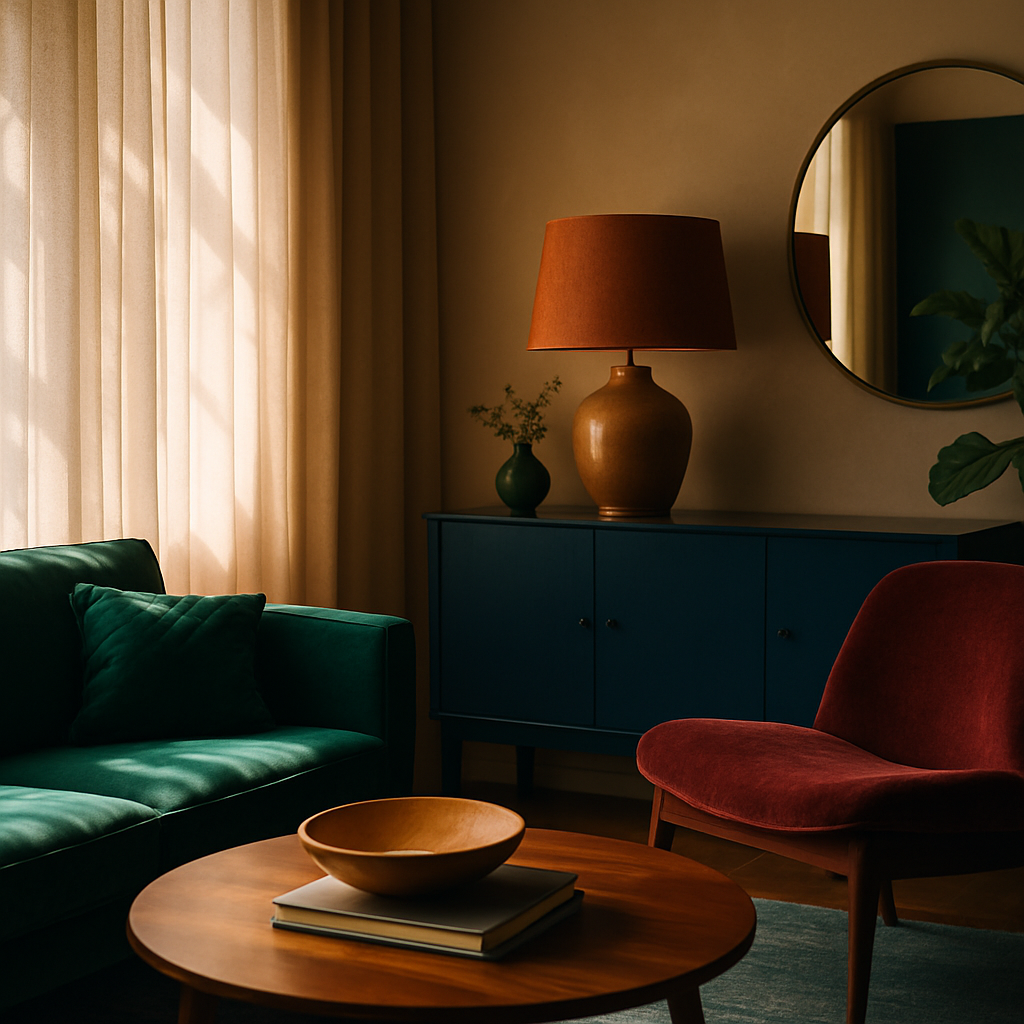
Have you ever walked into a room and immediately felt a sense of calm and inspiration? That's the power of well-executed interior design, and it's more accessible than you might think. As we head into 2024, a collection of exciting trends can transform your home into a space that not only looks beautiful but also functions perfectly for your lifestyle. From the resurgence of natural materials to the integration of smart home technology, these trends offer something for everyone. In this article, we'll explore ten standout trends that will redefine home interiors, providing you with the insights needed to create a space that truly reflects your personal style.
Embracing Biophilic Design
Biophilic design is one of the most impactful interior design trends for 2024, focusing on the connection between nature and indoor spaces. This trend emphasizes natural materials, living walls, and an indoor-outdoor flow that brings the tranquility of the outside world into your home. According to Houzz, incorporating elements like wood, stone, and greenery can significantly enhance the ambiance of any room. Biophilic design not only improves aesthetics but also boosts mental well-being, as studies have shown that exposure to natural elements reduces stress and increases productivity.
Imagine a living room where sunlight filters through large windows, casting shadows on a floor of reclaimed wood while lush plants breathe life into corners. This is the essence of biophilic design. Designers are increasingly using natural textures and colors to create harmony within spaces. The American Society of Interior Designers (ASID) suggests that even small changes, like adding a few potted plants or a natural fiber rug, can have a profound effect on your home's atmosphere.
The trend goes beyond mere aesthetics-it's about creating a healthier living environment. Natural materials can improve air quality, while the presence of plants has been linked to reduced levels of indoor pollutants. As you consider your next redesign, ask yourself how you can incorporate more of nature's soothing touch into your home. This seamless blend of indoors and outdoors sets the stage for the next trend: quiet luxury.
The Allure of Quiet Luxury
Quiet luxury is a trend characterized by understated elegance and subtle sophistication. Unlike ostentatious displays of wealth, quiet luxury focuses on quality over quantity, emphasizing well-crafted, timeless pieces. According to Architectural Digest's AD PRO network, this approach to design is about curating spaces that exude comfort and refinement without the need for flashy embellishments.
Consider the appeal of a minimalist space furnished with a few key pieces-a bespoke sofa with intricate stitching, silky drapes that pool elegantly on the floor, or a handcrafted dining table made from sustainably sourced wood. These elements exemplify quiet luxury by combining simplicity with high-quality materials. Experienced professionals often note that this trend allows homeowners to invest in pieces that offer longevity, both in durability and style.
Quiet luxury also dovetails with the growing demand for sustainable design practices. By choosing fewer, better items, you're not only elevating your home's aesthetic but also contributing to a more sustainable lifestyle. As you explore this trend, think about which pieces in your home could be replaced with higher-quality alternatives. This focus on quality and sustainability leads us to the next trend: smart home integration.
Smart Home Integration
In 2024, smart home technology has become a staple in modern interior design, seamlessly blending convenience with style. Smart lighting systems, climate control, and automated window treatments are just a few ways technology is being integrated into home design. According to a recent survey by ASID, over 60% of homeowners are interested in incorporating smart technology during renovations.
The beauty of smart home integration lies in its ability to personalize your living space. Imagine waking up to natural light as your blinds automatically rise, or adjusting the ambiance of a room with a simple voice command. These technologies not only enhance comfort but also improve energy efficiency, thereby reducing utility costs. Tools like Google Nest and Apple HomeKit offer user-friendly interfaces that make controlling your environment a breeze.
As you consider upgrading your home with smart technology, assess which areas of your daily routine could benefit from increased automation. Could your mornings be smoother with automated coffee brewing, or your evenings more relaxing with pre-set lighting? By identifying these opportunities, you can create a more connected and efficient home. This emphasis on integration naturally transitions into the next trend: sustainable and reclaimed materials.
Sustainable and Reclaimed Materials
Sustainability remains a key focus in interior design, with 2024 trends highlighting the use of recycled and reclaimed materials. This approach not only reduces environmental impact but also adds unique character to your home. According to Houzz's annual survey data, more than 50% of homeowners are prioritizing eco-friendly materials in their redesigns.
Reclaimed wood, recycled metal, and upcycled furniture are making waves as designers and homeowners seek to create stylish yet sustainable spaces. Consider a dining table crafted from reclaimed barn wood or a kitchen backsplash made from recycled glass tiles. These materials tell a story and bring an authentic feel to interiors that newly manufactured items often lack.
By choosing sustainable materials, you're contributing to a larger movement towards environmental responsibility. The International Interior Design Association (IIDA) supports initiatives that promote the use of eco-friendly materials, emphasizing their role in reducing waste and conserving resources. As you plan your next home update, reflect on how you can incorporate these materials to create a space that not only looks good but does good. This focus on sustainability naturally leads to our next trend: Japandi style.
The Serenity of Japandi Style
Japandi style, an enticing blend of Japanese minimalism and Scandinavian warmth, has gained traction as a top interior design trend for 2024. This style merges the clean lines and functional elegance of Japanese design with the cozy, inviting elements of Scandinavian interiors. According to the National Council for Interior Design Qualification (NCIDQ), Japandi style emphasizes simplicity, functionality, and a connection with nature.
Imagine a space with light wood floors, neutral color palettes, and simple yet elegant furniture that invites relaxation. Japandi style is all about creating a serene environment that encourages peace and mindfulness. The use of natural materials, such as bamboo and wool, enhances this tranquility while maintaining a modern aesthetic.
As you explore Japandi style, consider how you can simplify your space to promote a sense of calm. Which items are essential and which can be removed to achieve a more minimalist look? By focusing on quality, functionality, and aesthetics, you can create a soothing environment that reflects the principles of Japandi design. This thoughtful approach sets the stage for the final trend: AR/VR room visualization tools.
AR/VR Room Visualization Tools
Augmented Reality (AR) and Virtual Reality (VR) tools have revolutionized the way homeowners approach interior design, offering a cutting-edge way to visualize design changes before committing. These technologies allow you to experiment with different layouts, color schemes, and furniture pieces in a virtual space, providing a clear picture of potential outcomes.
Platforms like Houzz and Pinterest have integrated AR/VR features, enabling users to see how a new sofa would look in their living room or how different paint colors transform a space. This capability is particularly beneficial for those who struggle with visualizing design concepts or are unsure about committing to major changes. The ability to preview modifications reduces the risk of costly mistakes and enhances satisfaction with the final result.
As you consider using AR/VR tools for your next project, think about which areas of your home you'd like to experiment with. Could a different layout improve the flow of your living room? Would a bold color choice elevate your bedroom's aesthetic? By utilizing these tools, you can make more informed decisions and achieve a design that truly meets your expectations. With these insights, we now move to conclude our exploration of top trends.
Final Thoughts on 2024 Design Trends
The interior design trends for 2024 offer a diverse array of options for transforming your home into a space that is both beautiful and functional. From the natural allure of biophilic design to the innovative possibilities of AR/VR tools, each trend provides unique opportunities to enhance your living environment. As you plan your next redesign, consider how these trends can be tailored to fit your lifestyle and aesthetic preferences.
Are you drawn to the calming influence of nature, or do you prefer the sleek integration of technology? Perhaps the minimalist charm of Japandi style speaks to you. Whatever your preference, these trends offer the flexibility to create a home that truly reflects who you are. By embracing these concepts, you'll not only enhance the visual appeal of your space but also improve its functionality and sustainability. With this comprehensive understanding, let's move to a call to action.
Conclusion: Take the Next Step in Transforming Your Space
Incorporating these top interior design trends into your home can yield remarkable transformations, both visually and functionally. Whether you're drawn to the serenity of Japandi style or the convenience of smart home technology, there's a trend that can elevate your space. Don't wait to start your redesign journey-begin by exploring designer portfolios on platforms like Houzz and Pinterest. Even dedicating just 20 minutes to research can sharpen your eye for what resonates with your personal style.
Consider reaching out to certified interior designers through ASID, IIDA, or local AIA chapters to gain professional insights and guidance tailored to your specific needs. Remember, a well-designed interior can enhance your quality of life and even increase your home's resale value by 5-15%. Start your transformation today and create a space that not only meets but exceeds your expectations.


Comments
Post a Comment