Transform Your Space: 10 Interior Home Design Trends You Can't Miss
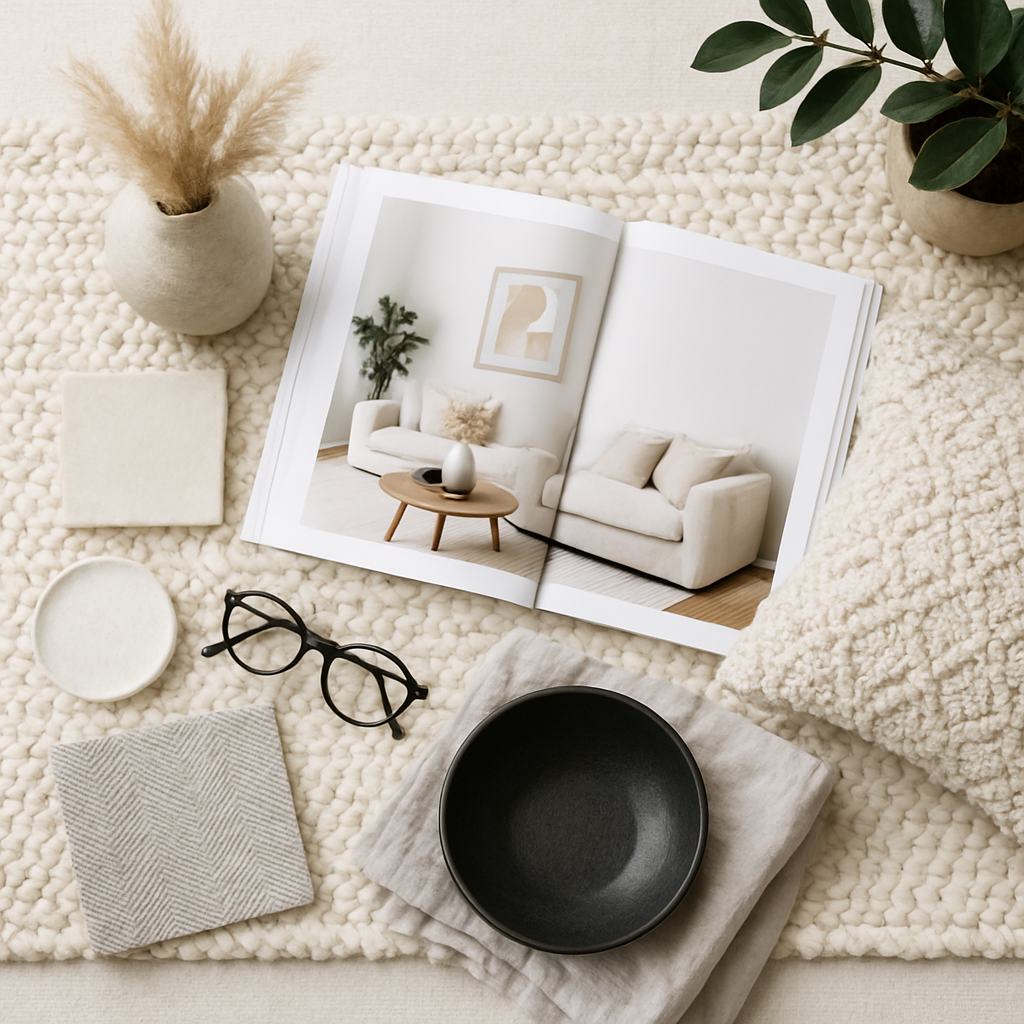
Have you ever walked into a room and felt an immediate sense of calm or excitement? This feeling often stems from the power of thoughtful interior design. According to the American Society of Interior Designers (ASID), a well-designed space can boost your mood and increase your home's resale value by 5-15%. In this article, we will explore 10 transformative interior design trends that are making waves in the design world. From biophilic design to smart home integration, these trends offer something for every taste and budget. Whether you're planning a complete home makeover or just looking to refresh a single room, these strategies will inspire and guide you toward creating a space you love.
Biophilic Design: Bringing Nature Indoors
The concept of biophilic design is rooted in the idea of reconnecting with nature in our built environments. This approach incorporates natural materials, light, and vegetation to create spaces that promote wellness and reduce stress. According to a study by the International WELL Building Institute, environments that incorporate natural elements can lead to a 25% increase in occupant satisfaction and productivity. To bring biophilic design into your home, consider adding elements such as a living wall, incorporating natural wood finishes, or maximizing natural light with large windows.
Biophilic design isn't just about aesthetics; it's also about functionality and health. Plants can improve indoor air quality by reducing toxins and increasing oxygen levels. Experienced professionals often note that incorporating greenery into your home can also improve your mental health by reducing anxiety and boosting mood. The trend toward indoor-outdoor living spaces, seen in both residential and commercial designs, underscores the growing desire to blend the boundaries between indoor comfort and outdoor beauty.
How can you start integrating biophilic design into your home? Begin with small changes such as positioning furniture to face windows or adding potted plants to your living space. You might also explore larger projects like installing skylights or creating a garden room. As you implement these changes, consider how each element contributes to a calming, natural aesthetic that enhances your daily life.
Quiet Luxury: The Rise of Understated Elegance
In recent years, the concept of quiet luxury has emerged as a dominant trend in interior design. It focuses on creating spaces that exude understated elegance rather than opulence. This trend is characterized by high-quality materials, refined craftsmanship, and a neutral color palette. According to Houzz, homeowners increasingly prefer minimalist designs with a focus on quality over quantity, resulting in spaces that feel both luxurious and livable.
Quiet luxury is not about flaunting wealth but about appreciating the subtle beauty in simplicity. This approach often involves investing in fewer but better-quality pieces, such as a handcrafted wooden table or a custom wool rug. Renowned designers on platforms like Architectural Digest's AD PRO emphasize the importance of selecting timeless pieces that can adapt to changing tastes and styles. This trend encourages a mindful approach to decorating, wherein each item is chosen for its beauty, function, and longevity.
Are you ready to embrace quiet luxury in your home? Start by decluttering your space and focusing on the essentials. Consider upgrading key pieces of furniture or introducing high-quality textiles like cashmere throws or linen drapes. By curating your space with intention, you can achieve a sophisticated look that feels both personal and timeless.
Smart Home Integration: The Future of Living
As technology continues to evolve, smart home integration has become an integral part of modern living. This trend involves using technology to enhance comfort, convenience, and energy efficiency within the home. From automated lighting systems to voice-controlled assistants, smart home features are designed to simplify everyday tasks and improve the overall living experience.
The market for smart home devices is booming, with surveys by the Consumer Technology Association indicating that over 60% of homeowners are interested in adopting smart technologies. These systems can range from simple plug-and-play devices to complex home automation setups. For instance, smart thermostats allow you to control your home's climate remotely, while smart lighting systems can be programmed to adjust based on the time of day or presence in a room.
Curious about how to incorporate smart technology into your home design? Start with a smart speaker or hub, which can control various connected devices through voice commands. Expand from there by adding smart bulbs, thermostats, or security systems. As you become more comfortable with these technologies, you may explore more advanced options like automated window treatments or integrated home entertainment systems. The key is to choose technologies that enhance your daily life without overwhelming you.
Sustainable and Reclaimed Materials: Eco-Friendly Choices
Sustainability is a key consideration in contemporary interior design, with more homeowners seeking eco-friendly options that reduce their environmental impact. This trend involves using sustainable and reclaimed materials in home design to create beautiful and responsible spaces. According to the IIDA, incorporating sustainable materials can lead to significant energy savings and a reduced carbon footprint.
Reclaimed wood, recycled metals, and natural fibers are popular choices for those looking to design sustainably. These materials not only reduce waste but also add character and uniqueness to your space. Designers often recommend using reclaimed materials for feature walls, flooring, or custom furniture pieces. The beauty of these materials lies in their imperfections, which tell a story and provide a sense of history.
How can you integrate sustainable materials into your existing design? Start by identifying areas where you can replace synthetic materials with natural alternatives. Consider using bamboo or cork flooring, or opt for recycled glass tiles in your kitchen or bathroom. Each change, no matter how small, contributes to a more sustainable and personalized living environment.
Japandi: A Fusion of Minimalism and Warmth
Japandi design is a hybrid trend that combines the simplicity of Japanese minimalism with the warmth and coziness of Scandinavian design. This style emphasizes functionality, clean lines, and a neutral color palette, creating a serene and inviting atmosphere. The International Interior Design Association (IIDA) notes that this fusion appeals to a wide audience due to its balance of form and function.
The key to achieving the Japandi look is to focus on simplicity and purpose. This means decluttering your space and choosing furniture and decor that serve a specific function. Natural materials like wood and stone are central to this aesthetic, as are handcrafted items that add a personal touch. Texture is also important, with soft textiles and subtle patterns adding depth to the muted color schemes.
Ready to try Japandi in your home? Begin by streamlining your spaces, removing unnecessary items, and focusing on quality over quantity. Incorporate natural elements such as wood and wool, and select furnishings with a minimalist design. By blending the best of both worlds, you can create a home that is both stylish and comfortable.
Final Perspectives on Transforming Your Space
As we've explored, these interior design trends offer a multitude of options for transforming your space into a reflection of your personal style and values. Whether you're drawn to the natural beauty of biophilic design, the quiet elegance of understated luxury, or the practical benefits of smart home integration, there are countless ways to refresh and enhance your living environment.
Before making any changes, consider what aspects of your home currently serve you well and what areas might benefit from an update. Reflect on the trends that resonate most with you and how they can be tailored to suit your lifestyle and preferences. By approaching the design process with intention and creativity, you can create a space that is uniquely yours.
Conclusion
Incorporating these 10 transformative interior design trends can significantly enhance the aesthetic and functionality of your home. Whether you're embarking on a full-scale renovation or making small adjustments, these ideas provide a solid foundation for creating a space that you love. Start by exploring designer portfolios on platforms like Houzz or Instagram to gather inspiration and refine your vision. Even dedicating 20 minutes a week to research can sharpen your eye for design and help you make informed choices. Ready to begin your transformation journey? Start today by identifying one trend that excites you and take the first step towards integrating it into your home.


Comments
Post a Comment