How to Choose the Right Interior Designer for Your Home Renovation
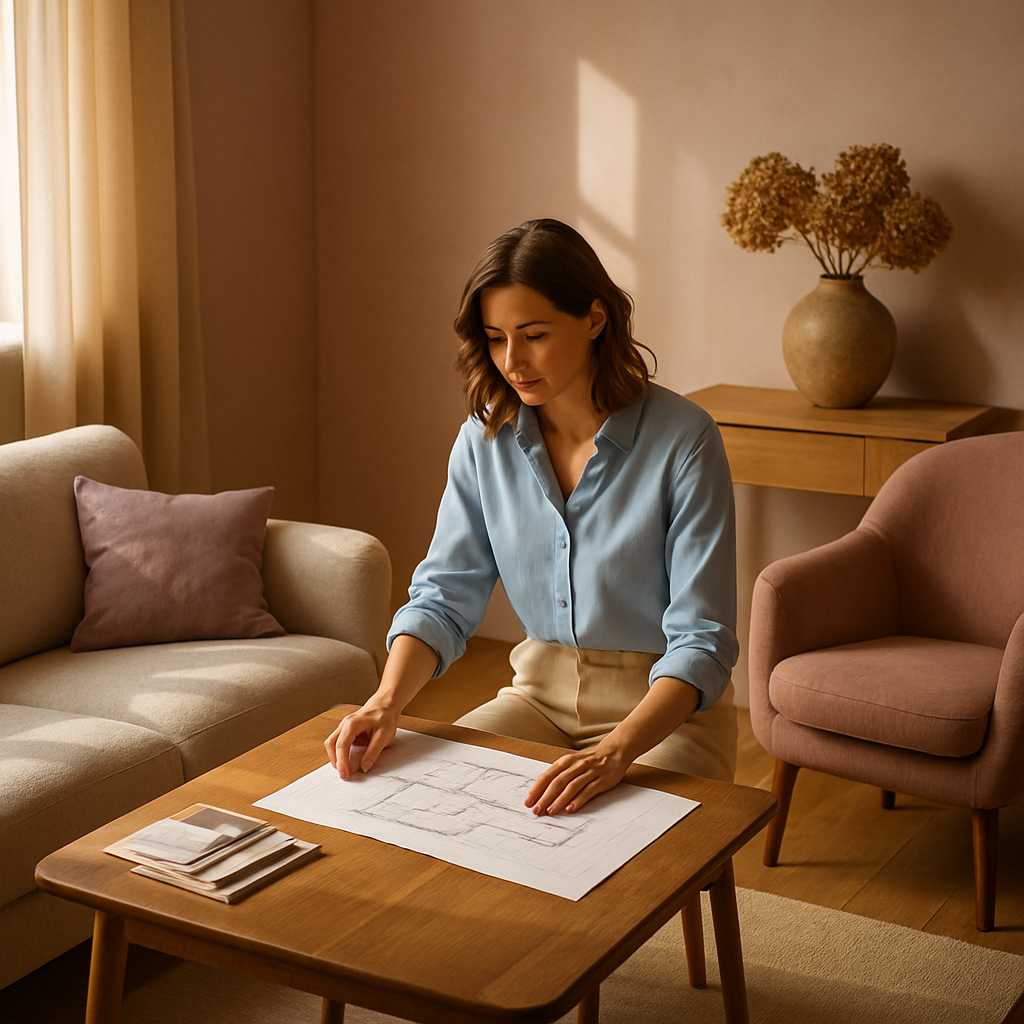
Imagine walking into your newly renovated home, where every room feels perfectly crafted to reflect your personality and lifestyle. This dream can become a reality with the right interior designer. But with so many professionals out there, how do you choose the right one for your home renovation? According to a Houzz survey, over 70% of homeowners who renovated in the past year sought professional design help. This guide will walk you through the essential steps to select an interior designer who aligns with your vision, budget, and project scope. We'll delve into understanding the role of interior designers, deciphering fee structures, leveraging industry credentials, and much more.
Understanding the Role of Interior Designers
At its core, the role of an interior designer extends beyond mere aesthetics. A certified interior designer, often holding credentials like NCIDQ (National Council for Interior Design Qualification), ASID (American Society of Interior Designers), or IIDA (International Interior Design Association), is equipped to enhance both the functionality and visual appeal of your space. They work on everything from spatial planning to material selection, ensuring that your home not only looks good but also meets building codes and regulations.
Why is this distinction important? Certified designers undergo rigorous training and examinations, preparing them to tackle complex renovations that involve structural changes. This expertise is particularly crucial if your project includes altering layouts or integrating smart technologies. The difference between hiring a certified interior designer and a decorator who lacks formal certification can be significant in terms of project outcome and satisfaction.
Moreover, interior designers often collaborate with architects, contractors, and other specialists, ensuring a cohesive approach to your renovation. Their ability to coordinate diverse elements and professionals can save you both time and money in the long run. As you consider your renovation goals, think about how an interior designer's comprehensive skill set can bring those goals to fruition.
Analyzing Fee Structures and Budgeting
One of the first considerations when selecting an interior designer is understanding their fee structure. Designers typically charge in one of three ways: a flat fee, an hourly rate, or a percentage of the total project cost. Flat fees are often used for smaller, clearly defined projects. Hourly rates can range from $150 to $500, depending on the designer's experience and location. For larger projects, a percentage of the total cost-typically 10% to 25%-might be the most efficient approach.
Budgeting for your renovation is essential, and knowing how designers charge will help you manage your finances effectively. According to industry surveys by the American Institute of Architects (AIA), most homeowners spend between $50,000 and $150,000 on full-home renovations. Considering that a well-designed interior can increase your home's resale value by 5% to 15%, investing in a skilled designer can offer substantial returns.
When discussing fees, transparency is key. A reputable designer will provide a detailed proposal outlining their services, costs, and payment schedule. Don't hesitate to ask about procurement markups on furniture and other materials. Understanding these aspects will give you a clearer picture of the total investment required for your renovation.
Strategies for Finding the Right Designer
Finding the right interior designer involves more than just a Google search. Start by exploring platforms like Houzz or the ASID directory, where you can view portfolios and client reviews. Pay attention to designers whose style resonates with your vision and who have completed projects similar to yours. This initial research phase is crucial for narrowing down potential candidates.
Once you have a shortlist, reach out for initial consultations. During these meetings, discuss your project goals, timeline, and budget. Experienced professionals often note that a designer's ability to listen and adapt to your needs is as important as their design skills. Pay attention to how they respond to your ideas and whether they offer innovative solutions.
Additionally, ask about their process. A typical project might include phases such as concept development, design presentation, procurement, installation, and styling. Understanding their approach will help you gauge their organizational skills and whether they can manage your project effectively. As you evaluate potential designers, consider how their methodology aligns with your expectations.
Leveraging Industry Credentials and Resources
Credentials are more than just letters after a name; they signify a designer's commitment to their craft. When evaluating potential designers, look for certifications such as NCIDQ, which is widely regarded as the gold standard in interior design qualifications. These credentials assure you that the designer has met stringent education and experience requirements.
Beyond individual credentials, explore resources offered by professional organizations like the ASID and IIDA. These organizations provide directories, design awards, and continuing education opportunities that keep designers at the forefront of industry trends. By choosing a designer who is actively engaged with these bodies, you ensure they're informed about the latest materials, technologies, and sustainable practices.
Experienced designers often stay ahead of trends, incorporating elements like biophilic design, smart home integration, and sustainable materials into their projects. When interviewing designers, inquire about their familiarity with these trends and how they've applied them in past projects. Their responses can give you insights into their ability to innovate and adapt.
Considering Design Trends and Personal Style
In 2026, design trends like Japandi-combining Japanese minimalism with Scandinavian warmth-and quiet luxury are making waves. Understanding these trends can help you articulate your style preferences to potential designers. Are you drawn to the clean lines and natural materials of Japandi, or do you prefer the understated elegance of quiet luxury?
Your designer should not only be aware of these trends but also adept at integrating them with your personal style. This synthesis of current trends with individual taste is what transforms a house into a home. During your consultations, ask designers how they balance trend integration with client personality and lifestyle. Their ability to tailor their designs to individual clients can be a deciding factor in your selection process.
Furthermore, platforms like Pinterest and Instagram can serve as valuable resources for visual inspiration. Curating a collection of images that reflect your style preferences can be a helpful tool during your discussions with designers. This visual dialogue can foster a deeper understanding between you and your designer, ensuring your vision is accurately translated into reality.
Final Thoughts on Making Your Selection
As you approach the decision of selecting an interior designer, remember that this partnership will shape the essence of your home. It's a collaboration that extends beyond mere transactions, involving mutual trust and shared vision. Your chosen designer will not only bring technical expertise but also guide you through the emotional journey of transforming your space.
Consider setting up a small initial project or design consultation to test the waters. This can provide insight into the designer's working style and how well they understand your needs. It's an opportunity to assess their problem-solving abilities and how they handle unexpected challenges.
Ultimately, your choice should resonate with your aspirations and comfort level, ensuring a smooth and rewarding renovation experience. The right designer will empower you to realize your home's potential, enriching your daily life in ways you may not have anticipated.
Conclusion: Taking the Next Steps
Choosing the right interior designer is a crucial step in your home renovation journey. By understanding their role, analyzing fees, and leveraging industry resources, you can make an informed decision that aligns with your vision and budget. Remember to prioritize open communication and trust in your designer's expertise to bring your dreams to life.
Now, start by browsing portfolios on platforms like Houzz or contacting local ASID chapters for recommendations. Even 20 minutes of research will sharpen your eye for what you want. Take the first step today towards creating a home that truly reflects who you are.



Comments
Post a Comment