Transform Your Space: Modern Contemporary Interior Design Trends
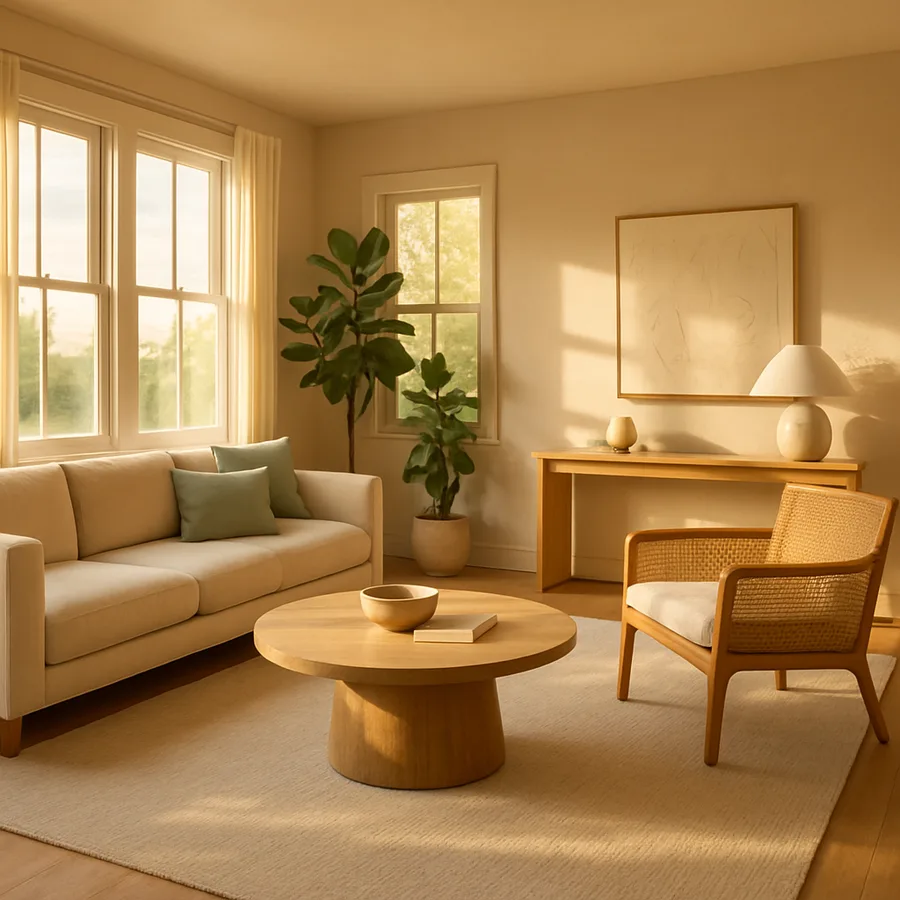
The world of modern contemporary interior design is in a state of dynamic evolution, as emerging trends reshape the way homeowners and designers think about living spaces, comfort, and aesthetic expression. Unlike fleeting fads that burn bright and disappear within a season, the trends defining modern contemporary design reflect deeper shifts in how people relate to their homes, their communities, and the natural environment. The American Society of Interior Designers (ASID) reports that 74% of homeowners now prioritize long-term livability and personal well-being over short-term visual impact when making design decisions, a philosophical shift that has profoundly influenced the direction of contemporary residential design. Understanding these trends empowers homeowners to make choices that feel current without sacrificing the timelessness that distinguishes genuinely good design from momentary fashion. This guide explores the most significant trends shaping modern contemporary interiors and offers practical guidance for integrating them into your own home.
Warm Minimalism and the Rejection of Sterile Spaces
The austere, all-white minimalism that dominated design media for much of the past decade is giving way to a warmer, more humanistic interpretation that retains the clean lines and intentional simplicity of its predecessor while infusing spaces with tactile comfort, organic materials, and a lived-in quality that welcomes rather than intimidates. This trend, often called warm minimalism, acknowledges that a home must serve as a sanctuary for daily life, not merely a photogenic backdrop for social media. Houzz surveys reveal that 82% of homeowners describe "cozy" as a primary goal for their living spaces, and warm minimalism delivers coziness without the visual clutter that contradicts contemporary design principles, proving that comfort and clarity are not mutually exclusive objectives.
The material palette of warm minimalism favors natural woods with visible grain, especially lighter species such as white oak, ash, and maple that bring warmth without heaviness; plaster or limewash wall finishes that add subtle texture and depth compared to flat paint; and textiles in natural fibers like linen, wool, and cotton that soften the crisp geometry of modern furniture forms. These materials introduce sensory richness through touch and visual texture rather than through pattern or saturated color, creating environments that feel inviting and grounded without sacrificing the spatial openness that defines modern contemporary aesthetics. The International Interior Design Association (IIDA) has noted that the shift toward natural materials reflects a broader cultural desire for authenticity and connection to the physical world in an increasingly digital age.
Implementing warm minimalism in your own home often begins with simple material swaps that shift the temperature of a room without altering its fundamental layout or color scheme. Replacing a glass-topped coffee table with one in natural walnut, exchanging synthetic throw pillows for linen or bouclé alternatives, or applying a limewash finish over flat white walls are all accessible changes that collectively transform the sensory experience of a space. The goal is not to add more objects but to ensure that the objects already present contribute warmth and tactile pleasure in addition to their functional and visual roles. Have you noticed how simply changing the material of a key piece can alter the entire atmosphere of a room?
Biophilic Design and the Indoor-Outdoor Connection
Biophilic design, which integrates natural elements and patterns into built environments to support human health and well-being, has moved from a niche academic concept to a mainstream design priority that shapes decisions at every scale, from urban planning to individual room layouts. In modern contemporary interiors, biophilic principles manifest through the inclusion of living plants, the use of natural materials with visible organic patterns, the maximization of natural daylight, and the creation of visual and physical connections between indoor spaces and outdoor landscapes. Research published by the National Council for Interior Design Qualification (NCIDQ) has documented measurable benefits of biophilic design in residential settings, including reduced cortisol levels, improved cognitive function, and enhanced self-reported well-being among occupants.
Beyond simply placing potted plants on windowsills, advanced biophilic design in modern contemporary homes incorporates living walls with integrated irrigation systems, indoor water features that provide both visual movement and soothing ambient sound, and materials such as rammed earth, natural stone, and reclaimed wood that bring the textures and colors of the natural landscape into the domestic environment. Large-format windows, sliding glass walls, and strategically placed skylights blur the boundary between inside and outside, allowing natural light and views of vegetation to permeate the interior and change character with the seasons, the weather, and the time of day. ASID has emphasized that this connection to natural cycles supports circadian health and creates living environments that feel alive rather than static.
Homeowners without access to expansive views or outdoor spaces can still incorporate biophilic principles through careful material selection and the strategic placement of natural elements. A collection of varied houseplants grouped at different heights near a window creates a concentrated zone of greenery that draws the eye and purifies the air. Choosing furniture and accessories made from natural materials with visible organic patterns, such as a marble-topped table with prominent veining or a wooden sideboard with a live edge, brings nature's visual complexity indoors without requiring outdoor access. Even nature-inspired artwork, photography of landscapes, or textiles with botanical prints can activate biophilic responses, though IIDA research suggests that actual living elements and genuine natural materials produce stronger well-being effects than representational substitutes.
Mixed Materials and Deliberate Contrast
Modern contemporary design has moved beyond the era of single-material dominance, where an entire room might be defined by the sleekness of glass and chrome or the warmth of wood, toward a more nuanced approach that celebrates the interplay between contrasting materials as a primary source of visual interest and spatial richness. A single room might combine matte black steel framing, honed marble surfaces, natural oak cabinetry, hand-thrown ceramic accessories, and bouclé upholstery, each material contributing its unique texture, sheen, and visual weight to a composition that is far more compelling than any single material could produce in isolation. This mixed-material approach requires careful calibration to avoid visual chaos, but when executed with discipline, it produces spaces of extraordinary depth and sophistication.
The key to successful material mixing lies in establishing a hierarchy that gives each material a clear role within the overall composition. One material typically serves as the dominant presence, covering the largest surface area and setting the room's overall tone; a second material provides supporting contrast, appearing at medium scale in furniture or architectural features; and additional materials appear as accents in smaller decorative elements and accessories. Houzz editors have noted that the most visually successful mixed-material rooms maintain this clear hierarchy while ensuring that no two adjacent surfaces share the same material, creating constant micro-contrasts that keep the eye engaged as it moves through the space.
Practical experimentation is the best way to develop confidence with material mixing, and homeowners can begin by introducing a single contrasting material into a room that currently relies too heavily on one dominant surface. A living room dominated by light wood might benefit from a black steel and glass side table that introduces an industrial counterpoint, or a kitchen with extensive white quartz countertops might gain depth from open shelving in reclaimed timber that introduces warmth and organic texture. Each addition should be evaluated not in isolation but in relationship to everything else in the room, asking whether the new material creates an interesting conversation with existing surfaces or simply adds noise. How would a single contrasting material element change the character of your most-used room?
Curved Forms and Organic Geometry
After years of rectilinear dominance, modern contemporary design is embracing curved and organic forms that soften spatial compositions and introduce a sense of movement and fluidity that strict right angles cannot achieve. Rounded sofas, arched doorways, circular mirrors, oval dining tables, and sculptural lighting fixtures with sinuous profiles are appearing with increasing frequency in contemporary interiors, creating a visual counterpoint to the straight lines of walls, windows, and built-in cabinetry. ASID has observed that curved furniture forms are particularly effective in open-plan spaces, where they help define functional zones without the visual barriers that rectangular furniture creates, encouraging flow and social interaction rather than compartmentalization.
The appeal of curved forms extends beyond aesthetics to encompass practical ergonomic and psychological benefits that support the wellness-centered priorities of contemporary homeowners. Rounded furniture edges reduce the risk of injury in households with young children, while curved seating arrangements promote inclusive conversation by eliminating the hierarchical head-of-the-table dynamic that rectangular furniture imposes. From a psychological perspective, research in environmental psychology suggests that curved forms are perceived as softer, safer, and more welcoming than angular ones, activating pleasure centers in the brain and reducing stress responses. These findings help explain the visceral sense of comfort that many people experience in rooms furnished with curved pieces, even when they cannot articulate why the space feels different from a conventional rectilinear arrangement.
Incorporating curves into a modern contemporary interior does not require replacing every piece of furniture; even a single curved element can transform the character of a room by disrupting its angular regularity and introducing an organic counterpoint that draws the eye. An arched mirror above a rectangular console table, a round coffee table centered in a formation of straight-lined sofas, or a sculptural curved floor lamp in the corner of a squared-off reading nook, each creates a focal point that softens the overall composition without undermining the clean-lined discipline that defines modern contemporary style. The NCIDQ recommends maintaining a ratio of approximately 70% rectilinear to 30% curved elements to achieve a balance that feels contemporary rather than whimsical, though individual preferences and room proportions should guide the specific calibration.
Statement Lighting as Sculptural Art
Lighting in modern contemporary interiors has evolved from a purely functional consideration into a primary vehicle for artistic expression, with statement fixtures serving as room-defining sculptural elements that command attention and establish aesthetic tone. The trend toward statement lighting reflects a broader cultural shift in which homeowners seek to personalize spaces through a few carefully selected pieces of exceptional design rather than distributing their budget across many generic items. IIDA research indicates that lighting is the single design element most frequently identified by homeowners as having the greatest impact on their perception of a room's overall quality, surpassing furniture, wall color, and flooring in its ability to elevate or diminish the impression of a space.
The range of statement lighting available to contemporary homeowners has expanded dramatically, encompassing everything from oversized geometric pendants and cascading multi-globe chandeliers to minimalist linear suspensions and artisan-crafted ceramic or blown-glass fixtures. The most effective statement lights function as focal points when illuminated and as sculptural objects when dark, contributing visual interest around the clock rather than only during evening hours. Materials such as brushed brass, matte black steel, hand-blown glass, natural stone, and woven fibers are popular choices that connect lighting fixtures to the broader material palette of modern contemporary design, ensuring that even the most dramatic fixture feels integrated into its surrounding environment rather than arbitrarily placed.
Selecting a statement light requires considering the fixture's scale in relation to the room and the furniture it will illuminate, its visual weight in relation to other objects in the space, and the quality and color temperature of the light it produces. A fixture that looks stunning in a product photograph may overwhelm a small dining area or produce an unflattering light quality that undermines the atmosphere of a living room. Houzz recommends choosing a pendant or chandelier whose diameter is roughly one-third to one-half the width of the table or surface it will hang above, and ensuring that the bottom of the fixture hangs at least 30 inches above a dining table surface to avoid obstructing sight lines across the table. These practical guidelines help ensure that a statement fixture enhances the room's function as well as its aesthetics.
Multifunctional Spaces and Flexible Furnishing
The post-pandemic reconfiguration of domestic life has permanently altered how homeowners use their rooms, driving a trend toward multifunctional spaces that can transition smoothly between work, relaxation, entertainment, and exercise throughout the day without requiring dedicated rooms for each activity. Modern contemporary design responds to this reality with furnishing strategies that emphasize flexibility, mobility, and adaptability, selecting pieces that serve multiple purposes or can be easily reconfigured to support different activities. A console that functions as both a workspace and a display surface, a dining table that converts to a craft or homework station, or a living room with modular seating that shifts from a casual TV-watching arrangement to a formal entertaining configuration, these flexible solutions reflect the practical intelligence at the heart of contemporary design.
The furniture industry has responded to this demand with a new generation of pieces specifically designed for multifunctional contemporary interiors, including coffee tables with hidden storage and lift-top mechanisms, wall-mounted desks that fold flat when not in use, and modular shelving systems that can be reconfigured as needs change over time. ASID has noted that furniture with concealed functionality, where the utilitarian features are invisible when not in active use, aligns perfectly with the clean-lined aesthetic of modern contemporary design, allowing rooms to maintain their visual composure regardless of which function is currently active. This principle of elegant concealment distinguishes modern multifunctional furniture from earlier generations of convertible pieces that often sacrificed visual quality for mechanical versatility.
Zoning, the practice of creating distinct functional areas within a single open room through visual and spatial cues rather than physical walls, is the spatial planning strategy that makes multifunctional contemporary interiors coherent and livable rather than chaotic and confusing. Area rugs define conversation zones, pendant lights mark dining areas, changes in flooring material signal transitions between living and cooking spaces, and strategic furniture placement creates implied boundaries that organize activities without blocking sight lines or natural light. The NCIDQ teaches zoning as a fundamental skill for professional designers, and homeowners who master its basic principles, using two to three different visual cues to define each zone, can create multifunctional spaces that feel intentional and organized rather than improvised and cluttered.
Conclusion
The trends shaping modern contemporary interior design reflect a maturation of the style from a primarily visual exercise into a holistic approach to creating environments that support physical well-being, emotional comfort, and the practical demands of contemporary domestic life. From the tactile warmth of natural materials and the health benefits of biophilic elements to the flexibility of multifunctional furnishing strategies and the expressive power of statement lighting, each trend contributes to a vision of home as a responsive, nurturing environment that adapts to its inhabitants rather than imposing rigid constraints. The common thread connecting these trends is intentionality, the commitment to making every design decision serve a purpose that goes beyond surface appearance to address how a space actually feels, functions, and supports the people who live within it.
Start by identifying the trend that addresses the most pressing need in your current living situation, whether that is the desire for more warmth and texture, better connection to nature, greater spatial flexibility, or a lighting scheme that elevates your daily experience of home. Implement changes incrementally, evaluating the impact of each addition before moving on to the next, and consult resources from organizations like ASID, IIDA, and Houzz for inspiration and practical guidance tailored to your specific situation. The transformation of your space begins not with a grand renovation but with a single intentional choice that shifts the direction of your home toward the modern contemporary ideals of clarity, warmth, and purposeful beauty.
More Articles You May Like



Comments
Post a Comment