Transform Your Space: Innovative Trends in Modern Interior Design
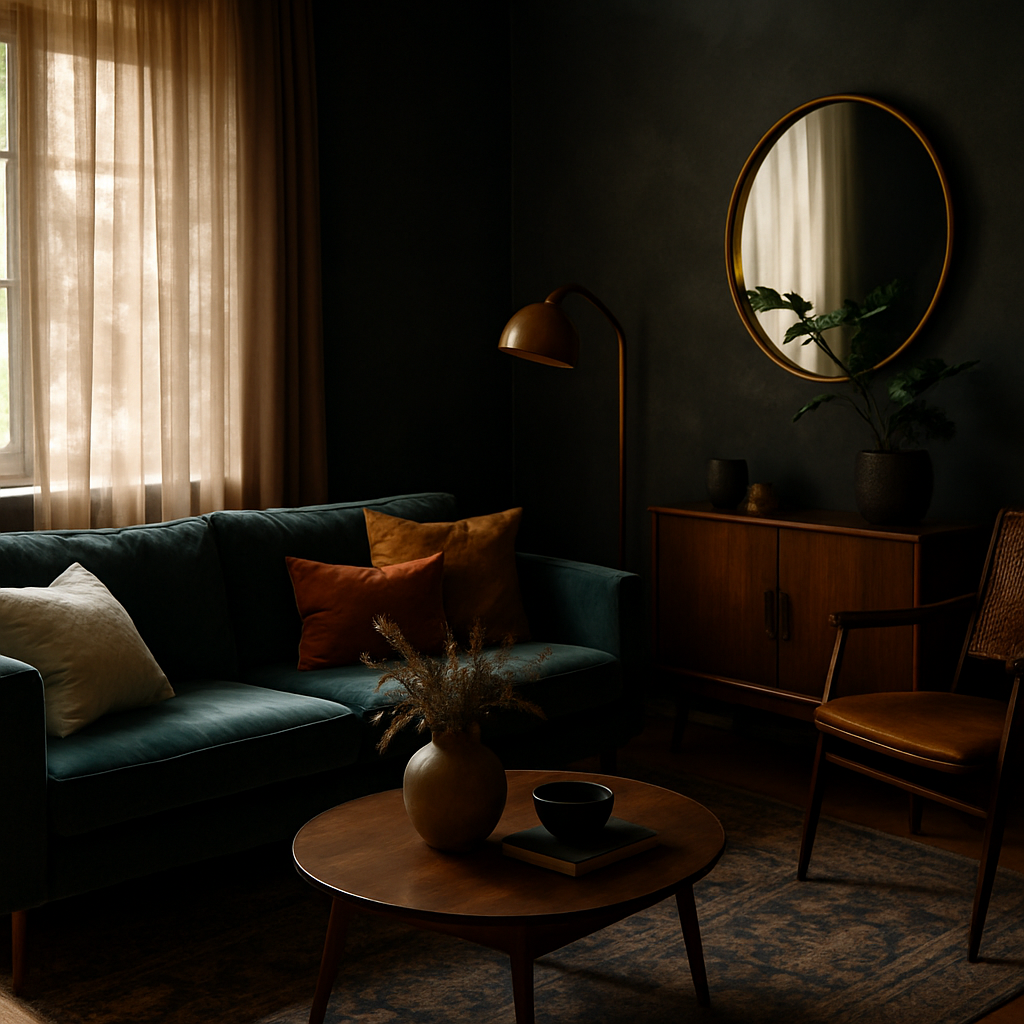
Imagine stepping into a room that feels like a breath of fresh air, where every element not only serves a purpose but also tells a story. According to a recent survey by Houzz, 77% of homeowners are investing in interior design to enhance their living experience. This surge in interest reflects a growing awareness of how our surroundings impact our well-being and productivity. In this article, we will explore transformative trends in modern interior design that can help you create spaces that are not only aesthetically pleasing but also functional and meaningful. We will delve into foundational concepts, analyze current data, and provide actionable strategies to guide your next project. Whether you're a homeowner or an aspiring designer, these insights will equip you with the knowledge needed to make informed decisions.
Understanding Foundational Concepts in Modern Design
At the heart of modern interior design lies a commitment to simplicity and purposeful living. This is epitomized by the rise of *Japandi*, a design philosophy that blends Japanese minimalism with Scandinavian warmth. This style emphasizes clean lines, natural materials, and a muted color palette to create serene environments. As the International Interior Design Association (IIDA) highlights, the Japandi style prioritizes functionality without sacrificing beauty, making it a popular choice for those seeking balance in their homes.
Biophilic design is another foundational concept gaining traction. By integrating natural elements like plants, water features, and sunlight into interiors, designers aim to foster a connection to nature. Research from the American Society of Interior Designers (ASID) suggests that such designs can reduce stress and improve cognitive function. Imagine incorporating a living wall into your home office-this not only enhances visual appeal but also boosts your productivity and well-being.
Smart home integration is also transforming how we interact with our spaces. Automated lighting, climate control, and window treatments offer convenience and energy efficiency. According to industry surveys, homes equipped with smart technology can see up to a 15% increase in resale value. These foundational concepts set the stage for a deeper understanding of how modern design can transform your living spaces.
Deeper Analysis: Data-Driven Trends
Delving deeper into modern design trends, data reveals significant shifts in consumer preferences. The annual Houzz survey indicates that spending on home renovations has increased by 15% over the past year, with a notable focus on eco-friendly materials. Homeowners are increasingly opting for sustainable and reclaimed materials, driven by a desire to reduce environmental impact and create healthier living spaces.
Moreover, the rise of quiet luxury-an understated elegance that values quality over ostentation-is reshaping luxury interiors. Industry experts note that consumers are gravitating towards high-quality materials and craftsmanship, prioritizing pieces that offer timeless appeal over fleeting trends. This approach not only elevates the aesthetic of a space but also ensures longevity and sustainability.
Another trend supported by data is the use of augmented reality (AR) and virtual reality (VR) tools in interior design. Designers are harnessing these technologies to provide clients with immersive visualizations of their projects. According to Architectural Digest's AD PRO network, these tools enhance client satisfaction by offering a clear preview of the final outcome, reducing the likelihood of costly changes during the installation phase. As we explore actionable strategies, consider how these data-driven trends might influence your design choices.
Actionable Strategies for Your Next Project
As you embark on your interior design journey, adopting actionable strategies can be invaluable. Start by assessing how you use each room. Map out where you drop your keys, where the kids do homework, and where you unwind at the end of the day. This practical approach ensures that your design choices enhance functionality, catering to your daily routines.
Next, consider your budget. A single-room redesign might range from $5,000 to $15,000, while a full-home project could exceed $50,000. Understanding these costs can help you prioritize which areas to focus on first. Industry professionals often advise starting with high-impact spaces like the kitchen or living room, where you spend the most time.
Don't overlook the power of mood boards. Platforms like Pinterest and Houzz offer endless inspiration and can help you refine your aesthetic preferences. By curating a collection of images and materials that resonate with you, you'll have a clearer vision to guide your design decisions. As we move into expert-level insights, reflect on how these strategies can be adapted to fit your unique situation.
Expert-Level Insights to Enhance Your Design
Experienced professionals often note that the devil is in the details when it comes to creating cohesive and impactful interiors. One key insight is the strategic use of color and texture to add depth and interest to a space. Layering different textures-such as mixing wood, metal, and soft textiles-can create a dynamic environment that feels both inviting and sophisticated.
Lighting is another critical element that experts emphasize. It is not only about functionality but also about setting the mood. Consider a combination of ambient, task, and accent lighting to highlight architectural features and create a warm atmosphere. Smart lighting systems can further enhance this by allowing you to adjust settings based on the time of day or activity.
When it comes to furniture, investing in quality pieces can make a significant difference. As the NCIDQ (National Council for Interior Design Qualification) suggests, opting for durable and timeless designs ensures that your investments stand the test of time, both in style and functionality. As we transition to additional depth, think about how these expert insights can elevate your design projects.
Additional Depth: Beyond the Basics
To truly transform your space, consider going beyond the basics with innovative solutions. Explore biophilic design by incorporating vertical gardens or indoor water features. These elements not only enhance aesthetics but also improve air quality and create a calming environment.
For those interested in smart home technology, consider systems that integrate multiple functions. Automated climate controls, voice-activated assistants, and smart security systems can all be part of a comprehensive approach to modern living. These technologies offer convenience and can lead to significant energy savings over time.
Finally, don't underestimate the impact of art and accessories. Thoughtfully chosen artwork and decor can personalize your space and reflect your personality. Industry surveys suggest that curated collections of art and accessories can significantly enhance the emotional connection you feel to your home. As we conclude, ponder how these additional elements can bring your design vision to life.
Final Perspectives on Transforming Your Space
As you explore the world of modern interior design, remember that transformation is a journey. It requires careful planning, a clear vision, and a willingness to embrace new concepts. By integrating the trends and strategies discussed, you can create spaces that not only meet your practical needs but also inspire and uplift you.
Consider how each element-from foundational concepts like Japandi and biophilic design to advanced technologies like AR/VR tools-can be tailored to fit your lifestyle. Your home should be a reflection of who you are, offering comfort, functionality, and beauty in equal measure. As we wrap up, think about the next steps you can take to start this exciting process.
Conclusion: Taking the Next Step
In summary, modern interior design offers a wealth of opportunities to transform your space in meaningful ways. By understanding foundational concepts, leveraging data-driven trends, and applying expert strategies, you can create a home that truly resonates with you. Are you ready to start your design journey? Begin by exploring designer portfolios on platforms like Houzz and Pinterest. Even a brief 20-minute session can inspire new ideas and help you clarify your vision. Don't wait-your transformed space is within reach.



Comments
Post a Comment