The Ultimate Guide to Choosing the Right Commercial Interior Design Services for Your Office
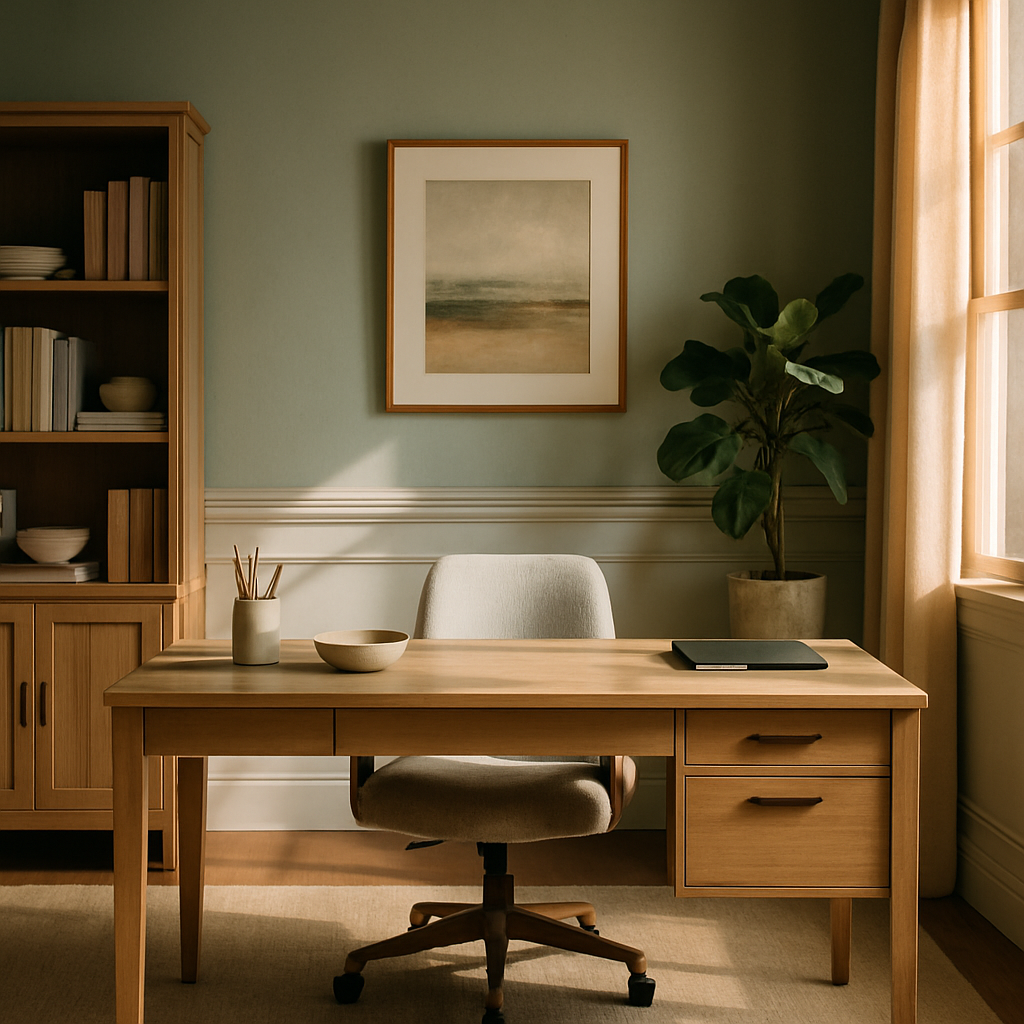
Is your office space hindering productivity rather than enhancing it? According to a recent survey by the American Society of Interior Designers (ASID), 68% of employees believe their work environment significantly affects their job satisfaction. The right commercial interior design services can transform your office into a hub of innovation and efficiency. This guide will walk you through the essential steps for selecting the ideal design partner, from understanding key concepts and analyzing industry data to implementing actionable strategies and diving into expert insights. Ready to revolutionize your workspace?
Understanding the Basics of Commercial Interior Design
Commercial interior design goes beyond aesthetics; it's about creating a functional and effective workspace that aligns with your business goals. The primary role of a commercial interior designer is to optimize space planning, which involves arranging furniture and workstations to maximize productivity and comfort. According to the International Interior Design Association (IIDA), effective space planning can increase office efficiency by up to 20%. This involves understanding workflow, employee interactions, and the technological needs of your business.
Another critical aspect is the selection of materials and finishes that can withstand the demands of a busy office environment. Designers often choose durable, high-quality materials that are easy to maintain. For example, commercial-grade carpets and modular flooring systems are popular choices due to their resilience and ease of replacement. Moreover, the use of ergonomic furniture is essential to ensure employee well-being, which can lead to reduced absenteeism and higher job satisfaction.
Lighting design also plays a pivotal role in commercial spaces. Proper lighting can enhance mood, reduce eye strain, and improve concentration. Designers may implement a combination of natural light, ambient lighting, and task lighting to create a balanced and adaptable environment. Have you considered how your current lighting setup might be impacting productivity? Understanding these foundational concepts is key to making informed decisions as you select interior design services for your office.
The Importance of Data-Driven Design Decisions
Data-driven design is transforming how businesses approach commercial interiors. Research from Houzz reveals that 52% of companies that invested in data-oriented design saw improvements in employee productivity. By analyzing user behavior and space utilization metrics, designers can craft environments that cater specifically to the needs of their clients. This approach not only enhances efficiency but also ensures a return on investment.
One practical example of data-driven design is the use of occupancy sensors to monitor how spaces are utilized throughout the day. These sensors provide valuable insights into peak usage times and underutilized areas, allowing designers to make informed adjustments. For instance, a company might discover that their conference rooms are frequently empty, prompting a redesign to convert some of that space into collaborative zones that better support team projects.
Incorporating employee feedback is another crucial component of data-driven design. Regular surveys can reveal preferences and pain points, providing designers with actionable information. Experienced professionals often note that engaging employees in the design process not only results in a more functional space but also fosters a sense of ownership and satisfaction. As you explore commercial interior design services, consider how a data-driven approach could enhance your office.
Actionable Strategies for Selecting the Right Design Partner
Choosing the right commercial interior design service involves more than just aesthetics; it's about finding a partner who understands your business needs. Start by evaluating their portfolio. A diverse portfolio showcases a designer's ability to adapt to different styles and requirements. Look for projects that resonate with your vision, and don't hesitate to ask for references or testimonials from previous clients.
Credentials are another key consideration. Certified interior designers, who hold qualifications such as the NCIDQ (National Council for Interior Design Qualification), are often more equipped to handle complex projects. They possess a deep understanding of building codes, safety regulations, and accessibility standards. Engaging a certified professional ensures that your project is in capable hands, minimizing potential risks and ensuring compliance with industry standards.
Finally, discuss budget and fee structures upfront. Commercial interior design fees can vary widely, with some designers charging a flat fee or an hourly rate ranging from $150 to $500. Others may opt for a percentage of the total project cost, typically between 10% to 25%. Understanding these financial aspects helps prevent any unexpected expenses and aligns your expectations with your budget. Ready to start your search? Prioritize these strategies to find a design partner who will elevate your office space.
Expert Insights into Modern Office Design Trends
Keeping abreast of current trends can provide valuable inspiration when selecting commercial interior design services. One notable trend is biophilic design, which incorporates natural elements like plants and natural light to improve mental well-being and productivity. Studies have shown that biophilic design can reduce stress and enhance creativity, making it a popular choice for modern offices.
Another emerging trend is the integration of smart technology. From automated lighting and climate control to advanced security systems, smart tech can streamline operations and create a more comfortable work environment. Imagine adjusting the lighting to suit different tasks or controlling the office temperature from your smartphone. These innovations not only increase efficiency but also reflect a forward-thinking company culture.
Quiet luxury and understated elegance are also gaining traction in office design. This trend focuses on high-quality materials and subtle sophistication rather than flashy displays. It's about creating a refined atmosphere that speaks to professionalism and attention to detail. Could these trends align with your brand identity? Incorporating modern design elements can set your office apart and enhance its appeal to clients and employees alike.
Leveraging Industry Resources and Networks
To ensure a successful outcome, tapping into reputable industry resources can be invaluable. Platforms like Houzz offer a wealth of designer portfolios and project photos, providing insights into current design trends and styles. Additionally, the ASID directory can connect you with certified professionals who possess the necessary expertise and credentials.
Networking with local AIA (American Institute of Architects) chapters can also provide access to a broader community of design professionals. These organizations often host events and workshops that foster collaboration and knowledge sharing. Engaging with these networks can open doors to new ideas and opportunities, helping you make informed decisions about your office design.
Finally, consider utilizing AR/VR room visualization tools, which many designers now offer. These technologies allow you to experience your redesigned space before committing to any changes, ensuring that the final outcome aligns with your vision. As you navigate the process of selecting interior design services, leveraging these resources can provide clarity and confidence in your choices.
Final Perspectives on Commercial Interior Design
As you embark on the journey of selecting commercial interior design services, it's crucial to keep your business objectives and employee needs at the forefront. A well-designed office can not only boost productivity but also enhance your company's image and culture. Remember, the process involves more than just aesthetics; it's about creating a space that supports your goals and reflects your brand identity.
Consider the long-term impact of your design choices. Will the layout accommodate future growth? Are the materials sustainable and environmentally friendly? These considerations can have a lasting effect on your business operations and employee satisfaction. Experienced professionals often advise planning for flexibility to adapt to changing needs and trends.
Ultimately, the right design partner will collaborate with you to create a workspace that aligns with your vision and enhances your business success. Ready to take the next step? Engage with designers who demonstrate a deep understanding of your industry and are committed to delivering a space that inspires.
Conclusion: Your Next Steps Toward a Transformed Office
In summary, choosing the right commercial interior design services requires a thoughtful approach that balances aesthetics, functionality, and budget. By understanding key concepts, analyzing data, and embracing modern trends, you can create an office environment that supports productivity and innovation. As you move forward, remember to prioritize credentials, leverage industry resources, and consider the long-term impact of your design choices.
Now, it's time to take action. Start by browsing portfolios on Houzz this week-spending even 20 minutes on research can sharpen your eye for what you want. Engage with certified professionals who can guide you through the design process and help you achieve a workspace that truly reflects your business vision. Your office transformation awaits-are you ready to begin?



Comments
Post a Comment