Transform Your Space: Innovative Tips for Modern Interior Design
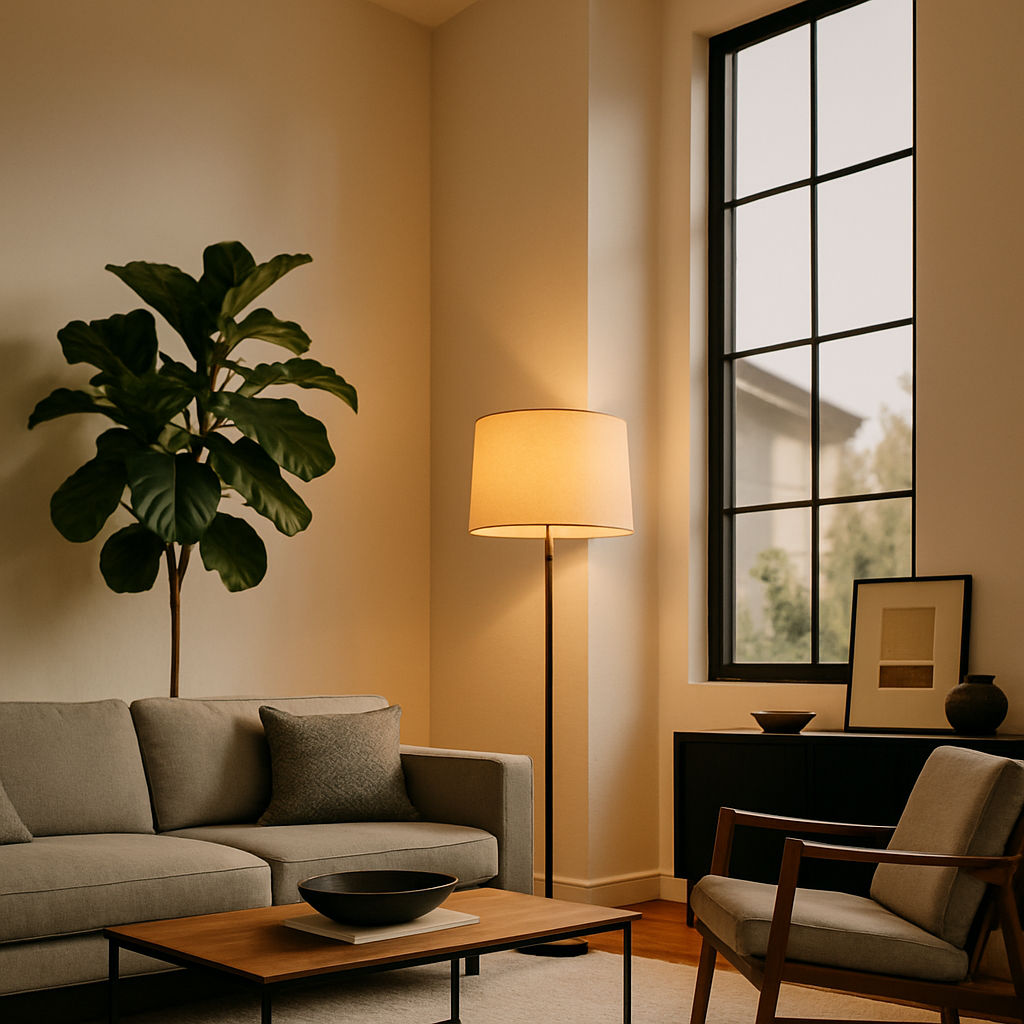
Modern interior design has evolved far beyond choosing paint colors and arranging furniture. The contemporary approach to residential spaces integrates technology, psychology, sustainability, and artisanal craftsmanship into environments that support every dimension of daily life. Professional designers affiliated with ASID (American Society of Interior Designers) and certified through NCIDQ (National Council for Interior Design Qualification) are leading this transformation with methods that combine traditional aesthetic expertise with evidence-based practices. Whether you are renovating a single room with a budget of ,000 to ,000 or reimagining an entire home at ,000 per room, the principles that define truly innovative modern design remain consistent across scale. The spaces that feel most transformative share a common quality: they anticipate the needs of their occupants before those needs become conscious. What would your home look like if every surface, texture, and light source had been chosen with that level of intentionality?
Rethinking Space Planning for How People Actually Live
The most impactful innovation in modern interior design is not a material or a style but a fundamental shift in how designers approach space planning. Traditional layouts followed architectural conventions that assumed formal living, separate dining, and distinct room functions. Contemporary space planning begins with behavioral observation, studying how a household actually moves through their home during morning routines, evening relaxation, and weekend activities. IIDA (International Interior Design Association) research indicates that homes designed around observed behavior patterns rather than assumed functions report significantly higher occupant satisfaction over five-year periods. This behavioral approach requires designers to spend time understanding their clients as individuals rather than treating them as generic occupants of standard room types.
Flexible zoning is one practical expression of behavior-based space planning. Rather than assigning permanent functions to fixed rooms, innovative designers create zones within open or semi-open layouts that can shift purpose throughout the day. A dining area might feature a table with integrated power and data connections that serves equally well for family meals and remote work sessions. A living room alcove might accommodate a reading nook that converts to a meditation space through adjustable lighting and a retractable acoustic curtain. Designers charging to per hour for their planning expertise justify these rates by creating spaces that work harder and smarter than conventional layouts, eliminating the need for dedicated rooms that sit unused for most of the day.
The integration of transition zones between functional areas is another planning innovation that separates thoughtful modern design from simple open-plan removal of walls. Transition zones use changes in flooring material, ceiling height, lighting temperature, or acoustic treatment to signal shifts between activities without physical barriers. A kitchen flowing into a living area might transition through a subtle change from porcelain tile to wide-plank hardwood, accompanied by a shift from bright task lighting to warmer ambient tones. These sensory cues help occupants mentally shift between functional modes, creating psychological boundaries that support focus and relaxation in their respective zones. This nuanced approach to spatial psychology extends naturally into the material choices that define each zone's character.
Harnessing Biophilic Design for Health and Wellbeing
Biophilic design represents one of the most substantiated approaches in contemporary interior design, backed by decades of environmental psychology research demonstrating that human connection to nature improves cognitive function, reduces stress hormones, and accelerates healing. Moving beyond the simple addition of potted plants, modern biophilic practice encompasses a comprehensive strategy that weaves natural elements through every layer of a space. ASID has published guidelines recommending that biophilic interventions address at least three of the fourteen identified patterns of biophilic design, which include direct nature connection, natural analogues, and nature of the space patterns such as prospect and refuge.
Direct nature connections are the most accessible biophilic interventions and include living walls, indoor trees, water features, and maximized views of exterior landscape. A living wall installed in a home office, for example, provides visual complexity that rests the eyes during screen breaks, improves air quality through natural filtration, and introduces subtle humidity that combats the dryness of climate-controlled environments. Designers working with budgets in the ,000 to ,000 per room range can incorporate significant biophilic elements without compromising other design priorities. Houzz data shows that projects featuring prominent biophilic elements receive forty percent more saves and shares than comparable projects without them, indicating strong consumer appetite for nature-integrated interiors.
Natural analogues extend biophilic benefits through materials and forms that reference nature without requiring living elements. Wood grain patterns, stone surfaces with visible geological strata, textiles with organic weave variations, and lighting that mimics the spectral qualities of daylight all trigger biophilic responses in occupants. The Japandi aesthetic, which combines Japanese reverence for natural imperfection with Scandinavian warmth and functionality, is particularly effective at implementing natural analogues because both cultural traditions celebrate the authentic character of natural materials. A Japandi-influenced bathroom might feature a freestanding stone basin, live-edge wood shelving, and handmade ceramic tiles whose slight irregularities echo the organic variation found in nature. These material choices create spaces that feel alive and grounding, which connects directly to the growing demand for smart technology that enhances rather than replaces this natural foundation.
Smart Home Technology as an Invisible Design Layer
The most innovative approach to smart home integration treats technology as an invisible design layer that enhances occupant experience without asserting visual presence. This philosophy stands in stark contrast to earlier smart home implementations that prominently featured visible screens, control panels, and robotic fixtures as design statements in themselves. NCIDQ-certified designers increasingly specify concealed technology solutions where speakers disappear into ceilings, charging surfaces hide within furniture, sensors blend into architectural details, and controls operate through voice commands or smartphone interfaces rather than wall-mounted devices. The design principle is clear: technology should be felt in its effects but unseen in its presence.
Circadian lighting systems represent perhaps the most impactful smart home innovation for residential wellbeing. These systems automatically adjust the color temperature and intensity of artificial light throughout the day, shifting from cool, energizing tones in the morning to warm, relaxation-inducing hues in the evening. The transition happens gradually and imperceptibly, supporting the body's natural hormonal rhythms without requiring conscious attention from occupants. AD PRO has featured multiple residential projects where circadian lighting was identified as the single most appreciated technological feature by clients after six months of occupancy. Installation costs vary widely, but designers typically recommend allocating three to five percent of the total room budget to intelligent lighting infrastructure.
Climate zoning technology allows different areas of a home to maintain different temperatures simultaneously, supporting the varied comfort preferences of household members and the different thermal requirements of various activities. A kitchen generating heat during meal preparation can maintain comfortable working temperatures while an adjacent living area remains cooler for relaxation. Automated window treatments that respond to solar position, occupancy sensors that adjust ventilation based on room usage, and smart thermostats that learn household patterns over time all contribute to an environment that maintains comfort without constant manual adjustment. Have you noticed how often you adjust thermostats, open windows, or change lighting during a typical day at home? Each of those manual interventions represents a design opportunity that smart integration can address. This technological infrastructure creates the foundation for another transformative dimension of modern design: the use of sustainable materials that reduce environmental impact.
Sustainable Materials That Elevate Aesthetics
The evolution of sustainable interior materials has reached a point where environmental responsibility and aesthetic excellence are no longer competing priorities but mutually reinforcing qualities. A decade ago, specifying sustainable materials often meant accepting visible compromises in color range, texture, or durability. Current offerings from innovative manufacturers have eliminated these trade-offs, producing materials that match or exceed conventional alternatives in every measurable dimension. Designers working with clients who value environmental stewardship can now fulfill that commitment without any aesthetic sacrifice, a development that ASID has highlighted as one of the most significant shifts in professional practice during this decade.
Reclaimed and upcycled materials offer both environmental benefits and unique aesthetic qualities that new production cannot replicate. Reclaimed barn wood carries a patina of age, weather exposure, and authentic wear that adds character and narrative depth to modern interiors. Recycled glass countertops feature luminous embedded fragments that create visual interest under both natural and artificial light. Upcycled metal fixtures and hardware bring an industrial authenticity that resonates with the quiet luxury aesthetic's emphasis on genuine materials with visible history. These salvaged materials command premium pricing, but designers billing at project percentages of fifteen to twenty-five percent find that clients who value sustainability are willing to invest in materials whose stories add meaning to their spaces.
Bio-based materials represent the next frontier of sustainable interior design innovation. Mycelium-based panels grown from mushroom root structures offer acoustic insulation properties comparable to synthetic foams while being fully biodegradable at end of life. Algae-derived textiles produce fabrics with a silk-like drape and natural antimicrobial properties that require no chemical treatment. Cork, harvested without harming the source trees, provides flooring and wall surfaces that are naturally warm, resilient, and sound-absorbing. IIDA has recognized several bio-based material manufacturers with innovation awards, signaling the profession's endorsement of these alternatives. The broader adoption of these materials is transforming not only what interiors contain but also how designers think about the lifecycle of every element they specify, which leads to the critical question of how color and texture strategies can maximize the impact of these material innovations.
Strategic Color and Texture for Emotional Impact
Color and texture remain the most powerful tools in an interior designer's arsenal for shaping the emotional experience of a space. Modern color strategy goes beyond selecting appealing hues to understanding the psychological and physiological effects of specific wavelengths and saturations in the context of a room's function and lighting conditions. Research cited by NCIDQ education programs demonstrates that cool blue-greens reduce heart rate and support concentration, making them effective choices for home offices and study areas. Warm earth tones promote social comfort and appetite stimulation, aligning well with dining and gathering spaces. The quiet luxury palette of current trends favors muted, complex tones over primary saturations, creating environments that feel sophisticated without demanding visual attention.
Texture layering is the technique that distinguishes professionally designed spaces from well-decorated amateur efforts. Where color provides the emotional foundation, texture adds the sensory depth that makes a space feel rich and complete. A monochromatic room in varying shades of warm gray becomes luxurious when it layers matte plaster walls against brushed linen upholstery, ribbed wool throws, and polished concrete accessories. The interplay of smooth and rough, matte and reflective, rigid and yielding creates visual and tactile complexity that rewards sustained attention and invites physical interaction. Houzz editorial features consistently identify thoughtful texture layering as a hallmark of designer-quality interiors, and it represents one of the most cost-effective ways to elevate a space regardless of budget level.
The relationship between natural and artificial light profoundly affects how both color and texture are perceived, and innovative designers plan their material selections under the specific lighting conditions that will prevail in each space. A fabric that reads as warm taupe under showroom halogen lights might shift to cool gray under the LED fixtures specified for the actual installation. North-facing rooms receive cooler, more diffused daylight that flatters warm-toned materials but can make cool tones feel bleak. Designers who charge to per hour for their expertise often bring material samples to the project site and evaluate them across multiple times of day before making final selections. This meticulous attention to light-material interaction ensures that the finished space delivers the intended emotional impact under real-world conditions throughout the seasons. Does your current home feel different in morning light versus evening, and have you considered whether that shift is working for or against the mood you want each room to create?
Personalizing Spaces Through Curated Collections
The most innovative modern interiors transcend trend adherence to become deeply personal expressions of their occupants' identities, histories, and aspirations. Professional designers achieve this personalization not by simply displaying clients' existing possessions but by curating collections of objects, art, and textiles that tell a coherent personal story within the broader design framework. ASID design excellence awards increasingly recognize projects that demonstrate meaningful personalization, reflecting the profession's understanding that the most successful spaces are those that could not belong to anyone other than their specific occupants. This curatorial approach transforms a designer from a decorator into a translator of personal identity into spatial form.
Travel artifacts, family heirlooms, and commissioned art pieces serve as anchoring elements that prevent a space from feeling like a catalog reproduction. A collection of handmade ceramics gathered during travels through Japan, Portugal, and Morocco might be displayed on custom shelving that integrates these varied pieces into a cohesive gallery wall. Inherited furniture can be reupholstered in contemporary fabrics that honor the original form while updating its visual language for a modern context. AD PRO has profiled several designers whose signature approach involves commissioning local artists to create site-specific works that respond to the architecture, the view, and the client's personal narrative. These investments, which can range from modest to significant, create irreplaceable focal points that anchor a room's identity far more effectively than any mass-produced statement piece.
The curation process also extends to the selection of books, textiles, and everyday objects that populate a space. Rather than purchasing decorative objects by the shelf-foot, innovative designers work with their clients to identify the items that carry genuine significance and design display solutions that honor their importance. A collection of vintage cameras might become a sculptural installation on a custom-designed floating shelf system. Children's artwork might be professionally framed and rotated seasonally in a dedicated gallery hallway. AR/VR visualization tools allow designers to experiment with different arrangements of personal collections before committing to permanent display solutions, ensuring that the curation feels natural and unforced. This attention to personal narrative is the final dimension that transforms a well-designed space into a truly transformative environment that deepens the connection between people and the places they inhabit.
Conclusion
Transforming your space through innovative modern interior design requires a holistic approach that integrates behavioral space planning, biophilic elements, invisible smart technology, sustainable materials, strategic color and texture, and meaningful personalization. Each of these dimensions reinforces the others, creating environments that are greater than the sum of their individual design decisions. The professionals at ASID, NCIDQ, and IIDA who are leading this transformation understand that truly innovative design is not about following the latest trend but about creating spaces that anticipate and support the full complexity of human life within them. Whether you engage a designer at per hour for focused consultations or invest in comprehensive design services for your entire home, the principles outlined here provide a framework for evaluating proposals and making informed decisions about your investment. Begin your transformation by identifying the single dimension of your current home that least supports your daily life, whether that is inflexible space planning, disconnection from nature, technological friction, or a lack of personal meaning, and make that gap the starting point for change. Contact a designer through your local ASID or IIDA chapter directory and bring these priorities to your initial consultation to ensure your project addresses what matters most to you.
More Articles You May Like



Comments
Post a Comment