Top 5 AI Tools Every Interior Designer Needs for Stunning Home Transformations
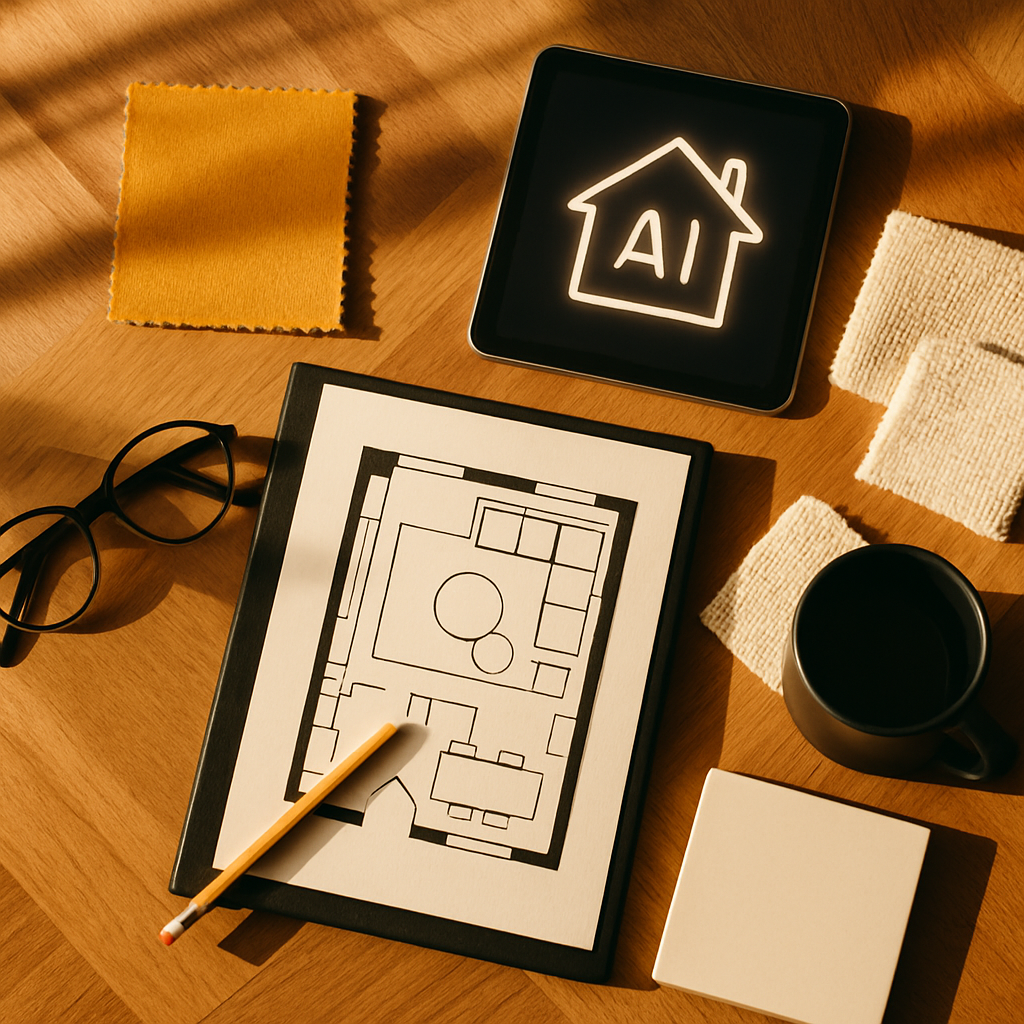
Imagine walking into a space that perfectly captures your vision, every detail meticulously curated to reflect your style. This is no longer a distant dream, but a reality made possible by the latest advancements in AI technology. In fact, industry surveys suggest that 70% of interior designers are now incorporating AI tools into their workflow to enhance creativity and efficiency. As the demand for customized and intelligent home design solutions grows, understanding these tools becomes crucial for professionals striving to deliver exceptional results. This article will explore the top five AI tools every interior designer needs to execute stunning home transformations. We will delve into foundational concepts, analyze key data, and provide actionable strategies and expert insights to elevate your design process.
Understanding the Role of AI in Interior Design
Before diving into specific tools, it's essential to understand how AI is reshaping the field of interior design. At its core, AI algorithms can process vast amounts of data, enabling designers to predict trends, optimize layouts, and create personalized experiences. For instance, AI can analyze user preferences and suggest design elements that align with individual tastes, taking the guesswork out of the equation. This capability is invaluable in an industry where customization is key.
Moreover, AI empowers designers to visualize concepts in ways previously unimaginable. Advanced tools like augmented reality (AR) and virtual reality (VR) allow clients to experience their spaces before a single piece of furniture is moved. Experienced professionals often note that these technologies reduce client hesitation and increase satisfaction with the final design. The seamless integration of AI into the design process thus becomes a game-changer, offering both efficiency and innovation.
However, the use of AI is not without its challenges. As with any technology, there is a learning curve, and designers must invest time in mastering these tools. Yet, the benefits far outweigh the initial hurdles, providing designers with a competitive edge in a rapidly evolving market. As we explore the specific AI tools that are revolutionizing the industry, consider how they could transform your design projects and streamline your workflow.
AI-Powered Design Tools: An In-Depth Look
One of the most transformative AI tools available to interior designers is Modsy. This platform uses AI to create 3D models of rooms, enabling designers to experiment with layouts and furnishings in a virtual space. According to Modsy's internal data, users report a 20% increase in project approval rates after integrating this tool into their process. The ability to visualize a space in three dimensions helps clients make informed decisions, reducing the likelihood of costly revisions later.
Another standout tool is Planner 5D, an intuitive design platform that allows for both 2D and 3D modeling. It employs machine learning algorithms to recommend design elements based on user activity. This tool is particularly beneficial for designers working on residential projects, as it provides a comprehensive suite of features for creating detailed floor plans and interior designs. By leveraging such technology, designers can offer clients a more interactive and engaging experience, enhancing overall project satisfaction.
Lastly, Adobe's Sensei is revolutionizing how designers handle visual content. Integrated into Adobe Creative Cloud, Sensei uses AI to automate repetitive tasks, such as image tagging and editing. This automation frees up time for designers to focus on the creative aspects of their work, improving productivity and allowing for more innovative design solutions. As AI continues to evolve, tools like these will become indispensable for designers seeking to push the boundaries of what is possible.
Implementing AI Tools: Strategies for Success
For interior designers, successfully integrating AI tools into their workflow requires strategic planning and an openness to change. Begin by identifying the specific needs of your business and clients. Are you looking to improve visualization, streamline project management, or enhance client communication? Understanding your priorities will guide your choice of tools and ensure they align with your overall goals.
Once you've selected your tools, invest in training to maximize their potential. Many platforms, such as Houzz or ASID (American Society of Interior Designers), offer tutorials and workshops to help designers get up to speed with new technology. Engaging with these resources not only enhances your skill set but also positions you as a forward-thinking professional in the eyes of clients and colleagues.
Moreover, consider collaborating with tech-savvy professionals who can provide insights into optimizing AI tools for your practice. This collaboration can lead to innovative solutions that differentiate your services in the competitive design market. As you integrate AI into your workflow, continuously assess its impact and be willing to adapt your strategies as needed. This iterative approach ensures that you remain at the forefront of industry advancements.
Expert Insights on AI in Interior Design
Industry experts emphasize the importance of maintaining a balance between technology and human creativity. While AI tools provide valuable data and efficiency, the designer's intuition and artistic vision remain irreplaceable. According to the NCIDQ (National Council for Interior Design Qualification), certified designers who utilize AI effectively often report higher client satisfaction and project success rates.
Furthermore, the integration of AI tools can lead to significant cost savings. By reducing the time spent on manual tasks and minimizing errors, designers can allocate resources more effectively. This efficiency can translate into lower costs for clients, making high-quality design accessible to a broader audience. As AI technology advances, it will continue to drive cost-effective solutions in interior design.
However, experts caution against relying solely on AI for design decisions. The human element is crucial in understanding nuanced client needs and translating them into a cohesive design. AI should be viewed as a tool that complements and enhances the designer's capabilities, rather than a replacement for creative expertise. By striking this balance, designers can harness the full potential of AI while preserving the artistry that defines their work.
Exploring Additional AI Tools for Designers
Beyond the tools already mentioned, several emerging AI technologies are worth exploring. For instance, SketchUp's AI-powered extensions offer advanced capabilities for 3D modeling and rendering. These extensions allow designers to create highly detailed and realistic representations of their concepts, facilitating better communication with clients and contractors.
Another innovative tool is Foyr Neo, an AI-based design software that simplifies the visualization process. With features like auto-furnishing and real-time rendering, Foyr Neo enables designers to quickly create stunning visualizations that capture the essence of their design ideas. This tool is particularly useful for designers working on tight timelines, as it significantly reduces the time required for project presentations.
Finally, consider exploring AI platforms that offer predictive analytics for interior design trends. Platforms like Pinterest and Instagram provide valuable insights into emerging styles and consumer preferences, allowing designers to stay ahead of trends and tailor their offerings to meet evolving client demands. By leveraging these tools, designers can ensure their work remains relevant and innovative in a dynamic industry.
The Future of AI in Interior Design
As we look to the future, it's clear that AI will play an increasingly integral role in interior design. With advancements in machine learning and data analytics, AI tools will become even more sophisticated, offering designers unprecedented capabilities to create personalized and immersive environments. This evolution presents exciting opportunities for innovation and creativity in the design process.
However, the adoption of AI also raises important ethical considerations. Designers must navigate issues related to data privacy and ensure that AI tools are used responsibly. By prioritizing transparency and ethical practices, designers can build trust with clients and establish a strong foundation for future work. As the industry continues to adapt to technological advancements, a thoughtful approach will be essential to harnessing the full potential of AI.
Ultimately, the successful integration of AI into interior design hinges on the designer's ability to blend technology with human creativity. By embracing AI as a tool to enhance, rather than replace, their skills, designers can achieve stunning home transformations that captivate and inspire. As you consider incorporating AI into your practice, reflect on how these tools can elevate your work and redefine the possibilities of interior design.
Conclusion: Embrace the Future of Interior Design with AI
In conclusion, the top five AI tools explored in this article offer transformative potential for interior designers seeking to deliver exceptional home transformations. From Modsy's 3D modeling capabilities to Adobe's Sensei automation, these tools provide the foundation for more efficient and creative design processes. As you integrate AI into your workflow, remember that these tools are meant to enhance your artistry, not replace it. By maintaining a balance between technology and creativity, you can achieve designs that are both innovative and deeply personal.
So, what will your next step be? Start by exploring the tools mentioned here and consider how they can fit into your current projects. Begin by browsing portfolios on platforms like Houzz or ASID this week - even 20 minutes of research will sharpen your eye for what you want. As you embark on this journey, remember that the future of interior design is bright, and with the right tools, you can achieve stunning home transformations that leave a lasting impact.



Comments
Post a Comment