Revamp Your Home: Best Free Interior Design Apps You Need to Try
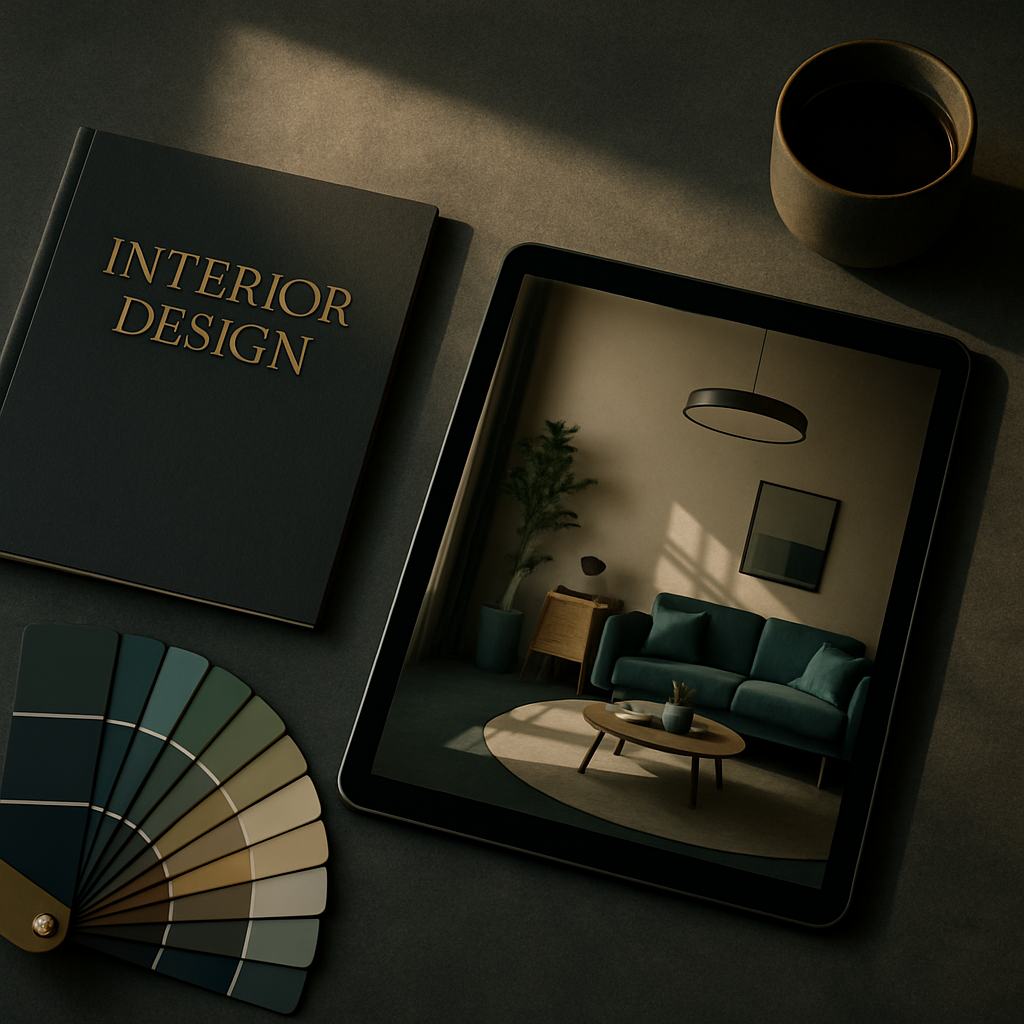
Imagine transforming your living room from drab to fab without spending a single penny on a designer. This is not just a dream-it's achievable with the right interior design apps at your fingertips. According to Houzz's annual survey, over 70% of homeowners are now using digital tools for their home renovation projects. This trend highlights a growing desire to take control of one's living space while staying cost-effective. In this article, we'll explore the best free interior design apps that can help you visualize and execute your dream home transformation. We'll dive into foundational concepts, analyze deeper trends, offer actionable strategies, provide expert insights, and finally, wrap up with a comprehensive view.
Understanding Interior Design Apps: The Basics
At the core of any successful home makeover is a strong foundation of design principles, and today's technology makes it easier than ever to access these fundamentals. Interior design apps provide a platform for users to explore different styles and layouts, essentially offering a virtual playground for creativity. They allow you to test color schemes, furniture placements, and even wall art without lifting a finger in real life. But what makes these apps truly valuable is their accessibility; anyone with a smartphone can start designing immediately, making professional-grade design available to everyone.
Among the most popular apps are Houzz and Pinterest, both of which offer extensive libraries of images and ideas. Houzz, in particular, is a treasure trove of designer portfolios and project photos, making it an indispensable tool for inspiration and planning. Meanwhile, Pinterest acts as a digital mood board where you can pin ideas and see how different elements might come together in your space. These platforms not only inspire but also educate users on current trends and timeless design principles.
What sets these apps apart is their ability to integrate user-friendly features with professional-level capabilities. For instance, using augmented reality (AR), apps like IKEA Place allow you to visualize how a piece of furniture will look in your room, offering a realistic preview before you make any purchasing decisions. This feature is especially useful for those who struggle with spatial understanding and need a visual representation of how elements will fit together. As we transition to the next section, consider how these foundational tools can transform your design approach.
Digging Deeper: Data-Driven Decisions in Design
Interior design is not just about aesthetics; it's also about making informed choices that improve functionality and flow. Industry surveys suggest that homeowners who use design apps report higher satisfaction with their projects due to better planning and visualization. According to the American Society of Interior Designers (ASID), 81% of users feel more confident in their design decisions when using apps. This confidence stems from the ability to simulate design changes and foresee potential issues before they arise.
These apps are backed by robust databases that analyze and suggest design solutions based on user preferences and space constraints. For example, the app Planner 5D allows users to create detailed 2D and 3D floor plans, offering an immersive experience to test various layouts. By inputting specific room dimensions, you can experiment with different designs until you find the perfect fit. This capability is invaluable, especially for small spaces where every inch counts.
Moreover, data from these apps can guide you in making sustainable choices. With the push for eco-friendly living, apps like Home Design 3D encourage the use of sustainable materials and energy-efficient layouts. They provide insights into the environmental impact of different design choices, helping you create a space that is both beautiful and conscious of its carbon footprint. Are you ready to leverage data to enhance both the aesthetics and sustainability of your home? Let's explore actionable strategies in the next section.
Actionable Strategies: Bringing Your Design to Life
Turning your design dreams into reality requires more than just inspiration; it demands a strategic approach. Experienced professionals often note the importance of starting with a clear vision and a well-defined plan. Begin by mapping out each room's purpose and the activities that will take place within it. This practice will help you determine the best layout and furnishings needed to support those activities.
Next, embrace the power of AR and VR technologies. Apps like MagicPlan and Room Planner allow you to see your designs in real-time 3D, making it easier to visualize end results and make necessary adjustments. These technologies are not just for tech-savvy users; they are designed with intuitive interfaces that guide you through the design process step-by-step. Whether you're working on a single room or an entire home, these tools provide the clarity needed to bring your vision into focus.
Finally, don't underestimate the value of community feedback. Platforms such as Houzz and Pinterest offer forums where you can share your designs and receive input from fellow users and professionals. This feedback can be instrumental in refining your plans and introducing new ideas you may not have considered. As we delve into expert-level details, think about how you can incorporate these strategies into your design process for more effective outcomes.
Expert Insights: Going Beyond Basics
For those looking to elevate their design expertise, understanding industry tools and practices is essential. Certified interior designers, often holding credentials like NCIDQ (National Council for Interior Design Qualification), utilize a range of professional applications that are now accessible to the public in simplified forms. Learning to use these tools can provide a significant advantage in achieving a polished and cohesive look.
One of the most powerful apps for professional-grade design is SketchUp, which offers both free and paid versions. This app provides detailed modeling capabilities that allow users to create intricate designs with precision. It is widely used by architects and designers for its versatility and depth, enabling you to model complex structures and interiors with ease. While there is a learning curve, the payoff is a highly customizable design tool that can bring your concepts to life.
Moreover, understanding the financial aspects of design projects can position you for success. Industry experts suggest familiarizing yourself with different fee structures-be it flat fees, hourly rates, or percentage of project costs. This knowledge will help you budget effectively and set realistic expectations. As we transition to the next section, consider how these expert insights can enhance your design journey and lead to professional-level outcomes.
In-Depth Analysis: Maximizing App Benefits
While apps provide incredible tools for design, maximizing their benefits requires a strategic approach. One key strategy is to use apps in tandem to leverage their unique features. For instance, using Pinterest for inspiration, Planner 5D for layout, and IKEA Place for furniture visualization can create a comprehensive design process from concept to execution. This multi-app approach ensures that you cover all your bases, from initial ideas to the final look.
Another important aspect is staying updated with the latest trends and technologies. Biophilic design, which emphasizes natural materials and indoor-outdoor flow, is gaining popularity and can be easily explored through apps that highlight sustainable practices and eco-friendly materials. Keeping abreast of such trends can inspire fresh ideas and keep your designs current.
Finally, it's essential to maintain a balance between creativity and practicality. Apps can sometimes overwhelm with options, making it difficult to choose a coherent design path. Setting clear goals and priorities can help you stay focused and make decisions that align with your vision and lifestyle needs. As we wrap up, reflect on how you can integrate these insights to enhance your design projects.
Final Perspectives: Navigating Your Design Journey
As you venture into the world of interior design with digital tools, remember that the journey is as important as the destination. The best free interior design apps are not just about immediate results; they're about learning, exploring, and growing your design capabilities. By leveraging these tools, you can experiment with style, gain confidence, and ultimately create spaces that reflect your personality and lifestyle.
Consider how these apps fit into your broader design strategy. Are you using them to refine a vision, experiment with new trends, or perhaps to involve family and friends in the design process? Each approach offers its own rewards, and the flexibility of these apps ensures that there's no one-size-fits-all solution. With this in mind, you're better equipped to tackle any design challenge that comes your way.
In conclusion, the potential of interior design apps is vast, and with the right approach, they can be a game-changer in your home transformation projects. Start by exploring these apps today and see where your creativity takes you. Remember, the first step is often the hardest, but it's also the most rewarding.
Conclusion: Your Next Steps in Design
Revamping your home doesn't have to be an overwhelming task. With the best free interior design apps at your disposal, you can embark on a journey of transformation that is both exciting and fulfilling. These apps provide access to a wealth of resources and tools that can enhance your design process, making it easier to achieve the look and feel you desire.
Now that you're equipped with the knowledge and strategies to harness these digital tools, it's time to take action. Start by downloading a few apps mentioned in this article and experiment with their features. Create a mood board on Pinterest, draft a floor plan on Planner 5D, or visualize furniture placement with IKEA Place. By taking these steps, you'll gain invaluable insights and skills that will serve you well in future projects.
Ready to dive into the world of interior design? Start by browsing designer portfolios on Houzz this week-even 20 minutes of research will sharpen your eye for what you want. Your dream space is just a few taps away; make the most of these tools and let your creativity shine.



Comments
Post a Comment