Transform Your Space: Innovative Ideas for Contemporary Interior Design Styles
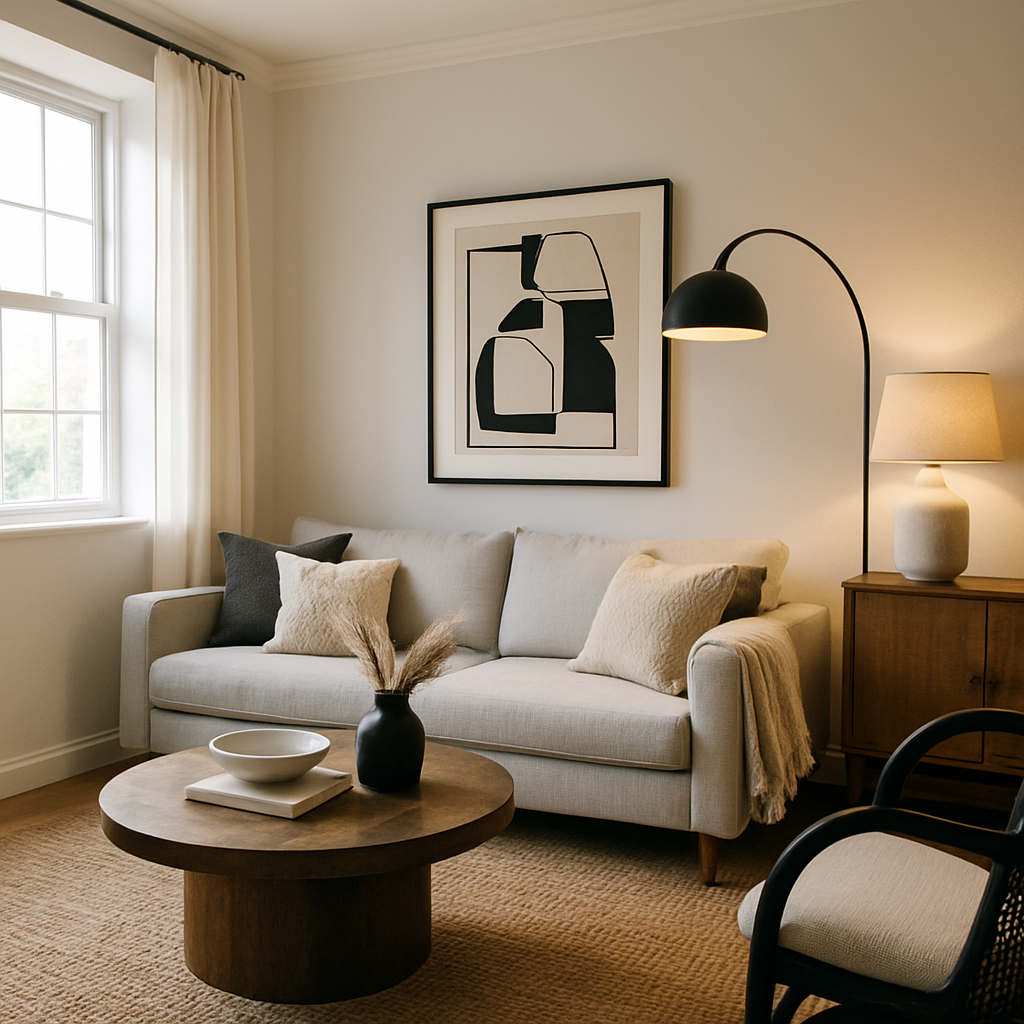
Have you ever walked into a room and felt an immediate sense of calm and sophistication? According to recent surveys by Houzz, well-designed interiors can increase property value by 5-15%, underscoring the financial and emotional benefits of great design. In the world of contemporary interior design, innovation is key to creating spaces that not only reflect your personality but also adapt to your lifestyle. This article will explore foundational concepts in contemporary design, dive into current trends with data-backed insights, and provide actionable strategies for transforming any space. We'll also delve into expert-level details and offer additional depth on creating a harmonious environment with innovative design ideas.
Understanding Foundational Concepts in Contemporary Design
Contemporary interior design is characterized by its simplicity, clean lines, and a focus on function. Unlike other styles that might emphasize ornamentation or historical references, contemporary design is rooted in the present and evolves with current trends. At its core, it embraces a minimalist aesthetic where form follows function, creating spaces that are both beautiful and practical. This style often incorporates neutral palettes, open spaces, and a mix of textures to add depth and interest.
The use of materials is another foundational aspect of contemporary design. Expect to see a blend of natural and industrial elements, such as wood, metal, glass, and concrete. This juxtaposition not only creates visual interest but also adds a sense of balance to the space. According to the International Interior Design Association (IIDA), the integration of sustainable materials is becoming increasingly popular, reflecting a growing awareness of environmental impact.
Lighting plays a crucial role in contemporary design as well. It is used not only to illuminate but also to highlight architectural features and create ambiance. Strategic use of natural light, alongside well-placed artificial lighting, can transform a room's atmosphere. Are you optimizing your use of light to enhance your space? As we move forward, let's explore how these foundational concepts are applied in current design trends.
Exploring Current Trends with Data-Driven Insights
The world of contemporary design is constantly evolving, with trends that reflect broader cultural and technological shifts. One significant trend is the rise of biophilic design, which incorporates natural elements into interiors to enhance well-being. A study by the American Society of Interior Designers (ASID) found that incorporating natural materials, such as wood and stone, can reduce stress and improve mood. This trend is evident in the growing popularity of indoor plants, living walls, and the seamless integration of indoor and outdoor spaces.
Another trend gaining traction is the concept of quiet luxury, which emphasizes understated elegance and high-quality materials. This approach is less about ostentation and more about creating a serene, comfortable environment. Subtle color palettes and luxurious textures, such as cashmere and silk, are hallmark features. According to Architectural Digest's AD PRO network, this trend resonates with homeowners seeking a refuge from the fast-paced modern world.
Technology integration is also shaping contemporary design. Smart home features, such as automated lighting and climate control, are becoming standard. These innovations not only enhance convenience but also contribute to energy efficiency. Are your current design choices making the most of these technological advancements? As we continue, consider how these trends can be tailored to fit your personal style and needs.
Actionable Strategies for Transforming Your Space
When it comes to applying contemporary design principles, starting with a clear plan is essential. Begin by assessing your space and identifying areas that require change. Map out how you use each room, noting where improvements can be made to enhance functionality. An effective strategy is to focus on decluttering as a first step, which aligns with the minimalist ethos of contemporary design.
Next, consider the color palette. Opt for neutral tones with the occasional bold accent to create visual interest without overwhelming the space. This approach allows for flexibility and can easily be updated to reflect changing tastes. Experienced professionals often note that the right color scheme can transform a room, making it feel more spacious and inviting.
Furniture selection is another critical aspect. Invest in pieces that are both stylish and functional, ensuring they fit the scale of your space. Modular furniture offers versatility, allowing you to easily rearrange layouts to suit different occasions. Remember, the goal is to create a cohesive environment that meets your everyday needs. As we explore more expert details, think about how these strategies can be personalized for your home.
Expert-Level Details for a Polished Look
For those seeking a polished, professional look, engaging a certified interior designer can be invaluable. Certified professionals, such as those with NCIDQ (National Council for Interior Design Qualification) credentials, bring a wealth of knowledge and experience. They can navigate complex design challenges, ensuring that every element is cohesive and functional. According to the NCIDQ, interior designers with this certification have demonstrated a mastery of design principles, space planning, and project coordination.
Consider incorporating custom elements to elevate your space. Custom cabinetry, built-in storage solutions, and bespoke furniture can maximize functionality while adding a unique touch. These elements are particularly useful in smaller spaces, where every inch counts. Houzz data suggests that custom solutions often lead to higher satisfaction and increased home value.
Additionally, the use of AR/VR technology in the design process is becoming more common. Designers can now present virtual walkthroughs of proposed designs, allowing clients to visualize changes before they are implemented. This technology not only aids in decision-making but also ensures that the final result aligns with the client's vision. As we transition to additional insights, consider how expert guidance and technology could benefit your design journey.
Additional Depth: Sustainability and Style
Sustainability is increasingly becoming a priority in contemporary design. Homeowners are more conscious of the environmental impact of their choices, leading to a rise in the use of reclaimed and sustainable materials. From reclaimed wood flooring to energy-efficient appliances, incorporating sustainable elements is both eco-friendly and stylish. The American Institute of Architects (AIA) highlights sustainability as a key trend, emphasizing its importance in modern design practices.
Japandi, a fusion of Japanese minimalism and Scandinavian warmth, is a style that perfectly embodies sustainable design principles. It emphasizes simplicity, functionality, and the use of natural materials. This style is ideal for those who appreciate a clean, clutter-free environment that feels cozy and inviting. How can you integrate elements of Japandi into your home to achieve a balance of form and function?
Finally, consider the long-term benefits of investing in sustainable design. Not only does it reduce your carbon footprint, but it can also lead to cost savings through energy efficiency and durability. As we conclude, reflect on how these sustainable practices can enhance both your home and lifestyle.
Final Perspectives on Contemporary Design Transformation
As you embark on your journey to transform your space, remember that contemporary design is about more than aesthetics. It's about creating an environment that supports your lifestyle and reflects your values. The integration of innovative design ideas, from biophilic elements to smart home technology, can profoundly impact how you experience your home.
Reflect on the current trends and expert insights discussed, and think about how they align with your personal style. Are there elements you are eager to explore further? Perhaps the concept of quiet luxury appeals to your desire for a calming retreat, or the functionality of modular furniture sparks inspiration for a more adaptive living space.
Ultimately, the goal is to create a home that feels uniquely yours. As we wrap up, consider the transformative power of contemporary design and how it can elevate your living experience.
Conclusion: Embrace the Potential of Innovative Design
In conclusion, contemporary interior design offers a wealth of possibilities for transforming your space. By understanding foundational concepts, embracing current trends, and implementing actionable strategies, you can create an environment that is both stylish and functional. Whether you choose to engage a certified designer or embark on a DIY project, the key is to align your design choices with your lifestyle and values.
Ready to start your design transformation? Begin by browsing portfolios on platforms like Houzz this week. Even 20 minutes of research can sharpen your eye for what you truly want in your home. By taking this first step, you'll be well on your way to creating a space that not only looks great but also enhances your quality of life.
More Articles You May Like



Comments
Post a Comment