5 Interior Design Trends You Can't Ignore This Year
Imagine walking into your home and feeling a sense of tranquility wash over you, thanks to the seamless integration of natural elements and cutting-edge technology. According to a recent survey by Houzz, 70% of homeowners have reported increased satisfaction with their living spaces after incorporating 2026's design trends. As the year unfolds, certain interior design trends are set to redefine how we experience our homes. From biophilic design's embrace of nature to the elegance of quiet luxury, staying informed can significantly enhance your home's aesthetic and value. This article will explore five unmissable trends that are shaping interiors this year, offering insights on how to integrate them into your own space for maximum impact.
Biophilic Design: Bringing the Outdoors In
Biophilic design, a trend that's been gaining momentum, centers around the integration of natural materials and elements into indoor spaces. This approach not only enhances aesthetic appeal but is also scientifically supported to improve mental well-being. By incorporating elements such as living walls, indoor water features, and natural light, you can create a space that feels both refreshing and invigorating. A study published in the Journal of Environmental Psychology suggests that exposure to natural elements can reduce stress and increase productivity, making biophilic design particularly beneficial for home offices and living areas.
One practical way to start is by integrating more greenery into your home. Consider adding potted plants or creating a vertical garden in your kitchen or living room. These additions not only enhance visual interest but also improve air quality. The American Society of Interior Designers (ASID) emphasizes that biophilic elements should be strategically placed to maximize their impact. Consider the flow of natural light and how it interacts with plant life to create a harmonious environment.
Do you feel your home lacks a connection to nature? Integrating biophilic elements might be the key to transforming your living space into a sanctuary. As we move to the next trend, remember that the goal is to create a seamless indoor-outdoor experience that promotes well-being and environmental sustainability.
Quiet Luxury: The Art of Understated Elegance
Quiet luxury is redefining opulence with a focus on quality over quantity. This trend embraces simplicity and sophistication, utilizing high-end materials and craftsmanship while avoiding overtly flashy designs. According to Architectural Digest, quiet luxury is all about subtle details that speak volumes, such as the texture of a cashmere throw or the grain of a beautifully crafted wooden table.
Incorporating quiet luxury into your home can be as simple as selecting a few key pieces that exude quality and timeless style. For example, investing in a well-crafted leather sofa or a hand-knotted wool rug can elevate the entire room's ambiance. The International Interior Design Association (IIDA) suggests focusing on a neutral color palette with soft, muted tones to create a calming and sophisticated atmosphere.
What elements in your home currently reflect true quality and craftsmanship? Transitioning to quiet luxury requires a discerning eye for detail and a commitment to curating spaces with intention. Up next, we'll explore how technology is reshaping our interactions with home environments, adding a layer of convenience to luxury.
Smart Home Integration: Seamless Technology
The integration of smart technology into home design is no longer a futuristic concept. In 2026, smart home features are increasingly becoming standard, providing convenience and efficiency. Imagine controlling your home's lighting, climate, and security systems with a simple voice command or through a smartphone app. This trend is not only about convenience but also about enhancing the quality of life.
According to the NCIDQ (National Council for Interior Design Qualification), smart home technology can significantly increase a property's value, as potential buyers see it as a modern and desirable feature. Consider integrating smart lighting systems that adjust based on the time of day or occupancy. Automated window treatments and climate control systems offer another layer of comfort and energy efficiency.
Are you ready to embrace the future of home living? By adopting smart home technologies, you can create a sophisticated and responsive environment that meets your evolving needs. As we delve into the next trend, we'll examine the rising importance of sustainable and reclaimed materials in interior design.
Sustainable and Reclaimed Materials: Designing with a Conscience
As environmental awareness grows, so does the demand for sustainable and reclaimed materials in interior design. This trend not only supports ecological responsibility but also offers unique aesthetic opportunities. Using reclaimed wood, recycled metal, and other sustainable materials can add character and history to your home while minimizing environmental impact.
Many designers, including those at the American Institute of Architects (AIA), advocate for the use of materials that are both ethically sourced and environmentally friendly. For instance, bamboo flooring is a popular option due to its rapid growth cycle and durability. Similarly, recycled glass tiles can add a splash of color and texture to kitchens and bathrooms without the environmental cost of new materials.
How can you ensure your home reflects your values of sustainability? Choosing materials that are both beautiful and eco-friendly is a powerful way to align your home's design with your personal ethics. Our next trend will focus on the minimalist yet warm approach of Japandi design, merging two cultural aesthetics for a harmonious living space.
Japandi: The Fusion of Minimalism and Warmth
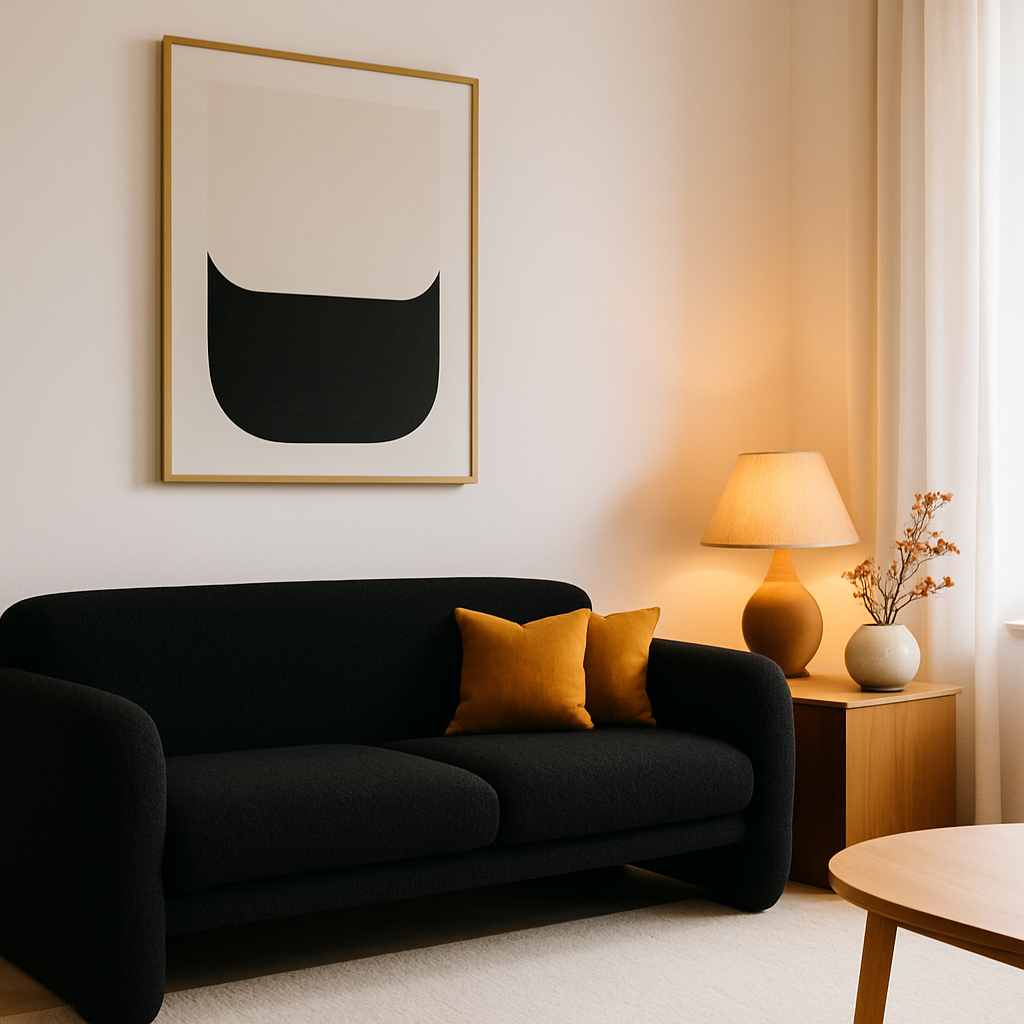
Japandi design combines the sleekness of Japanese minimalism with the warmth of Scandinavian design, creating spaces that are both functional and inviting. This trend is characterized by clean lines, natural materials, and a neutral color palette that promotes tranquility and order.
Incorporating Japandi into your home involves a focus on simplicity and functionality. Furniture pieces are typically low and streamlined, made from natural materials like wood and stone. Textiles are soft and cozy, adding warmth to the minimalist aesthetic. According to industry professionals, Japandi is not just about aesthetic appeal but also about creating a balanced and peaceful environment.
Could your home benefit from a touch of Japandi's calming influence? By embracing this trend, you can achieve a harmonious balance between minimalism and warmth. As we conclude, we'll review how these design trends can enhance your home's value and comfort.
Bringing It All Together: Creating a Cohesive Design
Integrating these trends into your home is not just about following the latest fads but about creating a cohesive and personalized living space. Experienced professionals often note that a well-designed home not only provides comfort and beauty but can also increase your property's resale value by 5-15%. This potential return on investment makes thoughtful design choices even more compelling.
To achieve a harmonious design, it's essential to start with a clear vision and plan. Consider how each trend complements the others and how they can collectively enhance your living environment. Working with certified interior designers, such as those accredited by ASID or holding NCIDQ credentials, can provide the expertise needed to bring your design goals to fruition.
Are you ready to transform your home with 2026's top design trends? By understanding and applying these concepts, you can create a living space that reflects your personal taste and supports your lifestyle. In our conclusion, we'll outline practical steps to start your design journey today.
Conclusion: Taking the First Step Towards Transformation
Incorporating the top interior design trends of 2026 into your home can create a space that is both aesthetically pleasing and highly functional. From biophilic design to Japandi aesthetics, these trends offer diverse options to suit various styles and preferences. Each trend discussed has the potential to enhance your home's comfort, appeal, and even its market value.
To begin your transformation, consider starting with a single room or element that resonates most with you. For instance, you might try adding a few smart home features or integrating sustainable materials into a renovation project. Start by browsing portfolios on platforms like Houzz or consulting with a certified designer to refine your vision. Even 20 minutes of research can sharpen your eye for what truly appeals to you.
Are you prepared to embrace the best of 2026's interior design? By taking these initial steps, you'll be well on your way to creating a home that's both beautiful and uniquely yours.



Comments
Post a Comment