How to Achieve a Minimalist Aesthetic in Modern Interior Design
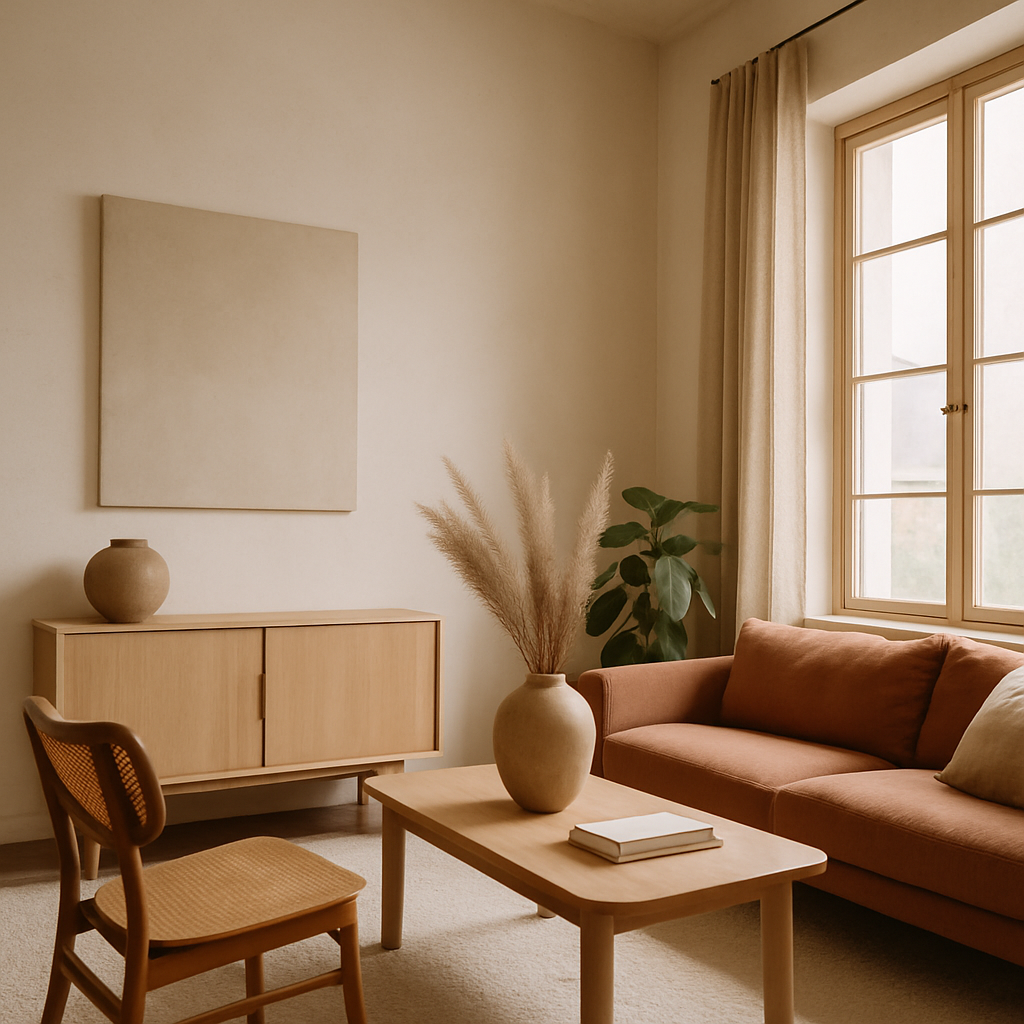
Imagine walking into a room where every item has its place, and every corner exudes calmness and clarity. This is the transformative power of a minimalist aesthetic in modern interior design. As revealed by Houzz's annual survey, more than 60% of homeowners are now leaning towards minimalism, seeking both functionality and tranquility in their living spaces. This article will guide you through the foundational concepts of minimalism, delve into data-backed analyses, provide actionable strategies, and offer expert-level insights. Whether you're starting from scratch or refining an existing design, understanding how to achieve a minimalist aesthetic can redefine your living environment.
The Foundations of Minimalism in Interior Design
Minimalism in interior design is more than just an aesthetic choice; it's a lifestyle philosophy that emphasizes simplicity and intentionality. At its core, minimalism is about stripping away the non-essential to make space for what truly matters. This design philosophy encourages the use of a limited color palette, clean lines, and functional furniture to create a serene environment. The minimalist aesthetic isn't just about having fewer items but about having items that serve a purpose.
One of the key principles of minimalism is the concept of "less is more." This involves a thoughtful curation of furniture and decor, ensuring that each piece contributes to the overall harmony of the space. For instance, a minimalist living room might feature a single, high-quality sofa, a sleek coffee table, and a piece of art that ties the room together. Everything in the room should have a reason for being there, contributing to both function and aesthetic.
Another foundational element is the use of space. Minimalist design often incorporates open floor plans that allow for easy movement and a sense of openness. This can be achieved by eliminating unnecessary walls and opting for multipurpose furniture that maximizes utility without cluttering the space. This approach not only enhances the visual appeal but also improves the functionality of the living area, making it a joy to inhabit.
Analyzing Minimalism: Data and Trends
According to research by the American Society of Interior Designers (ASID), the minimalist design trend is driven by a growing desire for sustainable living and mental clarity. The data suggests that minimalist spaces can lead to increased productivity and reduced stress levels, as they minimize distractions and encourage focus. This trend is further supported by the National Council for Interior Design Qualification (NCIDQ), which highlights the psychological benefits of decluttered environments.
The rise of biophilic design, which integrates natural elements with minimalist principles, has gained traction as well. Homeowners are increasingly incorporating natural materials, like wood and stone, into their minimalist interiors. A 2024 survey by Houzz found that 45% of respondents preferred a minimalist aesthetic that includes biophilic elements, linking nature with simplicity to enhance well-being.
Minimalism also aligns with the movement towards sustainable design. By focusing on quality over quantity, minimalist interiors often feature sustainable materials and durable furniture, reducing the need for frequent replacements. This not only benefits the environment but also offers long-term financial savings. As interest in eco-friendly design continues to grow, minimalism remains at the forefront of interior design trends.
Actionable Strategies for a Minimalist Home
Creating a minimalist home starts with decluttering. Begin by evaluating each item you own and asking yourself if it serves a purpose or brings joy. Experienced professionals often note that decluttering can be the most challenging step, yet it's essential for achieving true minimalism. Consider donating or recycling items that no longer serve you, making space for what truly matters.
Next, focus on a coherent color scheme. Minimalist design commonly uses neutral tones such as whites, grays, and beiges. These colors not only create a calming atmosphere but also serve as a versatile backdrop for incorporating texture and contrast. Adding a pop of color through a single piece of art or a few carefully chosen accessories can provide interest without overwhelming the space.
Finally, invest in multifunctional furniture. Pieces like extendable dining tables, storage ottomans, and modular shelving units can adapt to your needs while maintaining a clean aesthetic. This approach is especially beneficial in smaller homes where space is at a premium. By carefully selecting furniture that serves multiple purposes, you can maximize functionality without sacrificing style.
Expert Insights on Minimalism in Design
For those seeking a minimalist aesthetic, working with a certified interior designer can provide invaluable guidance. Designers with credentials such as NCIDQ (National Council for Interior Design Qualification) or membership in the IIDA (International Interior Design Association) bring expertise that can transform your space. These professionals understand the nuances of minimalist design and can help you achieve a cohesive look that aligns with your lifestyle.
Expert designers often emphasize the importance of lighting in minimalist spaces. Natural light should be maximized whenever possible, using sheer curtains or blinds to maintain privacy without blocking sunlight. Additionally, strategically placed artificial lighting, such as recessed lights or sleek floor lamps, can enhance the ambiance and highlight architectural features.
Experienced professionals also stress the significance of personal touches within minimalist design. While minimalism promotes simplicity, it doesn't mean a space should be devoid of personality. Incorporating a few meaningful items, such as family photos or travel souvenirs, can add warmth and character to your home. The key is to display these items sparingly and purposefully, ensuring they enhance rather than detract from the overall aesthetic.
Going Beyond Basics: Advanced Minimalism
For those who have mastered the basics of minimalism, there are advanced techniques to explore. One such approach is the integration of smart home technology. Automated lighting, climate control, and window treatments can streamline daily routines, adding a layer of convenience to your minimalist home. According to industry surveys, smart home integration is a growing trend among minimalist enthusiasts, offering both functionality and sophistication.
Another advanced strategy is the use of textured materials. While minimalism traditionally favors smooth surfaces, incorporating textures such as wool, linen, or reclaimed wood can add depth and interest. This approach aligns with the current trend of "quiet luxury," where understated elegance is achieved through subtle details and craftsmanship.
Finally, consider the concept of negative space, which is the intentional use of empty areas to enhance focus on specific design elements. By thoughtfully arranging furniture and decor, you can create a sense of balance and harmony. This technique requires a discerning eye and a willingness to experiment, but the results can be strikingly impactful.
Final Perspectives on Minimalist Design
Achieving a minimalist aesthetic in modern interior design is a journey that combines personal preferences with design principles. It's about crafting a space that reflects your values and lifestyle while embracing simplicity and functionality. Whether you're new to minimalism or refining an existing design, the principles and strategies outlined here can guide you towards a more intentional living environment.
As you consider your next steps, reflect on what elements of minimalism resonate most with you. Is it the serenity of a decluttered space, the elegance of a neutral palette, or the innovation of smart technology? Whatever your focus, remember that minimalism is a personal journey, and your home should ultimately serve your needs and bring you joy.
Conclusion: Embrace Minimalism Today
Minimalist interior design offers a path to creating spaces that are both beautiful and functional, fostering a sense of calm and clarity. By understanding the foundations, leveraging expert insights, and exploring advanced techniques, you can transform your home into a sanctuary of simplicity. Ready to start your minimalist journey? Begin by browsing designer portfolios on Houzz or Instagram for inspiration-just 20 minutes of research can spark new ideas and clarify your vision. Embrace the minimalist aesthetic and redefine your living space today.



Comments
Post a Comment