Sustainable Interior Design: Eco-Friendly Tips for a Modern Home
Did you know that the average home renovation can generate anywhere from 70 to 115 pounds of waste per square foot? This startling statistic from the Environmental Protection Agency (EPA) highlights a common issue with traditional interior design. As awareness grows, more homeowners are seeking sustainable solutions that minimize environmental impact while maintaining modern aesthetics. In this article, we'll explore foundational concepts, provide deeper analysis supported by real data, offer actionable strategies for eco-friendly design, and share expert-level insights to help you create a sustainable yet stylish home. Are you ready to transform your living space into an eco-conscious haven?
Understanding Sustainable Interior Design
At its core, sustainable interior design focuses on reducing the negative environmental impact of our living spaces. This approach prioritizes using materials and methods that are environmentally friendly, such as reclaimed wood, recycled metal, and low-VOC (volatile organic compounds) paints. These materials not only minimize harm to the planet but also contribute to healthier indoor air quality. But what does it mean for your home? Essentially, it involves making choices that reduce waste, conserve energy, and promote longevity in design.
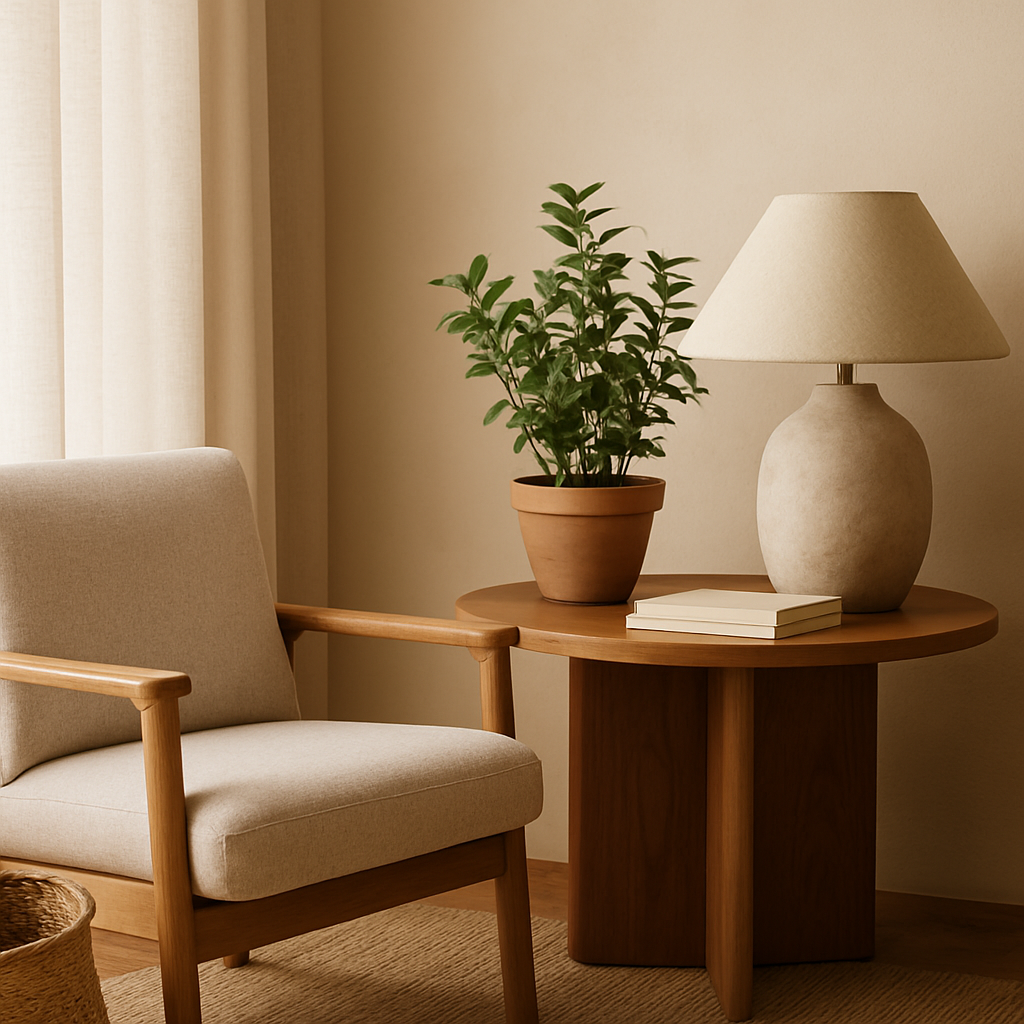
One foundational principle of sustainable design is the use of biophilic elements, which incorporate natural materials and promote a connection with nature. This can be achieved through the use of plants, natural light, and open spaces that allow for indoor-outdoor flow. According to a survey conducted by Houzz, 25% of homeowners who renovated their spaces incorporated biophilic design elements. This trend not only enhances aesthetic appeal but also supports psychological well-being.
Another key aspect is the durability of materials. Investing in high-quality furniture and finishes that stand the test of time reduces the need for frequent replacements, thereby decreasing waste. Experienced professionals often note that selecting timeless pieces rather than following fleeting trends can significantly extend the life of your interiors, contributing to both sustainability and cost-effectiveness. As we delve deeper, consider how these foundational choices can set the stage for your eco-friendly home.
The Role of Data in Sustainable Design
Data plays a crucial role in shaping sustainable interior design practices. According to a 2024 survey by the American Society of Interior Designers (ASID), nearly 70% of interior designers reported an increase in client interest in sustainability over the past five years. This growing demand is driving innovation in eco-friendly materials and techniques. Understanding these trends helps homeowners make informed decisions that align with both personal values and environmental goals.
For instance, energy-efficient lighting is a significant component of sustainable design. The U.S. Department of Energy reports that LED lighting uses at least 75% less energy and lasts 25 times longer than incandescent lighting. By incorporating LED fixtures and smart lighting systems, homeowners can significantly reduce their energy consumption. This not only benefits the planet but also results in long-term cost savings on utility bills.
Furthermore, water conservation is another critical area where data guides sustainable design. Installing low-flow faucets, showerheads, and dual-flush toilets can reduce water usage by up to 30%. The Environmental Protection Agency (EPA) provides resources and tips for homeowners to assess and improve water efficiency in their homes. As we continue, we'll explore actionable strategies to incorporate these data-driven insights into your design plans.
Actionable Strategies for Eco-Friendly Interiors
Now that we've laid the groundwork, let's discuss practical steps you can take to implement sustainable interior design. Start by conducting an inventory of your current furnishings and materials. Consider what can be repurposed or updated with eco-friendly alternatives. For example, instead of discarding old furniture, you might reupholster it with sustainable fabrics like organic cotton or bamboo.
Next, focus on energy efficiency. Swap out old light bulbs for LED options and consider smart home systems that allow you to control lighting, heating, and cooling remotely. This not only reduces energy consumption but also enhances convenience and comfort. Look into energy-efficient appliances as well; models with Energy Star ratings meet strict efficiency criteria and can significantly lower utility costs.
Finally, think about your choice of materials. Opt for sustainably sourced wood, recycled glass tiles, and low-VOC paints. These choices minimize environmental impact and improve indoor air quality. Houzz's surveys indicate that over 40% of homeowners now prioritize eco-friendly materials in their renovation projects. As you proceed, visualize how these strategic changes can transform your home into an environmentally conscious space.
Expert-Level Insights on Sustainable Design
To gain a deeper understanding of sustainable design, it's crucial to consider insights from industry experts. Certified interior designers, such as those with NCIDQ (National Council for Interior Design Qualification) credentials, emphasize the importance of a holistic approach. This involves not only selecting sustainable materials but also considering the entire lifecycle of products, from production to disposal.
Experienced professionals highlight the significance of integrating technology in sustainable design. Tools like AR/VR room visualization allow homeowners to experiment with different layouts and materials before making a commitment. This technology reduces waste by minimizing the need for physical samples and trial-and-error purchases. It also provides a realistic preview of how eco-friendly choices will look and feel in the finished space.
Moreover, adopting a mindset of quiet luxury, or understated elegance, can enhance sustainability efforts. This trend focuses on quality over quantity, choosing fewer but higher-quality items that offer enduring style. By embracing this philosophy, homeowners can create spaces that are not only environmentally responsible but also timelessly elegant. As we move forward, consider how these expert insights can refine your design approach and elevate your home's sustainability.
Additional Depth: The Financial Aspect
While the initial cost of sustainable materials and technologies might seem daunting, it's important to consider the long-term financial benefits. According to industry surveys, homes with well-designed, sustainable interiors can achieve a 5-15% higher resale value. This increase often outweighs the upfront investment, making it a financially savvy choice for homeowners.
Fee structures in sustainable design projects can vary. Many interior designers charge a flat fee, hourly rate, or percentage of the project cost. For example, hourly rates typically range from $150 to $500, depending on the designer's experience and location. Some may include procurement markups on eco-friendly materials, which can influence overall costs. Being transparent about your budget with your designer can help you prioritize sustainable options that fit within your financial plan.
Additionally, government incentives and rebates for energy-efficient upgrades can offset initial expenses. Programs vary by region, but they often include tax credits for installing solar panels, energy-efficient windows, and other sustainable features. As we wrap up, think about how these financial strategies can support your commitment to eco-friendly design while keeping your budget in check.
Final Perspectives on Sustainable Design
As you embark on your sustainable interior design journey, remember that every choice counts. From selecting reusable materials to optimizing energy efficiency, each decision contributes to a healthier environment. The transition to an eco-friendly home may require thoughtful planning and investment, but the long-term benefits for both your well-being and the planet are invaluable.
Consider the broader impact of your design choices. By adopting sustainable practices, you join a growing movement of homeowners dedicated to environmental stewardship. This commitment not only enhances your living space but also sets a positive example for future generations. As you finalize your design plans, keep in mind that sustainability is not just a trend-it's a lifestyle choice that can transform your home and the world around you.
Conclusion: Taking the First Step
In conclusion, sustainable interior design offers a path to creating a modern home that respects the environment and enhances your quality of life. By understanding foundational concepts, leveraging data-driven insights, and implementing actionable strategies, you can transform your space into an eco-friendly haven. As you move forward, explore platforms like Houzz and ASID for additional inspiration and professional guidance.
Ready to start your sustainable design journey? Begin by browsing portfolios on Houzz this week-even 20 minutes of research will sharpen your eye for eco-friendly aesthetics. Whether you're updating a single room or embarking on a full-home renovation, your commitment to sustainability can make a lasting impact. Embrace the challenge and enjoy the rewards of a beautiful, environmentally conscious home.



Comments
Post a Comment