Transform Your Space: Innovative House Interior Design Trends for 2024
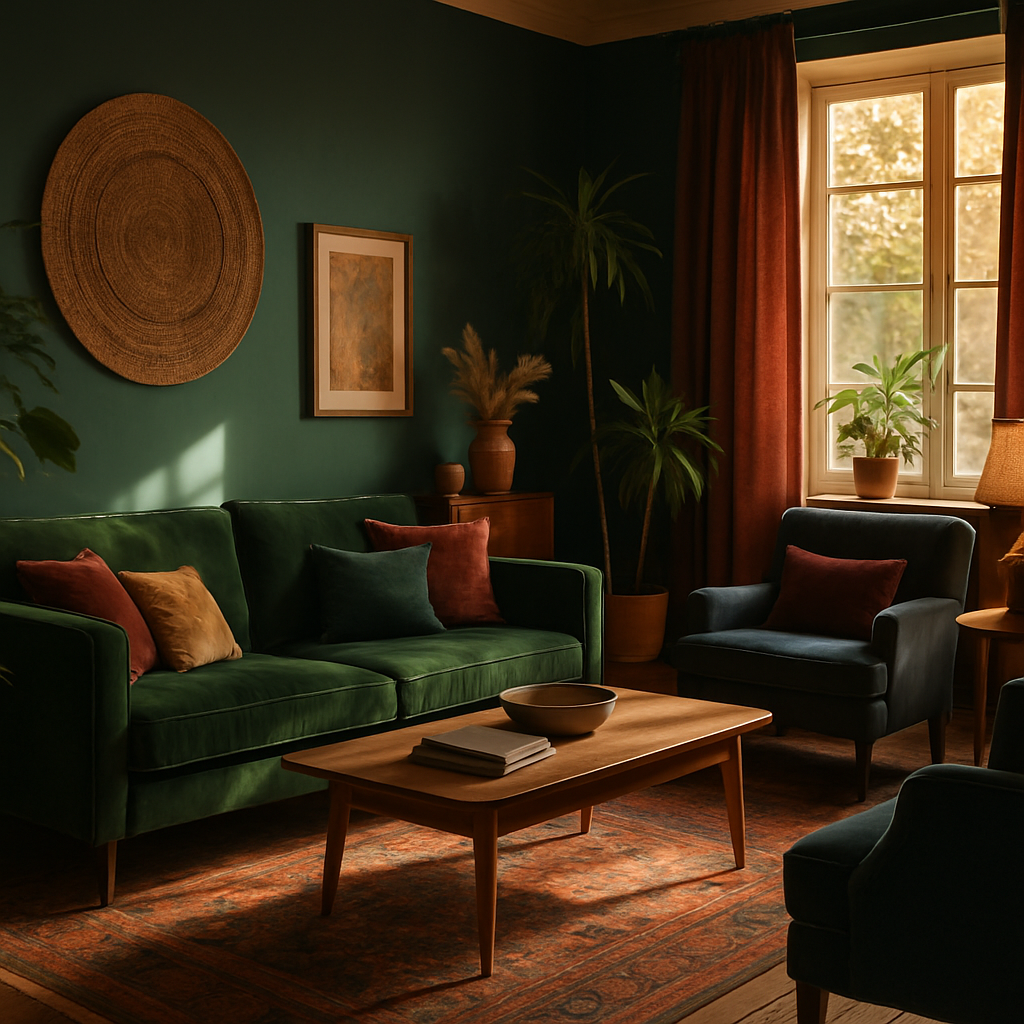
Have you ever walked into a room and felt an instant sense of calm, as if the space were designed just for you? According to a survey by Houzz, 75% of homeowners are more satisfied with their homes after a redesign that incorporates current trends. As we delve into 2024, the world of interior design is embracing several transformative trends that promise to elevate your living spaces into havens of style and comfort. This article will explore these innovative house interior design trends, offering insights into foundational concepts, data-driven analysis, actionable strategies, and expert-level details. Are you ready to transform your space?
Foundational Concepts in Modern Interior Design
At the heart of any design transformation lies a strong foundation of principles that guide the aesthetics and functionality of a space. One of the most significant trends is the shift towards biophilic design, which emphasizes the integration of nature within interiors. This approach uses natural materials, such as wood and stone, and incorporates elements like living walls and indoor plants to enhance the connection between indoor and outdoor spaces. The goal is to create environments that promote well-being and reduce stress, a necessity in our fast-paced lives.
Another foundational concept gaining traction is the idea of "quiet luxury," characterized by understated elegance and sophisticated minimalism. This trend focuses on high-quality materials and craftsmanship that speak volumes without being ostentatious. Think of plush textiles, subtle color palettes, and simple yet exquisite furniture pieces that exude a sense of quiet confidence. Such designs are not only timeless but also adaptable to various personal styles, making them a versatile choice for any home.
Smart home integration is also becoming a critical element of modern interior design. With technology seamlessly woven into the fabric of our daily lives, designers are incorporating smart lighting, climate control, and automated window treatments as standard features. These innovations not only enhance convenience but also contribute to energy efficiency, aligning with the growing emphasis on sustainable living. As we move forward, these foundational concepts will continue to shape the way we perceive and interact with our living spaces.
Deeper Analysis of Current Interior Design Trends
To understand the impact of these trends, it's essential to look at the data driving these changes. According to the American Society of Interior Designers (ASID), homes designed with biophilic elements can improve air quality and increase productivity by up to 15%. This data underscores the practical benefits of integrating nature into our living environments, far beyond mere aesthetics. Such insights are prompting more homeowners to embrace biophilic design as a means to promote healthier living.
Moreover, the concept of quiet luxury is supported by market trends indicating a growing preference for quality over quantity. An Architectural Digest survey revealed that 60% of respondents favored investing in fewer but higher-quality pieces that offer longevity and timeless appeal. This shift reflects a broader cultural movement towards sustainable consumption, where the focus is on acquiring items with enduring value rather than transient trends.
Smart home technology is another area backed by compelling statistics. A report by the International Interior Design Association (IIDA) found that 70% of new homebuyers consider smart home capabilities as a crucial factor in their purchasing decisions. This data highlights the increasing demand for homes equipped with technology that offers convenience, security, and efficiency. As these trends continue to gain momentum, they are redefining the landscape of interior design, setting new standards for both functionality and style.
Actionable Strategies for Implementing Design Trends
Embracing these interior design trends in your home doesn't have to be daunting. Start by assessing your current space and identifying areas that could benefit from a touch of nature. Consider adding potted plants or a small indoor garden to bring biophilic design into your home. If you have larger spaces, a living wall can serve as a stunning focal point while improving air quality. These small changes can have a significant impact, creating a more serene and inviting atmosphere.
When it comes to quiet luxury, focus on decluttering and investing in high-quality, timeless pieces. Opt for furniture and decor made from natural materials, like a sustainably sourced wooden dining table or a wool rug. These items not only add elegance to your space but also ensure durability with minimal environmental impact. Evaluate each room and prioritize quality over quantity to achieve a sense of understated elegance that resonates with your personal style.
To incorporate smart home technology, begin by researching products that align with your lifestyle needs. Whether it's smart lighting systems that adjust with the time of day or climate control solutions that optimize energy use, these technologies can significantly enhance your home experience. Experienced professionals often note that starting with a single room, like the living room or kitchen, can help you adapt to and appreciate the benefits of smart home integration before expanding to other areas. By implementing these strategies, you can transform your space into a modern, functional, and stylish environment.
Expert-Level Details on Interior Design Innovations
For those seeking a deeper dive into interior design, understanding the nuances of current innovations is crucial. The use of AR/VR room visualization tools is revolutionizing the design process, allowing homeowners to virtually explore different layouts and color schemes before making any physical changes. This technology empowers you to experiment with bold ideas without the risk, offering a preview of how different elements come together in your space.
Furthermore, sustainable and reclaimed materials are at the forefront of design innovation. These materials provide unique textures and stories, adding character and depth to your interiors. For example, reclaimed wood can offer a rustic charm and a sense of history, while recycled glass tiles can introduce vibrant colors and patterns. Experienced designers emphasize the importance of sourcing these materials from reputable suppliers to ensure quality and authenticity.
Japandi, a blend of Japanese minimalism and Scandinavian warmth, is another trend captivating interior enthusiasts. This style emphasizes simplicity, functionality, and a connection to nature through clean lines and neutral tones. By incorporating elements like low-profile furniture, natural textiles, and thoughtful decor, Japandi creates a tranquil yet inviting atmosphere. Understanding these expert-level details allows you to harness the power of contemporary design trends effectively.
Additional Depth: The Financial Aspect of Design
When considering a redesign, it's crucial to understand the financial implications. Interior design projects can vary significantly in cost, depending on the scope and scale. For a single room redesign, expect to invest between $5,000 and $15,000. This range typically covers concept development, design presentation, and installation. For full-home projects, budgets can range from $50,000 to $150,000 or more, depending on the complexity and materials used.
Designers' fee structures also play a significant role in the overall cost. Many professionals charge a flat fee or an hourly rate, often ranging from $150 to $500 per hour. Some may opt for a percentage of the total project cost, typically between 10% and 25%. Procurement markups on furniture and materials are also common, as designers often leverage their industry connections to source unique pieces at competitive prices. Understanding these financial aspects ensures you can plan your project effectively and avoid unexpected expenses.
Moreover, investing in professional design services can yield significant returns. Well-designed interiors can boost a property's resale value by 5% to 15%, according to industry surveys. This potential for increased equity makes design not just an aesthetic choice but a strategic investment. As you navigate the financial landscape of interior design, these insights will help you make informed decisions that align with both your budget and design aspirations.
Final Perspectives: Embracing Change in Your Home
As we look ahead, the integration of innovative design trends offers an exciting opportunity to transform our living spaces. By embracing biophilic design, quiet luxury, and smart home technology, you can create a home that reflects your personality and supports your lifestyle. These trends provide a framework for enhancing both the aesthetic and functional aspects of your interiors, making your home a true reflection of who you are.
Adopting these trends doesn't mean overhauling your space overnight. Start small, experiment with different elements, and gradually incorporate changes that resonate with you. Ask yourself: How do these trends align with my vision for my home? What steps can I take today to begin this transformation? By approaching design with curiosity and openness, you can create a space that evolves with you.
As you continue your design journey, remember that the essence of a great home lies in its ability to nurture and inspire. Let these trends guide you toward a space that not only looks beautiful but also feels like a sanctuary. Ready to begin your transformation?
Conclusion: Your Next Steps in Interior Design
In summary, the innovative house interior design trends for 2024 offer a wealth of possibilities for enhancing your home. From the calming influence of biophilic elements to the timeless appeal of quiet luxury, these trends provide a roadmap for creating spaces that are both stylish and functional. Smart home technology further enhances this experience, offering convenience and efficiency at your fingertips.
Now is the perfect time to take the first step in transforming your space. Start by browsing designer portfolios on Houzz or Pinterest to gather inspiration and ideas. Even a quick, 20-minute session can sharpen your eye for the styles and elements you want to incorporate. Remember, the journey to a beautifully designed home is as rewarding as the destination. Are you ready to transform your space into a reflection of your dreams? Begin your exploration today and unlock the potential of your home.



Comments
Post a Comment