Transform Your Space: How Interior Design Dr Homey Redefines Comfort
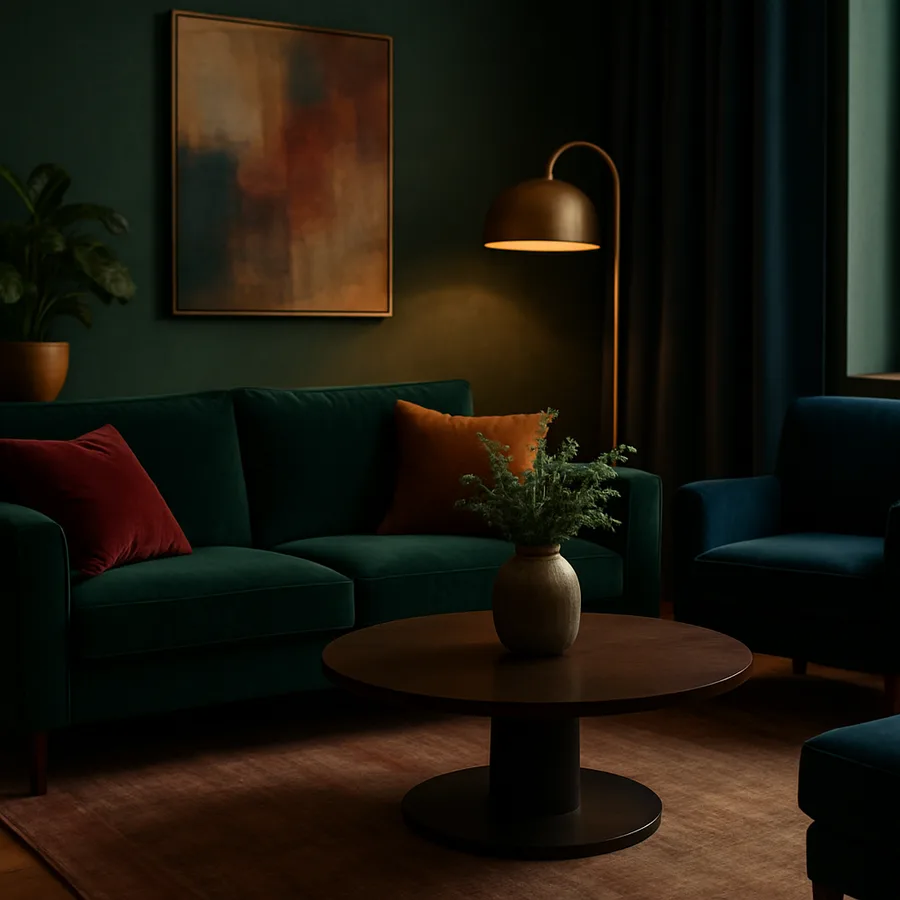
Comfort is a word that gets tossed around casually in interior design conversations, often reduced to soft cushions and cozy blankets. But true comfort in a living space runs far deeper than surface softness. It encompasses how a room supports your body, calms your mind, regulates your senses, and adapts to the rhythms of your daily life. Interior Design Dr Homey has built an entire philosophy around this expanded definition of comfort, one that treats the home as a holistic environment where every element contributes to the physical and emotional ease of its inhabitants. This approach is changing how homeowners think about what it means to feel genuinely at home.
Redefining Comfort Beyond Soft Furnishings
The conventional understanding of comfort in interior design focuses almost exclusively on tactile softness: plush sofas, thick carpets, oversized pillows. While these elements certainly contribute to physical comfort, Dr. Homey argues that they represent only one dimension of a much more complex experience. True comfort also involves thermal regulation, acoustic management, visual harmony, and ergonomic support. A room can be filled with the softest fabrics money can buy and still feel uncomfortable if the lighting is harsh, the acoustics are echoey, or the furniture forces the body into unnatural positions.
Thermal comfort is a dimension that interior design frequently overlooks, yet it profoundly affects how people experience a space. The American Society of Interior Designers (ASID) has published guidelines noting that perceived temperature is influenced not only by the thermostat setting but also by the materials and colors in a room. Warm-toned walls, wooden surfaces, and layered textiles make a room feel warmer than it actually is, while cool colors, stone surfaces, and minimal soft furnishings produce the opposite effect. Dr. Homey uses this knowledge strategically, adjusting the material palette of a room to complement its thermal characteristics rather than working against them.
Acoustic comfort is another overlooked factor that Dr. Homey places at the center of residential design. Hard surfaces like tile, glass, and hardwood reflect sound waves, creating echo and amplifying noise. Soft surfaces like upholstered furniture, curtains, rugs, and acoustic panels absorb sound, producing a quieter, more intimate atmosphere. In open-plan homes, where sound travels freely between zones, acoustic management becomes especially critical. Dr. Homey recommends a strategic mix of hard and soft surfaces in every room, calibrated to achieve a sound environment that feels neither deadened nor reverberant but naturally balanced.
Ergonomic comfort addresses the body s need for proper support during the activities that define domestic life. A dining chair that looks stunning but causes back pain after twenty minutes fails at its fundamental purpose. A kitchen counter at the wrong height forces the cook to hunch or stretch, creating strain that accumulates over years. Dr. Homey evaluates every piece of furniture and every built-in surface against ergonomic standards, ensuring that beauty never comes at the expense of physical well-being. Have you ever considered whether the furniture in your home is actually supporting your body, or merely housing it?
The Science of Sensory Design in Residential Spaces
Sensory design is a framework that considers how all five senses interact with a living environment, and it forms a central pillar of Dr. Homey s approach to comfort. Most design focuses exclusively on the visual sense, creating rooms that photograph well but may not feel, sound, or smell particularly pleasant. Dr. Homey expands the design brief to encompass touch, hearing, smell, and even taste, the latter addressed through kitchen design that encourages cooking and shared meals. This multi-sensory approach produces spaces that engage the whole person, not just the eyes.
Touch is the sense most directly associated with comfort, and Dr. Homey approaches it with scientific precision. Different textures produce distinct neurological responses: smooth, cool surfaces trigger alertness, while soft, warm textures activate the parasympathetic nervous system, promoting relaxation. By mapping the activities that occur in each room and selecting textures that support those activities, Dr. Homey creates environments that are physiologically tuned to their purpose. A home office might feature smooth, cool surfaces that maintain focus, while a bedroom emphasizes soft, warm textures that prepare the body for sleep.
The sense of smell is powerful yet frequently neglected in interior design. Research published by the National Institutes of Health confirms that olfactory stimuli bypass the rational brain and connect directly to the limbic system, which governs emotion and memory. This means that scent has an outsized impact on how a room makes you feel, often below the level of conscious awareness. Dr. Homey incorporates scent into design through natural materials that carry inherent fragrances, such as cedar, leather, and fresh flowers, as well as through diffusers and candles selected to complement the intended mood of each space. A lavender scent in the bedroom promotes sleep; a citrus note in the kitchen energizes morning routines.
Sound design in the home extends beyond acoustic treatment to include the intentional introduction of pleasant sounds. Dr. Homey draws on research from the International Interior Design Association (IIDA) showing that natural soundscapes, such as flowing water, birdsong, and gentle wind, reduce perceived stress by up to 30 percent. Indoor water features, strategically placed near windows that admit birdsong, and even curated playlists designed for specific rooms all contribute to an acoustic environment that actively promotes comfort rather than merely minimizing discomfort. What does your home sound like right now, and does that soundtrack support the way you want to feel?
Ergonomic Layouts That Support Daily Living
Layout is the skeleton of interior design, the structural framework upon which all other elements depend. Dr. Homey approaches layout design with an intense focus on how people actually move through and use their homes, rather than how rooms appear in floor plan drawings. This means observing daily routines, identifying friction points, and reconfiguring spaces to eliminate unnecessary steps, awkward transitions, and functional bottlenecks. The result is a home that feels effortless to inhabit, where every room supports its intended activities without requiring conscious adaptation from its occupants.
Kitchen layout is where ergonomic design has the most measurable impact on daily comfort. The work triangle concept, which positions the sink, stove, and refrigerator at the three points of an efficient triangle, has been a foundational principle since it was developed by the University of Illinois School of Architecture in the 1940s. Dr. Homey refines this concept for contemporary living, expanding it to include additional work zones for food preparation, cleanup, and storage. According to a survey by Houzz, 72 percent of homeowners who renovated their kitchens cited improved functionality as the primary motivation, ahead of both aesthetics and increased home value.
Bedroom layouts receive equal attention in Dr. Homey s practice, with particular focus on the relationship between the bed, natural light sources, and room entry points. Positioning the bed so that it faces the door but is not directly in line with it satisfies a deep psychological need for security while maintaining a sense of openness. Dr. Homey also advocates for clear pathways on both sides of the bed, adequate bedside surfaces for essential items, and the elimination of under-bed clutter that, even when invisible, creates a subconscious sense of disorder. These layout principles cost nothing to implement but can significantly improve the quality of rest.
Bathroom layouts present unique ergonomic challenges because the space is typically small and the activities performed within it are physically demanding. Reaching, bending, stretching, and balancing on wet surfaces all occur in a room that is often designed primarily for visual appeal. Dr. Homey prioritizes grab points, non-slip surfaces, adequate clearance around fixtures, and storage positioned at heights that minimize reaching and bending. The NCIDQ examination includes detailed questions on bathroom accessibility and ergonomics, reflecting the profession s recognition that this small room has an outsized impact on daily comfort and safety.
Creating Zones of Restoration Within the Home
Modern life generates constant stimulation, from screens and notifications to traffic noise and social obligations. Dr. Homey believes that the home must serve as a counterbalance to this relentless input by providing dedicated zones of restoration where occupants can decompress and recharge. These are not necessarily entire rooms but can be corners, nooks, or alcoves intentionally designed to promote calm. The key is separating these restoration zones from the active, productive areas of the home so that the brain learns to associate them with relaxation.
A restoration zone requires four elements working in concert: reduced visual stimulation, controlled lighting, acoustic insulation, and physical comfort. Dr. Homey achieves reduced visual stimulation through simplified color palettes, minimal decorative objects, and the absence of screens or work materials. Controlled lighting means soft, warm, dimmable sources positioned below eye level. Acoustic insulation is provided by soft furnishings, heavy curtains, and, in some cases, dedicated acoustic panels. Physical comfort comes from seating or reclining surfaces that support the body in a relaxed posture without requiring muscular effort to maintain.
The reading nook is Dr. Homey s most frequently recommended restoration zone because it is compact, affordable, and adaptable to almost any home layout. A comfortable armchair positioned beside a window, accompanied by a small side table and a dedicated reading lamp, creates a self-contained retreat that signals relaxation to the brain every time you sit down. ASID research indicates that designated activity zones are more effective at promoting their intended activities than multi-purpose spaces, because the environment itself becomes a behavioral cue. When your reading nook is used exclusively for reading and quiet reflection, your brain begins to downshift the moment you settle into the chair.
Outdoor connections enhance restoration zones significantly. Dr. Homey designs these spaces to face windows, gardens, or balconies whenever possible, leveraging the restorative power of natural views. Even a view of a single tree or a patch of sky provides a visual anchor that draws the mind away from interior concerns and toward the broader natural world. For homes without natural views, large-scale nature photography, living plant walls, or even high-quality murals depicting natural landscapes can serve as substitutes that activate similar psychological responses. Where in your home could you carve out a small zone dedicated entirely to rest and restoration?
Adaptive Design for Evolving Life Stages
One of Dr. Homey s most forward-thinking contributions to interior design is the emphasis on adaptive design: creating spaces that can evolve alongside the changing needs of their occupants. A home designed exclusively for its occupants current life stage becomes increasingly misaligned as circumstances shift. Children grow, careers change, health conditions emerge, and household compositions evolve. Dr. Homey designs for this reality by building flexibility into every aspect of a space, ensuring that rooms can adapt without requiring complete renovation.
Modular furniture is the most tangible expression of adaptive design. Sectional sofas that can be reconfigured, shelving systems that expand or contract, and tables with removable leaves all provide the flexibility to accommodate changing needs. Dr. Homey recommends investing in modular systems from the outset rather than purchasing fixed furniture that serves only one configuration. The IIDA has highlighted modular design as one of the most significant trends in residential interiors, driven by the recognition that contemporary lifestyles demand spaces that can shift function rapidly, sometimes multiple times within a single day.
Room function flexibility is another dimension of adaptive design that Dr. Homey champions. A guest bedroom that doubles as a home office, a dining room that converts to a homework station, or a living room that transforms into an exercise space all represent rooms designed to serve multiple purposes across different times of day or week. Dr. Homey achieves this flexibility through careful storage solutions that allow activity-specific items to be deployed and concealed efficiently, lighting schemes that shift between task modes, and furniture on casters that can be repositioned without effort.
Aging in place is the ultimate expression of adaptive design, and Dr. Homey incorporates its principles into projects for clients of all ages. Wider doorways, lever-style door handles, stepless transitions between rooms, and reinforced bathroom walls that can support future grab bar installation are all modifications that add virtually no cost during initial construction or renovation but become invaluable as occupants age. According to AARP, 77 percent of adults over fifty want to remain in their current homes as they age, making these adaptive features not just thoughtful design choices but practical investments in long-term independence and comfort.
Bringing Dr. Homey s Comfort Philosophy Into Your Daily Life
Implementing Dr. Homey s expanded definition of comfort does not require a complete home overhaul. It begins with awareness: paying attention to how your body and mind respond to your current environment and identifying the specific dimensions of comfort that are underserved. Perhaps your home is visually beautiful but acoustically harsh. Perhaps it is thermally comfortable but ergonomically challenging. Perhaps it stimulates the eyes but neglects every other sense. Each of these imbalances represents an opportunity for meaningful improvement that can be addressed incrementally and affordably.
Dr. Homey recommends beginning with a sensory walk-through of your home. Move through each room slowly, deliberately engaging each sense in turn. What do you see, hear, feel, and smell? Where do you experience tension, and where do you feel ease? This exercise reveals the gaps between your home s current sensory profile and the one that would best support your well-being. The findings often surprise even homeowners who believe they know their spaces intimately, because many sensory inputs operate below the threshold of conscious awareness until deliberate attention brings them to the surface.
Small changes accumulate into significant transformations over time. Adding a rug to a room with hard flooring improves both acoustic and thermal comfort immediately. Replacing a harsh overhead light with a warm-toned table lamp shifts the visual and emotional character of a space in minutes. Introducing a small indoor plant adds visual interest, improves air quality, and provides a biophilic connection that research consistently links to reduced stress. Dr. Homey s philosophy is that no change is too small to matter, because each improvement in one dimension of comfort elevates the overall experience of the space.
Comfort, as Dr. Homey defines it, is not a static condition to be achieved once and forgotten. It is an ongoing relationship between you and your environment, one that requires periodic reassessment and adjustment as your needs, preferences, and circumstances evolve. The home that perfectly served you five years ago may need recalibration to serve you well today. Approach this process with curiosity rather than obligation, treating each adjustment as an act of self-care that affirms your right to live in a space that truly supports who you are and who you are becoming. Your comfort matters, and your home should prove it every single day. Take the first step today by choosing one room for your sensory walk-through and discovering what your space is already telling you.
More Articles You May Like



Comments
Post a Comment