Transform Your Space: Discover the Magic of Interior Design with Dr. Homey
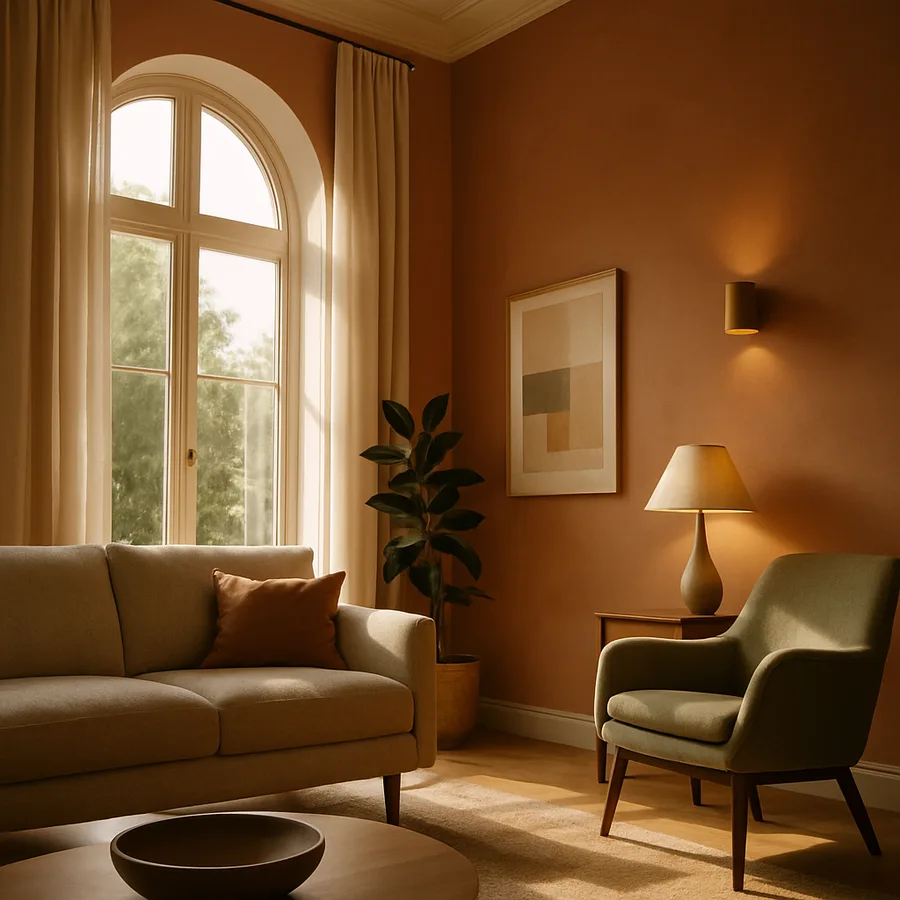
Every room tells a story, and the way you design your living space speaks volumes about who you are, what you value, and how you want to feel when you walk through the door. Interior design is far more than selecting paint colors and arranging furniture. It is a discipline rooted in psychology, art, and architecture that has the power to fundamentally alter how you experience your home. Dr. Homey has long championed the idea that thoughtful design is not a luxury reserved for the wealthy but a practical tool available to anyone willing to approach their space with intention and creativity.
Understanding the Foundations of Thoughtful Interior Design
Interior design begins with understanding the principles that govern how humans interact with enclosed spaces. The American Society of Interior Designers (ASID) has published extensive research demonstrating that well-designed environments can reduce stress, improve productivity, and even promote better sleep patterns. These are not abstract claims but findings rooted in decades of empirical study. When you grasp the fundamentals of scale, proportion, balance, and rhythm, you gain the ability to create rooms that feel instinctively right, even if you cannot immediately articulate why. Dr. Homey emphasizes that these foundational concepts are the grammar of design, the invisible rules that make a space feel coherent.
Scale and proportion are perhaps the most overlooked elements in amateur decorating attempts. A massive sectional sofa crammed into a compact living room creates visual tension that the brain registers as discomfort, even before conscious thought kicks in. Conversely, a delicate side table lost in a cavernous great room feels inadequate and unanchored. The International Interior Design Association (IIDA) recommends that homeowners begin any project by carefully measuring their space and creating a floor plan before purchasing a single item. This simple step eliminates the most common mistakes and saves both money and frustration in the long run.
Balance operates on two levels in interior design: symmetrical and asymmetrical. Symmetrical balance, where matching elements flank a central axis, conveys formality and order. Asymmetrical balance, where different objects of similar visual weight are arranged to achieve equilibrium, feels more dynamic and contemporary. Dr. Homey often advises clients to consider which type of balance aligns with their personality before committing to a layout. Are you someone who finds comfort in predictability and structure, or do you thrive in environments that feel spontaneous and organic? Your answer to that question should guide every decision that follows.
Rhythm in design refers to the repetition of visual elements that guide the eye through a space. This can be achieved through repeating colors, patterns, textures, or shapes. A row of identically framed photographs creates rhythm through repetition, while a gradient of cushion sizes on a sofa creates rhythm through progression. According to a study conducted by the Design Research Institute, rooms that incorporate deliberate rhythmic elements are rated as 34 percent more visually appealing by participants compared to rooms arranged randomly. Understanding rhythm allows you to create flow, ensuring that no single element feels isolated or disconnected from the whole.
The Psychology of Color and How It Shapes Your Mood
Color is the single most powerful tool in the interior designer's arsenal, and its effects on human psychology are well documented. Research published by the Colour Association of the United States indicates that warm tones such as reds, oranges, and yellows stimulate appetite and conversation, making them ideal for dining areas and social spaces. Cool tones like blues, greens, and lavenders promote calm and focus, which is why they appear so frequently in bedrooms and home offices. Dr. Homey stresses that understanding color psychology is not about following rigid rules but about aligning your palette with the emotional experience you want each room to deliver.
The concept of undertones adds another layer of complexity to color selection. A gray wall might lean blue, green, or purple depending on its undertone, and this subtle shift can dramatically alter how the color interacts with your furniture, flooring, and natural light. Have you ever painted a room only to feel that something was slightly off, even though the color looked perfect on the swatch? That disconnect almost always traces back to undertones clashing with existing elements in the space. Dr. Homey recommends testing at least three paint samples on different walls and observing them at various times of day before making a final decision.
Neutral palettes have dominated interior design trends for years, and for good reason. Whites, beiges, grays, and taupes provide a versatile foundation that allows you to introduce personality through accessories, textiles, and artwork. However, Dr. Homey cautions against the all-white room trap, where the pursuit of minimalism results in a space that feels sterile and uninviting. The National Council for Interior Design Qualification (NCIDQ) emphasizes in its professional guidelines that warmth and visual interest are essential components of livable design. A neutral base works best when layered with varied textures and subtle tonal shifts rather than presented as a monolithic expanse of sameness.
For those who want to introduce bold color without overwhelming a room, the 60-30-10 rule remains a reliable framework. Sixty percent of the room should feature a dominant color, typically applied to walls and large furniture pieces. Thirty percent should consist of a secondary color that supports and contrasts with the dominant tone. The remaining ten percent is reserved for accent colors that add pops of visual interest through throw pillows, vases, artwork, or decorative objects. This formula creates a layered, cohesive look that feels intentional without being monotonous. What colors make you feel most at home, and how might you incorporate them using this balanced approach?
Maximizing Space Through Strategic Furniture Placement
Furniture placement is where theory meets practice, and where many homeowners struggle the most. The instinct to push all furniture against the walls is deeply ingrained but almost always wrong. Pulling furniture away from walls and creating conversational groupings in the center of a room actually makes spaces feel larger and more purposeful. Dr. Homey frequently demonstrates this principle during consultations, and the reaction from clients is consistently one of surprise. A room that felt cramped and cluttered with everything lining the perimeter suddenly feels open and inviting when pieces are repositioned with intention.
Traffic flow is a critical but often neglected consideration in furniture arrangement. Every room has natural pathways that people follow when moving through the space, and blocking those pathways with furniture creates frustration and a sense of confinement. ASID guidelines recommend maintaining at least 36 inches of clearance for primary traffic lanes and 24 inches for secondary paths. Dr. Homey adds that traffic flow should feel intuitive, meaning a visitor entering your home for the first time should be able to navigate without hesitation or awkward maneuvering around obstacles.
Multi-functional furniture has become increasingly important as living spaces shrink, particularly in urban environments. A survey by Houzz found that 58 percent of homeowners completing renovations prioritize storage solutions, reflecting the universal challenge of managing belongings in limited square footage. Ottoman benches with hidden storage, extending dining tables, and modular sofas that can be reconfigured for different occasions all serve the dual purpose of furnishing and organizing. Dr. Homey advocates for investing in fewer, higher-quality pieces that serve multiple functions rather than filling a room with single-purpose items that compete for space.
The concept of zones applies even in open-plan living areas. Using area rugs, lighting changes, and furniture groupings, you can define distinct functional areas within a single large room. A reading nook defined by a floor lamp and an armchair tucked beside a bookshelf feels intentional and inviting, even if it occupies a corner of a larger living space. Dr. Homey points out that zoning is especially effective in studio apartments and loft conversions, where the absence of walls demands creative solutions for separating sleeping, working, and socializing areas without physical barriers.
The Role of Lighting in Creating Atmosphere and Functionality
Lighting design is frequently treated as an afterthought, something addressed only after walls are painted and furniture is placed. This approach is a significant missed opportunity, because lighting has the power to transform the entire character of a room. Dr. Homey describes lighting as the jewelry of interior design: it enhances everything around it and, when chosen poorly, undermines even the most beautifully curated space. A comprehensive lighting plan addresses three distinct categories: ambient lighting for overall illumination, task lighting for specific activities, and accent lighting for highlighting architectural features or artwork.
Natural light is the most desirable and underutilized light source in most homes. The orientation of your windows determines the quality and color temperature of the light entering your space throughout the day. North-facing windows provide consistent, cool light ideal for art studios and offices. South-facing windows deliver warm, abundant light that benefits living areas and kitchens. Dr. Homey recommends auditing your natural light before selecting any artificial fixtures, because the two must work in harmony. Window treatments play a crucial role here: sheer curtains diffuse harsh direct sunlight, while blackout options provide control in bedrooms and media rooms.
Layered lighting is a hallmark of professional interior design. Rather than relying on a single overhead fixture, which creates harsh shadows and flat illumination, designers combine multiple light sources at different heights and intensities. Table lamps, floor lamps, recessed fixtures, pendant lights, and wall sconces each contribute a different quality of light that, together, creates depth and dimension. According to the IIDA, rooms with three or more light sources are perceived as 40 percent more comfortable than rooms with a single source. This statistic alone should motivate anyone still relying on a lone ceiling fixture to rethink their approach.
Dimmer switches are among the most cost-effective upgrades you can make to any room. They allow you to adjust the intensity of your lighting to match the time of day, the activity at hand, and the mood you want to create. Bright, energizing light for morning routines transitions to soft, warm illumination for evening relaxation with a simple adjustment. Dr. Homey considers dimmers non-negotiable in bedrooms, dining rooms, and living areas. The flexibility they provide turns a static lighting setup into a dynamic, responsive system that adapts to your life rather than forcing you to adapt to it.
Incorporating Texture and Pattern for Visual Depth
Texture is the element that separates a room that looks good in photographs from one that feels good in person. Smooth, rough, soft, hard, matte, and glossy surfaces all interact with light differently and create sensory variety that engages more than just the visual sense. Dr. Homey often says that texture is what makes a room feel alive. A leather armchair beside a linen sofa, a wool rug on a hardwood floor, a ceramic vase on a marble countertop: these combinations create a tactile richness that flat, uniform surfaces simply cannot achieve. Rooms lacking textural variety often feel bland despite having perfectly coordinated colors and furniture.
Pattern introduces movement and energy into a space, but it must be handled with care to avoid visual chaos. The safest approach for beginners is to choose one bold pattern as a focal point, such as a geometric area rug or a floral accent wall, and then support it with smaller-scale patterns in coordinating colors. Dr. Homey warns against mixing more than three distinct patterns in a single room unless they share a common color thread that ties them together. The NCIDQ examination tests designers on their ability to combine patterns effectively, reflecting how fundamental this skill is to professional practice.
Natural materials bring an irreplaceable quality of texture that synthetic alternatives struggle to replicate. Wood grain, stone veining, woven fibers, and natural leather all carry subtle imperfections and variations that the human eye finds inherently appealing. This is not mere sentimentality; research from Houzz confirms that rooms incorporating natural materials consistently rank higher in homeowner satisfaction surveys. Dr. Homey encourages clients to prioritize at least two natural materials in every room, whether through furniture, flooring, window treatments, or decorative accessories. The authenticity of natural textures adds warmth and character that manufactured materials simply cannot match.
Layering textures follows a similar logic to layering lighting. Start with the largest surfaces, such as flooring and walls, and build upward through furniture upholstery, window treatments, throw pillows, and decorative objects. Each layer adds complexity without requiring additional space or radical changes to the existing layout. Dr. Homey recommends a minimum of five distinct textures in any living room to achieve a sense of completeness. This might sound excessive, but consider a typical arrangement: a hardwood floor, a woven area rug, a velvet sofa, linen curtains, and a ceramic table lamp. Five textures, working together seamlessly, creating a room that invites you to sit down and stay a while.
Making Design Decisions That Stand the Test of Time
Trends come and go with remarkable speed in the interior design world, and chasing every new aesthetic can leave you with a home that feels dated within a few years. Dr. Homey advocates for a philosophy of timeless core, trendy edges. This means investing in high-quality, classic pieces for your major furniture and committing to neutral, enduring colors for walls, flooring, and cabinetry. Trend-driven elements should be confined to easily replaceable items like throw pillows, artwork, small accessories, and seasonal decorative touches. This approach protects your investment while still allowing your space to feel current and personal.
Sustainability has moved from a niche concern to a central consideration in responsible interior design. ASID has reported that the interior design industry accounts for a significant portion of material waste, and the organization now actively promotes sustainable practices among its members. Choosing durable, well-made furniture that lasts for decades rather than disposable pieces that end up in landfills after a few years is both an environmental and an economic decision. Dr. Homey frequently recommends exploring vintage and antique markets, where one-of-a-kind pieces carry history and character while diverting items from the waste stream.
Personal meaning is the ingredient that transforms a well-designed room into a truly beloved one. Family photographs, travel souvenirs, inherited furniture, and handmade items carry emotional weight that no store-bought accessory can replicate. Dr. Homey believes that the most successful interiors are those that tell the story of the people who live in them. A collection of shells gathered from beach vacations, a quilt made by a grandmother, a painting purchased from a street artist during a memorable trip: these items become anchors of identity that make a house feel unmistakably like home. How might you incorporate your own meaningful objects into your design scheme?
Ultimately, the magic of interior design lies in its ability to bridge the gap between how a space looks and how it makes you feel. Dr. Homey has spent years demonstrating that this bridge is accessible to everyone, regardless of budget or experience. The principles outlined here, from understanding foundational design concepts to making sustainable, personally meaningful choices, provide a roadmap for transforming any space into one that supports and reflects the life you want to live. Start with one room, apply these ideas with patience and intention, and watch as the magic unfolds. If you are ready to begin your own transformation, take a single step today: measure your space, audit your lighting, or simply sit quietly in your room and ask yourself what you wish it could become.
More Articles You May Like



Comments
Post a Comment