10 Modern Interior Design Trends to Transform Your Living Space in 2023
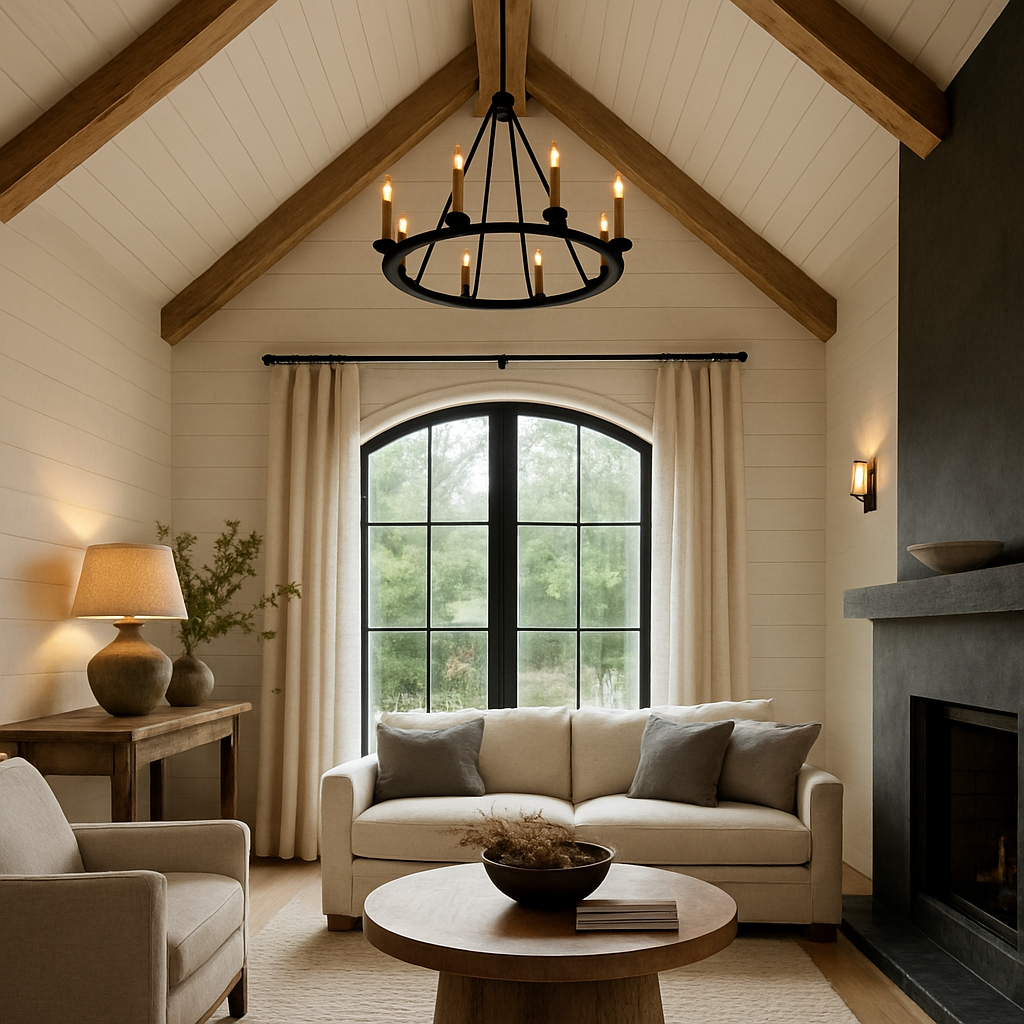
Is your living space feeling a bit outdated? Designing a home that reflects both personal style and current trends can be challenging yet rewarding. According to the Houzz 2023 survey, 68% of homeowners plan to redecorate their living spaces, driven by the desire for change and increased functionality. In this article, we'll explore 10 modern interior design trends that can transform your home into a stylish sanctuary. From biophilic design to smart home integration, these trends offer a mix of aesthetic appeal and practical functionality. Ready to dive in? Let's explore what 2023 has in store for interior design enthusiasts.
Biophilic Design: Bringing Nature Indoors
Biophilic design, a concept that emphasizes the integration of natural elements into interior spaces, is gaining traction in 2023. This trend focuses on creating harmony between the natural environment and modern living spaces. By incorporating natural materials such as wood, stone, and greenery, homeowners can create a soothing atmosphere that promotes well-being. Imagine a living room with a living wall or a kitchen with large windows that invite natural light and views of the garden.
According to the American Society of Interior Designers (ASID), biophilic design not only enhances aesthetic appeal but also boosts mental health by reducing stress levels. A study published in the Journal of Environmental Psychology found that exposure to natural elements can improve focus and creativity. Experienced professionals often note that incorporating elements like indoor plants or water features can significantly enhance the ambiance of a space.
Are you considering a biophilic approach for your home? Start by assessing the natural elements already present and think about how you can enhance them. For instance, adding a vertical garden or opting for furniture made from reclaimed wood can be a great starting point. Transitioning to our next trend, let's explore how smart technology is reshaping modern interiors.
Smart Home Integration: The Future of Living
Smart home technology has become more than just a convenience; it's a fundamental aspect of modern interior design. From automated lighting systems to climate control and voice-activated assistants, integrating technology into your home can enhance both functionality and style. According to a 2023 survey by Architectural Digest's AD PRO network, 74% of interior designers report an increase in demand for tech-savvy solutions in home design.
Smart lighting, for example, not only allows for energy savings but also enables homeowners to set the mood with customizable color temperatures and brightness levels. Imagine entering a room where the lights automatically adjust to your preferred setting. Similarly, automated window treatments can provide privacy while optimizing natural light. These innovations not only add convenience but can also elevate the overall design aesthetic.
Have you considered how smart technology could redefine your living space? Begin by identifying areas where technology could enhance daily activities. From smart thermostats that learn your schedule to kitchens equipped with voice-controlled appliances, the possibilities are expansive. Next, we'll delve into the subtle yet impactful trend of quiet luxury.
Quiet Luxury: Embracing Understated Elegance
In 2023, the concept of quiet luxury is redefining what it means to create an elegant home. This trend focuses on high-quality materials, craftsmanship, and timeless design. Rather than flashy or ostentatious, quiet luxury exudes sophistication through subtlety and restraint. A well-designed room might feature a statement piece, such as a handcrafted table, set against a neutral palette that exudes calm and balance.
Quiet luxury is often characterized by natural fabrics, bespoke furniture, and muted color schemes that offer a sense of tranquility. According to the International Interior Design Association (IIDA), this trend is about creating spaces that feel personalized yet universally appealing. It's about investing in pieces that tell a story and stand the test of time.
Are you drawn to the simplicity of quiet luxury? Consider starting with a neutral color palette and incorporating texture through textiles and finishes. A cashmere throw or a set of linen curtains can add depth and warmth without overpowering the space. As we move forward, we'll examine how sustainable and reclaimed materials are making a significant impact in interior design.
Sustainability and Reclaimed Materials: Eco-Friendly Choices
The push towards sustainability continues to influence modern interior design, with an emphasis on using reclaimed and eco-friendly materials. This trend not only supports environmental responsibility but also offers unique aesthetic opportunities. According to a report by the National Council for Interior Design Qualification (NCIDQ), using sustainable materials can reduce a home's carbon footprint while enhancing its design appeal.
Reclaimed wood, for example, can add character and history to a space, while recycled metal and glass offer sleek and modern alternatives. Many designers are now sourcing materials locally to reduce environmental impact and support community artisans. This approach not only benefits the planet but also adds a unique story to each piece within the home.
Are you considering sustainable options for your home renovation? Begin by researching local suppliers who offer reclaimed materials. Incorporating these elements can be as simple as choosing recycled glass tiles for the kitchen backsplash or selecting furniture made from repurposed wood. Our next section will discuss how the Japandi style blends minimalism with warmth.
Japandi Style: Minimalism Meets Warmth
The Japandi style, a fusion of Japanese minimalism and Scandinavian warmth, is a trend that embraces simplicity and functionality. This design ethos focuses on clean lines, neutral color schemes, and the use of natural materials. The result is a space that feels calm, organized, and inviting, perfect for those who seek harmony in their living environment.
Japandi interiors often feature low-profile furniture, organic textures, and a focus on craftsmanship. According to Houzz, this style is increasingly popular among homeowners who appreciate the balance between form and function. By combining the Zen-like qualities of Japanese design with the cozy elements of Scandinavian decor, Japandi offers a balanced and serene aesthetic.
Are you inspired by the Japandi style? Start by decluttering your space and selecting furniture that emphasizes utility and beauty. Choose a color palette that includes soft earth tones and incorporate natural elements like plants and wooden accents. As we wrap up, let's look at the final perspectives on these transformative trends.
Final Perspectives: Embracing Change
Embracing modern interior design trends in 2023 means more than just updating your decor; it involves creating a space that resonates with your lifestyle and values. Whether you're drawn to the calming effects of biophilic design or the sleek innovation of smart technology, these trends offer a roadmap to transform your living space into a reflection of your personal taste.
As you consider these trends, ask yourself: What elements resonate most with your lifestyle? Which trends align with your vision for your home? By understanding these preferences, you can make informed decisions that create a cohesive and stylish living environment.
Ready to embark on your design journey? Start by exploring portfolios on platforms like Houzz or Pinterest. Even dedicating 20 minutes a week to research can inspire new ideas and help you refine your design vision. As we conclude, let's recap and take actionable steps.
Conclusion: Your Transformative Design Journey
We've explored 10 modern interior design trends set to transform living spaces in 2023. From biophilic elements and smart technology to quiet luxury and sustainable materials, these trends offer a wealth of inspiration and practical solutions. Whether you're planning a full-home renovation or a simple room update, these insights can guide your design decisions.
As you prepare to implement these trends, I encourage you to start small. Perhaps begin with a single room, experimenting with elements that excite you. Connect with certified designers through platforms like ASID or explore community resources for sustainable materials. Your living space transformation awaits. Start by browsing portfolios on Houzz this week-even 20 minutes of research will sharpen your eye for what you want.



Comments
Post a Comment