Transform Your Space: How Interior Bliss Redefines Online Interior Design Inspiration
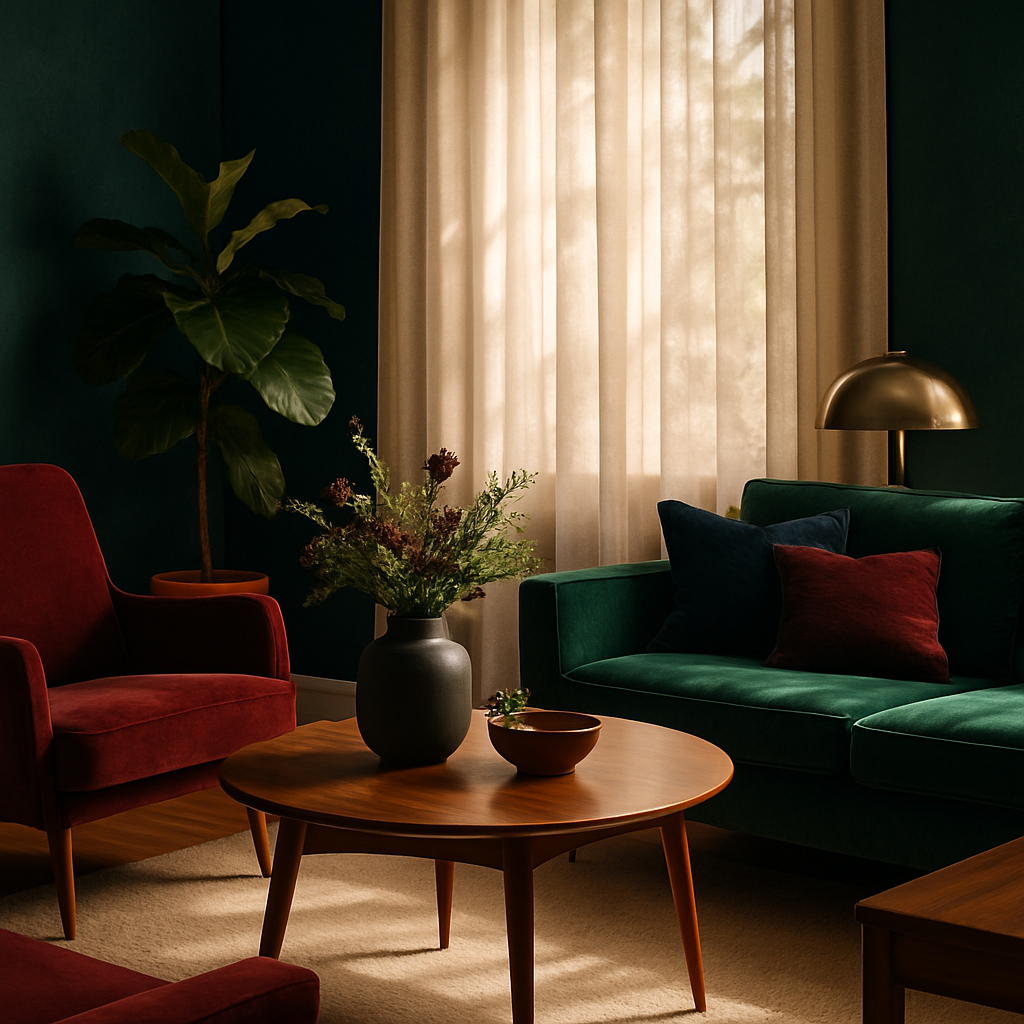
Have you ever felt overwhelmed by the endless scroll of design ideas online, only to find yourself still unsure of how to start your own space transformation? You're not alone. According to a Houzz survey, 75% of homeowners experience decision fatigue when planning a redesign. This is where Interior Bliss steps in, offering a curated approach to the chaos of online inspiration. By leveraging expert insights, cutting-edge technology, and a deep understanding of design principles, Interior Bliss helps you transform your space efficiently and stylishly. In this article, we'll explore foundational design concepts, delve into data-backed strategies, and provide actionable advice to help you turn inspiration into reality.
Understanding Foundational Design Concepts
The journey to a beautifully designed space begins with understanding core design principles. At the heart of any successful interior project lies the balance between form and function. This balance ensures that a room is not only visually appealing but also practical for everyday use. Experienced professionals often note that when this balance is achieved, spaces can add a 5-15% higher resale value to your home. To start, consider how you use each room. Do you entertain often, or is the space primarily for relaxation? Mapping out these needs will guide your design choices.
Another foundational concept is the color palette. A well-chosen palette can unify a space and evoke specific moods. For instance, cool tones like blues and greens can create a calming atmosphere, while warm tones like reds and oranges can energize a room. According to the American Society of Interior Designers (ASID), selecting the right color scheme is crucial for achieving the intended feel of a space. Consider a neutral base with pops of color for versatility.
Finally, scale and proportion are key. Furniture and decor should complement the dimensions of a room, not overwhelm it. The International Interior Design Association (IIDA) advises considering the size of furnishings in relation to space. A large, plush sofa might look inviting in a showroom, but in a smaller living room, it could feel cramped. By understanding these foundational concepts, you create a strong base for your design journey.
With these principles in mind, we can now explore how data-driven insights can further refine your design strategy.
Leveraging Data for Informed Design Decisions
Data plays a significant role in modern interior design. Platforms like Houzz and Pinterest offer vast amounts of user-generated data that can reveal emerging trends and preferences. For instance, Houzz's annual survey data shows an increased interest in biophilic design, with 40% of respondents incorporating natural elements like wood and plants into their homes. This trend highlights a shift towards environments that promote well-being and connectivity with nature.
In addition to trend data, technology such as AR/VR tools allows homeowners to visualize potential changes before committing to them. This kind of technology, used by many certified interior designers with NCIDQ (National Council for Interior Design Qualification) credentials, can be a game-changer. Imagine being able to see a virtual rendering of your redesigned living room, complete with furniture and decor, before you make any purchases. It's a practical way to minimize costly mistakes.
Moreover, data from the ASID indicates that well-executed design not only enhances aesthetic appeal but also boosts property value. Their research shows that investing in quality design elements can yield a 5-15% increase in home resale value. As you gather inspiration, consider how these data-driven insights can inform your choices, ensuring they align with both your style and financial goals. Let's now translate these insights into actionable strategies for your project.
Actionable Strategies for Your Interior Design Project
To transform inspiration into reality, start with a detailed project plan. Begin by defining the scope of your project-whether it's a single room or an entire home. Establishing a clear scope helps in setting realistic timelines and budgets, preventing scope creep that can derail projects. The typical budget for a single room redesign ranges from $5,000 to $15,000, while full-home projects can exceed $50,000. Understanding these figures helps in planning effectively.
Next, consider hiring a certified interior designer. Professionals with credentials from NCIDQ, ASID, or IIDA bring a wealth of expertise and industry connections that can streamline your project. They can provide access to exclusive resources and manage procurement, ensuring you receive quality products. Designers typically charge flat fees, hourly rates ($150-$500/hr), or a percentage of the project cost, offering flexibility based on your needs.
Finally, establish a cohesive vision board. Use platforms like Instagram and Pinterest not just for inspiration, but as tools to refine your aesthetic. Curate images that resonate with your style and functionality goals. As you build your board, ask yourself: Does this reflect how I want to feel in my space? This introspection ensures that your design choices remain aligned with your personal vision throughout the process. With strategies in place, let's delve into the expert-level details that can elevate your design.
Expert-Level Details to Elevate Your Design
Incorporating expert-level details can transform a good design into a great one. Start with lighting. Layered lighting, which includes ambient, task, and accent lighting, creates depth and dimension in a room. Experienced professionals suggest using a mix of light sources, such as overhead fixtures, table lamps, and wall sconces, to achieve this effect. Smart home integration allows you to control lighting with ease, enhancing both convenience and ambiance.
Material selection is another area where expertise makes a significant difference. Sustainable and reclaimed materials are not only environmentally friendly but also add character and uniqueness to a space. The trend towards quiet luxury, characterized by understated elegance, often features such materials. When selecting materials, consider their durability and maintenance requirements to ensure they suit your lifestyle.
Finally, attention to detail in styling can elevate the overall design. This includes choosing the right accessories, such as throw pillows, rugs, and artwork, that complement the larger design elements. According to Architectural Digest's AD PRO network, these finishing touches are crucial for tying a room together. By focusing on these expert-level details, you can create a space that truly reflects your style and sophistication. Now, let's explore additional depth to further enrich your understanding.
Additional Depth: The Psychology of Design
Understanding the psychology behind interior design can further enhance your project. Colors, textures, and layouts all influence mood and behavior. For example, blue is known for its calming effect, making it ideal for bedrooms. Meanwhile, open layouts can encourage social interaction and communication, perfect for communal spaces like living rooms and kitchens.
Biophilic design, a trend emphasizing natural elements, taps into the innate human connection with nature. Studies suggest that incorporating plants and natural light can reduce stress and increase productivity. Consider how you might integrate such elements into your space to foster a healthy and inviting atmosphere.
Moreover, the concept of Japandi-a blend of Japanese minimalism and Scandinavian warmth-embodies the idea of simplicity and comfort. This style focuses on creating serene environments that promote relaxation and mindfulness. As you explore design inspiration, reflect on how these psychological principles resonate with your personal preferences and lifestyle needs. With these insights, let's wrap up with final perspectives on your design journey.
Final Perspectives on Transforming Your Space
As you embark on transforming your space, remember that interior design is both an art and a science. It requires balancing aesthetics with functionality and personal style with practicality. Whether you're working with a professional or tackling the project yourself, the key is to remain flexible and open to new ideas.
Design trends, such as sustainable materials and smart home technologies, offer exciting opportunities to innovate. However, always prioritize what works best for you and your family. In a world full of ever-changing trends, timeless design principles will always remain relevant. With the knowledge and strategies discussed, you're well-equipped to create a space that reflects your identity and meets your needs.
To get started, why not explore designer portfolios on Houzz or Instagram this week? Even a brief 20-minute session can sharpen your eye for what you truly want in your space. This small step can be the beginning of a transformative journey.
Conclusion
In conclusion, transforming your space with Interior Bliss is about more than just finding inspiration-it's about applying expert strategies and insights to create a cohesive and personalized environment. By understanding foundational design concepts, leveraging data, employing actionable strategies, and incorporating expert-level details, you can redefine your space with confidence. Remember to consider the psychological aspects of design to ensure your space promotes well-being and comfort.
Are you ready to take the next step in your interior design journey? Start by browsing portfolios on Houzz or Instagram this week-just 20 minutes of research can sharpen your eye for what you want. With the right approach, your dream space is within reach. Embrace the process, and soon you'll enjoy a home that truly reflects who you are.



Comments
Post a Comment