Transform Your Space: 10 Must-Try Room Interior Design Trends
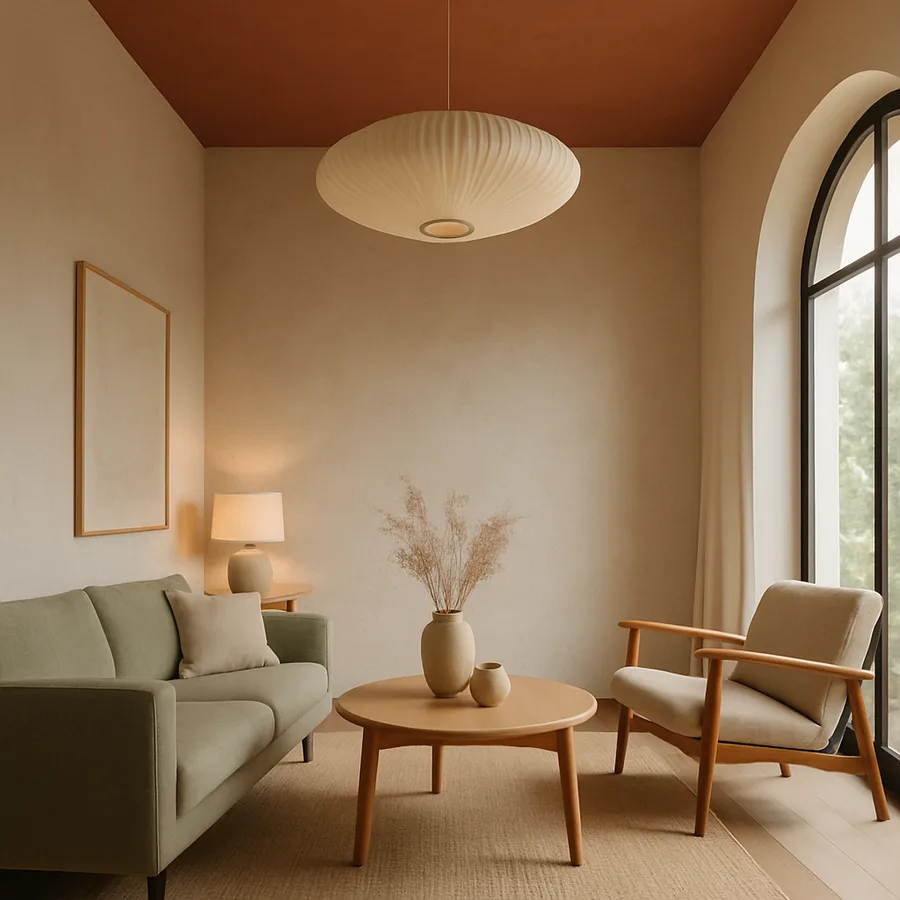
Refreshing your home does not always require a full renovation or an unlimited budget. Sometimes, a single well-chosen design change can shift the entire character of a room, making it feel newer, more personal, and more aligned with how you actually want to live. The ten trends collected here represent a range of scales and investment levels, from simple accessory updates to more ambitious structural changes, so that every reader can find something actionable regardless of their starting point or budget.
These trends have been selected not for their novelty but for their staying power. Each one reflects a genuine shift in how people think about residential space rather than a fleeting aesthetic fad. They are grounded in principles of comfort, functionality, and personal expression that ensure a room designed around any of them will continue to feel relevant and rewarding for years to come.
Whether you tackle one trend or combine several, the key is to approach each change with clarity about what you want the room to feel like and how you want it to function. A trend is only valuable if it serves your specific life. With that principle firmly in mind, here are ten design directions worth exploring.
1. Statement Ceilings That Draw the Eye Upward
The ceiling has long been called the "fifth wall," and designers are finally giving it the attention that label implies. Statement ceilings use paint, wallpaper, wood paneling, or decorative molding to transform an overlooked surface into a room's most compelling feature. A deep navy ceiling in a bedroom creates an intimate, cocoon-like atmosphere. A wallpapered ceiling in a powder room adds drama and personality to a small space. Exposed wooden beams or applied board-and-batten paneling brings architectural character to rooms that otherwise lack it.
The psychological effect of an intentionally designed ceiling is surprisingly powerful. It adds a layer of visual interest that most visitors cannot immediately identify, creating a sense that the room is special without being able to pinpoint exactly why. According to research cited by the American Society of Interior Designers (ASID), rooms with designed ceilings receive consistently higher ratings for perceived quality and comfort in occupant surveys compared to identical rooms with standard white ceilings.
A darker ceiling color can actually make a room feel more intimate and cozy rather than smaller, contrary to the persistent myth that ceilings must always be white. The key is to ensure adequate artificial lighting to compensate for the reduced light reflection. Conversely, a lighter ceiling with added texture, such as subtle wallpaper or thin molding strips, adds interest without altering the room's brightness. Start with a room where you spend significant time and where the ceiling is plainly visible, such as a bedroom where you lie facing upward or a living room with a direct sightline to the ceiling from your primary seating position.
Have you ever considered what the ceiling in your most-used room is actually doing for you visually? If the answer is nothing, you have discovered an untapped opportunity that most of your neighbors have not yet explored. Even a simple coat of paint in a color one or two shades darker than the walls adds depth and intentionality that transforms the room's entire atmosphere.
2. Japandi Fusion: Where Scandinavian Meets Japanese
Japandi is the design philosophy born from the intersection of Scandinavian hygge and Japanese wabi-sabi, two traditions that share a surprising amount of common ground. Both value simplicity, natural materials, craftsmanship, and the beauty of imperfection. Both reject excess ornamentation in favor of clean, purposeful forms. Where they differ, each enriches the other: Scandinavian warmth softens Japanese austerity, while Japanese discipline refines Scandinavian casualness. The result is a style that feels simultaneously relaxed and refined.
In practice, Japandi interiors feature low-profile furniture, natural wood in light and medium tones, handmade ceramics, linen and cotton textiles, and a muted palette of whites, grays, blacks, and earth tones. The emphasis on craftsmanship means that objects are chosen for the quality of their making as much as their appearance. A hand-thrown tea bowl, a joinery-constructed side table, or a hand-woven throw blanket contributes to the Japandi aesthetic not through its visual style alone but through the evident care of its construction.
The International Interior Design Association has noted that Japandi continues to gain traction because it offers a compelling middle path between the warmth that Western homeowners crave and the disciplined editing that prevents spaces from feeling cluttered. It is especially well-suited to smaller homes and apartments, where its emphasis on proportional furniture and deliberate negative space makes rooms feel larger and more comfortable than their square footage might suggest.
Integrating Japandi elements does not require a complete room overhaul. Replace a few decorative objects with handmade ceramics. Swap a heavy Western coffee table for a lower, simpler wood piece. Introduce a single wabi-sabi element, an imperfect pottery vessel, a naturally weathered wood tray, that celebrates organic irregularity. These targeted changes can shift a room's character significantly without displacing the pieces you already love.
3. Textured Accent Walls Beyond Paint
The accent wall concept has evolved far beyond a single wall painted in a contrasting color. Contemporary accent walls use three-dimensional texture to create focal points that engage the sense of touch as well as sight. Fluted wood paneling, limewash paint with its characteristic chalky depth, natural stone veneer, handmade tile, and dimensional plaster finishes all create walls that shift and change as light moves across their surfaces throughout the day. This dynamic quality is something flat paint, regardless of its color, simply cannot achieve.
Fluted or reeded wood paneling has emerged as one of the most popular textured wall treatments, and for good reason. It introduces vertical lines that draw the eye upward and make ceilings appear higher. It adds warmth and acoustic softening to a room. And it provides a rich, tactile surface that invites touch. Available in a range of wood species and finishes, fluted paneling works equally well as a bedroom headboard wall, a living room fireplace surround, or a bathroom vanity backdrop.
Limewash paint deserves special mention for its ability to create depth and movement on a flat surface. Unlike conventional paint, which dries to a uniform finish, limewash produces a mottled, organic appearance that varies subtly across the wall. The effect is reminiscent of aged European plaster and brings a sense of history and character to new construction. The Architectural Digest design team has identified limewash as one of the most requested finishes among the residential projects they feature, noting its particular effectiveness in spaces that receive strong natural light.
When selecting a textured wall treatment, consider the room's existing characteristics. A room with many competing visual elements benefits from a subtler texture that adds depth without adding complexity. A simple, sparsely furnished room can support a bolder textural statement that becomes the room's primary visual anchor. In either case, limit the treatment to a single wall or a defined area. The power of a textured accent wall depends on contrast with the surrounding surfaces. If every wall is textured, no wall is an accent.
4. Earthy, Grounded Color Palettes
The color conversation in residential design has shifted decisively toward earth tones: terracottas, warm clays, olive greens, mushroom browns, ochre yellows, and rusty oranges. These colors draw their inspiration from the natural landscape and share a warmth and organic quality that cool grays and stark whites lack. They create rooms that feel grounded, nurturing, and connected to the physical world in a way that more synthetic color choices do not.
This trend is partly a correction after years of cool-toned minimalism left many homeowners feeling that their spaces lacked warmth and personality. It also reflects the growing influence of biophilic design principles, which emphasize human connection to natural environments. Earth tones are, quite literally, the colors of the earth, and the human visual system has evolved over millennia to find them comforting and familiar. A room painted in warm clay feels inherently welcoming in a way that requires no additional decoration to achieve.
The versatility of earth tones is often underestimated. They pair beautifully with both warm and cool metals, work alongside natural materials like wood and stone, and provide a rich backdrop for artwork and textiles. A deep terracotta wall makes green plants pop with vivid contrast. An olive green room flatters warm wood furniture and brass hardware. A mushroom-toned living room serves as a sophisticated neutral that feels far more interesting than beige without being difficult to furnish. According to the Pantone Color Institute, earth-inspired palettes consistently rank among the top three most commercially successful color families in residential applications.
If you are hesitant about committing to a full earth-toned wall, begin with textiles and accessories. Terracotta cushions, an olive throw blanket, ochre curtains, or a clay-colored rug introduce these warm tones into your existing palette and allow you to evaluate your response before painting. Many people find that once earth tones enter their space, the desire for more follows naturally, and what began as a few accessories eventually inspires a more comprehensive color shift.
5. Curved Archways and Rounded Doorways
Architectural curves are appearing in homes with increasing frequency, and the curved archway is perhaps the most impactful expression of this trend. Converting a standard rectangular doorway into an arch adds architectural character, visual softness, and a sense of historical reference that rectangular openings lack. Arched doorways evoke Mediterranean villas, Spanish Colonial homes, and Art Deco apartments, carrying associations of craftsmanship and intentionality that standard construction does not.
The addition of an arch is a relatively modest construction project, particularly if the existing opening does not require structural modification. A carpenter can install an arch kit or build a custom arch frame within an existing doorway, and the result transforms not just the opening itself but the visual character of both rooms it connects. The Houzz platform reports that searches for "arched doorway" have increased by over 200 percent in the past two years, making it one of the fastest-growing architectural modifications in residential design.
Beyond doorways, the arch form is appearing in mirrors, bookcases, windows, and cabinet doors. An arched mirror above a console table or bathroom vanity adds elegant visual interest with zero construction required. Arched bookcases provide both storage and sculptural presence. Even small applications of the arch form, such as an arched niche carved into a wall to display a single decorative object, contribute to a room's sense of craftsmanship and deliberate design.
What doorways in your home connect rooms that you pass through most frequently? These high-traffic thresholds offer the greatest return on investment for an arch conversion because you experience them dozens of times each day. Even if you undertake no other renovation, a single arched doorway in a prominent location communicates that your home has been designed with intention and care, setting a tone that influences how every adjacent space is perceived.
6. Integrated Indoor-Outdoor Living Zones
The boundary between indoor and outdoor living space is becoming increasingly fluid, with designers creating integrated zones that treat interior rooms and exterior areas as a continuous living environment. Large sliding or folding glass door systems, consistent flooring materials that extend from inside to outside, coordinated furniture and textiles, and weather-resistant versions of indoor comfort features all contribute to an experience of expanded living space that leverages your entire property rather than just the enclosed portion.
This trend is practical as well as aesthetic. An integrated indoor-outdoor zone effectively increases your usable living area without the cost of an addition. A patio or deck that is furnished, lit, and decorated with the same care as an interior room becomes a genuine extension of your home rather than a forgotten afterthought visited only on perfect weather days. According to the National Association of Home Builders, outdoor living spaces rank among the top three most-desired home features in buyer preference surveys, surpassing features like home theaters and wine cellars.
Even without major structural modifications, you can strengthen the connection between your interior and exterior spaces. Position indoor furniture to face windows and doors that open to outdoor areas. Use similar color palettes and material families inside and out. Add outdoor rugs, lighting, and comfortable seating that mirror the quality and style of your interior furnishings. Weather-resistant performance fabrics now offer the look and feel of indoor textiles with the durability to withstand sun, rain, and temperature variation, eliminating the old trade-off between outdoor durability and indoor comfort.
The lighting design of your outdoor space is particularly important for creating a genuine indoor-outdoor connection during evening hours. When the sun sets and your outdoor area goes dark, the glass doors that felt expansive during the day become black mirrors that visually terminate the room at the glass line. Strategic outdoor lighting, including path lights, uplighting on trees or architecture, and ambient string or lantern lighting, extends the visual depth of your interior space through the glass and into the garden or patio beyond.
7. Vintage and Antique Furniture Mixing
The all-new, all-matching furniture set is giving way to curated collections that mix vintage and antique pieces with contemporary furnishings. This approach produces rooms with layered character and personal history that no single-era furniture arrangement can achieve. A mid-century modern credenza beneath a contemporary abstract painting, a Victorian armchair reupholstered in a modern fabric beside a sleek glass side table, or a rustic antique dining table surrounded by contemporary upholstered chairs: these combinations create visual tension and storytelling that make a room feel collected over time rather than purchased all at once.
The environmental argument for vintage furniture is compelling. Manufacturing new furniture consumes raw materials and energy, and much of it ends up in landfills within a decade. Vintage and antique pieces, by contrast, have already proven their durability by surviving decades or centuries of use. Choosing a solid wood dresser from a vintage shop over a new particleboard alternative is both an aesthetic and an ecological decision. Organizations like the Sustainable Furnishings Council actively promote the reuse and restoration of quality vintage furniture as one of the most effective strategies for reducing the environmental impact of home furnishing.
The key to successful vintage mixing is maintaining a cohesive thread, whether through consistent color, shared material, or compatible proportions, that ties disparate eras together. A room full of unrelated vintage pieces with no organizing principle feels like a junk shop. A room where vintage pieces are selected and positioned with intention feels like a thoughtfully curated gallery. Limit yourself to two or three eras at most, and ensure that each vintage piece shares at least one quality, finish color, wood species, or scale, with its contemporary neighbors.
Where do you start if you have never shopped for vintage furniture? Estate sales, consignment shops, antique malls, and online marketplaces like Chairish and 1stDibs offer vast selections at every price point. Focus initially on "good bones" pieces with solid construction that may need cosmetic updating rather than pieces that require structural repair. A well-built vintage table that needs refinishing is a far better investment than a structurally compromised one that happens to have a beautiful finish. Learn to check joints, test stability, and assess frame condition before being seduced by surface appeal.
8. Dramatic Lighting as Sculptural Art
Lighting fixtures are shedding their utilitarian identity and assuming the role of sculptural focal points in contemporary interiors. Oversized pendants, organic-form chandeliers, artisan-crafted sconces, and architecturally significant floor lamps are being treated as art objects that happen to produce light rather than merely as functional necessities. This shift reflects a broader trend toward rooms where every element, including the most practical ones, contributes to the aesthetic experience.
An oversized pendant light above a dining table, for instance, functions as both illumination and the visual anchor of the entire room. Its form, material, and scale establish the room's design direction as powerfully as any piece of furniture. A sculptural floor lamp in a living room corner creates a vertical accent that draws the eye and balances the horizontal emphasis of sofas and tables. Even a simple wall sconce, when thoughtfully designed and deliberately placed, can transform an empty wall section into a meaningful design moment.
The market for artisan and designer lighting has expanded dramatically, offering options across a wide range of budgets. Hand-blown glass pendants, woven rattan shades, forged metal fixtures, and ceramic sconces bring the warmth of handmade craftsmanship to a category long dominated by mass-produced uniformity. The investment in a single exceptional lighting fixture often provides more design impact per dollar than any other category of home furnishing, because lighting occupies a privileged visual position in any room, hanging at or above eye level where it is always noticed.
When selecting statement lighting, consider scale carefully. A fixture that is too small for its room reads as an afterthought. One that is proportionally generous reads as a bold design choice. The general guideline for dining pendant diameter is to add the room's length and width in feet and convert the sum to inches (a twelve-by-fourteen-foot room suggests a twenty-six-inch-diameter pendant). For ceiling height, allow at least seven feet of clearance beneath a hanging fixture in a walkway and at least thirty inches between the bottom of a dining pendant and the table surface below.
9. Warm Metals and Mixed Metallic Finishes
The days of matching every metal finish in a room to a single tone are over. Contemporary design embraces mixed metals, combining brass, bronze, black iron, copper, and brushed gold within a single space for a layered, sophisticated look that feels collected rather than coordinated. The key to successful metal mixing is maintaining a dominant metal that appears in the largest and most prominent applications, such as cabinet hardware, light fixtures, or faucets, while introducing secondary metals in smaller, supporting roles through accessories, frames, and decorative objects.
Warm metals, particularly brass and brushed gold, have displaced the cool chrome and polished nickel that dominated the previous decade. These warmer tones complement the earth-toned color palettes, natural materials, and warm minimalist aesthetics that define current residential design. Brass hardware on a warm white kitchen cabinet, a brushed gold faucet against a natural stone backsplash, or bronze drawer pulls on a walnut dresser all create pairings that feel rich and intentional.
The finish of a metal matters as much as its color. Polished finishes are formal and reflective, amplifying light and creating bright focal points. Brushed or satin finishes are softer and more casual, reducing glare and fingerprint visibility. Matte finishes are the most understated, blending into their surroundings rather than calling attention to themselves. Aged, patinated, or antiqued finishes bring character and the suggestion of history. Matching finishes across all metals in a room creates unity, while mixing finishes adds visual complexity. Choose your approach based on the room's overall design direction.
A practical starting point for introducing warm metals is hardware replacement. Swapping cabinet knobs, drawer pulls, and door handles from cool chrome to warm brass or brushed gold is one of the most cost-effective updates available, typically costing a few hundred dollars for an entire kitchen and taking an afternoon to complete. This single change can shift the room's entire tonal direction and serves as a foundation for further warm metal integration through lighting, fixtures, and accessories over time.
10. Personal Libraries and Curated Book Displays
In a cultural moment dominated by screens, the physical book is experiencing a design renaissance. Personal libraries and curated book displays are appearing in homes not as utilitarian storage solutions but as deliberate design features that communicate personality, intellectual life, and aesthetic taste. Floor-to-ceiling bookshelves, built-in reading nooks with integrated shelving, and carefully styled book vignettes throughout the home create warmth, color, and visual richness that few other design elements can match.
Books function as both content and color in a room. Their spines create a mosaic of hues that can be organized to complement or contrast with the room's palette. Some designers arrange books by color for maximum visual impact, while others prefer to organize by subject or author for practical access. Either approach, or a hybrid, creates a wall of visual texture and warmth that is far more engaging than any flat painted or wallpapered surface. The American Library Association has noted that the "home library revival" reflects a broader cultural revaluation of physical media as a counterbalance to digital saturation.
You do not need a dedicated room to create a library effect. A single wall of bookshelves in a living room, hallway, or bedroom establishes a literary atmosphere. Built-in shelving flanking a fireplace or window creates an architectural frame that adds character to any room. Even a small stack of carefully chosen books on a coffee table or bedside table, perhaps topped with a small decorative object, contributes to the layered, personal aesthetic that makes a home feel genuinely lived-in and loved.
Consider the furniture that supports your reading habit as part of the library design. A comfortable armchair with good task lighting, positioned near your book collection, creates an inviting reading station that encourages the very activity the books are there to support. This functional consideration distinguishes a genuine personal library from a purely decorative book display and ensures that your beautiful bookshelves serve your daily life as actively as they serve your room's visual identity.
Conclusion: Start with One, Build from There
Ten trends is a lot to absorb, and the temptation to tackle several simultaneously can lead to scattered efforts and unfinished projects. The most effective approach is to identify the single trend that resonates most strongly with your current priorities, whether that is a statement ceiling in the bedroom, a textured accent wall in the living room, or a vintage furniture addition to the dining room, and execute it fully before moving on to the next.
Each completed change builds confidence and momentum for the next. It also allows you to live with the result and observe how it affects your daily experience of the room before layering additional changes on top. Design is cumulative, and the most satisfying spaces are those that evolve through a series of deliberate, fully realized decisions rather than a single overwhelming overhaul. Patience in the process produces better outcomes than urgency.
These ten trends share a common commitment to creating spaces that prioritize how you feel over how things look in a photograph. They emphasize texture, warmth, personal history, and functional comfort, qualities that serve the people who live in a space rather than the people who merely view it from a distance. That orientation toward lived experience is the most important trend of all, and it is one that will never go out of fashion.
Choose one trend from this list, set a budget and a timeline, and commit to completing it within the next thirty days. A single finished project will transform not just the room it occupies but your entire relationship with your home as a creative project. The momentum of one visible success is the most powerful motivator for the changes that follow.
More Articles You May Like



Comments
Post a Comment