Transform Your Space: 10 Innovative Room Interior Design Trends
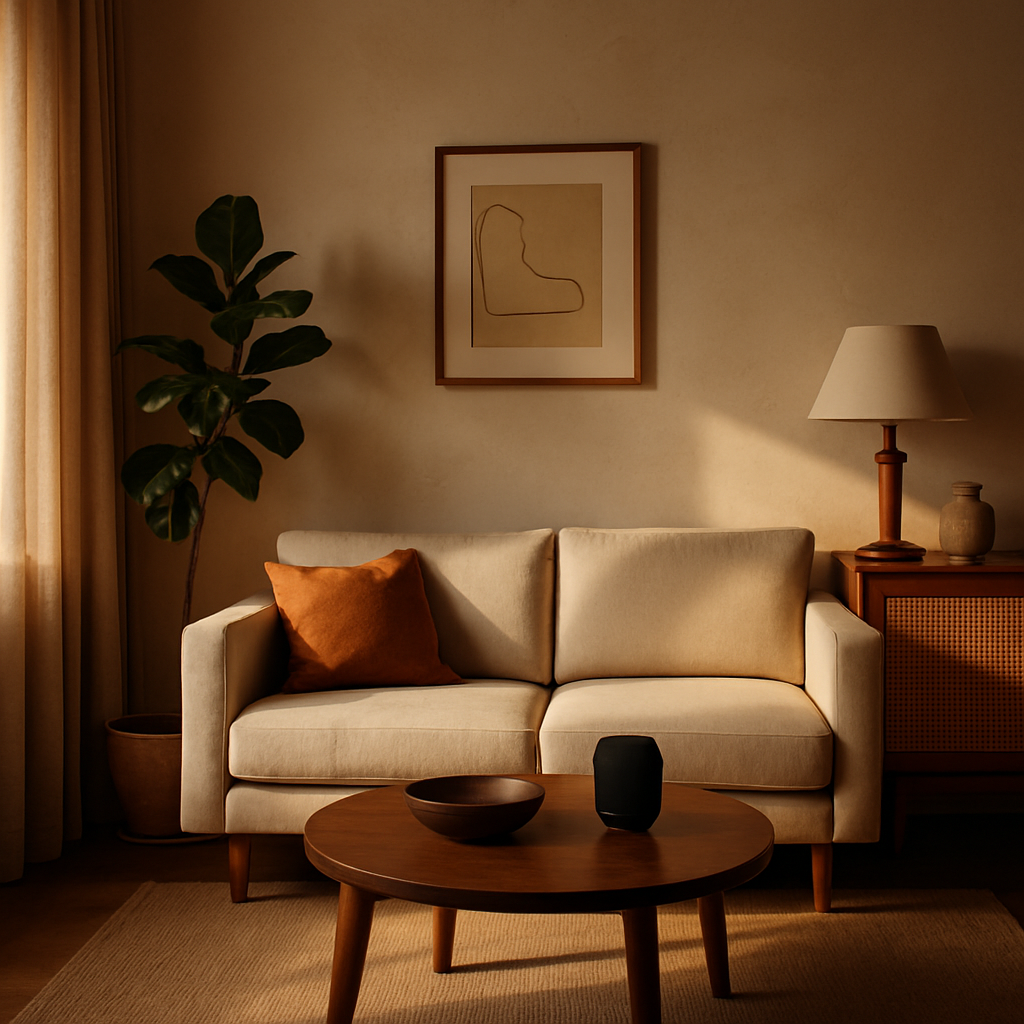
What separates a room that merely functions from one that genuinely inspires? The answer lies in design decisions that go beyond surface decoration to address how a space engages your senses, supports your routines, and reflects who you are at a fundamental level. Room interior design has entered a remarkable period of innovation, driven by advances in materials science, smart home technology, and a deepening understanding of environmental psychology. Whether you are reimagining a single bedroom or rethinking every room in your home, the trends shaping contemporary interiors offer actionable frameworks for creating spaces that are as intelligent as they are beautiful. The National Council for Interior Design Qualification (NCIDQ) has noted a significant shift in client expectations, with homeowners increasingly seeking rooms that adapt to their lives rather than demanding that their lives adapt to the rooms. Here are ten innovative trends that are redefining what rooms can be and do.
Experiential Lighting Design Transforms Mood
Lighting has graduated from a purely functional utility to one of the most expressive elements in room interior design. Experiential lighting design treats illumination as a medium for creating atmosphere, defining zones, and even influencing circadian rhythms. Tunable LED systems that shift from warm amber in the evening to energizing daylight tones in the morning are now available at price points accessible to most homeowners, and their impact on daily wellbeing is profound. The American Society of Interior Designers (ASID) identifies lighting as the single element with the greatest influence on how a room feels, surpassing even color and furniture in its psychological effect. When lighting is designed as an experience rather than installed as an afterthought, every other element in the room benefits from the enhanced visual environment.
Layered lighting is the professional standard for creating rooms with depth and flexibility. A well-designed lighting plan incorporates at least three layers: ambient lighting that provides overall illumination, task lighting that supports specific activities like reading or cooking, and accent lighting that highlights architectural features or artwork. Each layer should be independently controlled, ideally through dimmable circuits or smart switches that allow infinite adjustment. Pendant fixtures, recessed spotlights, table lamps, floor lamps, cove lighting, and LED strip lighting all belong to different layers, and the interplay between them determines whether a room feels flat and institutional or rich and inviting. How many lighting layers does your most-used room currently have, and does it feel complete?
Decorative lighting fixtures have also evolved into significant design statements in their own right. Sculptural pendants crafted from handblown glass, organic fiber, or forged metal serve as focal points that anchor a room's aesthetic identity. The trend toward artisan materiality extends powerfully into lighting design, where one-of-a-kind fixtures by independent makers can elevate a room from competent to extraordinary. Interior designers billing between $150 and $500 per hour often allocate a meaningful portion of their project budget to statement lighting, recognizing that a single exceptional fixture can define the character of an entire room. The fixture you choose for the center of your dining room or the bedside of your master suite communicates as much about your taste and values as any piece of furniture in the space.
Organic Shapes Replace Rigid Geometry
The dominance of straight lines and sharp corners in room design is giving way to a softer, more organic visual language that draws inspiration from natural forms. Curved sofas, kidney-shaped coffee tables, arched mirrors, and undulating shelving systems introduce a sense of movement and approachability that rigid geometry simply cannot achieve. The International Interior Design Association (IIDA) has documented this shift extensively, noting that organic shapes reduce visual tension and create environments that feel more welcoming and emotionally safe. The human brain processes curves differently than angles, associating rounded forms with comfort and approachability while interpreting sharp edges as potential threats, a response deeply embedded in evolutionary psychology.
Architectural curves represent a more ambitious expression of this trend. Arched doorways, barrel-vaulted ceilings, and curved partition walls transform the structural envelope of a room into a sculptural experience. Even in rooms where structural modifications are not feasible, plaster or drywall can be shaped into curved niches, rounded alcoves, and softened corners that break the monotony of rectangular construction. A rounded plaster niche in a hallway, lit from within by concealed LED strips, becomes a gallery-quality display for a single ceramic vessel or sculptural object. These architectural interventions require skilled tradespeople and careful planning, but their impact is transformative and permanent, adding value to the property while enriching the daily experience of everyone who uses the space.
Textiles and soft furnishings offer the most accessible way to introduce organic shapes into any room. A round area rug beneath a dining table, an irregularly shaped throw pillow, or a sculptural bouclé armchair can soften a room dominated by rectangular furniture without requiring any renovation. The key is balance: a room composed entirely of curves can feel disorienting and lacking in structure, so the most successful organic interiors pair curved statement pieces with clean horizontal and vertical lines that provide visual anchoring. AD PRO consistently features this balanced approach in its editorial coverage, demonstrating that the most compelling rooms achieve harmony between the organic and the geometric rather than committing exclusively to either extreme.
Warm Maximalism Returns With Discipline
After several seasons of pared-back minimalism, a warmer and more layered approach to room decoration is gaining momentum. This is not the chaotic maximalism of earlier eras, where more was always more regardless of coherence. Instead, contemporary warm maximalism is curated and intentional, layering textures, patterns, and collected objects within a disciplined color framework that prevents visual overload. Think richly patterned rugs beneath velvet upholstery, walls hung with a thoughtful mix of art and mirrors, and shelves arranged with ceramics, books, and botanical specimens in a composition that feels both abundant and harmonious. ASID trend reports describe this movement as a reaction to the emotional austerity of pure minimalism, with homeowners seeking spaces that feel lived-in, personal, and generously warm.
The discipline that separates contemporary warm maximalism from clutter lies in the underlying color palette. Successful maximalist rooms typically operate within a tightly controlled family of three to five colors, allowing the eye to move comfortably through layers of pattern and texture without feeling overwhelmed. A room might combine a floral upholstery, a geometric rug, and a striped throw pillow, but if all three share a common palette of sage, cream, and terracotta, the result reads as rich rather than chaotic. This principle, unity through palette, is the invisible framework that holds maximalist compositions together and distinguishes thoughtfully layered rooms from randomly accumulated ones.
Vintage and antique pieces play a central role in warm maximalism, providing the patina, character, and narrative depth that new furnishings alone cannot supply. A mid-century brass floor lamp, a hand-knotted Persian rug, or an inherited sideboard with decades of natural wear introduce layers of time and story that make a room feel rooted and authentic. Mixing eras and styles within a cohesive color framework is one of the hallmarks of professional-level maximalist design, and it is a skill that designers at the NCIDQ certification level are trained to execute with confidence. The rooms that result from this approach feel simultaneously curated and comfortable, like the home of someone who has traveled widely, collected thoughtfully, and arranged everything with both care and ease.
Biophilic Rooms Connect Interior and Exterior
Biophilic design continues to deepen its influence on room interiors, moving beyond token houseplants to create genuine connections between indoor rooms and the natural world outside. Floor-to-ceiling glazing that frames garden views, indoor water features that introduce the calming sound of flowing water, and material palettes rooted in stone, wood, and clay all work to blur the boundary between architecture and landscape. Research supported by the IIDA confirms that rooms with strong biophilic elements reduce occupant stress by measurable margins, with cortisol levels dropping significantly within minutes of entering a biophilically designed space. This is not abstract theory; it is physiological evidence that the way we design rooms has a direct and measurable impact on our physical health.
Living walls and vertical gardens have become increasingly sophisticated, with irrigation, lighting, and plant selection systems that allow even inexperienced gardeners to maintain lush indoor greenery without daily maintenance. Modular living wall panels can be installed on any vertical surface, transforming a blank wall in a bedroom, bathroom, or home office into a thriving ecosystem of ferns, mosses, and trailing plants. Beyond their aesthetic appeal, these living installations improve indoor air quality by filtering pollutants, regulating humidity, and generating oxygen. For rooms without exterior windows, a living wall becomes a surrogate for the outdoor view that conventional biophilic strategies rely on, ensuring that every room in the home can benefit from a meaningful connection to nature.
Natural materials represent the foundation layer of biophilic room design. Hardwood flooring with visible grain, natural stone countertops with veining patterns, handmade ceramic tiles with tonal variation, and woven fiber textiles like linen, jute, and wool all bring the textures and colors of the outdoors into the interior environment. Houzz surveys consistently rank natural materials among the top priorities for homeowners undertaking room renovations, confirming that the desire for authentic, organic surfaces transcends passing trends. When selecting natural materials, embrace their inherent variation rather than seeking uniformity: the knots in a reclaimed timber beam, the fossil inclusions in a limestone slab, and the color shifts in a hand-dyed textile are precisely what make biophilic rooms feel alive and connected to something larger than the four walls that contain them.
Quiet Luxury Elevates Everyday Rooms
Quiet luxury is no longer confined to formal living rooms and master suites. This philosophy of understated quality and refined simplicity is extending into every room of the home, including spaces traditionally treated as utilitarian. Laundry rooms with marble countertops and custom cabinetry, mudrooms with handcrafted hook rails and stone tile flooring, and pantries lined with hand-thrown ceramic storage vessels all reflect the belief that everyday spaces deserve the same design attention as their more public counterparts. Architectural Digest (AD PRO) has championed this democratization of luxury, arguing that the rooms we use most frequently should be the ones that bring us the greatest aesthetic pleasure.
In the bathroom, quiet luxury manifests as freestanding stone bathtubs, unlacquered brass fixtures that develop a natural patina over time, and thick Turkish cotton towels displayed on heated towel rails. In the kitchen, it appears as hand-finished concrete countertops, solid wood drawer interiors, and integrated appliances that disappear behind custom panel fronts. In the bedroom, it takes the form of Belgian linen bedding, blackout curtains in weighted natural fabrics, and nightstands crafted from solid walnut or oak rather than particle board with veneer. Each of these choices represents a modest incremental cost over the standard alternative, but together they create a cumulative experience of quality that transforms ordinary daily routines into moments of genuine sensory pleasure.
The emotional impact of quiet luxury in everyday rooms should not be underestimated. When the space where you fold laundry is as thoughtfully designed as the space where you entertain guests, an internal message of self-worth and care permeates your daily life. Designers working with ASID's wellness-focused frameworks increasingly recognize that the psychological benefits of good design are not proportional to a room's prestige or visibility but rather to the frequency and intimacy of its use. The rooms where you start and end each day, where you perform the small rituals of maintenance and care, are the rooms where design quality matters most. Elevating these spaces is not indulgence; it is an investment in the texture of everyday experience.
Smart Room Technology Anticipates Your Needs
Smart room technology has evolved from reactive systems that respond to commands into anticipatory platforms that learn your habits and adjust the environment before you even think to ask. Motion-sensing lighting that activates as you enter a room and dims as you leave, thermostats that pre-condition rooms based on your daily schedule, and automated window treatments that respond to changing sun angles throughout the day all represent this shift from control to anticipation. Industry data suggests that homes equipped with anticipatory smart systems see energy consumption reductions of up to 25 percent compared to manually controlled environments, a meaningful benefit for both household budgets and environmental sustainability.
Integration is the key to smart room technology that enhances rather than complicates daily life. The most successful implementations consolidate all smart devices under a single ecosystem or hub, eliminating the frustration of managing multiple apps, accounts, and interfaces. A unified system allows lighting, climate, audio, security, and window treatments to work together seamlessly, creating orchestrated room experiences that shift throughout the day. A morning scene might raise the blinds gradually, warm the bathroom floor, start the coffee maker, and play a curated news briefing, all triggered by a single alarm. An evening scene might dim the lights, close the curtains, lower the thermostat, and queue a relaxation playlist. These automated sequences reduce decision fatigue and create a rhythm of daily life that feels effortless and supportive.
Privacy and aesthetics remain important considerations as smart technology proliferates through home interiors. The NCIDQ includes smart home integration in its professional development curriculum, acknowledging that designers must now consider data privacy, cybersecurity, and technology aesthetics alongside traditional concerns like color, material, and proportion. Choose devices that process commands locally rather than routing everything through cloud servers, and select hardware with design-forward aesthetics that complement rather than clash with your interior finishes. The best smart room technology is invisible technology: it works perfectly, looks beautiful or disappears entirely, and never forces you to think about the infrastructure that supports it.
Textural Layering Adds Sensory Depth
Texture has emerged as the defining design element of contemporary room interiors, surpassing color as the primary vehicle for creating atmosphere and emotional resonance. A room composed entirely of smooth, flat surfaces feels sterile regardless of its color palette, while a room layered with varied textures, rough stone beside smooth leather, nubby bouclé against polished wood, matte plaster walls behind glossy ceramic accessories, engages the senses on a physical level that color alone cannot reach. The IIDA has published research demonstrating that tactile variety in interior environments increases occupant engagement, satisfaction, and perceived warmth, even when the actual room temperature remains constant.
Building a successful textural composition follows principles similar to those governing color palette construction. Start with a dominant texture that covers the largest surface area, typically the walls and flooring, then layer two or three contrasting textures through furniture, textiles, and accessories. A room with smooth plastered walls and polished concrete flooring might introduce warmth through a chunky wool area rug, tactile interest through a linen-upholstered sofa, and visual sparkle through a collection of glazed ceramic vessels on a shelf. The contrasts between smooth and rough, matte and glossy, soft and hard create a sensory narrative that rewards both visual attention and physical touch.
Seasonal texture adjustments offer a simple way to refresh a room's atmosphere without changing its fundamental design. Swap lightweight cotton and linen throws for heavier wool and cashmere versions as cooler weather arrives. Exchange smooth ceramic accessories for rougher stoneware pieces. Layer additional cushions in textured fabrics during the months when the room is used most for cocooning and relaxation. These changes require minimal investment but create a meaningful sensory shift that keeps the room feeling responsive to the rhythms of daily life. Houzz editors frequently highlight seasonal texture swapping as one of the most effective and affordable strategies for keeping a room feeling fresh and intentional throughout the calendar.
Conclusion
The ten trends explored in this guide share a common ambition: to elevate rooms from passive containers into active participants in the quality of daily life. From experiential lighting and organic shapes to biophilic connections and anticipatory smart technology, each trend offers a pathway to rooms that engage, support, and inspire the people who inhabit them. Professional bodies like NCIDQ, ASID, and the IIDA are driving the industry toward ever more sophisticated understandings of how room design affects human wellbeing, and these insights are increasingly accessible to homeowners who are willing to invest thought and intention in their spaces. You do not need to adopt all ten trends simultaneously; even a single meaningful change, whether it is upgrading your lighting layers, introducing a biophilic element, or investing in one piece of quiet luxury, can shift the trajectory of how a room feels and functions. Consider which of your rooms receives the least design attention relative to the time you spend in it, and begin there. The transformation of your space starts with the decision that every room in your home deserves to be extraordinary.
More Articles You May Like



Comments
Post a Comment