Transform Your Space: 10 Must-Try House Interior Design Trends for 2024
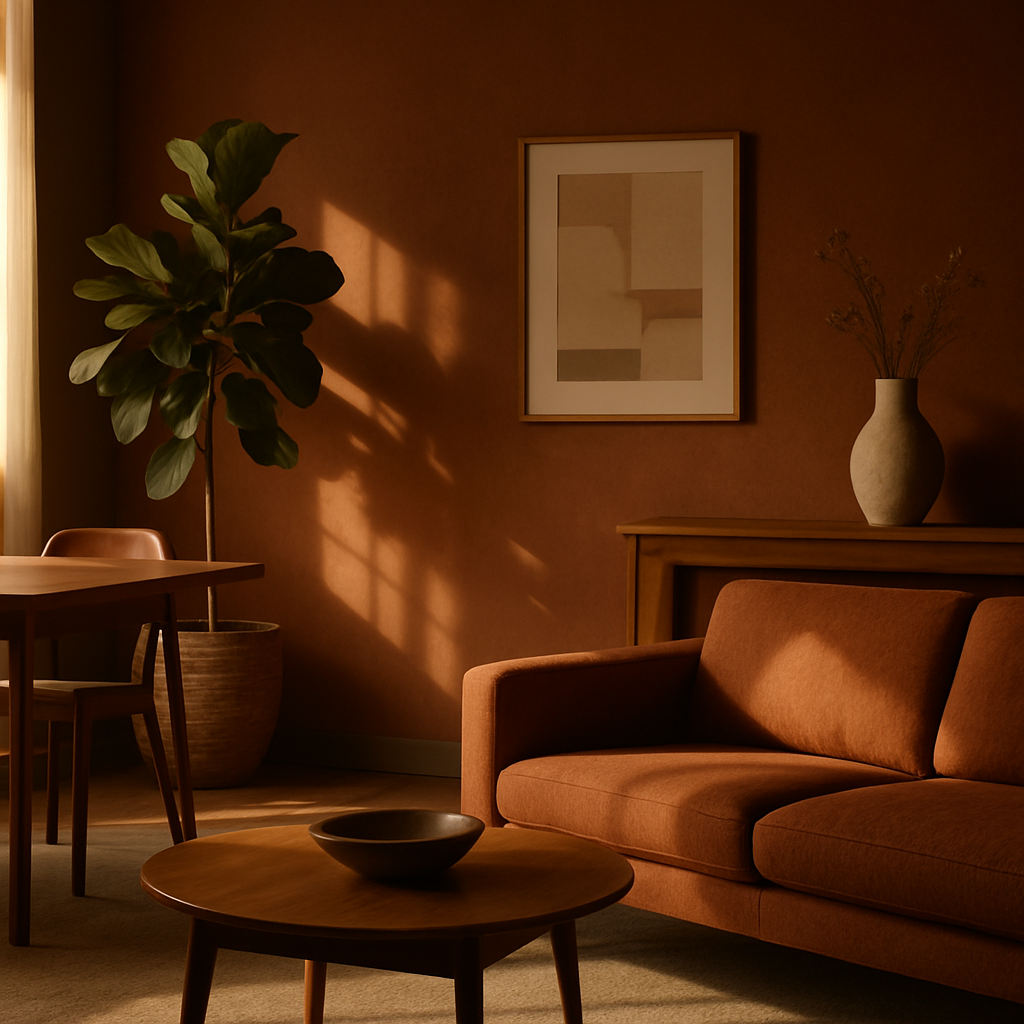
Did you know that incorporating the latest interior design trends can increase your home's resale value by up to 15%? According to industry surveys, well-designed spaces are not just aesthetically pleasing but also financially rewarding. As we step into 2024, a range of innovative trends are set to redefine how we perceive and interact with our living spaces. From the calming embrace of biophilic design to the sleek sophistication of quiet luxury, these trends offer something for every taste and budget. In this article, we'll explore ten transformative trends that will help you reinvigorate your home's interior, whether you're planning a complete overhaul or a subtle refresh.
Embracing Biophilic Design
Biophilic design, which integrates natural elements into indoor environments, has steadily gained traction. It's more than just adding a few potted plants-this trend emphasizes a deep connection to nature through natural materials, living walls, and indoor-outdoor flow. According to Houzz, many homeowners are now opting for materials like reclaimed wood and stone to create a harmonious blend between the indoors and outdoors. Imagine the tranquility of a space where nature's serenity meets modern comfort.
This design philosophy is grounded in the belief that humans have an innate connection to nature, which can enhance well-being and productivity. Studies have shown that incorporating natural elements can reduce stress levels and improve mood. Experienced professionals often note that clients who embrace biophilic design report higher satisfaction with their living spaces. If you're looking to transform your home into a sanctuary, consider starting with elements like large windows to maximize natural light and strategically placed greenery.
Biophilic design also supports sustainability, a crucial consideration for many homeowners today. By using sustainable and reclaimed materials, you not only reduce your environmental footprint but also add unique character to your home. As we transition to the next trend, consider how biophilic elements could be seamlessly integrated into different areas of your home.
The Quiet Luxury of Understated Elegance
Quiet luxury, characterized by understated elegance and timelessness, is making waves in 2024. This trend focuses on high-quality materials, muted color palettes, and minimalist designs that exude sophistication without being ostentatious. The International Interior Design Association (IIDA) highlights that this approach often involves investing in fewer, but higher-quality, pieces that stand the test of time. Are you drawn to spaces that whisper elegance rather than shout it?
The appeal of quiet luxury lies in its ability to create a calming environment that feels both luxurious and comfortable. According to Architectural Digest's AD PRO network, this trend is being embraced by those seeking to create a refuge from the hustle and bustle of daily life. It's about crafting an environment where every element is carefully curated and purposefully placed, enhancing both functionality and aesthetics.
To achieve quiet luxury, consider incorporating neutral tones with occasional rich accents, such as deep blues or emerald greens. Materials like marble, cashmere, and polished wood can add depth and texture to your space. As we explore the next trend, think about how quiet luxury can harmonize with other design elements in your home.
Smart Home Integration
Smart home integration is no longer a futuristic concept-it's a present-day reality that can significantly enhance your living experience. From automated lighting and climate control to advanced security systems, technology is transforming how we interact with our homes. The National Council for Interior Design Qualification (NCIDQ) notes that professionals with this credential are increasingly called upon to integrate these technologies seamlessly into design plans.
Consider how smart home devices can improve your daily routines. Automated window treatments, for instance, can regulate natural light and privacy with the touch of a button. Meanwhile, smart lighting systems can create mood-enhancing environments tailored to different times of day or activities. Have you ever thought about how technology could simplify your life?
When planning a smart home upgrade, it's important to balance innovation with aesthetics. Seek out devices with sleek, unobtrusive designs that complement your decor. As we move to the next trend, reflect on how smart home integration can coexist with traditional design elements to create a harmonious and functional space.
Exploring Japandi: Minimalism Meets Warmth
The Japandi trend, a fusion of Japanese minimalism and Scandinavian warmth, is capturing the hearts of design enthusiasts. This style emphasizes simplicity, functionality, and a cozy atmosphere, combining the best of both worlds. According to the American Society of Interior Designers (ASID), Japandi is perfect for those who appreciate clean lines and a muted color palette, paired with natural textures and warm accents.
Japandi interiors often feature a mix of light woods, soft linens, and earthy tones, creating spaces that feel both serene and inviting. This trend encourages decluttering, focusing on essential items that contribute to a harmonious environment. Are you ready to embrace a design philosophy that prioritizes peace and simplicity?
To incorporate Japandi into your home, start by selecting neutral colors and natural materials. Incorporate elements like tatami mats or Scandinavian furniture pieces to achieve a balanced look. As we delve into the next design trend, think about how Japandi's calming influence can enhance the overall ambiance of your home.
Sustainable and Reclaimed Materials
Sustainability is a driving force in interior design, with homeowners increasingly seeking eco-friendly options. Using sustainable and reclaimed materials not only supports environmental conservation but also adds unique character to your space. According to the American Institute of Architects (AIA), incorporating these materials can significantly reduce a home's carbon footprint.
Reclaimed wood, recycled glass, and sustainably sourced textiles are popular choices for those aiming to create environmentally conscious interiors. These materials often come with a history and uniqueness that new materials lack. Have you considered how sustainable choices could transform your home while supporting a larger cause?
When selecting sustainable materials, it's important to verify their origins and certifications. Look for labels like FSC (Forest Stewardship Council) or Cradle to Cradle to ensure you're making a responsible choice. As we wrap up with the final design trend, reflect on how sustainability can be interwoven with other design elements to create a cohesive and conscientious home.
Final Perspectives on 2024's Interior Design Trends
As we conclude our exploration of 2024's interior design trends, it's clear that the focus is on creating spaces that are not only beautiful but also functional and sustainable. Whether you're drawn to the natural serenity of biophilic design, the sleek lines of smart home technology, or the cozy minimalism of Japandi, there's a trend that can elevate your space.
These trends are not just about aesthetics; they're about enhancing the way we live and interact within our homes. By embracing these design philosophies, you can create an environment that reflects your personal style and supports your lifestyle. As you consider your next design project, think about how these trends can be tailored to meet your individual needs and preferences.
The world of interior design is ever-evolving, offering endless possibilities to transform your space. Begin your journey by exploring designer portfolios on platforms like Houzz or Pinterest. Even a brief session of browsing can inspire new ideas and clarify what resonates with you. Start this week-just 20 minutes of research can open your eyes to the potential of your own home.



Comments
Post a Comment