Transform Your Space: Top 10 Room Interior Design Trends for 2024
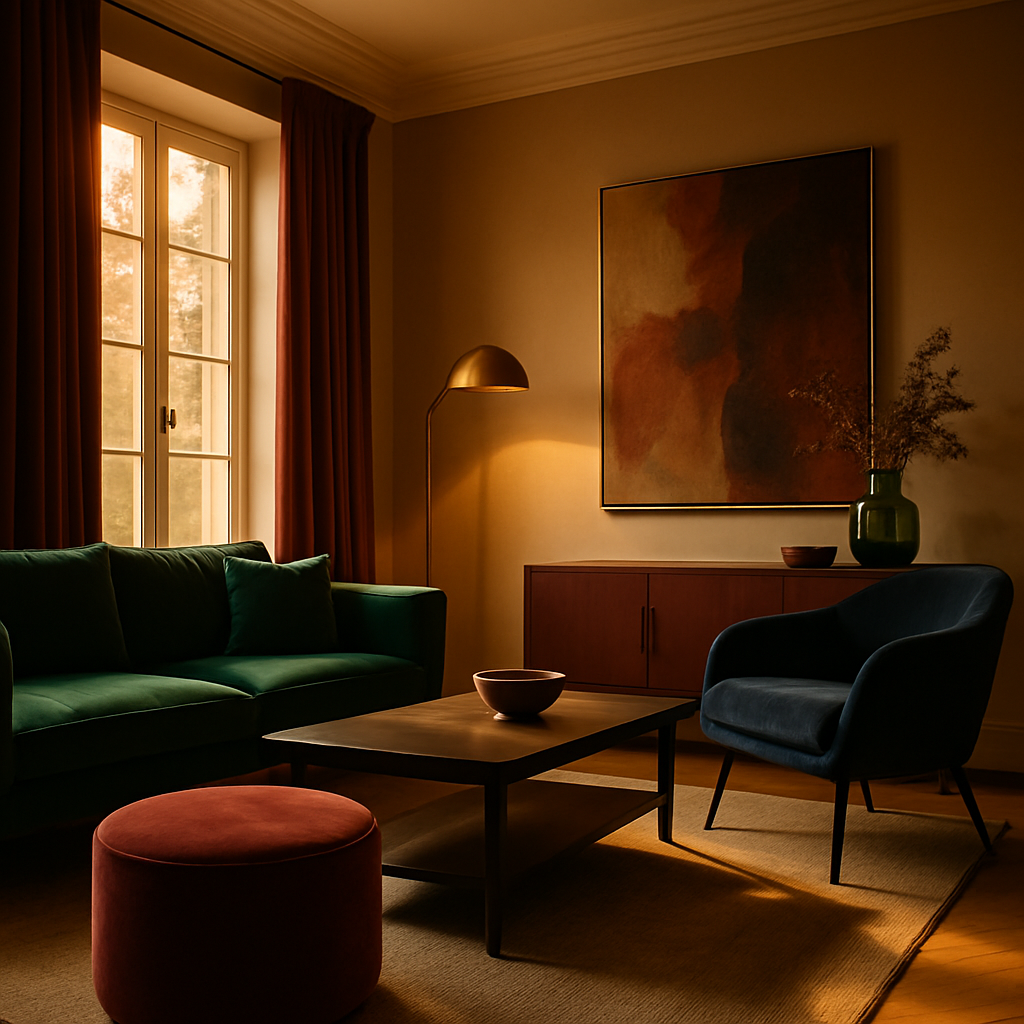
Are you ready to reimagine your home with the latest in interior design? According to Houzz's annual survey, over 70% of homeowners are planning to redesign their spaces in the next year. This surge in interest highlights a growing trend: people are eager to create environments that reflect both personal style and modern design sensibilities. In this article, we'll explore the top 10 room interior design trends for 2024, offering insights from industry experts and actionable advice to help you transform your space. From biophilic design elements to the understated elegance of quiet luxury, these trends will guide you in crafting a home that is both functional and beautiful. Let's dive into the foundational concepts that are shaping these trends.
Foundational Concepts of 2024 Interior Design Trends
The foundation of 2024's top interior design trends lies in a deep appreciation for nature and sustainability. Biophilic design, which emphasizes natural materials and the integration of nature within the home, is at the forefront. This trend isn't just about aesthetics; it's about creating a healthier living environment. Studies suggest that biophilic elements can improve mental well-being and increase productivity by up to 15%. By incorporating plants, natural light, and organic textures, you can transform any room into a serene oasis.
Another foundational concept is the rise of quiet luxury. This trend focuses on minimalist design with a touch of elegance. Think muted color palettes, high-quality materials, and subtle details that speak volumes. The idea is to create a space that exudes sophistication without being ostentatious. This aligns with the broader movement towards sustainable living, as it often involves investing in fewer, higher-quality pieces that last longer.
Smart home integration is also becoming a staple in modern design. Automated lighting, climate control, and window treatments are no longer futuristic fantasies but practical realities. These technologies not only enhance convenience but can also significantly reduce energy consumption, aligning with the growing emphasis on sustainability. As we move forward, how can you incorporate these foundational concepts into your own space? Let's delve deeper into the data behind these trends.
Deeper Analysis: Data-Driven Design Insights
According to the American Society of Interior Designers (ASID), sustainable design is not just a trend but a necessity, with over 80% of designers incorporating environmentally-friendly elements into their projects. This shift is driven by consumer demand for spaces that are not only beautiful but also environmentally responsible. The use of reclaimed wood, recycled materials, and energy-efficient appliances is becoming increasingly popular, reflecting a broader societal push towards sustainability.
Data from Houzz reveals that homeowners who incorporate smart technology into their designs report a 20% increase in overall satisfaction with their living spaces. This satisfaction stems from the seamless integration of technology that enhances daily life, from automated lighting systems that adjust to your routine to smart thermostats that optimize energy use based on occupancy patterns. As these technologies become more accessible, their adoption is expected to continue rising.
Moreover, the National Council for Interior Design Qualification (NCIDQ) highlights the importance of certified interior designers in executing these complex trends. Designers with NCIDQ certification are equipped with the expertise to effectively integrate these elements, ensuring that the final design is both aesthetically pleasing and functional. As we explore actionable strategies, consider how partnering with a certified professional could elevate your design projects.
Actionable Strategies for Implementing Trends
Ready to transform your space with 2024's top trends? Start by assessing your current environment and identifying opportunities for incorporating biophilic elements. Could you introduce more greenery or maximize natural light? Even small changes, like adding a vertical garden or choosing furniture made from sustainable materials, can make a significant impact.
Incorporating quiet luxury into your home involves a strategic approach to design. Focus on decluttering and selecting high-quality pieces that offer both form and function. Consider investing in timeless furniture and decor that reflect your personal style while maintaining a minimalist aesthetic. Remember, less is often more in achieving a sense of understated elegance.
To embrace smart home integration, explore technologies that align with your lifestyle. Smart lighting systems, such as Philips Hue, allow you to customize the ambiance of each room at the touch of a button. Automated window treatments can enhance privacy and energy efficiency, while smart thermostats help reduce energy costs and environmental impact. Transitioning into expert-level details, let's explore how experienced professionals approach these trends.
Expert-Level Insights into Design Trends
Experienced professionals often note the importance of a cohesive design strategy when implementing these trends. According to the International Interior Design Association (IIDA), successful projects begin with a comprehensive plan that considers both aesthetic and functional elements. This involves collaborating with architects, engineers, and certified interior designers to ensure that every aspect of the design works harmoniously.
One expert insight is the use of AR/VR technology to visualize design concepts. These tools enable designers and clients to explore potential layouts and finishes in a virtual space before making final decisions. This not only enhances communication but also helps avoid costly mistakes by allowing for real-time adjustments to the design.
Additionally, professionals emphasize the importance of setting realistic budgets and timelines. According to industry standards, a single room redesign can range from $5,000 to $15,000, while full-home projects can exceed $150,000. By understanding these financial parameters and planning accordingly, you can achieve your design goals without unnecessary stress. As we explore additional details, consider how these insights might influence your approach to design.
Additional Depth: Navigating Design Challenges
Every design project comes with its unique set of challenges, and navigating these requires expertise and creativity. One common challenge is balancing personal style with current trends. While it's tempting to incorporate every new design element, it's crucial to choose those that genuinely resonate with your lifestyle and preferences. This ensures that your space remains timeless and personally meaningful.
Another challenge is optimizing space in smaller homes or apartments. Strategies such as using multi-functional furniture, implementing clever storage solutions, and maximizing vertical space can significantly enhance the functionality of compact areas. By focusing on these practical solutions, you can create a space that feels larger and more inviting.
Finally, managing the procurement and installation phases of a design project can be daunting. Working with experienced professionals who can coordinate these processes efficiently is invaluable. They can handle everything from sourcing materials to overseeing the installation, ensuring that your project stays on track. As we wrap up, let's reflect on how these insights can be applied to your design endeavors.
Final Perspectives on Interior Design Trends
As you consider these interior design trends for 2024, reflect on how they align with your vision for your home. Are there specific trends that resonate more with your lifestyle and values? Perhaps you're drawn to the sustainability of biophilic design or the elegance of quiet luxury. Identifying these preferences is the first step in creating a space that truly feels like home.
Remember, the goal of interior design is not just to follow trends but to create an environment that enhances your quality of life. Whether you're starting a new project or updating an existing space, these trends provide a framework for thoughtful design. As you embark on your design journey, keep in mind the expert insights and strategies shared here.
Conclusion: Take the Next Step in Your Design Journey
Transforming your space with the top room interior design trends for 2024 is an exciting opportunity to create a home that reflects your style and meets your needs. From integrating sustainable materials to embracing cutting-edge technology, these trends offer endless possibilities. So, what's your next move? Start by browsing portfolios on platforms like Houzz or Instagram - even 20 minutes of research will sharpen your eye for what you want. Engage with certified professionals to bring your vision to life and enjoy the process of crafting a space that you love.



Comments
Post a Comment