Transform Your Space: Affordable Interior Design Ideas for Every Room
Rethinking the Relationship Between Budget and Style
The assumption that beautiful interior design requires a substantial financial investment is one of the most persistent myths in home decoration. While unlimited budgets certainly expand the range of options, some of the most compelling residential interiors are created through resourcefulness, creativity, and a clear understanding of which elements have the greatest visual impact per dollar spent. The American Society of Interior Designers (ASID) publishes annual consumer research indicating that homeowner satisfaction with their living spaces correlates more strongly with design coherence than with total expenditure, suggesting that how you spend matters considerably more than how much.
The democratization of design knowledge through digital platforms has fundamentally changed the economics of creating attractive interiors. Techniques and principles that were previously accessible only through professional consultation or formal education are now freely available through design blogs, video tutorials, and community forums. Houzz alone hosts millions of professionally photographed interior images organized by style, room type, and budget level, providing inspiration and practical guidance at no cost. This wealth of accessible knowledge means that the primary barriers to attractive interior design are no longer financial but informational and motivational.
Affordable design also benefits from the current cultural moment, which values authenticity and personal expression over conspicuous luxury. Vintage and secondhand furniture carries a credibility that mass-produced pieces cannot match. DIY projects demonstrate creative capability. Mixing high and low price points is not only acceptable but celebrated as a sign of sophisticated curation. According to a report by the National Association of Home Builders, 78 percent of homeowners under 40 express a preference for interiors that reflect personal style over brand recognition, creating an environment where creative budget solutions are perceived as assets rather than compromises.
The strategies outlined in this guide are organized around the principle of maximum visual impact for minimum financial investment. Each recommendation has been chosen because it addresses a high-visibility element of interior design where relatively modest spending produces disproportionately large aesthetic returns. Do you believe that your home needs an expensive overhaul to look significantly better? The following sections will challenge that assumption with practical alternatives that work in every room.
Living Room Transformations on a Modest Budget
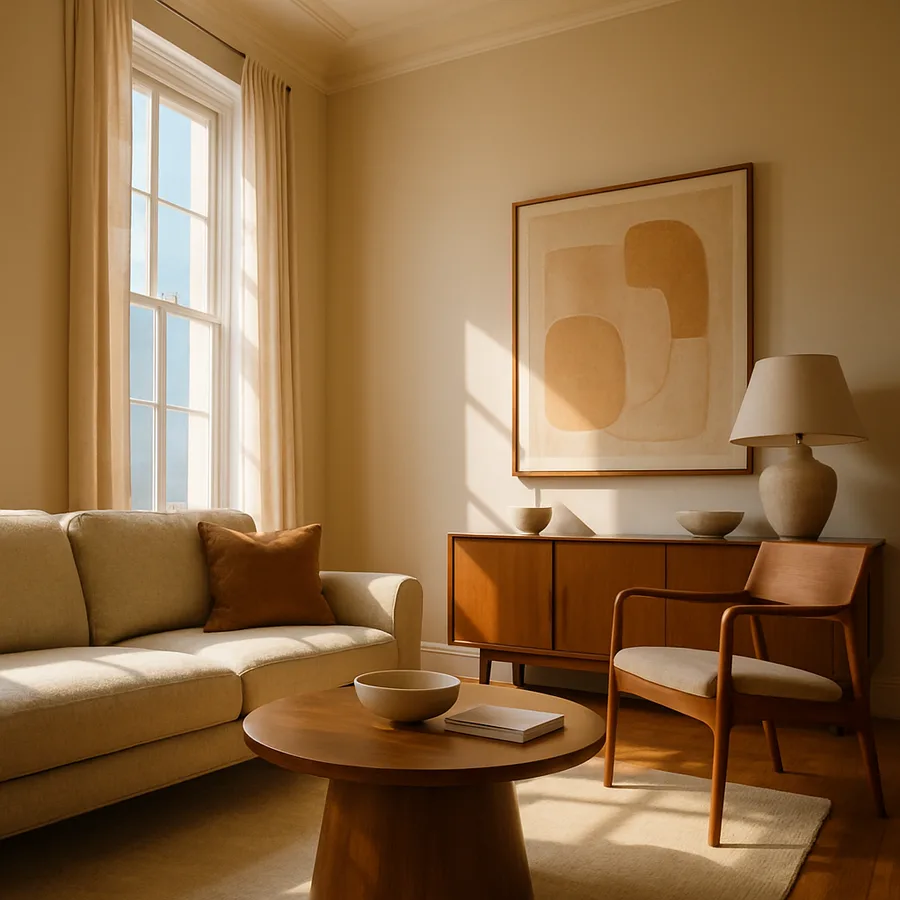
The living room is typically the most public space in a home and the one where design investments are most visible. Fortunately, it is also a room where strategic spending can produce dramatic results. The single most impactful change you can make to a living room on a budget is addressing the walls. A fresh coat of paint in a carefully chosen color transforms the entire atmosphere of a space for the cost of a few gallons of paint and a weekend of labor. The International Interior Design Association (IIDA) regularly emphasizes that wall color establishes the foundational mood of a room, making it the most cost-effective design decision available.
Furniture arrangement is another zero-cost lever that many homeowners overlook. Simply pulling furniture away from the walls and creating a more intimate conversational grouping can make a living room feel dramatically more designed and intentional. Most rooms benefit from a focal point, whether it is a fireplace, a large window, or a deliberately created gallery wall, and orienting the primary seating toward that focal point creates the sense of compositional purpose that distinguishes designed spaces from merely furnished ones.
Textiles offer enormous design leverage at accessible price points. New throw pillows, a well-chosen area rug, and updated curtains can shift the entire color story and textural character of a living room without touching the furniture itself. The trick is to treat these elements as a coordinated system rather than individual purchases. Choosing textiles that share a color family but vary in texture and pattern creates a layered, sophisticated look that suggests professional guidance. NCIDQ-certified designers often use the textile refresh as a recommended seasonal update for clients, noting that it provides the emotional satisfaction of a new room without the cost or disruption of furniture replacement.
Lighting upgrades represent another high-impact, moderate-cost improvement. Replacing a dated ceiling fixture with a modern pendant or adding a pair of well-scaled table lamps can elevate the perceived quality of an entire room. The warm, layered illumination produced by multiple light sources at different heights creates an atmosphere that a single overhead fixture cannot match, regardless of how expensive that fixture might be. Budget-friendly lighting options from retailers specializing in affordable contemporary design have expanded dramatically, making stylish fixtures accessible at price points that would have been impossible a decade ago.
Kitchen and Dining Upgrades That Maximize Value
Kitchens are notoriously expensive to renovate comprehensively, but targeted upgrades can refresh the appearance of a kitchen dramatically without approaching the cost of a full remodel. Cabinet hardware replacement is the most frequently recommended budget kitchen upgrade among design professionals, and for good reason. Swapping dated knobs and pulls for contemporary hardware takes an afternoon and costs a fraction of cabinet replacement while producing a visual change that is immediately noticeable. ASID residential design guidelines specifically identify hardware as a high-visibility, low-cost update point in kitchen design.
Open shelving is another budget-friendly kitchen transformation that simultaneously updates the visual style and creates display opportunities. Removing the doors from one or two upper cabinets and painting the interior a contrasting color creates the appearance of custom open shelving without any structural modification. The displayed items then become decorative elements, with matching dishware, glassware, and carefully chosen accessories contributing to the overall design rather than hiding behind closed doors. This approach works particularly well in kitchens where the existing cabinets are structurally sound but stylistically dated.
The dining area benefits enormously from attention to the table setting itself. A well-chosen tablecloth or runner, attractive place settings, and a simple centerpiece transform a utilitarian dining table into a design feature. Even inexpensive tableware can look elegant when chosen with attention to color coordination and consistency. The ritual of setting a table with care communicates intentionality that elevates the entire dining experience and, by extension, the perceived quality of the room. Have you considered that the objects on your table might be more impactful than the table itself? In many cases, the investment in beautiful everyday tableware returns more aesthetic value than a furniture upgrade would.
Under-cabinet lighting is a practical upgrade that serves double duty as both functional task lighting and atmospheric enhancement. LED strip lights installed beneath upper cabinets illuminate countertop work surfaces while creating a warm ambient glow that transforms the kitchen evening character. The installation is straightforward, the cost is modest, and the impact on both the usability and the atmosphere of the kitchen is substantial. This is the kind of targeted improvement that professional designers recommend because it addresses multiple needs simultaneously at minimal cost.
Bedroom Retreats Without Premium Price Tags
The bedroom should be the most restful room in the home, and achieving a retreat-like atmosphere does not require luxury expenditure. The bed itself is the dominant visual element, and upgrading the bedding is the single most effective way to transform a bedroom character. High thread count sheets, a quality duvet or comforter, and coordinated pillow arrangements create the layered, inviting look that characterizes well-designed bedrooms. According to the Better Sleep Council, 85 percent of consumers report that their perception of bedroom quality is primarily influenced by the bed appearance, making bedding the clearest priority for bedroom design investment.
A headboard provides architectural definition that significantly elevates the look of a bed, and creative DIY approaches make this upgrade accessible at almost any budget. Upholstered headboards can be constructed from plywood, foam padding, and fabric for a fraction of the retail cost. Reclaimed wood panels mounted behind the bed create a rustic focal point. Even a large-scale piece of artwork or textile hung at headboard height produces a similar framing effect. The goal is to give the bed a finished, intentional appearance that anchors the room design.
Nightstand styling is a detail that separates considered bedrooms from casual ones. A lamp with a warm-toned shade, a small plant or vase, and one or two carefully chosen objects create a vignette that communicates care and attention. The objects themselves need not be expensive. Their impact comes from being deliberately chosen and thoughtfully arranged rather than randomly accumulated. IIDA residential portfolio reviews consistently note that attention to vignette composition is one of the clearest indicators of design awareness in bedroom presentations.
Window treatments in the bedroom deserve special consideration because they affect both the visual design and the functional quality of sleep. Floor-length curtains in a neutral fabric create an elegant, elongating effect that makes windows appear larger and ceilings higher. Blackout lining, available as an affordable add-on to nearly any curtain panel, ensures that the room can be darkened for sleep without compromising the daytime aesthetic. The visual impact of properly hung curtains, mounted close to the ceiling and extending to the floor, is routinely identified by designers as one of the most transformative affordable upgrades available for any room in the home.
Bathroom and Small Space Solutions on a Budget
Bathrooms present unique design challenges because their fixed elements, particularly tile, fixtures, and cabinetry, are expensive to replace. However, the smaller scale of most bathrooms means that accessory and detail upgrades have proportionally greater impact than they would in larger rooms. A coordinated set of towels, a new shower curtain, and an updated mirror can collectively transform a bathroom personality in an afternoon for a combined cost that remains well within a modest budget.
Mirror upgrades are particularly effective in bathrooms. Replacing a generic builder-grade mirror with a framed alternative, or simply adding a frame to an existing mirror using adhesive molding, creates a focal point that elevates the entire vanity wall. The mirror is typically the first thing visible upon entering a bathroom, making it a high-priority visual element. Houzz bathroom renovation articles consistently rank mirror updates among the top five most impactful budget bathroom improvements, and the cost-to-impact ratio is exceptionally favorable.
Small spaces throughout the home benefit from design strategies that create the perception of greater volume. Light colors on walls and ceilings make spaces feel larger. Mirrors positioned to reflect windows amplify both light and the sense of depth. Furniture raised on legs rather than sitting directly on the floor creates visual airflow beneath pieces that makes the floor plane appear more expansive. These perceptual strategies cost nothing to implement but require awareness and intentionality that many homeowners simply have not considered. NCIDQ professional examinations include questions on small-space design principles, reflecting the specialized knowledge required to make compact rooms feel comfortable and attractive.
Vertical storage solutions are essential in small bathrooms, entryways, and utility spaces where floor area is limited. Wall-mounted shelves, over-door organizers, and tall narrow storage units all exploit vertical space that would otherwise go unused. The visual key is maintaining consistency in the storage elements themselves. Matching baskets, uniform containers, and coordinated finishes create order that makes small spaces feel organized rather than cramped. Do you have walls in your home that are currently serving no functional or aesthetic purpose? Those blank surfaces represent untapped potential for both storage and visual interest.
Implementing Your Affordable Design Plan
The most effective approach to affordable interior design is strategic prioritization. Rather than spreading a limited budget thinly across many small purchases, concentrate your resources on the highest-impact changes and execute them well. A single room transformed thoughtfully will bring more satisfaction than five rooms marginally improved. ASID consumer research supports this approach, finding that homeowners who complete one room fully before moving to the next report higher overall satisfaction than those who make partial improvements throughout the home simultaneously.
Timing your purchases strategically can stretch a design budget significantly. End-of-season sales on textiles, holiday weekend promotions on furniture, and clearance events at home improvement stores all offer opportunities to acquire quality items at reduced prices. Patience is a legitimate design strategy. Identifying the pieces you need and waiting for favorable pricing often results in acquiring higher quality items than impulse purchasing at full retail price would allow. The curated look that characterizes well-designed interiors is partly a product of this patient, selective approach to acquisition.
Secondhand and vintage sources deserve serious consideration in any budget-conscious design plan. Thrift stores, estate sales, online resale platforms, and architectural salvage yards offer unique pieces with character and quality that new mass-produced alternatives cannot match. The environmental benefits of secondhand purchasing align with the growing consumer preference for sustainable choices, and the one-of-a-kind nature of vintage finds contributes to the personal, curated aesthetic that current design sensibilities favor. IIDA sustainability initiatives actively encourage the reuse of existing furnishings as both an environmental and an aesthetic practice.
Begin today with the smallest possible action. Rearrange the furniture in one room. Replace a single light fixture. Add a plant to a surface that currently sits empty. These minimal interventions build momentum and develop the design confidence that larger projects require. Every beautifully designed home started with a single decision to make one thing better, and the cumulative effect of many small, thoughtful decisions is indistinguishable from the result of a large professional project. Your budget is not a limitation on your design potential. It is an invitation to be more creative, more intentional, and more resourceful in creating a home that truly reflects who you are.
More Articles You May Like



Comments
Post a Comment