Transform Your Gaming Space: Top 5 Gaming Laptops That Enhance Interior Design
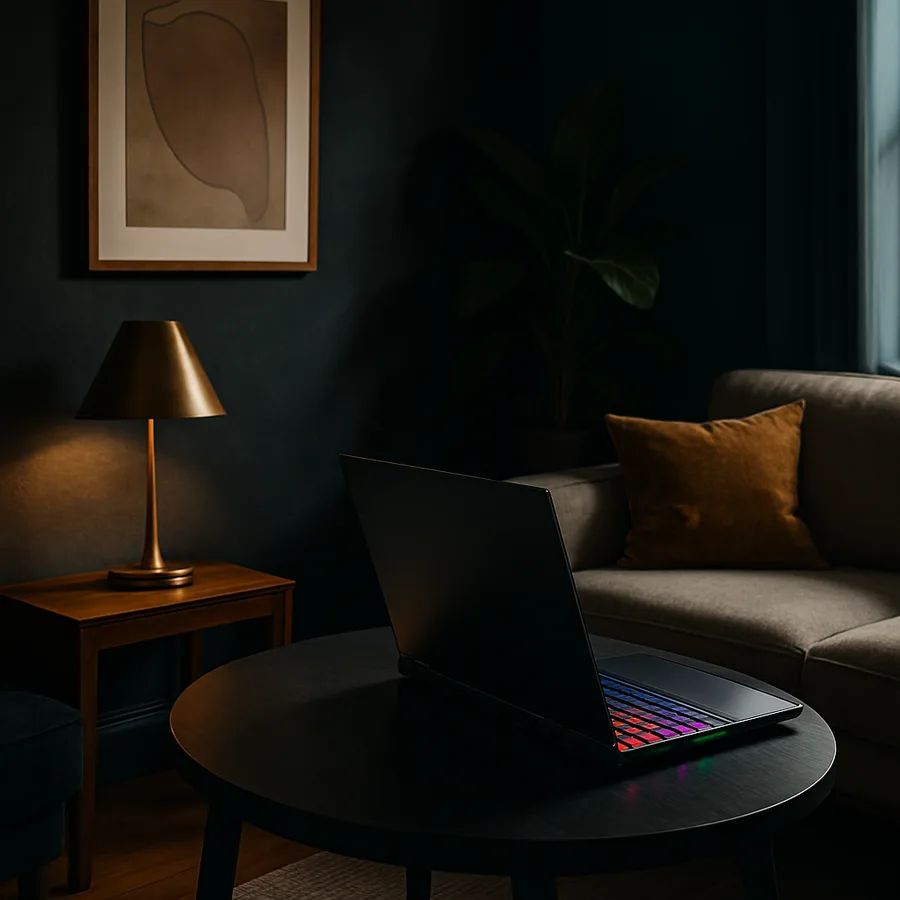
The gaming industry has undergone a dramatic aesthetic evolution, moving away from the loud, aggressive designs that once defined gaming hardware and toward a refined visual language that coexists harmoniously with thoughtful interior design. Modern gaming laptops now serve dual roles as powerful computing platforms and sophisticated design objects that can complement, rather than compromise, the aesthetic integrity of a well-designed living space. The American Society of Interior Designers (ASID) has recognized the growing importance of integrating technology into residential design, noting that over 72% of homeowners under 40 consider gaming and entertainment technology a priority when planning their living spaces. This convergence of gaming culture and interior design sensibility has created a new category of consumer electronics that values form as highly as function.
For many homeowners and renters, the gaming setup is no longer confined to a basement or spare bedroom; it occupies a prominent position in living rooms, home offices, and multi-use spaces that serve various functions throughout the day. This visibility demands gaming hardware that can stand alongside carefully chosen furniture, lighting, and decorative objects without creating a visual disconnect. The International Interior Design Association (IIDA) has addressed this trend in its publications, acknowledging that the boundaries between technology, furniture, and decor are increasingly blurred in contemporary residential design. Gaming laptops, with their portability and increasingly elegant form factors, are uniquely positioned to meet this challenge, offering the performance gamers demand in packages that design-conscious users can proudly display.
This article examines five categories of gaming laptops that exemplify the merging of high performance with interior design sensibility, exploring how each category addresses the aesthetic, spatial, and functional requirements of a beautifully designed gaming space. We will consider form factor, material finish, lighting customization, acoustic design, and overall visual presence, evaluating each through the lens of both gaming capability and interior design compatibility. Have you ever felt that your gaming hardware was the one element in your room that clashed with everything else? The laptops discussed here demonstrate that this compromise is no longer necessary.
The Minimalist Powerhouse: Gaming Performance in an Understated Package
The first category of gaming laptops that deserves attention from design-conscious users is the minimalist powerhouse, a class of machines that deliberately conceal their gaming capabilities behind clean, understated exteriors. These laptops feature slim profiles, neutral color palettes in shades of silver, space gray, or matte black, and restrained branding that allows them to blend seamlessly into professional and residential environments. The design philosophy behind these machines mirrors a core principle of interior design articulated by the NCIDQ: the most effective design solutions are those that serve their purpose without calling unnecessary attention to themselves. A minimalist gaming laptop sitting on a beautifully styled desk contributes to the overall composition of the room rather than disrupting it, maintaining the visual harmony that careful interior design creates.
From a technical perspective, minimalist gaming laptops achieve their slim form factors through efficient thermal engineering and careful component selection, often utilizing vapor chamber cooling systems and low-profile fan designs that maintain performance without requiring the bulky chassis that characterized earlier generations of gaming hardware. The materials used in their construction, which frequently include machined aluminum, magnesium alloy, and carbon fiber, convey a sense of quality and permanence that aligns with the expectations of design-savvy consumers. According to a Houzz survey on home office design preferences, 67% of respondents indicated that the appearance of their technology was an important consideration when designing their workspace, a figure that demonstrates the significant overlap between the gaming hardware and interior design markets.
The versatility of minimalist gaming laptops extends beyond their appearance to encompass their functional role within a designed space. Because they look equally appropriate in a boardroom presentation, a cafe workspace, and a living room gaming session, they eliminate the need for multiple devices that serve different contexts, which in turn reduces the amount of technology hardware visible in a home and simplifies the design challenge of accommodating multiple devices in a cohesive interior scheme. The ASID has noted that reducing visual clutter is one of the most impactful strategies for improving the aesthetic quality of a residential space, and a single, elegant laptop that handles all computing needs contributes directly to this goal. For designers and homeowners who value both performance and beauty, the minimalist gaming laptop represents an ideal synthesis of competing priorities.
RGB Integration: Using Customizable Lighting as a Design Element
RGB lighting, once dismissed by interior design purists as garish and juvenile, has matured into a sophisticated customization feature that, when used thoughtfully, can integrate gaming hardware into a broader lighting design scheme. Modern gaming laptops offer RGB backlighting with millions of color options and multiple zones of independent control, enabling users to match their keyboard illumination to the ambient lighting of their room, complement an accent color in their decor, or create subtle, single-color washes that add warmth or coolness to a desk area. The IIDA has explored the concept of dynamic lighting in residential environments, noting that adjustable color temperature and hue can influence mood, productivity, and perceived comfort within a space. A gaming laptop whose RGB lighting is coordinated with the room's overall palette becomes an active participant in the lighting design rather than a distracting outlier.
The key to successful RGB integration lies in restraint and intentionality, the same principles that govern all effective interior lighting design. Rather than cycling through rainbow patterns or pulsing through rapid color changes, design-conscious gamers can set their laptop's lighting to a static, muted tone that complements the warm glow of a desk lamp, the cool hue of an overhead fixture, or the accent color of nearby textiles and artwork. Many gaming laptop manufacturers now include software that allows users to create custom lighting profiles that can be activated for different activities, a calm amber glow for evening browsing, a focused white for work sessions, and a themed palette for gaming. This flexibility mirrors the concept of lighting scenes in professional interior design, where different combinations of fixtures and intensities are programmed for different occasions and moods.
The broader ecosystem of RGB-enabled peripherals and accessories creates opportunities for design integration that extend beyond the laptop itself. Matching the laptop's keyboard lighting with an RGB mouse, monitor backlight, or ambient light strip creates a unified lighting statement that can be designed as deliberately as any other element of a room's decor. According to the ASID, lighting is the single most influential factor in how a room is perceived and experienced, and the ability to customize the color and intensity of technology-related lighting gives users a degree of control that can meaningfully enhance the atmospheric quality of their space. When a gaming laptop's RGB capabilities are treated as part of the room's lighting design rather than as a separate, disconnected feature, the result is a space that feels cohesive, intentional, and visually sophisticated. Do you currently view your gaming hardware's lighting as decoration or distraction, and could a more intentional approach change your perception?
Ultra-Portable Gaming: Freeing Your Interior from Desktop Constraints
The portability of gaming laptops offers a fundamental advantage for interior design that desktop gaming systems cannot match: the ability to remove the gaming hardware from the room entirely when it is not in use. A beautifully designed living room or home office can serve its primary aesthetic and functional purpose without compromise during the hours when gaming is not occurring, and the laptop can be stored in a drawer, cabinet, or bag until it is needed. This flexibility is particularly valuable in smaller spaces, such as studio apartments, where every piece of visible furniture and equipment must earn its visual presence. The NCIDQ has emphasized that the most successful small-space designs are those that maximize flexibility and minimize the permanent visual impact of single-purpose items, and a portable gaming laptop aligns perfectly with this principle.
The reduction in ancillary equipment that a laptop gaming setup requires, compared to a desktop system, further benefits the overall interior design of a space. A desktop gaming rig typically demands a tower, a dedicated monitor (often multiple monitors), separate speakers, a keyboard, a mouse, and extensive cabling, all of which occupy space, create visual clutter, and complicate the design of the surrounding area. A gaming laptop consolidates the core computing components into a single unit, and while external peripherals can certainly enhance the experience, they are optional rather than mandatory, giving users the choice of how much additional hardware they wish to display. Houzz data indicates that visible cable management is among the top five aesthetic complaints homeowners have about their living spaces, and a laptop-centric setup dramatically reduces the cable management challenge.
The concept of a gaming station that can be assembled and disassembled in minutes opens creative possibilities for how gaming fits into the rhythm of daily life and the design of multi-use spaces. A dining table can serve as a gaming surface during evening hours, a living room sofa can become the center of a casual gaming session with a laptop on a tray table, and a bedroom desk can alternate between work and play without any permanent evidence of either activity. This adaptability resonates with the IIDA's emphasis on flexible, multi-functional residential design that responds to the diverse and changing needs of contemporary living. For design-conscious individuals who refuse to choose between their aesthetic standards and their gaming passion, the ultra-portable gaming laptop provides a compelling resolution to what was once an irreconcilable conflict.
Premium Materials and Craftsmanship: Gaming Hardware as Design Object
The materials and build quality of premium gaming laptops have reached a level that positions them comfortably alongside other luxury objects in a well-designed interior. Precision-machined aluminum unibody construction, anodized finishes in sophisticated colors, glass trackpads, and ceramic or fabric accents demonstrate a commitment to material quality and tactile experience that mirrors the values of high-end furniture and accessory design. The ASID has long advocated for the principle that every object in a designed space should contribute positively to the sensory experience, and premium gaming laptops crafted from quality materials meet this standard in both visual and haptic dimensions. When you pick up a well-built gaming laptop, the weight, temperature, and surface texture communicate a sense of substance and craft that elevates it beyond the category of mere electronic equipment.
The industrial design language of the best gaming laptops draws inspiration from automotive design, architectural form, and luxury consumer goods, resulting in objects that possess genuine aesthetic merit independent of their functional purpose. Sculptural ventilation patterns, beveled edges, subtly textured surfaces, and restrained logo placement demonstrate that the designers of these machines understand and respect the visual context in which they will be used. The NCIDQ curriculum includes the study of product design as it relates to interior environments, recognizing that the objects people choose to place in their spaces are expressions of identity and taste that collectively define the character of a room. A gaming laptop that embodies thoughtful, restrained design becomes a positive contributor to this collective expression rather than a necessary compromise.
The longevity and durability of premium materials also serve the interests of sustainable interior design, a growing priority within the professional design community. A gaming laptop built from high-quality materials and engineered for long-term use generates less electronic waste than a series of cheaper machines replaced every few years, and its enduring visual quality means it will not look dated or out of place as interior trends evolve around it. The IIDA has identified sustainability as a core value of contemporary design practice, and choosing technology that is built to last aligns with this value in a tangible, meaningful way. The premium gaming laptop, viewed through this lens, represents an investment in both performance and responsible design that deserves serious consideration from anyone building a thoughtfully designed living space. What message does the quality of your technology communicate about your broader design values?
Acoustic Design: The Often Overlooked Interior Design Factor
The acoustic signature of a gaming laptop is an interior design consideration that receives far less attention than it deserves, given the significant impact that ambient noise has on the comfort and livability of a space. Gaming laptops under heavy load can produce fan noise ranging from a barely perceptible whisper to an obtrusive drone, and in a shared living space, the difference between these extremes can determine whether the gaming setup is a welcome fixture or a source of household friction. The ASID has increasingly incorporated acoustic comfort into its definition of well-designed interior spaces, recognizing that visual beauty without acoustic comfort produces an environment that fails to serve its occupants fully. Selecting a gaming laptop with advanced thermal management and quiet fan design is therefore an interior design decision as much as a technical one.
Modern flagship gaming laptops address acoustic concerns through a combination of engineering approaches, including larger, slower-spinning fans that move more air with less noise, vapor chamber cooling that distributes heat more efficiently than traditional heat pipe designs, and intelligent fan control algorithms that modulate speed based on workload rather than maintaining a constant high-speed rotation. Some manufacturers offer dedicated quiet modes that cap performance at a level that generates minimal noise while still providing a satisfying experience for less demanding games and applications. According to research cited by the NCIDQ, ambient noise levels above 45 decibels in a residential setting begin to negatively impact concentration, relaxation, and sleep quality, which means that a gaming laptop's noise output in a living room or bedroom has real consequences for well-being.
The placement of a gaming laptop within a room can also influence its acoustic impact, and this is where interior design thinking and gaming setup planning intersect most directly. Hard, reflective surfaces such as glass desks and bare walls amplify and reflect fan noise, while soft, absorbent materials such as upholstered furniture, area rugs, curtains, and acoustic panels absorb and dampen it. A gaming space that incorporates these sound-absorbing elements, whether intentionally for acoustic purposes or simply as part of a well-furnished interior, will experience less noise impact from a gaming laptop than a sparse, hard-surfaced room. The IIDA has published guidance on residential acoustic design that is directly applicable to gaming space planning, and designers who consider these principles when creating or advising on gaming areas provide a more complete and satisfying solution for their clients. Have you ever noticed how different your laptop sounds depending on the room you are using it in, and considered that the room itself might be the most effective noise management tool available?
Creating a Cohesive Gaming Nook Within Your Broader Interior Scheme
The ultimate expression of merging gaming technology with interior design is the creation of a dedicated gaming nook or corner that functions as a seamless, intentional component of the broader room design. This requires thinking about the gaming area not as a separate zone that exists in opposition to the surrounding decor, but as a curated vignette that shares the same design language, material palette, and color scheme as the rest of the space. The following considerations form a framework for achieving this integration:
- Select a desk or surface that matches the material and style of other furniture in the room, whether that is warm wood, industrial metal, or clean contemporary laminate
- Choose a gaming laptop whose color and finish complement the desk and surrounding decor elements
- Coordinate any RGB lighting with the room's existing color palette and lighting temperature
- Incorporate the same decorative elements used elsewhere in the room, such as plants, artwork, books, or ceramics, to integrate the gaming area into the broader visual narrative
- Use cable management solutions such as cable trays, cord covers, or wireless peripherals to maintain the clean lines that characterize well-designed spaces
The gaming chair is often the most visually challenging element to integrate into a designed interior, as many gaming-specific chairs feature aggressive styling, bright colors, and synthetic materials that clash with residential furnishings. A design-conscious approach might substitute a high-quality ergonomic office chair in a neutral color, a well-designed task chair that offers the support needed for extended gaming sessions without the visual baggage of traditional gaming aesthetics. The ASID has noted that seating is often the focal point of a room, and a chair that serves gaming needs while maintaining design integrity is a worthwhile investment. Alternatively, some manufacturers now offer gaming chairs with minimalist designs, premium upholstery, and color options that are specifically intended to blend with residential interiors, providing the gaming-specific ergonomics in a more design-friendly package.
Wall treatment and artwork in the vicinity of the gaming area offer opportunities to personalize the space without breaking from the room's overall design scheme. Framed art prints with subtle gaming references, abstract artwork in colors that complement the gaming setup's lighting, or even gallery walls that blend gaming culture with broader artistic interests can create a sense of identity and ownership without resorting to posters tacked to the wall or branded merchandise that disrupts the curated feel of the surrounding space. Houzz editorial content consistently emphasizes that the most successful personalized spaces are those where individual interests are expressed through the language of good design rather than in opposition to it, and a gaming nook that follows this principle will feel like a natural, integral part of the home rather than an intrusion. The NCIDQ emphasizes that all functional zones within a residence should be designed with equal care and intention, and a gaming area deserves the same thoughtful approach that would be applied to a reading nook, a dining area, or a home office.
Conclusion
The gaming laptops available today offer a remarkable range of options for users who care about both performance and interior design, from minimalist machines that disappear into professional environments to premium devices that serve as genuine design objects worthy of display. The five categories explored in this article, including minimalist powerhouses, RGB-integrated designs, ultra-portable options, premium-material machines, and acoustically refined models, each address the intersection of gaming and interior design from a different angle, providing solutions for different spaces, budgets, and aesthetic preferences. Organizations including ASID, IIDA, NCIDQ, and Houzz have all acknowledged the growing importance of integrating technology thoughtfully into residential design, and the gaming laptop market has responded with products that take this challenge seriously.
The principles of good interior design, including cohesion, intentionality, material quality, acoustic comfort, and visual harmony, apply as directly to a gaming setup as they do to any other element of a living space. By selecting gaming hardware that respects these principles and by designing the gaming area as an integrated component of the broader room, it is possible to create spaces that serve the full range of modern living activities without aesthetic compromise. The era of the ugly gaming corner is ending, replaced by a new paradigm in which gaming technology and interior design enhance each other.
As you evaluate your own gaming space, consider which of the approaches discussed here might best address the specific challenges and opportunities present in your home. Whether that means investing in a minimalist laptop that blends into your existing decor, rethinking your RGB lighting as a coordinated design element, or redesigning your gaming nook as a curated vignette within your living room, the path to a more beautiful and functional gaming space is available to you. Consult with an interior designer who understands the needs of technology-integrated living spaces to create a personalized plan that serves your gaming passion and your design sensibility with equal excellence.
More Articles You May Like



Comments
Post a Comment