Top 5 Neil Interior Design Trends You Can't Afford to Miss This Year
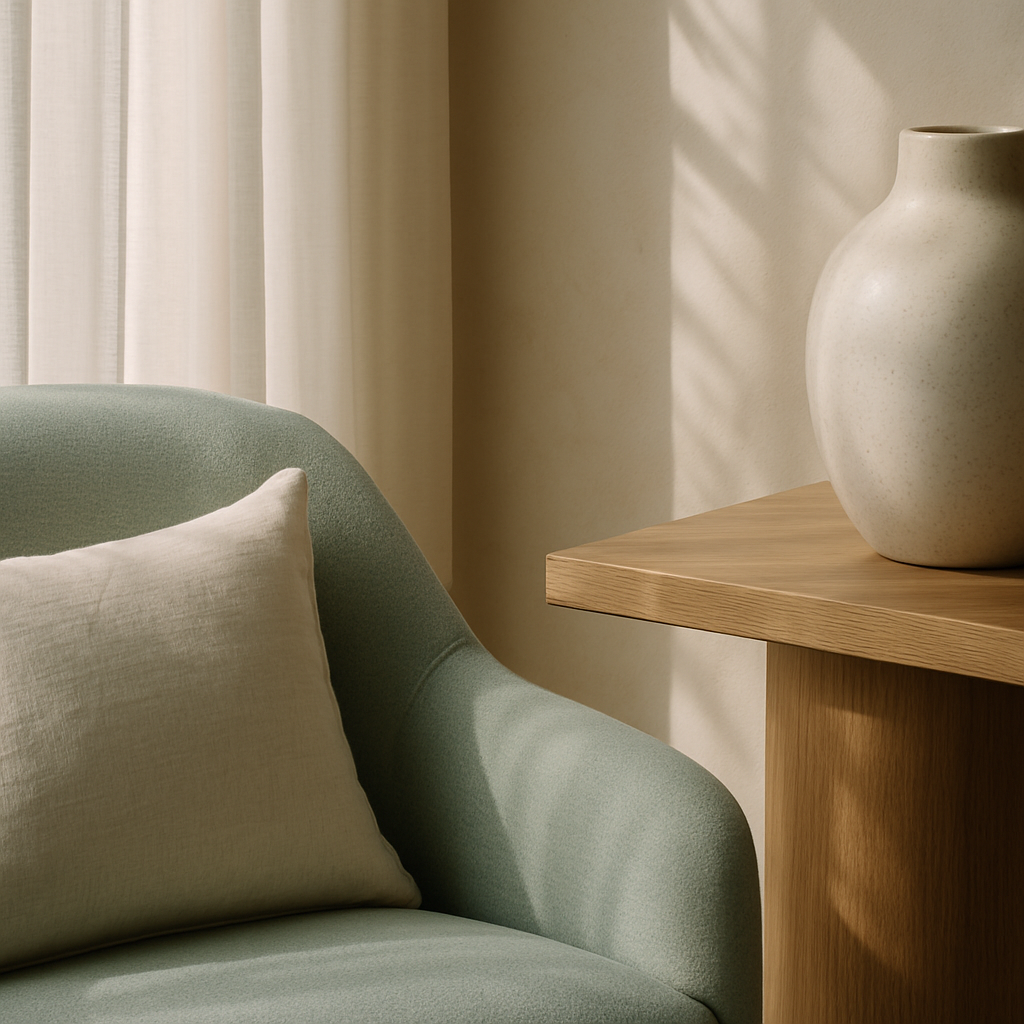
In the world of interior design, staying ahead of trends can feel like a full-time job. Did you know that according to a survey by Houzz, over 70% of homeowners reported that their recent renovations significantly increased their home's aesthetic appeal and resale value? As we delve into the transformative world of Neil interior design trends, you'll discover how these cutting-edge concepts can redefine your living spaces. This article will explore five must-know trends, from the rise of biophilic design to the integration of smart home technology, offering a roadmap to elevate your interiors with style and innovation.
The Rise of Biophilic Design
Biophilic design has emerged as a leading trend, seamlessly blending natural elements with modern interiors. This design philosophy emphasizes creating a connection between indoor spaces and the natural world, incorporating features like living walls, natural materials, and expansive windows that invite the outdoors in. According to industry research, biophilic design not only enhances aesthetic appeal but also improves mental health and productivity. Imagine a living room where sunlight filters through large glass panels, casting patterns on a wooden floor, while a vertical garden breathes life into the space.
Experienced professionals often note that incorporating biophilic elements can significantly enhance the emotional and psychological well-being of occupants. The American Society of Interior Designers (ASID) suggests that integrating natural textures and greenery can reduce stress levels by up to 37%. This is particularly appealing in urban settings where access to nature is limited. By using materials like bamboo, reclaimed wood, and stone, designers can craft spaces that feel both grounded and luxurious.
As you consider transforming your space, ask yourself: How can the tranquility of nature be woven into your daily environment? Start by analyzing your existing layout and identifying areas where natural light and organic materials can be introduced. This trend's growing prominence signifies a shift towards sustainable and health-conscious living, setting the stage for our next trend: quiet luxury.
Quiet Luxury: The Art of Understated Elegance
In an era where minimalism meets opulence, quiet luxury is redefining how we perceive elegance in interior design. This trend focuses on creating spaces that are luxurious yet understated, exuding sophistication through quality materials and subtle design elements. According to Architectural Digest, quiet luxury is characterized by a neutral color palette, luxurious textures, and timeless furniture pieces that speak volumes without shouting for attention.
One key aspect of achieving quiet luxury is through the careful selection of materials. Think cashmere throws, silk drapes, and fine leather accents, which contribute to an atmosphere of understated elegance. The International Interior Design Association (IIDA) emphasizes that the choice of materials can significantly influence the perception of a space's luxury. This approach not only enhances visual appeal but also ensures durability and comfort.
Consider your own spaces: Are there elements that could be replaced with higher-quality alternatives? By investing in fewer, but more meaningful pieces, you can create a serene and sophisticated environment. This trend invites a mindful approach to design, encouraging a focus on quality over quantity, and seamlessly transitions into the realm of smart home integration.
Smart Home Integration: Technology Meets Design
Smart home technology is no longer a futuristic concept but a present-day reality that enhances both convenience and style. This trend involves integrating technology into the fabric of your home's design, from automated lighting systems to climate control and security features. The National Council for Interior Design Qualification (NCIDQ) highlights that incorporating smart technology can increase a home's functionality and appeal, making it a key consideration for modern homeowners.
Imagine walking into a room where the lights adjust to your presence, the thermostat optimizes the temperature, and shades automatically rise with the morning sun. Devices like smart thermostats and voice-controlled assistants not only enhance comfort but also improve energy efficiency, an important factor for environmentally conscious consumers. The American Institute of Architects (AIA) notes that designing with technology in mind can yield homes that are not only beautiful but also smart and sustainable.
Are you ready to embrace technology in your home design? Start by identifying areas where automation could simplify daily routines. Perhaps it's implementing a smart lighting system in the living room or installing a voice-controlled assistant in the kitchen. By merging technology with design, you create spaces that are not only cutting-edge but also personalized to your lifestyle, paving the way for our next trend: sustainable materials.
Sustainable Materials: The Eco-Friendly Revolution
As awareness of environmental issues grows, sustainable design has become a cornerstone of modern interior trends. This movement prioritizes eco-friendly materials, focusing on reducing carbon footprints and promoting long-term sustainability. According to Houzz's annual survey, a significant percentage of homeowners are willing to invest more in sustainable products, recognizing the long-term benefits for both the planet and personal health.
Reclaimed wood, recycled metal, and organic textiles are at the forefront of this trend, offering environmentally friendly alternatives to traditional materials. The American Society of Interior Designers (ASID) advocates for sustainable choices, noting that they can enhance the aesthetic while reducing environmental impact. By choosing materials with a lower carbon footprint, homeowners can contribute to a more sustainable future while enjoying unique and stylish interiors.
Think about your recent purchases: Are they contributing to a sustainable future? Transitioning your home to include sustainable materials can start with small changes, such as opting for recycled glass tiles or selecting furniture made from reclaimed wood. As we continue to explore innovative design, let's delve into the Japandi trend, where minimalism and warmth converge.
Japandi: Minimalism Meets Scandinavian Warmth
The Japandi trend is a harmonious blend of Japanese minimalism and Scandinavian warmth, creating spaces that are both functional and inviting. This design aesthetic is characterized by clean lines, muted color palettes, and a focus on simplicity and functionality. The result is a serene and balanced environment that promotes a sense of peace and tranquility.
Japandi emphasizes the beauty of simplicity, with an emphasis on craftsmanship and natural materials. Think low-profile furniture, neutral tones, and carefully curated decor that highlights the beauty of each piece. The International Interior Design Association (IIDA) highlights that this trend appeals to those seeking a clutter-free, yet cozy home environment.
Consider how a minimalist approach could transform your space. Are there areas where reducing clutter could enhance tranquility? By adopting the Japandi style, you create a sanctuary that reflects both simplicity and comfort. As we wrap up our exploration of these transformative trends, let's consider the broader implications and future possibilities.
Final Perspectives on Transformative Design
As we journey through these top Neil interior design trends, it becomes clear that the fusion of nature, technology, sustainability, and minimalism is reshaping how we perceive and interact with our living spaces. Each trend offers unique opportunities to create environments that are not only aesthetically pleasing but also functional and sustainable.
Reflect on your own design aspirations: Which of these trends resonate most with you? Whether it's the calming presence of biophilic elements or the seamless integration of smart technology, each trend provides a foundation for crafting spaces that truly reflect your lifestyle and values. The key lies in thoughtful integration, ensuring that each element harmonizes with your existing decor.
As we conclude, consider the transformative potential of these trends in your own spaces. How can they enhance not just the look, but also the feel of your home? Let's summarize these insights and take action towards your dream interior.
Conclusion: Embrace the Future of Interior Design
The top Neil interior design trends outlined here offer a roadmap to transforming your home into a haven of style, innovation, and sustainability. By embracing biophilic design, quiet luxury, and smart home integration, you can create a living space that reflects both modern trends and timeless elegance. Meanwhile, sustainable materials and the Japandi aesthetic offer pathways to conscious and serene living.
Take the first step today: How will you incorporate these trends into your home? Start by browsing designer portfolios on platforms like Houzz and Pinterest, where you can gather inspiration and visualize possibilities. Even dedicating just 20 minutes can sharpen your eye for what resonates with you. Embrace these trends and redefine your living spaces with confidence and creativity.
More Articles You May Like



Comments
Post a Comment