The Future of Interior Design: Embracing AI for Personalized Home Aesthetics
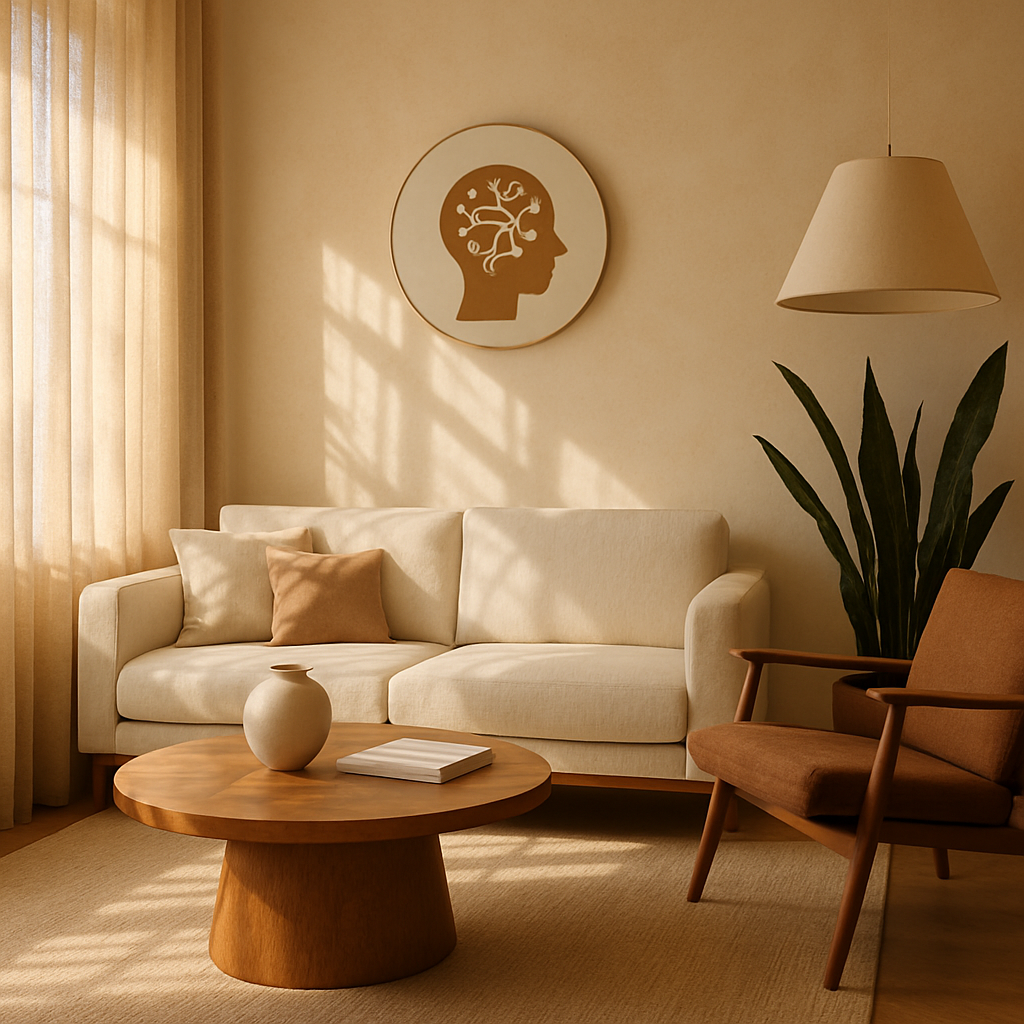
Imagine walking into a room that seems to understand you perfectly-its colors, textures, and layout all reflecting your unique taste and lifestyle. This isn't a scene from a futuristic movie; it's the potential reality with the integration of AI in interior design. According to a survey by Houzz, homeowners increasingly seek personalized spaces that cater to their specific needs and preferences. The incorporation of artificial intelligence (AI) is transforming this demand into a tangible possibility. In this article, we'll explore the foundational concepts of AI in design, delve into data-driven insights, provide actionable strategies, and offer expert perspectives to help you understand and harness AI for personalized home aesthetics.
The Rise of AI in Interior Design
The integration of AI into interior design is more than a trend; it's a paradigm shift. At its core, AI analyzes vast amounts of data to identify patterns and preferences, making it an invaluable tool for designers seeking to personalize spaces. Experienced professionals often note that AI can process client preferences faster and more accurately than traditional methods. For instance, AI can analyze images from your favorite Pinterest boards to determine color schemes or furniture styles you gravitate towards. This capability allows designers to create spaces that feel inherently 'you' without the cumbersome trial-and-error process traditionally involved in design projects.
One of the most significant advantages of AI is its ability to democratize access to high-level design expertise. Platforms like Modsy and Havenly are already utilizing AI to offer virtual interior design services at a fraction of the cost of traditional design firms. This technology enables clients to visualize various design concepts in their space without the need for costly physical prototypes. As a result, AI is not only enhancing the personalization of designs but also making professional design services more accessible to a broader audience.
Moreover, AI-driven tools are increasingly being adopted by certified interior designers, who use them to streamline their workflows. The NCIDQ (National Council for Interior Design Qualification) certified professionals are leveraging AI for tasks such as generating 3D renderings and optimizing layouts. This integration allows designers to focus on the creative aspects of design while AI handles data analysis and visualization, ultimately leading to more innovative and personalized outcomes for clients.
Data-Driven Insights and AI Capabilities
AI's potential in interior design extends beyond simple aesthetics; it's rooted in data-driven insights that can revolutionize how we approach design. According to a report by the ASID (American Society of Interior Designers), data analytics can enhance design accuracy by up to 30%, reducing the likelihood of costly mistakes and time delays. AI algorithms can predict trends, suggest complementary design elements, and even anticipate client satisfaction levels based on historical data.
Consider the power of AI in optimizing room layouts. With AI, designers can simulate thousands of configurations in a matter of seconds, taking into account factors like natural light, traffic flow, and furniture placement. This capability ensures that every square inch of a space is utilized effectively, enhancing both functionality and aesthetics. For example, AI can recommend the ideal location for a home office within a living room, ensuring optimal productivity and comfort.
Furthermore, AI can enhance sustainability in interior design by recommending eco-friendly materials and energy-efficient solutions. With sustainability becoming a critical concern for many homeowners, AI's ability to analyze the environmental impact of design choices is invaluable. By suggesting materials that reduce carbon footprints or proposing energy-efficient lighting solutions, AI helps create spaces that are not only beautiful but also environmentally responsible. Could AI-assisted sustainable design be the next big thing for your home?
Actionable Strategies for AI Integration
For those looking to integrate AI into their design process, there are several actionable strategies to consider. First, start by utilizing AI-powered design platforms such as Planner 5D or RoomSketcher, which offer user-friendly interfaces to experiment with different design concepts. These tools allow you to input your room dimensions and explore various layouts and styles, providing a clear visualization of potential outcomes.
Another strategy is to leverage AI for mood board creation. Platforms like Canva and Morpholio Board use AI algorithms to curate images and design elements based on your preferences, helping you assemble cohesive and personalized design boards. This approach not only saves time but also provides a clearer direction for the design process, ensuring that your final space aligns with your vision.
Finally, consider collaborating with a certified interior designer who incorporates AI into their workflow. By working with a professional, you can benefit from their expertise while also gaining access to advanced AI tools. This collaboration can result in a design that is both innovative and deeply personalized, tailored to your lifestyle and aesthetic preferences. Are you ready to explore AI-driven design solutions for your next project?
Expert Perspectives on AI and Design
Industry experts agree that AI is set to redefine the interior design landscape. According to insights from Architectural Digest's AD PRO network, AI's ability to analyze and learn from vast datasets is its most powerful asset. This capability allows for a level of personalization and precision that was previously unattainable. Designers can now tailor spaces with unprecedented accuracy, creating environments that not only meet but exceed client expectations.
Experts also emphasize the importance of balancing AI's analytical capabilities with human creativity. While AI excels at data processing and pattern recognition, the creative vision of a designer remains irreplaceable. The best outcomes often arise from a harmonious blend of AI-driven insights and human intuition, resulting in spaces that are both functional and emotionally resonant.
Moreover, the integration of AI in design is not without its challenges. As noted by the IIDA (International Interior Design Association), ethical considerations surrounding data privacy and the potential for algorithmic bias must be addressed. Ensuring that AI tools are used responsibly and transparently is essential for maintaining trust and integrity in the design process. How can designers ensure that AI enhances rather than diminishes the human touch in their work?
Additional Depth: Real-World Applications
Real-world applications of AI in interior design are already demonstrating its transformative potential. For instance, AI is being used to develop smart home systems that integrate seamlessly with interior aesthetics. These systems allow for automated lighting, climate control, and even window treatments, all of which can be customized to fit the design and functional needs of a space.
AR/VR room visualization tools are another exciting application of AI in design. These technologies enable clients to experience a virtual walkthrough of their redesigned space before any physical changes are made. This immersive experience allows for real-time feedback and adjustments, ensuring that the final design aligns perfectly with the client's vision. Could such tools revolutionize how you plan your next renovation?
Additionally, AI is facilitating the use of sustainable and reclaimed materials in design projects. By analyzing material databases, AI can recommend options that align with both aesthetic goals and environmental standards. This application not only supports sustainability initiatives but also promotes innovative and creative design solutions that are both beautiful and eco-conscious.
Final Perspectives on AI-Driven Design
The future of interior design, augmented by AI, holds immense promise for creating personalized home aesthetics that resonate deeply with individual lifestyles. As AI tools become more sophisticated, their ability to enhance design processes will only grow, offering new opportunities for creativity and innovation. However, it's essential to remain mindful of the ethical and practical implications of AI integration, ensuring that these technologies are used to enhance, rather than overshadow, the human elements of design.
As you consider how to incorporate AI into your own design projects, reflect on the balance between technology and creativity. How can AI enhance your design process without compromising your unique vision and style? The answer to this question will shape the future of your home, making it a true reflection of who you are.
Conclusion: Embrace the Future of Design
In conclusion, the integration of AI into interior design is paving the way for more personalized, efficient, and creative home aesthetics. By leveraging AI's capabilities alongside human creativity, you can create spaces that truly reflect your identity and meet your functional needs. Start by exploring AI-powered design platforms or collaborating with professionals who embrace these technologies. Begin your journey towards an AI-enhanced home by browsing platforms like Houzz or consulting with NCIDQ-certified designers. Even dedicating just 20 minutes to researching how AI can fit into your project will equip you with the knowledge to make informed design decisions. Are you ready to embrace the future of interior design?



Comments
Post a Comment