How Interior Designers Transform Spaces: Innovative Trends for 2023
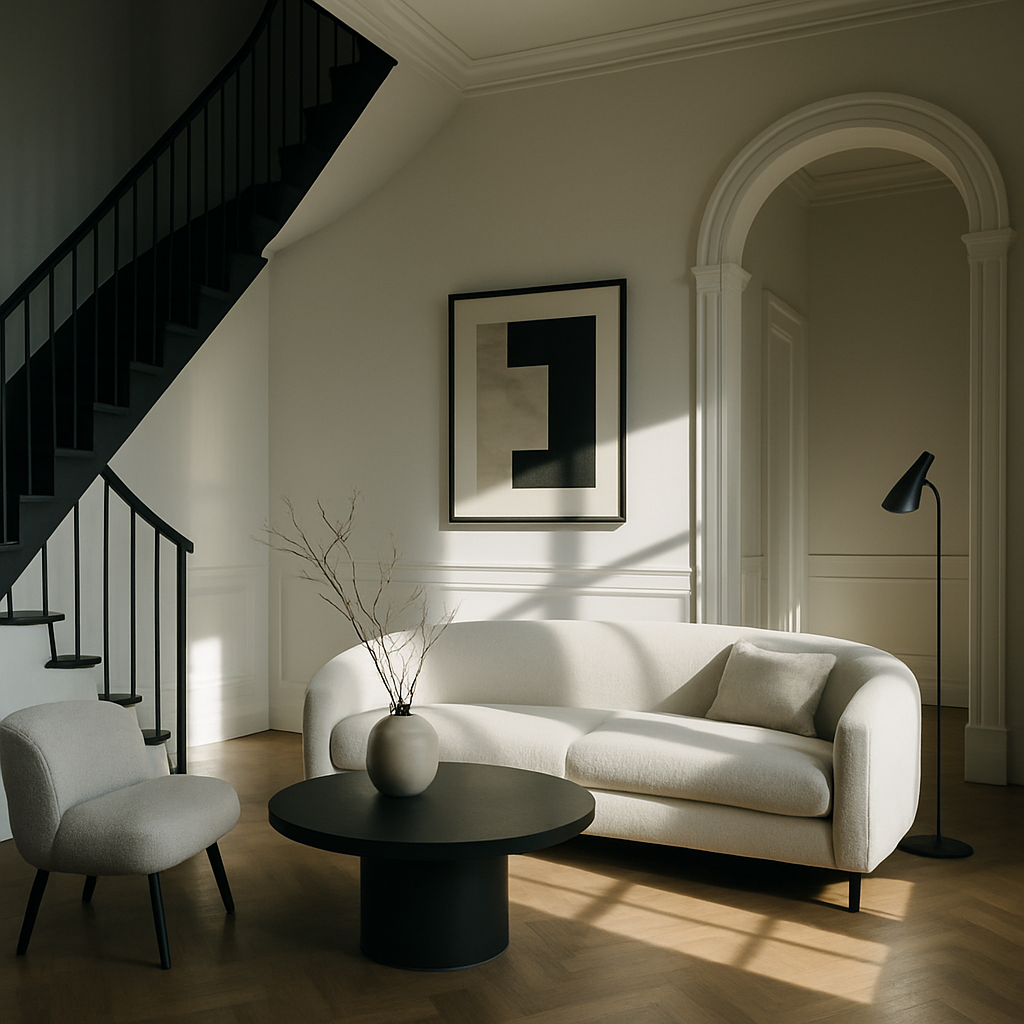
Imagine stepping into a room that immediately feels like a sanctuary-a space that not only meets your functional needs but also resonates with your personal style. This is the magic that skilled interior designers bring to life. According to the American Society of Interior Designers (ASID), well-designed interiors can enhance a property's value by 5-15% and significantly boost homeowner satisfaction. In this article, we'll explore the transformative power of interior design, breaking down the latest trends and techniques that are redefining spaces in 2023. From foundational design principles to cutting-edge innovations, we'll guide you through the process of creating a home that is both beautiful and functional.
Foundational Concepts in Interior Design
At the heart of every stunning interior lies a thorough understanding of foundational design concepts. These principles serve as the bedrock upon which designers craft spaces that are both aesthetically pleasing and practical. The balance between form and function is crucial; a space must be visually appealing while also serving its intended purpose. Consider the flow of a room-how people move through it and interact with the elements within. This aspect of spatial design ensures that a room is not only beautiful but also user-friendly.
Another key concept is the use of color and texture to evoke emotions and set the mood. Experienced professionals often note that color can dramatically change the perception of space. For example, light colors can make a small room feel larger, while darker hues can create a cozy, intimate atmosphere. Texture adds depth and interest, with materials like wood, metal, and fabric playing off each other to create a cohesive look. Have you thought about how these elements come together in your own home?
Finally, proportion and scale are critical in ensuring that each piece of furniture fits harmoniously within a room. According to the International Interior Design Association (IIDA), understanding the scale helps in selecting furniture that complements rather than overwhelms a space. By mastering these foundational concepts, designers lay the groundwork for creating spaces that are both timeless and innovative.
Deeper Analysis with Data-Driven Insights
Data plays a pivotal role in shaping interior design decisions. Industry surveys, such as those conducted by Houzz, reveal trends and preferences that influence design strategies. For instance, recent data indicates a growing preference for sustainable and biophilic design elements. Integrating natural materials like reclaimed wood and incorporating plants can enhance the well-being of occupants by bringing a touch of the outdoors inside. Have you considered how eco-friendly materials might elevate your living space?
Additionally, the National Council for Interior Design Qualification (NCIDQ) highlights the importance of ergonomics in design. As more people work from home, creating spaces that support health and productivity has become paramount. Adjustable furniture, adequate lighting, and noise reduction features are increasingly in demand. These elements not only improve functionality but also align with the latest trend of quiet luxury, where understated elegance takes center stage.
Finally, technology integration is reshaping how designers approach projects. Smart home systems that control lighting, climate, and even window treatments are now standard in high-end designs. According to recent studies, homes equipped with smart technology see a marked increase in efficiency and convenience. By leveraging these data-driven insights, interior designers can craft spaces that are not only beautiful but also future-ready.
Actionable Strategies for Your Design Project
Embarking on a design project can be both exciting and daunting. However, with the right strategies, you can ensure a smooth and successful transformation. Start by clearly defining your goals and priorities. Are you aiming to maximize space, improve functionality, or simply refresh the aesthetic? By understanding what you want to achieve, you can communicate more effectively with your designer and set realistic expectations.
Next, consider creating a mood board. Platforms like Pinterest and Instagram are invaluable resources for gathering inspiration and visualizing ideas. Collect images, color swatches, and material samples that resonate with your vision. This visual reference will serve as a guide throughout the design process. Experienced designers often recommend this step as it helps in aligning the client's vision with the designer's expertise.
Finally, establish a budget and timeline. According to industry standards, a single-room redesign can range from $5,000 to $15,000, while a full-home project might exceed $50,000. Knowing your budget helps in making informed decisions about where to splurge and where to save. Additionally, setting a timeline ensures that the project stays on track, minimizing disruptions. With these strategies, you'll be well-equipped to tackle your design project with confidence.
Expert-Level Insights into Design Techniques
For those seeking a deeper dive into the nuances of interior design, understanding advanced techniques can elevate your project. One such technique is the layering of lighting. Effective lighting design involves a combination of ambient, task, and accent lighting to create a dynamic and versatile atmosphere. For instance, dimmable overhead lights combined with strategically placed floor lamps and under-cabinet lighting can transform a room's mood from bright and functional to warm and inviting.
Another advanced strategy is the use of zoning to define different areas within an open-plan space. By using furniture placement, rugs, and lighting, designers can create distinct zones for dining, lounging, and working. This approach not only enhances functionality but also adds a sense of order and flow to the space. Have you considered how zoning might improve the use of your open-plan areas?
Furthermore, incorporating architectural elements such as exposed beams, archways, or statement fireplaces can add character and depth to a room. These features serve as focal points and can anchor the design, providing a unique blend of style and structure. By leveraging these expert-level techniques, you can achieve a sophisticated and cohesive design that truly transforms your space.
Additional Depth: The Role of Professional Credentials
Understanding the role of professional credentials in interior design can help you make informed decisions when choosing a designer. Certified interior designers often hold qualifications such as the NCIDQ, which signifies a high standard of education, experience, and examination. These credentials ensure that the designer is well-versed in building codes, safety standards, and project management, providing peace of mind for clients.
Membership in professional organizations like the ASID or IIDA also indicates a commitment to ongoing education and adherence to industry standards. These organizations provide resources, networking opportunities, and support that help designers stay current with the latest trends and technologies. When selecting a designer, consider their credentials and affiliations as indicators of their expertise and professionalism.
Furthermore, understanding fee structures can help you budget effectively. Designers may charge a flat fee, hourly rate, or a percentage of the total project cost. Familiarizing yourself with these options allows you to choose a payment structure that aligns with your financial planning. By considering credentials and fee structures, you can select a designer who meets your needs and expectations.
Final Perspectives on Transformative Design
As we've explored, interior design is a multifaceted discipline that combines creativity, technical skill, and strategic planning. The transformative power of design lies in its ability to turn ordinary spaces into extraordinary environments that reflect the personality and lifestyle of their occupants. By staying informed about current trends and practices, you can make educated decisions that enhance your living spaces.
Design is not just about aesthetics; it's about creating spaces that improve quality of life. Whether through the integration of smart technology, the use of sustainable materials, or the implementation of ergonomic solutions, each design decision contributes to a more comfortable and functional home. Have you considered how these elements might enhance your living environment?
As you embark on your design journey, remember that the ultimate goal is to create a space that you love. With the insights and strategies shared in this article, you're now equipped to collaborate effectively with a designer and achieve a transformative result.
Conclusion
In summary, the world of interior design offers endless possibilities for transforming spaces. By understanding foundational concepts, leveraging data-driven insights, and exploring advanced techniques, you can create a home that is both beautiful and functional. Whether you're starting a small project or planning a full-home redesign, the key is to approach it with a clear vision and strategic planning.
Your next step? Start by browsing portfolios on Houzz or Instagram this week. Even 20 minutes of research will sharpen your eye for what you want. As you gather inspiration and ideas, remember that the ultimate goal is to create a space that reflects your personality and enhances your lifestyle. With the knowledge and tools shared here, you're well on your way to achieving a truly transformative interior.



Comments
Post a Comment