Transform Your Home: What Interior Design Means for Modern Living
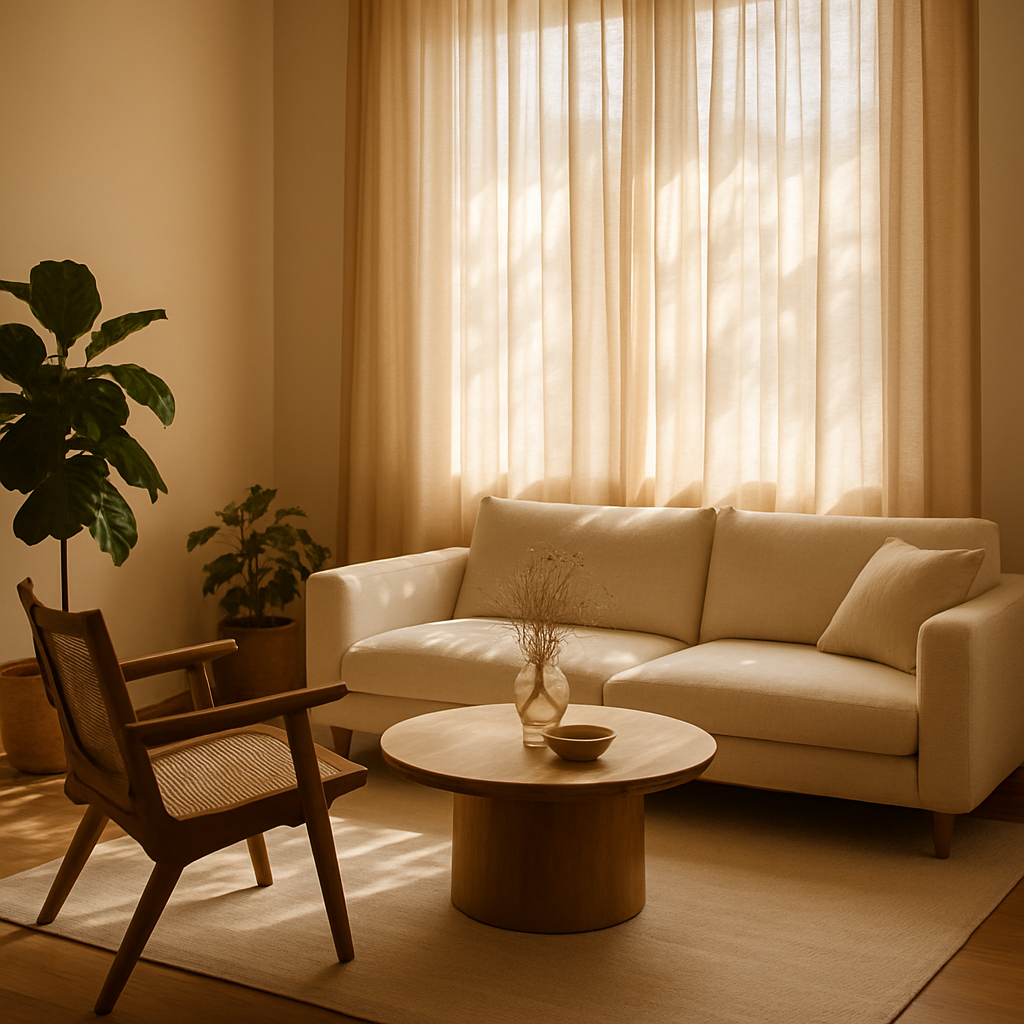
Imagine walking into a room that feels like it was crafted just for you-each element, from the lighting to the layout, reflects your personality and lifestyle. According to a recent Houzz survey, over 85% of homeowners report increased happiness and comfort after a well-executed renovation. This statistic underscores a growing recognition: interior design is not just about aesthetics; it's about enhancing how we live. As homes become multi-functional spaces, understanding modern interior design's impact is crucial. In this guide, we'll unpack foundational concepts, delve into emerging trends, and offer expert strategies to transform your living space. Whether you're considering a small room update or a full-home redesign, the insights you gain here will be invaluable.
The Foundations of Modern Interior Design
Interior design today is about more than just picking colors and furniture. It is a thoughtful process that begins with understanding the core principles that make a space functional and inviting. The concept of biophilic design, which integrates natural elements like plants and natural light, is gaining traction for its proven benefits on mental well-being. Studies indicate that environments incorporating biophilic elements can reduce stress and enhance creativity. This approach is not merely a trend but a foundational shift towards more sustainable and health-conscious living spaces.
Another foundational aspect of modern design is the balance between functionality and aesthetics. Designers today emphasize creating spaces that are both beautiful and practical. For instance, open-plan layouts have become popular because they facilitate better flow and interaction, making homes more conducive to contemporary lifestyles. Experienced professionals often note that a well-designed space can significantly improve daily routines by reducing clutter and enhancing accessibility.
The role of technology cannot be ignored in modern interior design. Smart home integration is no longer a luxury but a staple. Automated lighting, climate control, and smart window treatments are now common features in many homes. This integration not only adds convenience but also contributes to energy efficiency, aligning with broader sustainability goals. As we transition to the next section, consider how these foundational elements can be tailored to meet your personal needs.
Analyzing Design Trends with Data
Trends in interior design are not just fleeting fancies; they are often backed by data and research. According to the American Society of Interior Designers (ASID), well-designed interiors can increase a home's resale value by 5-15%. This statistic highlights the tangible benefits of investing in quality design. Homeowners who embrace trends such as Japandi, which combines Japanese minimalism with Scandinavian warmth, often find that these styles bring a sense of calm and harmony to their living spaces.
Houzz's annual survey data reveals a significant uptick in the use of sustainable and reclaimed materials. This shift is driven by an increasing awareness of environmental impact and the desire for eco-friendly living. The use of recycled wood, natural fibers, and energy-efficient appliances reflects a broader trend towards sustainability in home design. This data underscores a growing commitment among homeowners and designers to create spaces that are both stylish and responsible.
Moreover, the demand for personalized spaces is on the rise. According to Architectural Digest's AD PRO network, customization in home design is a top priority for modern homeowners. From bespoke furniture to tailored color palettes, personalization allows individuals to express their unique styles and preferences. As we move forward, consider how these data-driven trends can be applied to your own space, ensuring that it not only meets current standards but also anticipates future needs.
Actionable Strategies for Transforming Your Space
Ready to give your home a fresh look? Here are actionable strategies to help you incorporate modern design principles into your living spaces. Start by mapping out how you actually use each room. Where do you spend the most time? Which areas feel cramped or underutilized? Identifying these patterns will guide your design decisions, ensuring that your space is both functional and appealing.
Next, consider working with a certified interior designer. Certified professionals, such as those holding NCIDQ (National Council for Interior Design Qualification) credentials, bring expertise that can elevate your project. They can offer insights into the latest trends, help you avoid costly mistakes, and ensure that your design is cohesive. For those on a tighter budget, platforms like Houzz and Pinterest offer a wealth of inspiration and resources to guide DIY projects.
Finally, don't overlook the power of small changes. Sometimes, a new coat of paint, updated lighting, or strategically placed mirrors can transform a space without breaking the bank. Experienced professionals often recommend starting with these smaller updates to see immediate results. As you consider these strategies, think about how they can be adapted to fit your specific needs and budget, setting the stage for our next section on expert-level detail.
Expert-Level Insights and Details
For those seeking to delve deeper into interior design, understanding the nuances of various styles and materials is essential. Quiet luxury, characterized by understated elegance, is a trend that emphasizes quality over quantity. This approach often involves investing in high-quality materials and craftsmanship, which can elevate the look and feel of any room. It is a reminder that sometimes, less is more.
Another expert insight involves the use of AR/VR room visualization tools. These cutting-edge technologies allow designers and homeowners to virtually explore design options before making any physical changes. This can be particularly useful for visualizing complex layouts or testing different color schemes. Many design firms now offer these services, providing a more interactive and informed design process.
When it comes to budgeting, understanding fee structures is crucial. Interior designers may charge a flat fee, an hourly rate ranging from $150 to $500, or a percentage of the total project cost (typically 10-25%). Procurement markups on furniture and fixtures can also add to the overall cost. Knowing these details can help you plan your project more effectively and ensure that you get the most value for your investment. As we explore additional depth in the next section, consider how these insights can inform your design journey.
Additional Depth on Modern Living
Interior design is not just about the individual elements within a space; it's about crafting an environment that enhances your quality of life. This holistic approach is why many designers now focus on creating spaces that promote well-being and mental health. Incorporating elements like natural light, air purification, and soundscaping can significantly impact how you feel in your home.
The integration of smart technology is another facet that cannot be overlooked. From smart thermostats to automated blinds, these innovations offer convenience and efficiency. They also align with the trend towards sustainable living, as they can help reduce energy consumption. As technology continues to evolve, staying informed about the latest advancements will ensure your home remains at the forefront of modern living.
Finally, the importance of continuous learning cannot be understated. The field of interior design is ever-changing, with new trends and technologies emerging regularly. Engaging with professional organizations like IIDA (International Interior Design Association) or local AIA (American Institute of Architects) chapters can provide valuable educational resources and networking opportunities. As we wrap up, reflect on how these additional insights can be integrated into your ongoing design efforts.
Final Perspectives on Interior Design's Impact
As you consider transforming your home, it's essential to recognize the broader impact of interior design on modern living. A well-designed space is not just a reflection of personal style; it is a functional environment that meets the evolving demands of everyday life. Whether through the incorporation of biophilic elements or the adoption of cutting-edge technology, modern design offers solutions that enhance both form and function.
Moreover, the benefits of investing in professional design services are clear. Certified designers bring a level of expertise that can streamline the process and ensure a cohesive end result. For those embarking on a design journey, setting clear goals and understanding the available resources can make all the difference.
As we conclude, consider the steps you can take today to begin your transformation. Whether it's researching design styles or reaching out to a professional, each action brings you closer to creating a space that truly resonates with you.
Conclusion
In today's ever-changing world, interior design plays a pivotal role in shaping how we live. From foundational concepts to expert-level insights, it offers a roadmap to creating spaces that are both beautiful and functional. As you embark on your design journey, remember that the process is as important as the outcome. Start by browsing portfolios on Houzz or Pinterest this week-even 20 minutes of research will sharpen your eye for what you want. With each step, you'll move closer to a home that not only looks stunning but also enhances your everyday life.



Comments
Post a Comment