How to Choose the Perfect Interior Design Style for Your Space
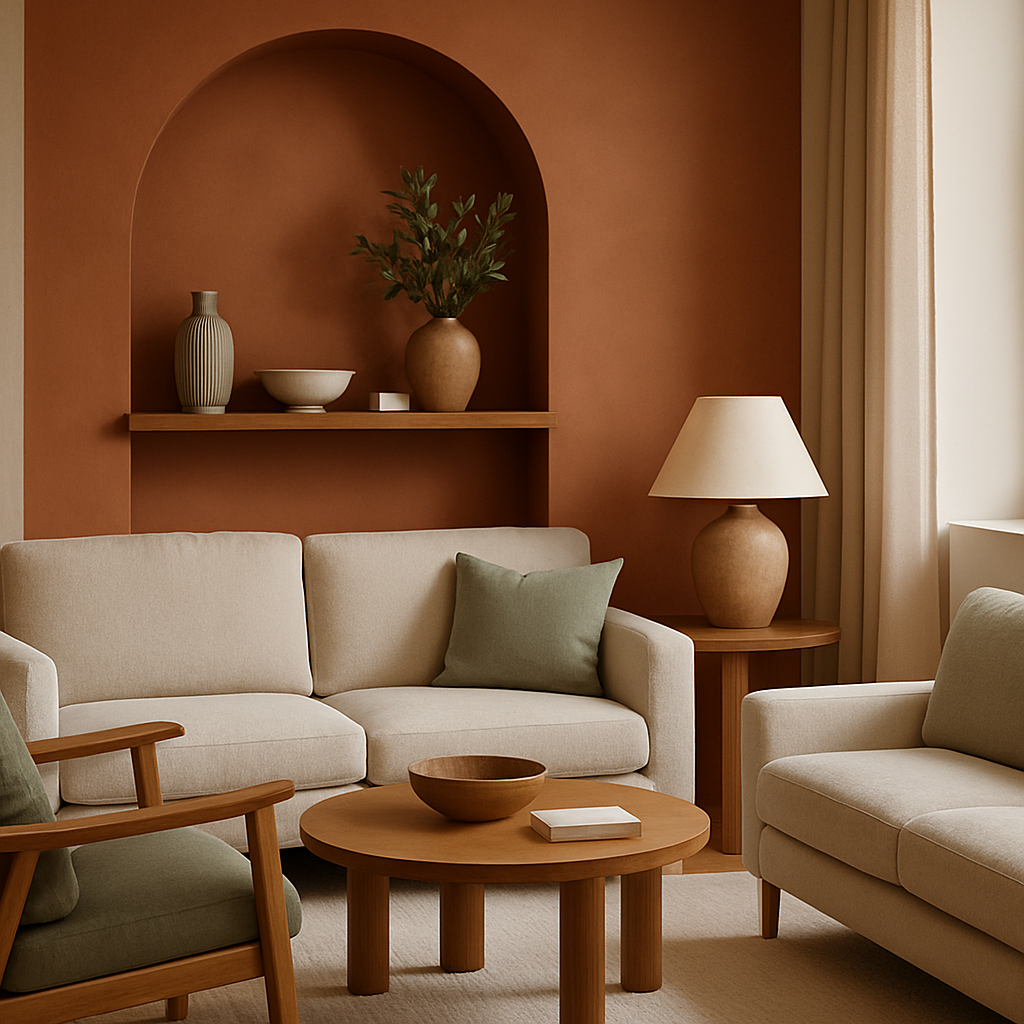
Imagine walking into a room that feels just right-every piece, color, and texture speaking to your personal taste. According to the American Society of Interior Designers (ASID), homes with cohesive interiors can increase their resale value by 5-15%. But finding that perfect interior design style can be daunting with so many options available. In this guide, we'll explore the foundational concepts of interior design styles, delve into data that can inform your choices, and offer actionable strategies to help you find the perfect style for your space. From expert insights to the latest trends, we'll cover everything you need to make your home a reflection of you.
Understanding the Foundations of Interior Design Styles
When embarking on the journey to choose the perfect interior design style, it's essential to understand the foundational styles that have shaped the industry. These include traditional, modern, contemporary, and eclectic, each with its unique characteristics. Traditional style often emphasizes classic elegance, with rich colors and ornate details that evoke a sense of history. In contrast, modern design is all about clean lines and minimalism, focusing on function over form. Contemporary style, while similar to modern, is more fluid and ever-evolving, incorporating current trends and technologies.
Eclectic design combines elements from different styles and eras, creating a personalized and unique space. Experienced professionals often note that eclectic styles allow for more personal expression, making them popular among those who value individuality. Each style brings its own set of advantages and challenges. For instance, while modern styles may offer simplicity and efficiency, they may lack the warmth of a traditional design.
Understanding these foundational styles provides a palette from which you can draw inspiration and mix elements to suit your personal taste. Whether you're drawn to the opulence of traditional interiors or the sleekness of modern design, knowing the basics allows you to make informed decisions. As you consider these styles, think about how they align with your lifestyle and preferences. This foundational knowledge is the first step in finding a style that not only looks good but feels good too.
Analyzing Data to Inform Your Design Choices
Data can be a powerful tool when choosing an interior design style. According to Houzz's annual survey, 58% of homeowners opted for renovations that reflect their personal style, indicating a growing trend towards personalized spaces. Understanding these trends helps you align your choices with broader market preferences, which can be beneficial if resale value is a consideration. Additionally, knowing what others prioritize can offer new perspectives on what might work in your space.
Another critical data point is budget allocation. The International Interior Design Association (IIDA) suggests that single-room redesigns can range from $5,000 to $15,000, while full-home projects can exceed $150,000. This financial perspective is crucial; knowing your budget can help narrow down the styles that fit within your financial parameters. For example, a traditional design with custom millwork might exceed a tight budget, whereas a minimalist modern style could be more affordable.
Moreover, observing the return on investment for different styles can guide your choices. The ASID notes that well-designed interiors can enhance a property's resale value significantly. This is particularly true for styles that maintain a broad appeal, such as contemporary or transitional. As you analyze these data points, consider what balance of style, cost, and potential ROI aligns with your goals. This analysis sets the stage for making informed, strategic decisions about your design style.
Actionable Strategies to Identify Your Style
With a foundation in place, it's time to explore actionable strategies to identify the perfect interior design style for your space. Start by gathering visual inspiration. Platforms like Instagram and Pinterest are excellent sources for discovering what appeals to you visually. Create boards or folders for images that catch your eye, paying attention to recurring themes or elements. Are there particular colors, textures, or furniture styles that you gravitate toward?
Next, evaluate the functionality of your space. Map out how you actually use each room-where you drop your keys, where the kids do homework, where you collapse at the end of the day. Understanding the practical demands of your space can help refine your style choices. For instance, a busy family might benefit from a durable, child-friendly style, while a minimalist approach might suit a single professional.
Finally, consider experimenting with small changes before committing to a major redesign. Swap out accessories, paint a wall, or rearrange furniture to see how different styles feel in your space. This approach allows you to test styles without the risk of a full overhaul. As you experiment, ask yourself: Does this change enhance the space's functionality? Does it make me feel more at home? These strategies offer practical steps to discovering a style that resonates with you.
Expert Insights into Advanced Design Techniques
For those ready to dive deeper, advanced design techniques can elevate your style choices. Experienced professionals often highlight the importance of layering textures and materials to add depth. Incorporating a mix of textures-such as a plush rug on a sleek wooden floor or velvet cushions on a leather sofa-can create visual interest and warmth. This is particularly effective in minimalist or modern spaces, where texture can compensate for a lack of ornamental detail.
Another expert technique is the use of biophilic design, which incorporates natural elements into interiors. This could mean integrating living walls, using natural materials, or ensuring an indoor-outdoor flow. This approach not only enhances aesthetic appeal but also promotes well-being by connecting occupants with nature. According to the National Council for Interior Design Qualification (NCIDQ), biophilic design is a growing trend due to its health and psychological benefits.
Lighting is another crucial element. Smart home integration for lighting can transform a space dramatically. Automated lighting systems allow you to adjust brightness and color to suit different moods and functions. This flexibility can be particularly beneficial in spaces that serve multiple purposes. As you explore these advanced techniques, consider how they might align with your desired aesthetic and functional goals. These insights can help you refine your style with sophistication and precision.
Additional Nuances and Considerations
Beyond foundational styles and advanced techniques, there are additional nuances to consider when choosing your interior design style. One such consideration is sustainability. The use of sustainable and reclaimed materials is becoming increasingly popular, not just for environmental reasons but also for the unique character they bring to a space. Materials like reclaimed wood or recycled metal can add a story and a sense of history to your design.
Additionally, cultural influences can play a significant role in shaping your style. The Japandi trend-a fusion of Japanese minimalism and Scandinavian warmth-is an example of how cross-cultural influences can create a harmonious and unique aesthetic. This style emphasizes simplicity, functionality, and a connection to nature, which can appeal to those looking for a serene and uncluttered environment.
Finally, consider the emotional connection to your space. Your interior design style should not only be visually pleasing but also evoke a sense of comfort and belonging. Reflect on the colors and elements that make you feel most at ease. Are there specific memories or experiences that you want your space to reflect? These personal nuances are what ultimately make a space truly yours, beyond just aesthetics.
Final Perspectives on Personalizing Your Space
As you embark on the journey to find the perfect interior design style for your space, remember that personalizing your home is an ongoing process. Styles evolve, and so do personal tastes. Allow yourself the flexibility to adapt and change as you discover new inspirations and experiences. This adaptability ensures that your space remains a true reflection of who you are at any given moment.
Reflect on the insights and techniques discussed throughout this guide. From foundational styles to advanced methods and personal nuances, each aspect contributes to crafting a space that is uniquely yours. Consider how these elements can be integrated into your home gradually, allowing for a more organic development of your style.
As you make decisions, don't hesitate to seek professional advice if needed. Certified interior designers, especially those with NCIDQ credentials, can provide valuable guidance and ensure your choices align with both aesthetic and practical goals. With these final perspectives, you're well-equipped to start creating a space that truly feels like home.
Conclusion: Your Next Steps in Interior Design
In conclusion, choosing the perfect interior design style for your space involves understanding foundational styles, analyzing data, employing actionable strategies, and considering expert insights. By integrating these elements, you can create a home that not only meets aesthetic and functional needs but also represents your personality and aspirations. Remember, the journey to finding your style is as important as the destination.
As a next step, consider dedicating some time this week to explore designer portfolios on platforms like Houzz. Even just 20 minutes of research can sharpen your eye for the styles you love and those you don't. This exercise will not only inspire you but also give you a clearer vision of how to proceed with your design journey. Happy decorating!



Comments
Post a Comment