The Ultimate Guide to Minimalist Modern Interior Design Styles
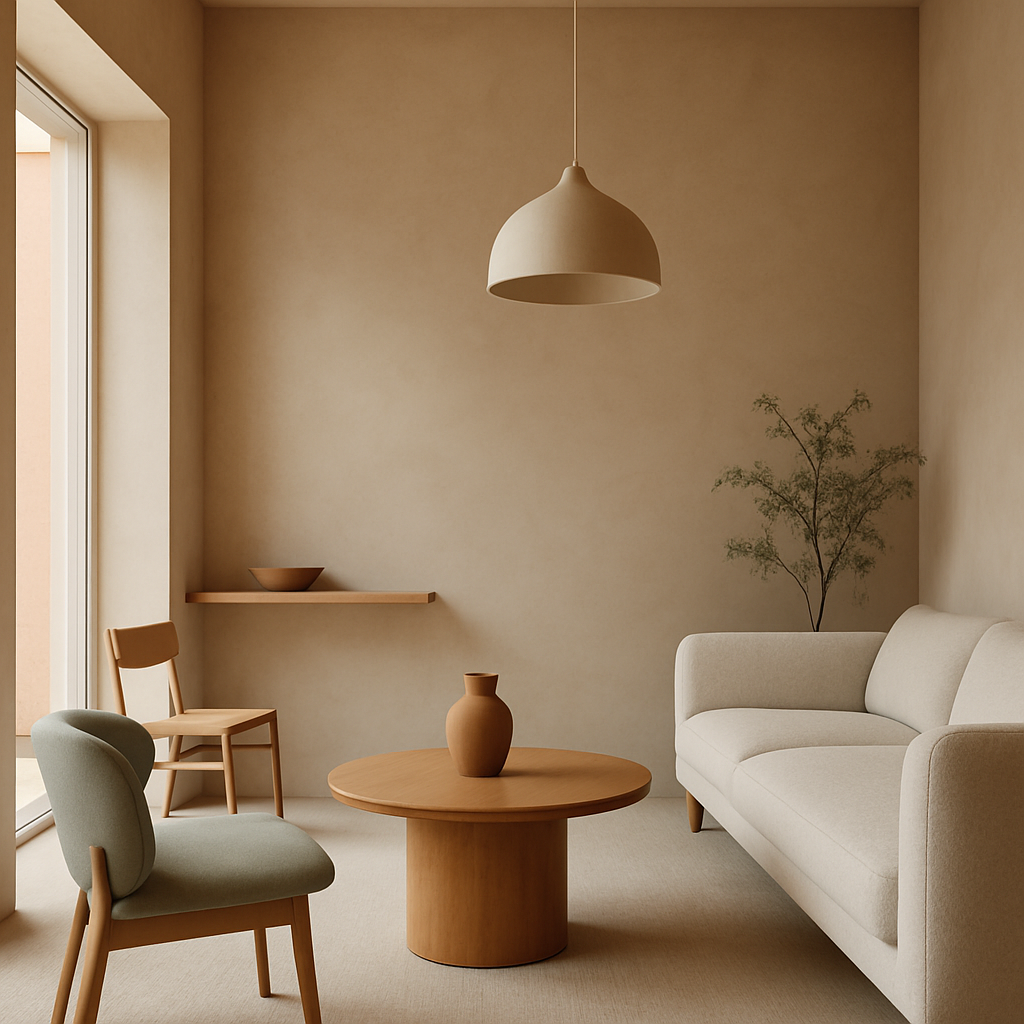
Minimalist modern interior design has undergone a profound transformation from its origins as a stark, almost austere aesthetic into a rich and varied family of approaches that share a commitment to intentionality without sacrificing warmth, personality, or comfort. The clinical white rooms and sparse furnishings that once defined minimalism have given way to textured, layered spaces where every element serves a clear purpose while contributing to an environment that feels genuinely inviting rather than merely impressive. This evolution reflects a growing understanding that true minimalism is not about deprivation but about clarity, creating spaces where the things that matter receive the attention they deserve because they are not competing with unnecessary distractions. The International Interior Design Association (IIDA) has documented this shift through surveys showing that client interest in minimalist design has grown substantially, with the crucial caveat that modern minimalism explicitly rejects the cold, impersonal interpretations that earlier iterations sometimes produced. This guide explores the diverse landscape of minimalist modern design, providing practical strategies for creating spaces that are simultaneously simplified and satisfying, functional and beautiful, modern and deeply human.
The Philosophy Behind Modern Minimalist Design
Understanding minimalist design as a philosophy rather than merely a visual style is essential for implementing it successfully, because superficial adoption of minimalist aesthetics without embracing the underlying principles produces spaces that look sparse rather than intentional. The core philosophy centers on the idea that every object, surface, and spatial relationship in a room should justify its presence through function, beauty, or ideally both. This standard of justification does not mean that rooms should contain only utilitarian objects; rather, it means that decorative elements should be genuinely meaningful rather than reflexively placed because a surface feels empty. A single piece of art that you find deeply moving contributes more to a minimalist space than a gallery wall assembled primarily to fill a blank expanse, even though the gallery wall contains more visual content.
The psychological benefits of minimalist environments have been validated through research that connects visual complexity with cognitive load, demonstrating that cluttered spaces demand more mental processing than simplified ones. When surrounded by fewer objects, the brain expends less energy on environmental monitoring and categorization, freeing cognitive resources for the activities that residents actually want to pursue. The ASID has highlighted these findings in their educational programming, connecting minimalist design principles with the broader wellness movement that is reshaping residential interiors. Homeowners who adopt minimalist approaches consistently report feeling calmer, more focused, and more present in their living spaces, benefits that extend beyond aesthetic preference into measurable quality-of-life improvements.
The distinction between minimalism as a permanent lifestyle commitment and minimalism as an aspirational ideal that informs design decisions without demanding absolute adherence is important for homeowners considering this approach. Few families can or should maintain the pristine emptiness of a minimalist showroom, but every household can benefit from the principles of intentional acquisition, regular editing, and thoughtful spatial organization that minimalist philosophy promotes. The practical version of minimalism acknowledges that daily life generates objects, projects, and materials that need accommodation, and it addresses this reality through intelligent storage solutions, flexible organizational systems, and forgiving material selections that maintain their composure under real-world conditions rather than demanding constant curation to preserve an idealized appearance.
Warm Minimalism and the Scandinavian Influence
Warm minimalism represents the most accessible and widely appealing branch of the minimalist family tree, combining simplified spatial compositions with natural materials, soft textures, and inviting color palettes that prevent the coldness sometimes associated with more austere interpretations. The Scandinavian design tradition provides the primary influence for this approach, with its emphasis on light wood tones, linen and wool textiles, rounded furniture forms, and the concept of hygge, the Danish term for cozy contentment that has become a guiding principle for residential design worldwide. Warm minimalist spaces feel simplified without feeling empty, organized without feeling clinical, and modern without feeling disconnected from the natural world or human comfort needs.
Material selection is the primary mechanism through which warm minimalism achieves its characteristic balance of simplicity and invitation. Light-toned woods like white oak, ash, and birch provide the dominant material theme, appearing in flooring, furniture frames, shelving, and architectural details. These woods introduce warmth through their honey-gold undertones while maintaining the visual lightness that minimalist compositions require. Textiles in natural fibers add layers of tactile warmth, with linen upholstery, wool throws, and cotton bedding contributing both comfort and visual texture to spaces that might otherwise feel flat. The restrained color palette typically stays within a range of warm whites, soft beiges, muted grays, and occasional earth-tone accents, creating enough variation to prevent monotony while maintaining the visual coherence that defines minimalist environments.
Have you noticed how the most inviting rooms you have ever entered seem to achieve their warmth through simplicity rather than complexity? This observation captures the essential insight of warm minimalism, which recognizes that comfort often increases rather than decreases as unnecessary elements are removed. A bedroom with a beautiful wooden bed frame, high-quality linen bedding, a single bedside table with a ceramic lamp, and curtains that filter morning light can feel more luxurious than a room packed with coordinating furniture sets and decorative accessories, because the quality and character of each individual element receives full attention when it stands without competition. The Houzz platform consistently ranks warm minimalist bedrooms among their most saved and shared images, confirming that this approach resonates with a broad audience seeking spaces that feel both contemporary and comforting.
Japandi Minimalism and the Japanese Design Tradition
Japandi minimalism distinguishes itself from its Scandinavian-influenced cousin through a deeper engagement with the Japanese concepts of ma (negative space), wabi-sabi (beauty in imperfection), and kanso (simplicity as elimination of clutter and complexity). Where warm Scandinavian minimalism creates comfort through soft textures and gentle forms, Japandi minimalism achieves serenity through deliberate emptiness and the profound appreciation of fewer, more carefully selected objects. The spaces produced by this approach feel quieter and more contemplative than their Scandinavian counterparts, inviting meditation and stillness rather than casual relaxation. This difference in emotional register makes Japandi particularly suitable for bedrooms, meditation spaces, and private retreats where tranquility is the primary design objective.
The material palette of Japandi minimalism shares some overlap with warm minimalist approaches but introduces distinctly Japanese elements including darker wood tones, handmade ceramics with visible evidence of the making process, woven tatami and natural rush, and the restrained use of black accents that provide graphic definition without heaviness. Furniture forms tend toward lower profiles and more geometric compositions than Scandinavian equivalents, reflecting the Japanese tradition of living closer to the ground and the aesthetic value placed on horizontal lines and restful proportions. The color palette extends warm minimalism's neutral foundation with deeper tones including charcoal, indigo, and olive, creating more dramatic contrast while maintaining the overall sense of restraint that both traditions share.
The concept of ma, or meaningful emptiness, is perhaps the most challenging Japandi principle for Western homeowners to implement because it requires comfort with spaces that conventional design instincts identify as incomplete. In Japanese aesthetic tradition, empty space is not a void waiting to be filled but a positive element that allows other elements to breathe, be appreciated individually, and create rhythm within a composition. A Japandi shelf might hold three carefully placed objects with substantial gaps between them, where a Western styling instinct would distribute objects evenly across the available surface. Learning to see and value emptiness transforms not just physical spaces but the relationship residents have with acquisition and accumulation, making ma a design principle with lifestyle implications that extend well beyond aesthetics. The NCIDQ includes spatial composition principles that encompass negative space concepts, recognizing that professional designers need fluency in these approaches to serve clients drawn to Eastern-influenced contemporary design.
Industrial Minimalism and Urban Aesthetic Approaches
Industrial minimalism draws its visual vocabulary from converted warehouse spaces, factory buildings, and commercial architecture, celebrating raw structural elements that conventional residential design conceals behind finished surfaces. Exposed concrete, visible steel framing, unfinished brick, and utilitarian fixtures provide the material foundation for an approach that finds beauty in structural honesty and the patina of industrial heritage. This branch of minimalism appeals to homeowners who find warmth in the authentic character of aged materials rather than in soft textures and natural fibers, and who appreciate the scale and openness that industrial architecture provides. The minimal aspect emerges through restraint in furnishing and decoration, allowing the architectural elements themselves to serve as the primary visual experience.
The challenge of industrial minimalism lies in creating environments that feel residential and comfortable rather than commercial and harsh, a balance that requires sophisticated design judgment to achieve successfully. Lighting plays a critical role in this transformation, with warm-toned fixtures and carefully planned layering softening the hard surfaces and cool tones inherent in industrial materials. Textiles introduce necessary physical comfort through thick rugs that cushion concrete floors, generous upholstered seating that contrasts with surrounding hardness, and heavy curtains that can modify the acoustic character of reverberant open spaces. Plants and organic elements provide the biophilic connection that pure industrial environments lack, and their living presence introduces color, softness, and the visual complexity of natural growth into otherwise monochromatic compositions.
The smart home integration potential within industrial minimalist spaces is particularly compelling because the exposed infrastructure aesthetic accommodates visible technology more naturally than approaches that demand concealment. Track lighting systems, exposed conduit runs, and wall-mounted speakers that might disrupt a Japandi interior complement the industrial vocabulary rather than conflicting with it. This aesthetic compatibility reduces the cost and complexity of smart home installation while providing a design language that makes technology feel like an intentional design element rather than an unavoidable intrusion. AD PRO has featured several industrial minimalist projects where smart home technology serves as a decorative element, with exposed wiring routed in deliberate geometric patterns and control interfaces mounted in custom steel housings that reinforce rather than undermine the industrial aesthetic.
Implementing Minimalism Through Strategic Decluttering and Curation
The transition from a conventional interior to a minimalist one begins not with purchasing new furniture but with the more fundamental process of evaluating everything you currently own and making deliberate decisions about what remains. This decluttering process is where many minimalist aspirations stall, because letting go of possessions involves emotional complexity that purely aesthetic motivation cannot always overcome. Professional organizers affiliated with design organizations recommend approaching decluttering in categories rather than rooms, evaluating all books at once rather than going shelf by shelf, to develop consistent criteria and prevent the room-by-room fatigue that leads to abandoned efforts. The goal is not emptiness but clarity, identifying the possessions that genuinely contribute to your daily life and releasing those that occupy space without providing proportional value.
Curation replaces accumulation as the operative principle in minimalist living, shifting the question from whether you can afford to buy something to whether the object justifies the physical and visual space it will occupy in your home. This curatorial mindset applies to everything from artwork and decorative objects to kitchen utensils and bathroom products, consistently favoring fewer, better items over larger collections of adequate alternatives. A minimalist kitchen might contain one excellent chef's knife rather than a block of six mediocre ones, three beautiful ceramic bowls rather than twelve mismatched pieces acquired over decades, and a single set of well-chosen spices rather than the cluttered spice rack containing jars that have not been opened in months. This editing process reveals that most households can function comfortably with significantly fewer possessions than they currently own, freeing both physical space and the mental energy consumed by managing excess.
Storage design becomes critically important in minimalist interiors because the objects removed from visible display still need accommodation, and inadequate storage undermines minimalist aesthetics by forcing compromises that reintroduce clutter. Built-in cabinetry with clean, hardware-free fronts provides the most visually seamless storage solution, concealing everything from media equipment to seasonal items behind surfaces that read as architecture rather than furniture. Where built-ins are not feasible, freestanding storage furniture should complement the room's material palette and maintain the simplified visual language of the overall design. The interior organization of storage is equally important, with drawer dividers, shelf organizers, and labeled containers preventing the hidden chaos that eventually overflows into visible spaces when storage systems lack internal structure. What percentage of your current possessions do you actually use regularly, and how would your home feel if only those items remained visible?
Color, Light, and Material Strategies for Minimalist Spaces
Color strategy in minimalist design requires a sophisticated understanding of how limited palettes can create visual richness through tonal variation, material interaction, and strategic contrast rather than through the color diversity that conventional design employs. A minimalist palette built on warm whites and natural wood tones, for example, contains remarkable variety when examined closely, encompassing the cool blue-white of morning light on plaster, the golden warmth of oiled oak, the cream undertones of undyed linen, and the chalky softness of matte ceramic. These subtle variations create visual interest that rewards sustained attention rather than demanding immediate notice, aligning with the minimalist value of depth over breadth and contemplation over stimulation. The ASID provides color theory resources that help designers develop minimalist palettes with sufficient complexity to prevent the flatness that monochromatic approaches sometimes produce.
Natural light is arguably the most important design element in minimalist interiors because it activates the material qualities that simplified spaces depend on for visual interest. A minimalist room that looks flat and lifeless under uniform artificial illumination comes alive when natural light moves across its surfaces throughout the day, revealing texture in plaster walls, highlighting grain patterns in wooden floors, and creating dynamic shadow compositions from simple architectural elements. Designers working in minimalist styles prioritize window placement and treatment to maximize natural light penetration, using sheer fabrics that diffuse rather than block daylight and positioning mirrors to extend light reach into interior spaces. The connection between minimalist design and biophilic principles is particularly evident in this emphasis on natural light, as both approaches recognize daylight as a fundamental requirement for human wellbeing and spatial beauty.
Material quality becomes the primary source of luxury and satisfaction in minimalist interiors where decorative elaboration has been intentionally reduced. When surfaces and objects must carry the full experiential weight of a room without support from pattern, color variety, or decorative layering, the intrinsic qualities of each material determine whether the space feels refined or merely empty. This reality is why minimalist design, despite its visually simple appearance, often requires greater investment per piece than more decorative approaches where individual quality differences are less noticeable within complex compositions. A minimalist bedroom with a linen-upholstered bed frame, solid wood nightstands, and high-thread-count bedding in a single tone invests its entire budget in material quality that residents experience directly through daily touch and use, creating an intimate luxury that more elaborate rooms filled with lesser materials cannot match. The quiet luxury movement aligns naturally with minimalist principles through this shared emphasis on intrinsic material quality over applied decoration.
Conclusion
Minimalist modern interior design offers not a single prescription but a spectrum of approaches united by the conviction that clarity, intentionality, and quality create more satisfying living environments than abundance, trend-chasing, and accumulation. From the cozy warmth of Scandinavian-influenced minimalism to the contemplative stillness of Japandi spaces to the raw authenticity of industrial interpretations, each branch of the minimalist family tree provides a distinct emotional register while sharing the foundational commitment to eliminating the unnecessary and celebrating the essential. The practical journey toward minimalist living begins with honest assessment of your current possessions and spaces, continues through deliberate curation of what remains and what is added, and matures through the development of a discriminating eye for material quality and spatial composition. Professional designers credentialed through the NCIDQ and IIDA bring trained perspective to this process, helping homeowners distinguish between the productive simplification that creates serenity and the reductive emptiness that creates sterility. The most successful minimalist interiors feel effortless precisely because significant effort has been invested in selecting, positioning, and maintaining fewer elements to a higher standard. What would your home reveal about your priorities and values if everything unnecessary were removed?
More Articles You May Like



Comments
Post a Comment