The Future of Interior Design: Incorporating Electric Vehicle Aesthetics
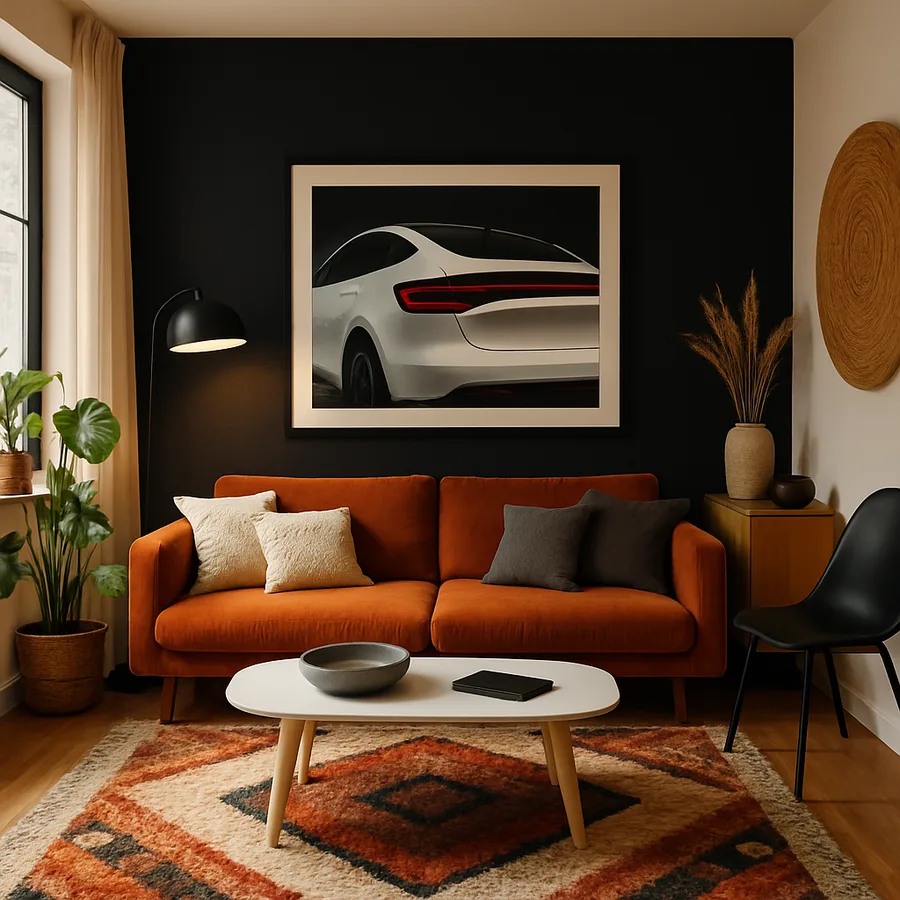
A quiet revolution is reshaping the visual language of interior design, and its origins lie in an unexpected place: the design studios of electric vehicle manufacturers. The sleek, minimalist, technology-forward aesthetic that defines contemporary electric vehicles has begun migrating from dashboards and door panels into living rooms, kitchens, and bedrooms, influencing everything from furniture profiles to material choices to the integration of digital interfaces within domestic spaces. The American Society of Interior Designers (ASID) has identified this cross-pollination between automotive and residential design as one of the most significant emerging trends in the field, noting that the design principles pioneered by EV manufacturers are resonating with homeowners who crave the same sense of innovation and forward-looking sophistication in their living environments.
This influence is not merely superficial. Electric vehicles represent a fundamental rethinking of how machines relate to their users, prioritizing clean lines over ornamental complexity, digital interfaces over mechanical controls, sustainable materials over conventional ones, and seamless integration over visible engineering. These same principles, when translated into the language of interior design, produce spaces that feel calm, intelligent, and purposeful. According to a Houzz survey on design trends, over 70% of homeowners under forty-five express a preference for interiors that incorporate technology seamlessly rather than conspicuously, a sensibility that aligns perfectly with the EV design philosophy of hiding complexity behind elegant simplicity. The future of interior design is being shaped, in part, by the vehicles parked in our garages.
This article examines how electric vehicle aesthetics are informing and transforming residential interior design across multiple dimensions. From the streamlined silhouettes of EV-inspired furniture to the ambient lighting systems borrowed from vehicle cabins, from the sustainable material innovations developed for automotive interiors to the integrated digital experiences that mirror the EV dashboard, we will explore a design movement that is still in its early stages but already producing compelling and livable results. Whether you drive an electric vehicle or simply admire the design philosophy they embody, these principles offer a fresh and exciting framework for thinking about your home's interior.
The Minimalist Line: How EV Silhouettes Translate to Furniture
Electric vehicles have liberated automotive designers from many of the constraints imposed by internal combustion engines. Without the need for large front-mounted engine compartments, complex transmission tunnels, and extensive exhaust systems, EV designers have been free to explore forms that are smoother, more aerodynamic, and less interrupted by functional protrusions than traditional vehicles. This freedom has produced vehicles with remarkably clean profiles, unbroken surfaces, flush-mounted handles, and body lines that flow from nose to tail without unnecessary interruption. The translation of these design principles into furniture is producing a generation of pieces characterized by continuous curves, hidden hardware, integrated storage, and surfaces that appear to have been sculpted from a single material rather than assembled from separate components.
The IIDA has documented a notable increase in demand for furniture that embodies what designers call "seamless construction," pieces where joints are invisible, hardware is concealed, and transitions between surfaces occur through gentle radii rather than sharp edges. Console tables with waterfall edges that curve from horizontal to vertical without visible seams, sofas with arms that flow into backs in continuous arcs, and dining chairs molded from single pieces of formed plywood or composite material all reflect this EV-inspired design language. The appeal is both visual and tactile: these pieces invite touch, reward exploration, and create a sense of precision and intentionality that mirrors the experience of sitting inside a well-designed electric vehicle. Houzz trend reports show that searches for "seamless furniture" and "minimalist design" have grown steadily, indicating broad consumer appetite for this aesthetic direction.
Proportion and scale in EV-inspired furniture tend toward the low and horizontal, echoing the stance of electric vehicles themselves, which sit lower and wider than many conventional cars due to their floor-mounted battery packs. Low-profile sofas, platform beds, horizontal media consoles, and expansive coffee tables create interiors with strong horizontal emphasis that feel grounded, stable, and contemporary. This proportional shift affects the entire spatial experience of a room, lowering the visual center of gravity and creating a sense of expansive calm that contrasts with the vertical stacking and towering profiles common in traditional furniture design. The NCIDQ standards address proportion as a fundamental design principle, and the EV-inspired shift toward horizontal emphasis represents a meaningful evolution in how residential spaces feel and function. Have you noticed how the low, wide stance of modern electric vehicles creates an impression of stability and confidence? The same principle applies to furniture design.
Ambient Lighting: Bringing the EV Cabin Experience Home
Perhaps no single design element more clearly connects electric vehicle interiors with contemporary residential design than ambient lighting. EV manufacturers have pioneered the use of subtle, programmable LED lighting integrated into door panels, dashboards, footwells, and ceiling liners to create cabin atmospheres that can shift from energizing to calming at the touch of a button or a voice command. This approach to lighting, which treats illumination as an atmospheric tool rather than merely a functional necessity, has found an enthusiastic audience in the residential design world. The ASID reports that requests for integrated ambient lighting in residential projects have surged, with designers increasingly incorporating LED strip lighting, cove lighting, and programmable color systems that allow homeowners to adjust their lighting atmosphere throughout the day.
The technical vocabulary of EV ambient lighting translates remarkably well to residential applications. Under-cabinet lighting in kitchens mirrors the footwell illumination found in vehicle cabins, providing functional task lighting while creating a floating effect that makes cabinetry appear to hover above the floor. Recessed LED strips along the junction of walls and ceilings replicate the ambient glow of vehicle headliner lighting, washing the ceiling with soft, indirect light that makes rooms feel taller and more spacious. Staircase treads illuminated with recessed LEDs echo the door sill lighting found in premium EVs, combining safety function with dramatic visual effect. According to research from the Rensselaer Polytechnic Institute's Lighting Research Center, indirect ambient lighting reduces eye strain by up to 50% compared to direct overhead sources, providing a compelling functional justification for what might otherwise seem like purely decorative installations.
Color-tunable lighting systems represent the most sophisticated translation of EV lighting philosophy into residential design. Just as many electric vehicles allow drivers to select from a spectrum of ambient cabin colors, whole-home lighting systems from manufacturers like Philips Hue, Lutron, and LIFX allow homeowners to adjust both the color temperature and hue of their lighting throughout the day. Warm, amber tones in the evening support circadian rhythm and melatonin production, while cooler, blue-enriched light during work hours promotes alertness and concentration. The IIDA recommends incorporating circadian-responsive lighting as a standard wellness feature in residential design, noting that the technology has become sufficiently affordable and user-friendly to justify inclusion in projects at every budget level. The experience of stepping from a color-tuned EV cabin into a color-tuned home creates a seamless atmospheric continuity that makes the transition from vehicle to dwelling feel effortless and unified.
Sustainable Materials Innovation: From Vehicle to Home
The electric vehicle industry has driven remarkable innovation in sustainable materials, motivated by both environmental values and the practical need to offset battery weight with lighter interior components. Materials developed for EV interiors are increasingly finding applications in residential design, bringing automotive-grade durability and sustainability credentials into the home. Recycled ocean plastic woven into seat fabrics, plant-based leather alternatives made from mushroom mycelium or pineapple leaf fiber, and carbon-fiber-reinforced recycled composites developed for vehicle interior panels are all crossing over into the residential market, offering homeowners access to materials that were previously exclusive to the automotive sector.
Vegan and plant-based leather alternatives represent one of the most visible material crossovers from EV interiors to home design. Several major EV manufacturers have committed to completely leather-free interiors, driving massive investment in alternative materials that match or exceed conventional leather's aesthetic and performance characteristics. These alternatives, which include materials derived from cactus, apple waste, corn, and mushroom mycelium, are now being adopted by furniture manufacturers and interior designers for upholstery, wall coverings, and accessories. The NCIDQ has updated its material science curriculum to include these emerging alternatives, recognizing their growing importance in professional design practice. Houzz designers report increasing client interest in vegan leather options, particularly among younger homeowners and those who have experienced these materials firsthand in their electric vehicles and been impressed by their quality and feel.
Recycled and upcycled materials from the automotive supply chain itself offer another intriguing source for residential design elements. Companies are now repurposing EV battery housings into furniture frames, transforming decommissioned vehicle glass into decorative tiles, and weaving used seat belt webbing into durable upholstery fabrics. These cross-industry material flows create a circular economy narrative that resonates powerfully with sustainability-minded homeowners. Beyond their environmental credentials, these automotive-origin materials bring a distinctive industrial character to residential interiors, a quality of precision engineering and performance-driven design that is difficult to achieve with conventional home furnishing materials. The ASID has highlighted this trend of automotive-to-residential material crossover as an example of the creative reuse strategies that will define sustainable design in coming decades, noting that the sheer volume of materials in the automotive waste stream represents an enormous untapped resource for the design industry.
The Integrated Digital Home: Lessons from the EV Dashboard
Electric vehicle dashboards have fundamentally reimagined the relationship between user and interface, replacing clusters of individual gauges, buttons, and switches with large, unified touchscreens that consolidate all vehicle functions into a single, intuitive digital surface. This integration philosophy, which simplifies the physical environment while expanding digital capability, offers a compelling model for residential interior design. The cluttered reality of most homes, with their accumulation of remote controls, wall switches, thermostats, intercoms, security panels, and standalone smart speakers, represents exactly the kind of interface fragmentation that EV designers have successfully eliminated. Applying the EV dashboard's integrative approach to home interfaces promises cleaner walls, simpler interactions, and a more coherent user experience throughout the dwelling.
Wall-mounted control panels that consolidate home automation functions into a single, elegantly designed touchscreen are the most direct residential analogue to the EV dashboard. These panels, offered by companies like Control4, Crestron, and Savant, can manage lighting, climate, security, entertainment, and EV charging from a unified interface mounted flush with the wall surface. The IIDA recommends placing these consolidated controls at strategic points within the home, typically near main entries, in kitchens, and in primary bedrooms, where they serve the same function as the EV dashboard: putting comprehensive control at your fingertips without cluttering the environment with redundant physical interfaces. The aesthetic contribution of a single, sleek control panel replacing a wall full of individual switches, thermostats, and intercoms can be transformative, bringing the clean, purposeful look of an EV cabin into the most visible surfaces of your home.
Voice control, which has become a primary interaction mode in many electric vehicles, extends naturally into the home environment and further supports the EV-inspired goal of reducing visible interface elements. When lights, temperature, music, and window treatments can all be adjusted through voice commands, the need for physical controls on walls and surfaces diminishes dramatically, freeing these surfaces to serve purely aesthetic or structural purposes. However, voice control should complement rather than entirely replace physical interfaces, as research from the ASID indicates that homeowners prefer having both options available, using voice for casual adjustments and touch for more deliberate control. The result is a layered interaction model, screen, voice, and minimal physical controls, that mirrors the multimodal approach found in the most thoughtfully designed electric vehicles. What would your walls look like if you could remove every switch, thermostat, and intercom panel and replace them with a single integrated control point?
Spatial Flow and Open Planning: The EV Approach to Space
Electric vehicle interiors have redefined spatial efficiency in automotive design, and their approach to space planning offers transferable lessons for residential interiors. Without the intrusive transmission tunnel that dominates conventional vehicle floors, EV cabins offer flat, uninterrupted floor surfaces that create a sense of spaciousness disproportionate to their actual dimensions. This emphasis on clear, usable floor area over cluttered, obstructed space translates directly into residential design through open floor plans, minimal furniture footprints, elevated storage solutions, and the elimination of unnecessary partitions and barriers. The NCIDQ standards address spatial efficiency as a core competency, and the EV industry's achievements in this area provide fresh inspiration for how residential spaces can feel larger and more functional without increasing actual square footage.
The concept of "visual lightness," objects that appear to float or occupy less visual space than their actual dimensions, is a hallmark of EV interior design that translates beautifully to residential furniture. Sofas on slender metal legs that reveal the floor beneath, wall-mounted vanities and media consoles that hover above the floor surface, and glass or acrylic tables that seem to disappear when viewed from certain angles all employ the same strategy used by EV designers to make cabins feel more spacious than they technically are. This visual lightness has practical cleaning benefits as well, as furniture that reveals the floor beneath it makes vacuuming and mopping far easier than pieces that sit directly on the surface. Houzz interior photographers consistently note that rooms furnished with visually light pieces photograph as significantly more spacious than rooms with equivalent furniture in heavy, floor-hugging profiles.
Transitional spaces in the EV-inspired home receive particular attention. Just as electric vehicles carefully design the transitions between dashboard and door panel, between seat and console, and between cabin and cargo area, EV-inspired residential design pays close attention to the thresholds between rooms, the junctions between different flooring materials, and the connections between indoor and outdoor spaces. Flush door thresholds that eliminate trip hazards and visual interruptions, continuous flooring that flows without transition strips from room to room, and floor-to-ceiling glass panels that dissolve the boundary between interior and exterior all reflect the EV design principle of seamless spatial continuity. The ASID emphasizes that these transitional details, though individually small, collectively determine whether a home feels like a unified composition or a collection of separate boxes, and the EV design philosophy strongly favors the former.
Color, Texture, and the EV Palette in Residential Spaces
Electric vehicle interiors have developed a distinctive color and material palette that departs significantly from the traditional automotive range of black, gray, and beige. While these neutral foundations remain available, EV manufacturers have introduced bold accent colors, sustainable textile options, and innovative surface treatments that bring variety and personality to their cabins without sacrificing sophistication. This expanded palette, which includes warm whites, soft vegetal greens, deep ocean blues, and terracotta accents set against backgrounds of light wood and pale composites, is increasingly appearing in residential interiors as homeowners seek to replicate the fresh, optimistic feel of their electric vehicle's cabin in their living spaces.
The EV palette tends toward what color theorists describe as "nature-technological," colors that reference natural environments but are rendered with the precision and consistency of manufactured materials. A dashboard panel in a shade of green that evokes eucalyptus leaves but is perfectly uniform in tone, a door insert in a blue that suggests ocean depths but is rendered in precisely textured recycled polyester, a headliner in a cream that references raw linen but maintains automotive-grade cleanability: these nature-technological colors feel simultaneously organic and engineered, warm yet precise. Translating this aesthetic into residential interiors involves selecting paint colors, textiles, and surfaces that achieve the same balance, colors drawn from nature but applied with the intentional consistency and crispness that distinguish designed environments from accidental ones. The IIDA color forecasting reports have noted this convergence of natural reference and technological precision as a defining characteristic of contemporary interior palettes.
Texture plays an equally important role in the EV-inspired residential palette. Electric vehicle interiors make sophisticated use of contrasting textures within a limited color range, pairing smooth, high-gloss surfaces with matte finishes, combining woven textiles with brushed metals, and juxtaposing soft-touch coatings with hard, polished elements to create visual and tactile interest without relying on color variation. This approach to texture-driven design translates beautifully to residential interiors, where a monochromatic room can feel richly layered and engaging when it incorporates diverse textures across its surfaces. A living room in warm grays, for example, might combine a velvet sofa, a matte plaster wall, a polished concrete floor, a brushed steel lamp, and a rough-woven linen curtain to create a space that is visually restful yet tactilely complex. This textural strategy reflects the EV design principle that sophistication lies in subtlety and detail rather than in bold, attention-demanding statements. Do you find that textures in your home create the same kind of layered interest you experience when touching different surfaces inside a well-designed vehicle?
Conclusion
The influence of electric vehicle aesthetics on interior design represents more than a passing trend. It reflects a deeper shift in cultural values toward sustainability, technological integration, and the kind of thoughtful minimalism that reduces complexity without sacrificing richness. As EV design continues to evolve and push boundaries in materials science, digital interface design, and spatial efficiency, the residential design world will continue to absorb and adapt these innovations, creating homes that embody the same forward-looking optimism and clean sophistication that makes stepping into an electric vehicle feel like entering the future.
The principles explored in this article, seamless construction, ambient lighting, sustainable material innovation, integrated digital interfaces, spatial efficiency, and nature-technological color palettes, provide a comprehensive framework for incorporating EV aesthetics into your home. You do not need to adopt every element to benefit from this design philosophy; even integrating one or two principles into your next renovation or furnishing project can shift the feel of a space toward the calm, intelligent, purposeful atmosphere that defines the best electric vehicle interiors. Organizations like ASID, IIDA, NCIDQ, and the design community on Houzz offer extensive resources for exploring these ideas further and connecting with professionals who specialize in technology-forward, sustainable residential design.
Consider your home as a vehicle for your daily life, a machine for living, as the architect Le Corbusier famously said. Apply the same standards of design excellence, material integrity, and user experience that you would demand from a vehicle you drive every day. The results will be spaces that not only look and feel extraordinary but that actively support the kind of mindful, sustainable, technologically empowered life that electric vehicle ownership represents. Start with one room, one wall, or one piece of furniture, and let the EV design philosophy guide your choices toward a home that is as inspiring as the future it reflects.
More Articles You May Like



Comments
Post a Comment