How AI is Revolutionizing Interior Design: Trends to Watch Right Now
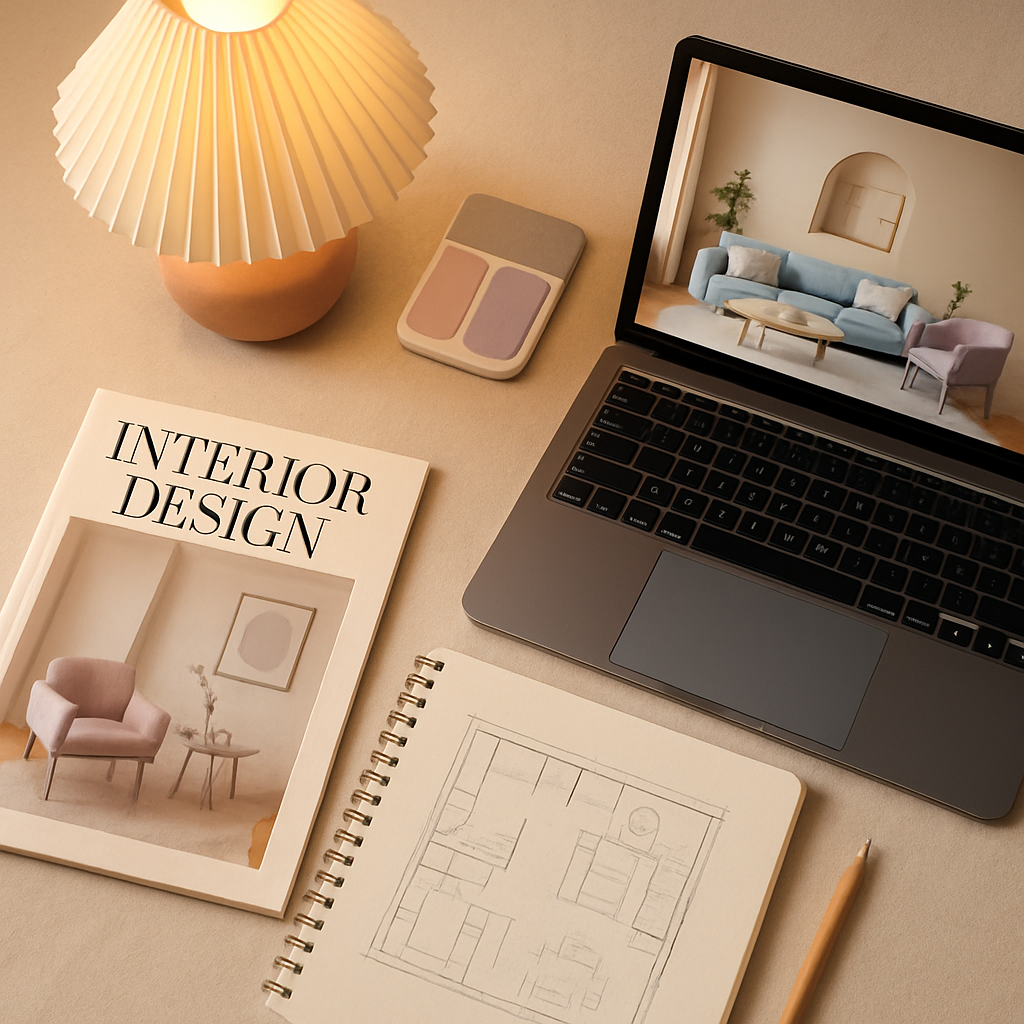
Imagine walking into a room where the lighting adjusts to your mood, the furniture pieces are perfectly tailored to your spatial needs, and every design element is aligned with your personal style, all curated by artificial intelligence (AI). This is not a distant future but an emerging reality in interior design. As AI continues to evolve, it is reshaping the landscape of interior design, offering innovative tools and trends that both professionals and homeowners can leverage. In this article, we delve into how AI is revolutionizing the field, explore foundational concepts, analyze current data, and provide actionable strategies for incorporating AI into your design projects. We'll also share expert insights on the future of AI in interior design and offer additional depth on this transformative topic.
Foundational Concepts of AI in Interior Design
Artificial intelligence in interior design is fundamentally changing how spaces are conceived and executed. At its core, AI involves using algorithms to analyze data and produce design solutions that are both innovative and functional. These algorithms can process vast amounts of information, from color trends to spatial layouts, to suggest designs that align with specific aesthetics and practical needs. For example, platforms like Modsy use AI to create virtual room designs, allowing users to visualize changes before making any physical alterations.
Another foundational concept is the use of AI in customization. AI-powered tools can tailor design elements to individual preferences and lifestyles. By analyzing data from online behavior and previous purchases, these tools can recommend furniture and decor that suit personal tastes. This level of customization was once only available through expensive, bespoke services but is now accessible to a wider audience thanks to AI.
Furthermore, AI is enhancing the efficiency of design processes. Traditionally, designing a space could take weeks or even months of back-and-forth between clients and designers. AI expedites this process by providing instant feedback and alternatives based on real-time data. This is particularly useful for professionals handling multiple projects simultaneously, as it helps streamline workflows and improve client satisfaction. As we explore further, you'll see how these foundational concepts are driving deeper innovations in the field.
Deeper Analysis: AI's Impact on Design Data and Decision-Making
AI's ability to process and analyze large datasets is a game-changer for interior designers. This capability allows for more informed decision-making based on empirical evidence rather than intuition alone. According to a report by Deloitte, AI can increase productivity in design projects by up to 40%, largely due to its data processing capabilities. This means designers can spend more time on creative aspects, confident that their decisions are backed by solid data.
One of the critical areas where AI is making a difference is in sustainability. AI tools can analyze the environmental impact of materials, suggesting sustainable alternatives that align with a project's design goals. For example, AI can recommend using recycled materials or energy-efficient lighting that not only reduces a project's carbon footprint but also appeals to the growing consumer demand for eco-friendly designs.
Moreover, AI enhances precision in design execution. Tools such as Planner 5D employ AI to generate highly accurate 3D models, allowing designers to foresee potential issues before they arise. This foresight reduces costly errors and ensures that the final design aligns with the client's vision. As we move forward, consider how data-driven insights could transform your approach to design and the potential benefits of integrating AI into your own projects.
Actionable Strategies for Implementing AI in Your Design Projects
Integrating AI into your interior design projects can seem daunting, but starting with clear strategies can ease the transition. A practical first step is to utilize AI-powered design platforms like Houzz, which offers features such as AR/VR room visualization. These tools allow you to experiment with various design elements in a virtual space, giving you the confidence to make informed decisions without the risk of costly mistakes.
Another strategy is to leverage AI for client interactions. AI chatbots and virtual assistants can handle initial client inquiries, gather requirements, and even suggest initial design concepts based on client input. This automation not only saves time but also provides clients with personalized experiences from the outset, increasing client satisfaction and engagement.
Experienced professionals often note the importance of continuous learning when integrating AI. AI technologies are rapidly evolving, so staying current with the latest advancements ensures you maximize their potential. Consider enrolling in workshops or online courses focused on AI in design technology. By doing so, you can gain a competitive edge and offer your clients cutting-edge solutions that set your services apart. As you adopt these strategies, reflect on how they can enhance your workflow and client outcomes, preparing you for the upcoming sections where we delve into expert-level details.
Expert Insights: The Future of AI in Interior Design
Industry experts predict that AI will continue to expand its influence in interior design, with several emerging trends poised to redefine the field. One such trend is the integration of smart home technologies, where AI systems manage everything from climate control to automated window treatments. These systems can be programmed to adjust settings based on user habits, enhancing both comfort and energy efficiency.
Biophilic design, which emphasizes the connection between indoors and nature, is another area where AI is making strides. AI can optimize the placement of natural elements and suggest sustainable materials that enhance the biophilic experience. For example, AI can recommend layouts that maximize natural light or integrate living walls that improve indoor air quality.
Furthermore, AI is paving the way for greater inclusivity in design. By analyzing diverse datasets, AI can help create spaces that accommodate various needs, such as accessibility for individuals with disabilities. This inclusivity aligns with a broader movement towards more equitable design practices. As these trends unfold, the potential for AI to transform interior design is vast, offering exciting possibilities for professionals and clients alike. In the next section, we'll explore additional depth on how these advancements can be practically applied.
Additional Depth: Practical Applications of AI in the Industry
The practical applications of AI in interior design are numerous and continually expanding. One significant application is AI's role in predictive design. By analyzing trends and consumer behavior, AI can forecast popular styles and suggest designs that are likely to resonate with clients in the future. This predictive capability allows designers to stay ahead of trends and offer cutting-edge solutions.
AI is also transforming procurement processes. With AI, designers can automate the sourcing of materials and furnishings, ensuring they meet specific criteria such as budget, sustainability, and style. Platforms like Ivy by Houzz offer procurement tools that streamline these processes, saving time and reducing the likelihood of human error.
Additionally, AI is enhancing collaboration among design teams. AI-powered platforms enable real-time collaboration, allowing team members to work on projects simultaneously, regardless of location. This capability is particularly beneficial for large projects requiring input from multiple stakeholders, ensuring that everyone is aligned and the project progresses smoothly. As you consider these practical applications, think about how they might enhance your projects and improve your design outcomes. The final section will provide closing perspectives on the topic.
Final Perspectives on AI's Role in Interior Design
As AI continues to evolve, its role in interior design is expected to grow, offering unprecedented opportunities for innovation and efficiency. While the technology offers many benefits, it's essential to approach its integration thoughtfully, ensuring that AI complements human creativity rather than replaces it. This balance is crucial for maintaining the artistry that is at the heart of interior design.
Looking ahead, the collaboration between AI and designers is likely to foster even more innovative solutions, pushing the boundaries of what's possible in creating functional and aesthetically pleasing spaces. As AI becomes more sophisticated, it will likely become an indispensable tool in the designer's toolkit, providing insights and capabilities that were once unimaginable.
Have you considered how AI could enhance your design projects? Reflect on the possibilities and think about how you might integrate AI tools into your workflow to stay at the forefront of the industry. As we conclude, you'll find a specific call to action to help you take the next steps in exploring AI's potential in your work.
Conclusion
In summary, AI is revolutionizing interior design by offering tools and trends that enhance creativity, efficiency, and sustainability. By understanding and implementing AI technologies, designers can deliver personalized and innovative solutions that meet the evolving demands of their clients. As you contemplate the insights shared in this article, consider how AI might fit into your projects and what steps you need to take to leverage its capabilities.
Start by exploring AI-powered platforms like Houzz or Modsy to familiarize yourself with the tools available. Spend some time experimenting with these platforms to gain a deeper understanding of how AI can support your design objectives. Whether you're a seasoned professional or new to the field, embracing AI can set you apart and elevate the quality of your work. Begin by dedicating just 20 minutes this week to researching AI tools that could transform your design process and outcomes.



Comments
Post a Comment