The Future of Interior Design: Integrating AI for Personalized Home Aesthetics
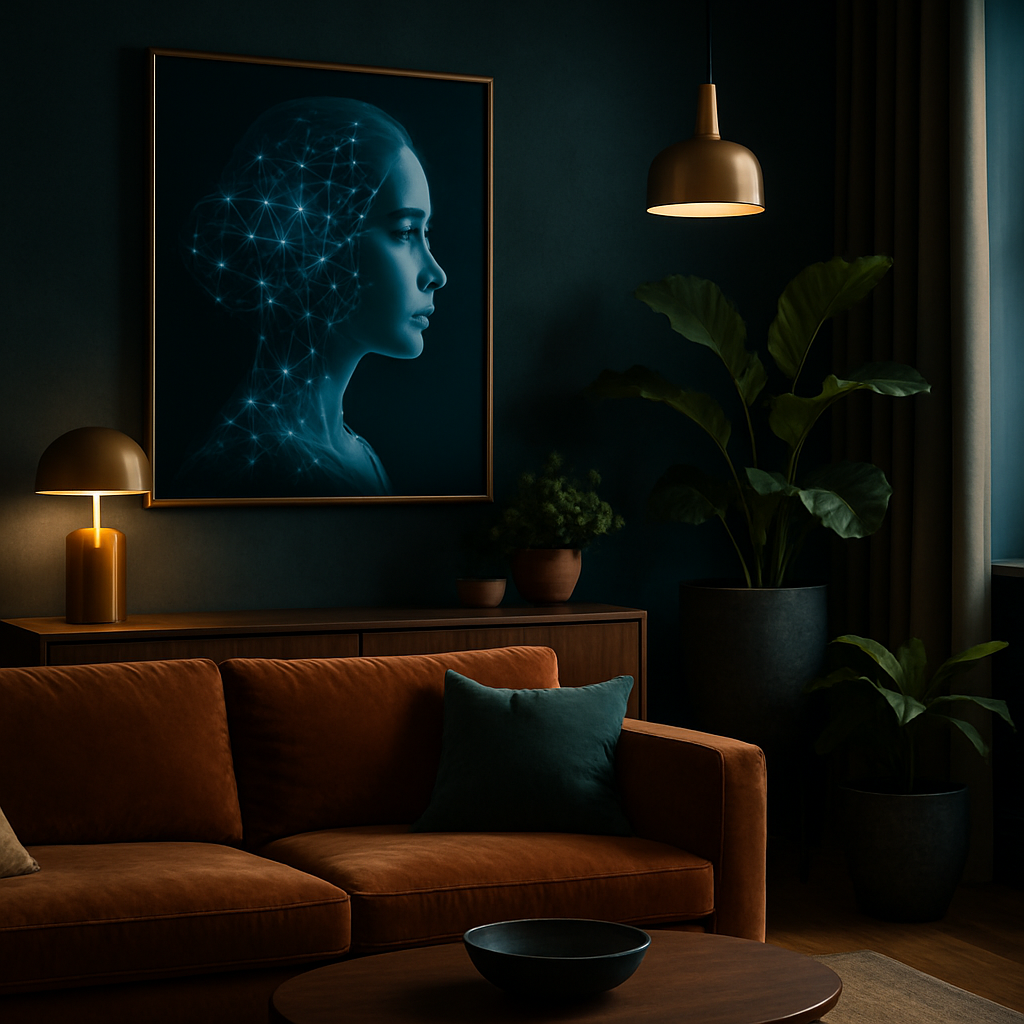
Imagine walking into a room that seems to anticipate your every need, adjusting its lighting and ambiance before you even realize what you desire. Such a scenario is not just the stuff of science fiction anymore; it's becoming a reality thanks to advancements in artificial intelligence (AI) technology within the realm of interior design. As AI continues to revolutionize numerous industries, its integration into interior design promises to tailor our living spaces to our unique preferences and lifestyles. This article explores how AI is poised to transform interior design, offering personalized aesthetics that cater to individual tastes. We will delve into foundational concepts, explore data-driven insights, share actionable strategies for implementing AI, and provide expert-level details on this emerging trend. Finally, we'll wrap up with additional insights and conclude with a call to action for those eager to embrace the future of home design.
Understanding AI in Interior Design
At its core, AI in interior design leverages algorithms and machine learning to analyze data, predict trends, and personalize aesthetics. These technologies allow designers to create spaces that are not only functional but also align with the personal preferences of homeowners. One of the primary applications of AI is in designing smart homes, where systems can learn from occupants' habits and adjust the environment accordingly. This can include everything from lighting and temperature control to suggesting furniture arrangements that optimize space and flow.
According to the American Society of Interior Designers (ASID), incorporating AI in design contributes to both efficiency and creativity. By analyzing vast amounts of data, AI can detect patterns and preferences that humans might overlook. This capability is particularly valuable in the concept development phase, where designers can use AI tools to generate innovative ideas and solutions tailored to specific needs. Are you ready to see your home evolve with your lifestyle?
Another significant aspect of AI integration is augmented reality (AR) and virtual reality (VR) technologies, which allow clients to visualize changes in real-time. Platforms like Houzz are already employing these technologies to help customers preview potential designs, making the decision-making process more informed and less daunting. This not only enhances client satisfaction but also streamlines the design process, reducing costly revisions.
The Data-Driven Transformation of Design
Incorporating AI into interior design is not merely about automating tasks; it's about leveraging data to drive insightful decisions. Industry surveys suggest that homes with well-designed interiors can yield a 5-15% higher resale value. This statistic underscores the importance of making informed design choices that not only meet aesthetic desires but also add tangible value to a property. AI tools can analyze market trends, helping designers and homeowners make decisions that are both stylish and financially sound.
According to research conducted by the International Interior Design Association (IIDA), more than 60% of designers are now using AI tools to enhance their work. This adoption is driven by the need to provide personalized experiences that resonate with clients on a deeper level. By analyzing data from social media platforms like Instagram and Pinterest, AI can identify trending styles and predict which aesthetics will gain popularity, allowing designers to stay ahead of the curve.
Furthermore, AI's ability to process and analyze data quickly means that designers can offer bespoke solutions at a fraction of the time it would take manually. This efficiency not only benefits designers but also translates to cost savings for clients. The use of AI in procurement and installation phases ensures that projects are completed on time and within budget, minimizing the risk of unexpected expenses or delays.
Implementing AI: Strategies for Designers and Homeowners
For those eager to integrate AI into their home design projects, there are several practical strategies to consider. First, identify the specific areas where AI can add the most value. For example, smart lighting systems can be programmed to adjust based on the time of day or user preference, creating a dynamic environment that enhances both functionality and mood. Similarly, AI-driven climate control systems can optimize energy use and improve comfort.
Experienced professionals often note that starting with a clear understanding of your design goals is crucial. Whether you're aiming for a complete home transformation or a subtle refresh, setting clear objectives will help guide the integration of AI technologies. Tools like AR room visualization can help refine these goals by providing a tangible preview of proposed changes. Have you considered how these technologies could transform your space?
Collaboration with certified interior designers-those holding credentials like the NCIDQ (National Council for Interior Design Qualification) or ASID-is another effective strategy. These professionals have the expertise to incorporate AI efficiently and creatively. They can navigate the complexities of integrating technology into design, ensuring that the final outcome aligns with your vision while maximizing the benefits of AI.
Expert Insights on AI and Interior Design
Industry experts agree that the integration of AI in interior design is not merely a trend but a fundamental shift in how spaces are conceptualized and realized. The Architectural Digest's AD PRO network highlights that AI is enabling designers to push the boundaries of creativity while maintaining a focus on personalization. By using data to drive design decisions, AI empowers designers to create environments that are both aesthetically pleasing and deeply personalized.
One growing trend within this space is the use of smart home integration to enhance biophilic design principles. By incorporating natural elements into interior spaces with the help of AI, designers can create environments that promote well-being and connect occupants to nature. This approach is particularly popular in urban settings, where access to natural landscapes may be limited.
Moreover, AI is playing a crucial role in the sustainable design movement. By analyzing the lifecycle of materials and their environmental impact, AI can help designers make informed choices that align with eco-friendly principles. This is crucial in an era where sustainability is not just a consideration but a necessity. Are you ready to embrace a more sustainable home design?
Diving Deeper: The Role of AI in Advanced Design Projects
For large-scale projects, the role of AI becomes even more pronounced. In full-home redesigns, where budgets range from $50,000 to $150,000+, the stakes are high, and the potential for AI to add value is significant. AI can assist in every phase of a project, from concept development to styling, ensuring that each decision is data-driven and strategically aligned with the homeowner's vision.
One innovative application is the use of AI in procurement, where algorithms can predict price fluctuations of materials and suggest the best time to purchase. This level of insight can lead to substantial cost savings and ensure that projects remain within budget. Additionally, AI can manage logistics, tracking shipments and coordinating installations to streamline the process.
As AI continues to evolve, its capabilities within the realm of interior design will expand. Designers and homeowners alike stand to benefit from these advancements as AI becomes an integral tool in crafting spaces that are not only beautiful but also smart and responsive to the needs of their occupants. Transitioning to the final section, let's consider the broader implications of these trends for the future of the industry.
Looking Ahead: The Future of AI in Interior Design
As we look to the future, the role of AI in interior design is set to grow exponentially. The potential for AI to create personalized home aesthetics that evolve with our needs and preferences is vast. It promises a future where our living spaces are not just reflective of our tastes but are active participants in our daily lives, adapting in real-time to enhance our comfort and convenience.
However, with these advancements come challenges. Designers must navigate issues related to privacy and data security, ensuring that AI systems respect user privacy while delivering personalized experiences. Additionally, there is a need for ongoing education and adaptation as new technologies emerge and evolve.
The integration of AI in interior design is not just a technological advancement; it's a cultural shift that redefines our relationship with our living spaces. As we embrace these changes, the possibilities for innovation and personalization are truly limitless.
Conclusion: Embracing AI for a New Era of Personalized Design
The integration of AI into interior design marks a new era of innovation and personalization. By leveraging data-driven insights, designers can create spaces that are not only aesthetically pleasing but also deeply personalized to individual preferences. As AI continues to evolve, its role in shaping our living environments will only expand, offering endless possibilities for creating homes that are smart, sustainable, and tailored to our unique lifestyles.
If you're ready to explore the potential of AI in your own home, start by browsing designer portfolios on platforms like Houzz this week. Even 20 minutes of research can sharpen your eye for what you want and help you envision the possibilities AI can bring to your space. Embrace the future of interior design and discover how AI can transform your living environment into a personalized haven.



Comments
Post a Comment