The Art of Interior Design: Understanding Its Importance and Impact on Lifestyle
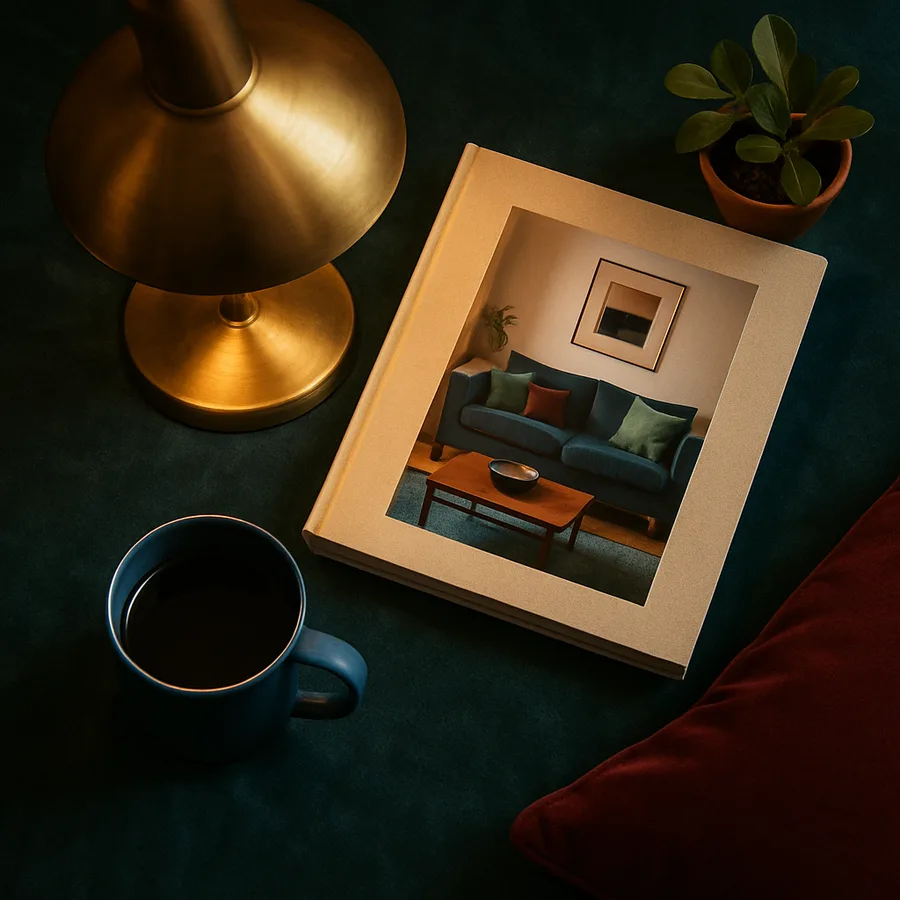
Interior design is far more than the arrangement of furniture and the selection of color palettes. It is a discipline that shapes the very quality of human experience within the built environment, influencing how we feel, think, work, rest, and interact with one another. The spaces we inhabit are not passive backdrops to our lives but active participants in them, quietly guiding our moods, behaviors, and even our physical health in ways both obvious and subtle. Understanding this profound connection between design and lifestyle reveals why thoughtful interior design deserves serious attention from anyone who cares about living well.
The recognition of interior design as a legitimate and consequential profession has grown steadily over recent decades. Organizations such as the American Society of Interior Designers (ASID) and the International Interior Design Association (IIDA) have worked to establish rigorous professional standards, educational requirements, and ethical frameworks that elevate the practice beyond mere decoration. Today, qualified interior designers hold credentials verified by the National Council for Interior Design Qualification (NCIDQ), demonstrating mastery of building codes, spatial planning, material science, and human factors that together form the foundation of impactful design.
The Psychological Dimension of Designed Spaces
The relationship between interior environments and psychological well-being is one of the most extensively studied areas within environmental psychology. Research consistently demonstrates that the physical characteristics of interior spaces, including color, lighting, spatial proportions, and material textures, exert measurable influence on occupant mood, stress levels, and cognitive performance. This body of evidence transforms interior design from a purely aesthetic pursuit into a practice with genuine therapeutic potential.
Color psychology, while sometimes oversimplified in popular culture, has a substantial evidence base supporting its core principles. Cool blues and greens tend to lower heart rate and promote feelings of calm, making them effective choices for bedrooms and relaxation spaces. Warm yellows and oranges stimulate alertness and social interaction, qualities desirable in kitchens and dining areas. A study published in the Journal of Environmental Psychology found that participants working in rooms painted in preferred colors reported 15 percent higher satisfaction scores and demonstrated measurably better performance on creative tasks compared to those in neutral environments.
Spatial proportions communicate powerfully on a subconscious level. High ceilings promote abstract thinking and feelings of freedom, while lower ceilings encourage focused attention and intimacy. The width of corridors, the scale of furniture relative to room dimensions, and the balance between open space and enclosed areas all contribute to the psychological character of an environment. Professional designers trained through NCIDQ-accredited programs develop an intuitive understanding of these spatial dynamics, enabling them to shape the emotional experience of a room as deliberately as they choose its furnishings.
Have you ever noticed how certain rooms make you feel energized while others invite you to slow down? These responses are not random. They are the predictable results of design decisions about light, color, scale, and material that interact with your perceptual system in consistent and well-understood ways. Recognizing this connection empowers you to become an active participant in shaping the psychological quality of your own living spaces rather than a passive recipient of whatever feelings they happen to generate.
How Design Influences Physical Health and Well-Being
The physical health implications of interior design extend far beyond the commonly discussed topic of indoor air quality, though that remains critically important. Ergonomic design, the science of fitting environments to human bodies, plays a central role in preventing chronic pain, repetitive strain injuries, and postural problems that affect millions of people who spend their days in poorly designed spaces. From the height of kitchen countertops to the depth of sofa seats, from the positioning of computer monitors to the firmness of mattress support, ergonomic considerations pervade every room of a well-designed home.
Lighting design has profound implications for physical health that are only now beginning to receive the attention they deserve. The human circadian rhythm, the internal clock that regulates sleep-wake cycles, hormone production, and metabolic processes, is powerfully influenced by the spectrum and intensity of light exposure throughout the day. Spaces designed with circadian-appropriate lighting, cooler and brighter in the morning, warmer and dimmer in the evening, support healthy sleep patterns and hormonal balance. The ASID Wellness in Design initiative has published guidelines for residential lighting design that specifically address circadian health, representing one of the most promising intersections of design knowledge and medical science.
Acoustic design, often overlooked in residential contexts, significantly affects both physical and mental health. Chronic exposure to unwanted noise, whether from external traffic, neighboring units, or even the mechanical systems of one own home, elevates cortisol levels, disrupts sleep, and has been linked to increased cardiovascular risk in longitudinal studies. Thoughtful material selection, including soft furnishings that absorb sound, acoustic panels disguised as decorative elements, and proper window treatments, can dramatically reduce unwanted noise and create the acoustic calm that human nervous systems require for genuine rest and recovery.
The World Health Organization has classified indoor air pollution as one of the top five environmental health risks, with poor indoor air quality linked to respiratory disease, allergic reactions, headaches, and fatigue. Interior design decisions directly affect this risk: the choice of flooring, paint, furniture, and cleaning products determines the chemical composition of the air inside a home. Designers who understand and prioritize material health create spaces that actively protect their occupants rather than silently exposing them to preventable health hazards.
Productivity and the Design of Living Spaces
The relationship between environment and productivity has been studied extensively in commercial settings, but its implications for residential design are equally significant, particularly as remote work transforms how millions of people use their homes. A well-designed home office can rival or exceed the productivity of a commercial workspace, while a poorly designed one can undermine focus, creativity, and professional performance. The principles that govern productive workspace design, adequate lighting, ergonomic furniture, visual order, and acoustic privacy, apply with full force to the home environment.
Clutter exerts a measurable toll on cognitive function. Research from the Princeton Neuroscience Institute demonstrated that visual clutter in the immediate environment competes for attention, reducing the brain ability to process information and increasing the mental effort required to complete tasks. This finding has direct design implications: adequate storage, organized systems, and clean sightlines are not merely aesthetic preferences but functional requirements for spaces where focused work occurs. Built-in cabinetry, concealed storage solutions, and designated zones for different activities help maintain the visual order that supports productive engagement.
Natural light is perhaps the single most important environmental factor for productivity. Studies conducted by the IIDA in partnership with major commercial design firms have consistently shown that workers with access to natural daylight report higher energy levels, better sleep quality, and greater overall job satisfaction than those in artificially lit environments. Translating this finding to residential design means prioritizing window access, using light-colored surfaces that reflect daylight deeper into rooms, and minimizing obstructions that block natural illumination from reaching work and living areas.
Do you find it difficult to concentrate when working from home? Before blaming willpower or motivation, consider whether your physical environment might be the culprit. Simple design adjustments, repositioning your desk to face natural light, adding a bookshelf to organize visual clutter, or introducing a small plant that refreshes both the air and your visual field, can produce surprising improvements in focus and output.
Social Dynamics and the Design of Shared Spaces
Interior design shapes social interaction patterns with remarkable precision. The arrangement of furniture, the creation of distinct zones within open-plan spaces, and the design of transition areas between rooms all influence how household members and guests interact, congregate, and find privacy. Understanding these spatial dynamics allows designers to create homes that support healthy social functioning, balancing togetherness with solitude in proportions that suit the specific needs of each household.
The kitchen has long been recognized as the social heart of the home, and its design reflects this role. The open kitchen concept, which eliminates walls separating cooking from dining and living areas, encourages interaction between the person preparing food and others in the household. Island countertops with seating create casual gathering points that invite conversation. The design of these spaces acknowledges a fundamental truth about human social behavior: we gather around food preparation and consumption, and the spaces that facilitate this gathering strengthen household bonds.
Conversely, thoughtful design also provides for solitude and privacy, needs that are just as real and important as the need for social connection. Reading nooks, private studies, and bedroom retreats designed as genuine sanctuaries allow household members to withdraw and recharge without leaving home. The NCIDQ examination framework includes assessment of designers ability to balance communal and private spaces within residential floor plans, recognizing that both dimensions of social functioning require intentional design support.
The Houzz community regularly highlights design solutions that address the challenge of multi-generational and multi-functional living. As more households accommodate extended family members, remote workers, and home-schooled children simultaneously, the demand for spaces that serve multiple purposes without sacrificing the quality of any single use has intensified. Flexible furniture systems, movable partitions, and acoustic treatments that create zones of privacy within open layouts represent design responses to the evolving social complexity of modern home life.
Cultural Identity and Personal Expression Through Design
A home is among the most powerful instruments of personal and cultural expression available to an individual. The objects we display, the colors we choose, the materials we favor, and the spatial arrangements we create all communicate something about who we are, where we come from, and what we value. Interior design provides the language through which this communication occurs, and understanding that language enables more intentional and authentic self-expression.
Cultural heritage frequently informs design choices in ways both conscious and unconscious. The textures, patterns, colors, and spatial organizations that feel like home to us are often rooted in the environments of our childhood and the broader cultural traditions from which we emerge. A person raised in a Mediterranean climate may gravitate toward terracotta tones, tile surfaces, and indoor-outdoor flow, while someone from a Nordic background might instinctively prefer pale woods, soft textiles, and warm enclosure. Recognizing these cultural influences helps us understand our preferences and work with them rather than against them.
Personal collections and meaningful objects play a vital role in transforming a designed space into a true home. Art, books, travel souvenirs, family photographs, and inherited furnishings embed personal history into the physical environment, creating layers of meaning that generic catalog furniture cannot provide. The skill lies in displaying these items with intention, curating rather than cluttering, so that each piece receives the visual attention it deserves. IIDA design professionals often cite the integration of personal collections as one of the most rewarding aspects of residential project work, the moment when a beautifully designed space becomes unmistakably someone home.
According to a Houzz survey of homeowners who completed major renovations, 78 percent reported that their redesigned homes better reflected their personal identity, and this alignment between self and space correlated strongly with overall life satisfaction. This statistic underscores a fundamental insight: interior design matters not because of any superficial concern with appearances but because of the deep human need to inhabit spaces that resonate with who we are.
Embracing Interior Design as a Pathway to Better Living
The evidence is clear: interior design profoundly influences psychological health, physical well-being, productivity, social dynamics, and personal fulfillment. Far from being a luxury reserved for the privileged few, thoughtful design is accessible to anyone willing to approach their living spaces with intention and awareness. You do not need an unlimited budget or a professional designer on retainer to begin improving the quality of your built environment, though both can certainly help.
Start by observing your current spaces with fresh attention. Which rooms do you gravitate toward, and which do you avoid? What frustrations do you experience repeatedly, a dark corner that depresses you, a cluttered surface that generates low-grade anxiety, a chair that leaves your back aching? These observations identify your highest-priority opportunities for improvement and provide the starting point for changes that will meaningfully enhance your daily experience.
Educate yourself through the wealth of resources available from professional organizations. The ASID and IIDA websites offer galleries, articles, and designer directories that can inspire and guide your efforts. For those ready to invest in professional support, seeking out NCIDQ-certified designers ensures that you are working with someone whose knowledge encompasses not just aesthetics but the full spectrum of health, safety, and functional considerations that distinguish genuine interior design from surface-level decoration.
Take that first step today. Rearrange a room. Change a light bulb to a warmer temperature. Add a plant to your desk. Remove an object that no longer brings you joy. Each of these small actions is an act of design, a deliberate choice to shape your environment in service of your well-being. Accumulated over weeks and months, these choices transform houses into homes and rooms into sanctuaries. The art of interior design is, ultimately, the art of living well, and it is available to everyone willing to practice it.
More Articles You May Like



Comments
Post a Comment