Understanding Interior Design: The Art and Science Behind Beautiful Spaces
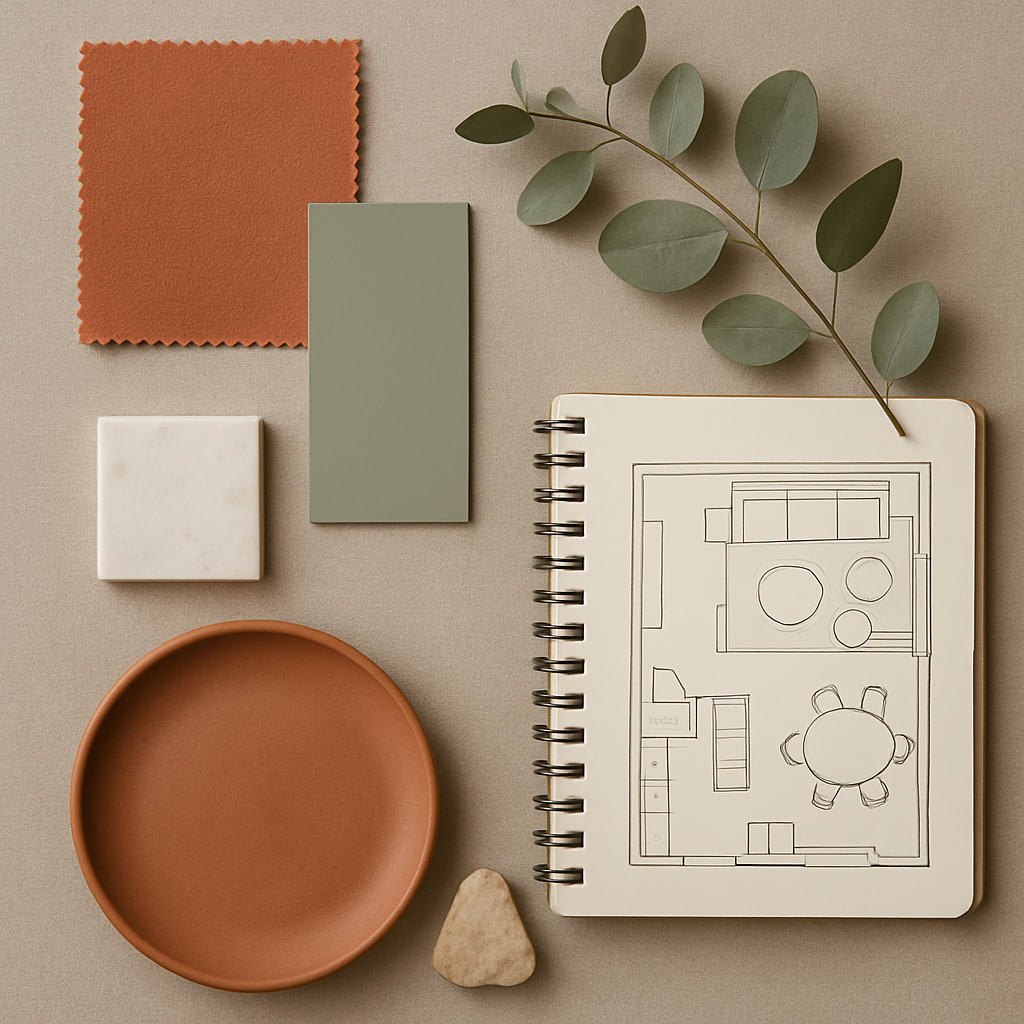
Interior design occupies a fascinating intersection between artistic expression and rigorous technical discipline, blending creative vision with knowledge of building codes, materials science, human psychology, and spatial engineering. A beautifully designed room may appear effortless to the casual observer, but beneath that seamless surface lies a complex web of decisions informed by principles of proportion, color theory, lighting physics, ergonomics, and environmental psychology. Professional interior designers spend years mastering both the intuitive and analytical dimensions of their craft, learning to trust their aesthetic instincts while grounding every decision in functional logic and evidence-based practice. The result is spaces that do not merely look good in photographs but actively support the physical comfort, emotional well-being, and daily productivity of the people who inhabit them. Have you ever wondered why certain rooms make you feel instantly relaxed while others create a subtle sense of unease that you cannot quite explain? The answers lie in the foundational principles that this guide will explore, revealing the hidden architecture of beauty that distinguishes truly great interior design from mere decoration.
The Principles of Spatial Planning and Proportion
Spatial planning is the structural backbone of interior design, determining how rooms are organized, how people move through them, and how effectively each square foot serves its intended purpose. Before a single piece of furniture is selected or a paint color chosen, professional designers analyze floor plans to identify circulation paths, establish functional zones, and ensure that the proportional relationships between elements create a sense of visual harmony and physical comfort. The American Society of Interior Designers (ASID) identifies spatial planning as the foundational competency that distinguishes interior designers from decorators, emphasizing that effective space planning requires knowledge of building codes, accessibility standards, and human factors engineering. A well-planned room feels intuitive to navigate, with furniture arrangements that encourage desired activities, clear pathways between zones, and sufficient open space to prevent the claustrophobic sensation that overfurnished rooms produce. The principles of proportion, derived from mathematical relationships studied since antiquity, guide designers in selecting furniture scales, determining ceiling-to-room ratios, and establishing the visual weight distribution that makes a space feel balanced.
The golden ratio, approximately 1.618 to 1, appears throughout nature and has been applied to architectural and interior proportions for centuries, and its continued relevance in contemporary design speaks to its deep alignment with human perceptual preferences. Interior designers apply proportional thinking at every scale, from the relationship between a sofa's length and the wall behind it to the height of a pendant light relative to the table below and the ceiling above. A room where these proportional relationships are carefully calibrated feels instinctively right, even to observers who lack any formal design training, because the human brain is wired to recognize and respond positively to harmonic proportions. Conversely, a space where proportions are mismanaged, such as a tiny dining table in a cavernous room or an oversized sectional crowding a modest living area, creates a persistent sense of visual discomfort that no amount of decorative accessories can resolve. Understanding these principles helps homeowners evaluate design proposals more critically and appreciate why a professional designer may reject a furniture piece that looks wonderful in isolation but would throw off the spatial balance of the room.
Functional zoning within open-plan living spaces presents one of the most challenging spatial planning problems in contemporary residential design, requiring designers to create distinct activity areas without the benefit of walls and doors. Successful open-plan design uses furniture placement, area rugs, lighting changes, ceiling treatments, and subtle floor-level transitions to define cooking, dining, lounging, and working zones that feel both connected and distinct. The IIDA has published extensive research on open-plan design effectiveness, finding that the most successful open layouts maintain clear visual and functional boundaries between zones while preserving the spatial generosity and social connectivity that motivated the open concept in the first place. How does the flow between activities work in your own home, and are there areas where unclear spatial boundaries create friction or confusion in your daily routines? Analyzing your current space through the lens of functional zoning often reveals surprisingly simple interventions, like repositioning a bookcase or adding an area rug, that dramatically improve both the function and the feel of a room.
Color Theory and Its Psychological Impact
Color is arguably the most emotionally powerful tool in an interior designer's repertoire, capable of transforming the mood, perceived size, and psychological temperature of a space with a single strategic application. The science of color theory provides a systematic framework for understanding how colors interact with one another, how they are affected by light conditions, and how they influence human emotion and behavior at both conscious and subconscious levels. Interior designers working at the highest level understand that a color is never just a color in isolation; it is a relationship defined by its surroundings, its undertones, the quality and direction of light hitting it, and the associations it carries in the viewer's cultural and personal experience. Research in environmental psychology has demonstrated that warm colors like reds, oranges, and yellows tend to increase perceived room temperature and stimulate social interaction, while cool colors like blues, greens, and purples promote calm, concentration, and a sense of spatial expansion. A study published in the Journal of Environmental Psychology found that room color significantly influences occupants' perception of time, with warm-colored rooms making time feel shorter and cool-colored rooms making it feel longer.
The practical application of color theory in residential design extends far beyond choosing a wall paint color, encompassing the entire chromatic environment from flooring and cabinetry through textiles, artwork, and decorative objects. Professional designers develop comprehensive color strategies that establish a dominant palette for the home, creating cohesion across rooms while allowing individual spaces to express distinct moods within the overarching scheme. The 60-30-10 rule provides a useful starting framework, suggesting that a room's dominant color should cover approximately 60 percent of visual surface area, a secondary color should account for 30 percent, and an accent color should comprise the remaining 10 percent. This proportional approach prevents visual monotony while maintaining enough consistency to feel intentional and composed rather than chaotic. Designers affiliated with the NCIDQ demonstrate competency in specifying colors using standardized systems like Munsell or Pantone, ensuring precise communication with painters, fabricators, and manufacturers and eliminating the ambiguity that arises from relying on subjective color names alone.
Natural and artificial lighting conditions profoundly affect how colors appear in interior spaces, and a color selection made under showroom fluorescent lighting may look dramatically different when installed in a north-facing room with limited natural light. Professional designers test color samples in the actual space where they will be applied, observing how they shift across different times of day and under the specific artificial lighting fixtures planned for the room. North-facing rooms receive cooler, indirect light that can make warm colors appear muted and cool colors appear more intense, while south-facing rooms enjoy warmer, more generous light that enhances warm tones and can overwhelm delicate cool palettes. What time of day do you spend the most time in each room of your home, and have you observed how the light changes the appearance of colors in those spaces throughout the day? This observational exercise builds color awareness that enhances every design decision you make, whether working independently or in collaboration with a professional designer. The current movement toward biophilic design has influenced color trends significantly, shifting palettes toward nature-derived hues including sage greens, terracotta, clay, ocean blue, and sun-bleached neutrals that connect interior environments to the natural world.
Materials Science: Choosing Surfaces That Perform and Delight
The selection of materials for interior surfaces, from flooring and countertops to wall finishes and upholstery fabrics, represents one of the most consequential intersections of art and science in the design process. Every material carries both aesthetic qualities that influence the visual and tactile character of a space and performance characteristics that determine its durability, maintenance requirements, environmental impact, and suitability for specific applications. Professional interior designers maintain deep knowledge of materials science, understanding how different stones wear under foot traffic, how various wood species respond to humidity fluctuations, how fabric fiber content affects cleanability and longevity, and how finish treatments alter both appearance and performance over time. The quiet luxury movement in interior design has intensified attention to material quality, with discerning clients and designers seeking surfaces that develop beautiful patina through use rather than deteriorating, reflecting a preference for authentic materials that tell a story over manufactured alternatives that merely simulate their appearance.
Natural stone, solid wood, natural fiber textiles, metal, glass, and ceramic each bring distinct sensory qualities to an interior environment, and the interplay between these materials creates the tactile richness that distinguishes a designed space from a merely furnished one. Marble conveys cool elegance and geological grandeur but requires sealing and is vulnerable to acidic substances, making it a beautiful but demanding choice for kitchen countertops. Engineered quartz offers comparable visual appeal with superior stain and scratch resistance, representing a science-driven solution to a practical design problem. Hardwood flooring provides warmth, acoustic softness, and the ability to be refinished multiple times over its long lifespan, while luxury vinyl plank flooring offers remarkable visual replication at lower cost with superior water resistance. AD PRO regularly publishes materials comparison guides that help both designers and homeowners navigate these trade-offs with current pricing and performance data. The key principle underlying all material selections is that informed choices require understanding both what a material offers aesthetically and what it demands practically, ensuring that beauty and function are aligned from the moment of installation forward.
Sustainability considerations have become an increasingly important dimension of materials selection, with both designers and homeowners seeking products that minimize environmental impact without compromising performance or visual quality. Reclaimed wood, recycled glass, bio-based composites, rapidly renewable materials like bamboo and cork, and products carrying certifications from organizations like the Forest Stewardship Council represent a growing segment of the materials palette available to interior designers. The ASID has developed sustainability assessment frameworks that help designers evaluate materials across multiple environmental criteria including embodied energy, transportation distance, recyclability, indoor air quality impact, and end-of-life disposal options. How much do you know about the origin, composition, and environmental footprint of the materials currently in your home, and would that knowledge influence your choices for future projects? Developing materials literacy empowers homeowners to ask better questions, evaluate designer recommendations more critically, and make selections that align with both their aesthetic preferences and their values regarding environmental stewardship and healthy indoor living.
Lighting Design: The Invisible Architecture of Atmosphere
Lighting is frequently described as the most underappreciated element of interior design, yet it profoundly shapes how every other design decision is perceived, experienced, and enjoyed by the people who inhabit the space. Professional lighting design operates across three fundamental layers: ambient lighting that provides overall illumination and establishes baseline brightness, task lighting that supports specific activities like reading, cooking, and grooming, and accent lighting that highlights architectural features, artwork, and decorative elements to create visual depth and drama. The IIDA emphasizes that thoughtful lighting design is essential for creating environments that support health, productivity, and emotional well-being, noting that research into circadian lighting has transformed how designers approach residential illumination. Smart home technology has dramatically expanded the possibilities for dynamic lighting environments, with systems capable of adjusting color temperature from warm candlelight tones in the evening to energizing daylight-spectrum illumination in the morning, supporting natural circadian rhythms and enhancing sleep quality.
The interplay between natural and artificial light defines the character of interior spaces across the full cycle of each day, and designers who master this interplay create rooms that feel alive and responsive rather than static and flat. Window placement, glazing specifications, and treatment selections control how natural light enters and moves through a space, creating shifting patterns of illumination and shadow that connect the interior to the passage of time and the changing seasons outdoors. North-facing rooms benefit from consistent, even light that is ideal for art studios and offices but may feel cool and dim without supplemental warm artificial lighting. South-facing rooms receive abundant warm light that can be both energizing and challenging, requiring shading strategies that manage heat gain and glare while preserving the psychological benefits of generous daylight. Approximately 47 percent of residential energy consumption is attributed to lighting and climate control, according to the U.S. Department of Energy, making lighting efficiency not only a design consideration but a significant financial and environmental one. Interior designers trained in lighting specification can reduce energy consumption substantially while improving visual comfort, demonstrating that the art and science of lighting serve identical goals.
Creating a comprehensive lighting plan for your home involves mapping the activities that occur in each space, identifying the quality and quantity of light each activity requires, and selecting fixtures and control systems that deliver appropriate illumination with aesthetic coherence. Kitchen environments, for instance, require bright, shadow-free task lighting over work surfaces, warm ambient lighting for dining areas, and accent lighting inside glass-fronted cabinets or beneath countertop overhangs that adds depth and visual interest. Living rooms benefit from multiple independently controlled lighting circuits that allow transitions from bright, social illumination for entertaining to soft, intimate ambiance for quiet evenings. Bedroom lighting should emphasize warm color temperatures and individual reading lights that allow one occupant to read while the other sleeps, with blackout capability for optimal sleep conditions. What aspects of the lighting in your current home frustrate you most, and have you considered whether those frustrations stem from insufficient quantity, poor quality, or simply the wrong type of light for the activities you perform in those spaces? A professional lighting audit of your home, often available as a standalone service from designers who specialize in this area, can reveal opportunities for improvement that transform your experience of familiar rooms.
The Psychology of Space: How Design Affects Well-Being
Environmental psychology, the scientific study of how physical surroundings influence human thought, feeling, and behavior, provides interior designers with an evidence base that elevates their practice from purely aesthetic decision-making to outcomes-oriented design for human well-being. Research in this field has demonstrated that spatial characteristics including ceiling height, room shape, window size, color palette, material texture, acoustic properties, and air quality measurably affect cognitive performance, emotional regulation, social behavior, and even physical health indicators like blood pressure and cortisol levels. Interior designers who integrate psychological research into their practice create spaces that not only look beautiful but actively promote the specific outcomes their clients desire, whether that is improved focus in a home office, deeper relaxation in a bedroom, or more engaging social interaction in a living room. The Japandi aesthetic, with its emphasis on calm, order, and natural materials, reflects psychological principles that have been validated by decades of research into restorative environments and stress reduction through spatial design.
Prospect-refuge theory, one of the most influential frameworks in environmental psychology, suggests that humans feel most comfortable in spaces that offer both a broad view of their surroundings and a sense of protected enclosure, echoing the evolutionary advantage of locations that allowed our ancestors to survey for threats while remaining sheltered from danger. Interior designers apply this principle by creating seating areas that are positioned against walls or in corners with clear sightlines toward room entrances and windows, rather than placing furniture in exposed, unanchored positions that trigger subtle but persistent feelings of vulnerability. The Houzz community has embraced design strategies rooted in prospect-refuge theory, with popular room layouts consistently featuring anchor seating against solid walls with open views across living spaces. Similarly, biophilic design principles translate the innate human affinity for nature into specific design interventions, including indoor plants, natural materials, water features, and nature-inspired patterns, that reduce stress and restore cognitive resources in measurable ways.
Acoustic design represents another dimension of spatial psychology that profoundly affects comfort and well-being but receives far less attention than visual aesthetics in most residential design conversations. Hard surfaces like glass, stone, tile, and hardwood flooring reflect sound waves, creating environments where noise reverberates and accumulates, leading to conversational difficulty, listening fatigue, and a persistent sense of sensory stimulation that undermines relaxation. Soft materials including upholstered furniture, textile wall hangings, curtains, and area rugs absorb sound energy, dampening reverberation and creating the acoustic warmth that makes a room feel comfortable for extended occupation. Designers working on open-plan spaces face particular acoustic challenges, as cooking noise, television audio, and conversation can bleed freely between zones without the natural sound barriers that walls and doors provide. How would you describe the acoustic character of the rooms in your home, and have you noticed how noise levels affect your ability to concentrate, relax, or enjoy conversation? Addressing acoustic quality through strategic material selection and furniture placement is one of the most impactful yet least recognized improvements a designer can make to residential comfort.
Conclusion
Interior design, when practiced with full command of both its artistic and scientific dimensions, creates environments that nourish every aspect of human experience within the home. The principles explored in this guide, from spatial planning and proportion through color psychology, materials science, lighting design, and environmental psychology, represent the foundational knowledge that separates thoughtful, effective design from superficial decoration. Understanding these principles does not replace the need for professional expertise, as the skill of integrating multiple complex factors into a cohesive, beautiful, and functional whole requires years of training and practice. Rather, this understanding empowers you to be a more informed participant in the design process, to ask better questions of the professionals you engage, and to appreciate the depth of thought that underlies every well-designed space. Consider consulting with a credentialed professional through the ASID, IIDA, or NCIDQ to explore how these principles can be applied to your specific living situation. Whether you are planning a comprehensive renovation or simply seeking to improve a single room, approaching the process with an appreciation for both the art and the science of interior design ensures that the result will be a space that is as deeply functional as it is genuinely beautiful.
More Articles You May Like



Comments
Post a Comment